
 English
 русский
 Español


Home / Author / Thandiwe Mbeki — Regional Label Solutions Sales Director / Water- and Oil-Resistant Film Labels for Beauty and Personal Care Packaging
News

Water- and Oil-Resistant Film Labels for Beauty and Personal Care Packaging
2026-11-08
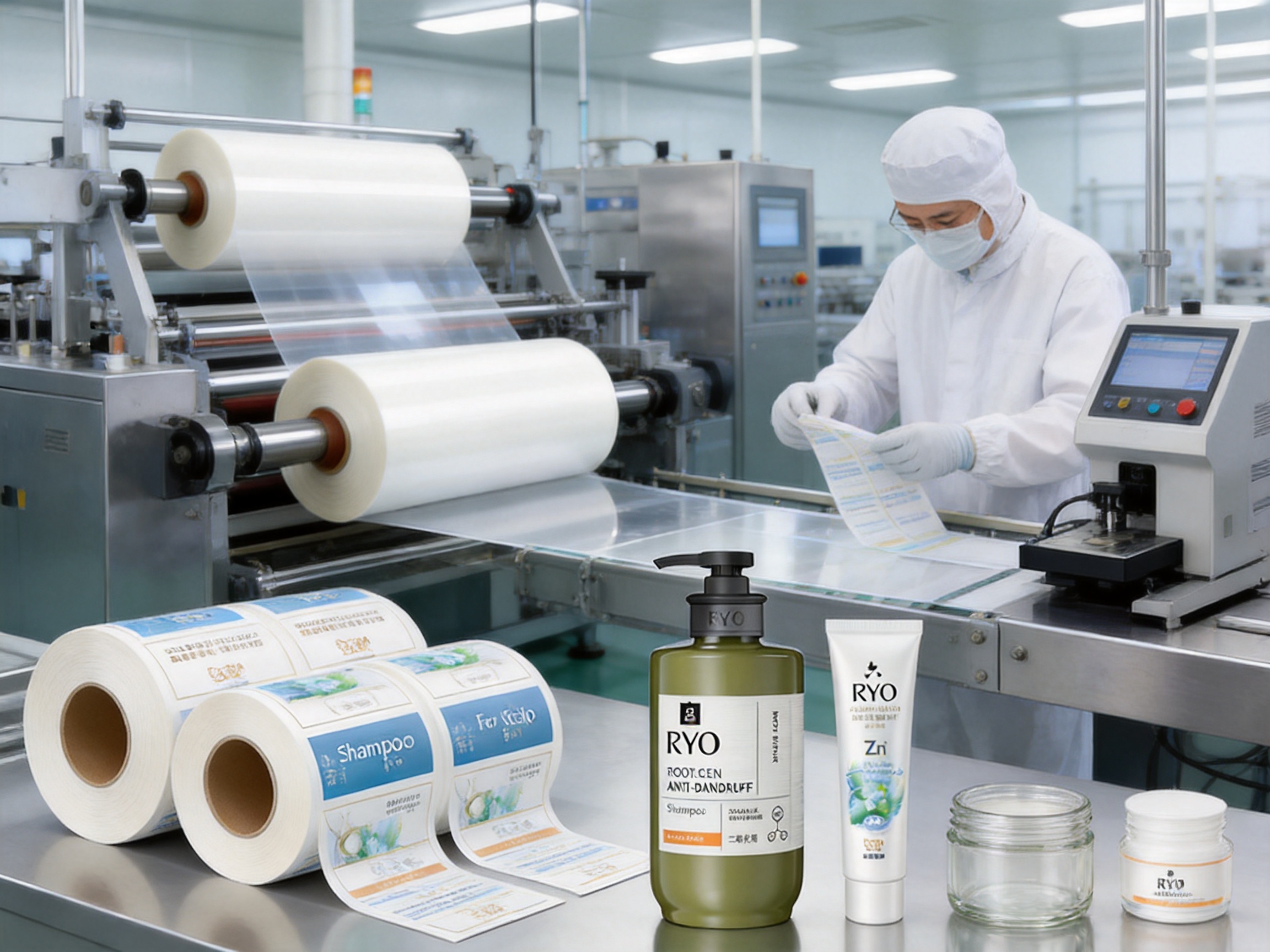
Beauty and personal care products are judged by more than their formulation. Consumers also evaluate the cleanliness, durability, and visual quality of the package that protects the product. A label that lifts at the edges, absorbs oil, becomes unreadable after contact with water, or loses its color in a humid bathroom can weaken consumer confidence and damage the presentation of an otherwise high-quality product. For this reason, water- and oil-resistant film labels have become an important packaging solution for bath products, skincare, fragrances, essential oils, and related personal care goods.
These labels are developed for demanding environments in which paper labels and ordinary adhesive constructions may not perform reliably. They combine a PE or PP synthetic film face material with a high-performance adhesive layer and a protective surface coating. This construction helps the label remain firmly attached, visually attractive, and legible when exposed to moisture, condensation, oils, frequent handling, cleaning, refrigeration, and alcohol-wipe cleaning.
Shanghai Rongyang Industrial Development Co., Ltd. provides customized pressure-sensitive label solutions for a wide range of industries, including beauty and personal care, food and beverage, healthcare, logistics, retail, and industrial applications. Its water- and oil-resistant film labels are designed to meet the practical needs of packaging manufacturers, brand owners, contract fillers, and distributors that require dependable performance across the product life cycle.
Why Label Performance Matters in Beauty and Personal Care Packaging
Personal care packaging frequently operates in environments that are unfavorable to conventional labels. Shampoo bottles may be stored in wet shower areas. Body wash containers are handled with damp or soapy hands. Facial oils and essential oil products can transfer grease to the outside of the package. Skincare jars may be placed in bathrooms where steam and condensation are common. Fragrance bottles may be wiped before display or transported through changing temperatures.
In these situations, the label is exposed to several forms of stress at the same time. Water can soften a paper substrate or weaken the bond between the label and the container. Oil can migrate into unprotected materials, creating stains, discoloration, or an uneven appearance. Repeated handling can cause edge lifting and abrasion. Temperature changes can lead to condensation, while refrigerated storage can cause dimensional changes in unsuitable materials.
A label failure may appear minor, but it can create multiple commercial problems. Product information may become difficult to read. Batch codes, ingredients, usage directions, warnings, and regulatory information may be obscured. A lifted label can also make the package appear poorly manufactured or improperly stored. In retail environments, a damaged appearance may influence purchase decisions and reduce confidence in the brand.
Water- and oil-resistant film labels address these challenges by using materials selected for moisture resistance, dimensional stability, surface protection, and adhesion. The result is a labeling construction intended to remain clean, secure, and legible in real-world conditions rather than only under dry, controlled storage.
Product Construction and Material Advantages
PE and PP Synthetic Film Face Materials
The face material is the visible foundation of the label. This product uses PE or PP synthetic film instead of conventional uncoated paper. Both materials offer a combination of flexibility, moisture resistance, and surface durability that is well suited to personal care packaging.
PE, or polyethylene, is known for its flexibility and suitability for containers with curved or squeezable surfaces. It can conform well to pump bottles, tubes, and other packages that are frequently handled. Its flexibility helps reduce the risk of cracking or breaking when the container is squeezed or flexed during use.
PP, or polypropylene, provides a smooth, stable surface with strong resistance to water and many common handling conditions. It is suitable for applications that require a clean appearance, crisp printing, and stable dimensions. Depending on the package design, product requirements, and desired visual effect, PE or PP can be selected as the primary film material.
Unlike ordinary paper, synthetic film does not readily absorb water from the surrounding environment. This is especially important for bathroom products and products stored in areas where humidity fluctuates. The film face helps preserve the label’s structure and appearance when exposed to splashes, condensation, or damp handling.
High-Performance Water- and Oil-Resistant Adhesive
The adhesive layer is equally important. A moisture-resistant face material alone cannot prevent label failure if the adhesive loses strength when exposed to water or oil. This construction uses a high-adhesion adhesive layer designed to maintain a secure bond under demanding conditions.
The adhesive is developed to support reliable attachment to common beauty and personal care containers, including plastic pump bottles, flexible tubes, coated glass jars, and other packaging surfaces. It helps resist edge lifting, curling, and detachment during normal transportation, storage, and use.
Adhesive performance depends on factors such as the container material, surface energy, curvature, cleanliness, application pressure, and environmental conditions. For this reason, a suitable label solution should be matched to the actual package design. Rongyang can support customers with customized constructions that consider the container, application process, product environment, and required visual effect.
Protective Surface Coating
The label surface receives a special coating treatment that forms a protective barrier above the printed image and film substrate. This barrier helps reduce the penetration of moisture and oily substances from bath gels, shampoos, essential oils, creams, lotions, and other personal care products.
Surface protection provides several practical benefits. It helps reduce smudging and ink damage, supports the clarity of printed text, and protects the label from the dull or stained appearance that may result from repeated contact with oils. It also supports more consistent color performance when the product is used in humid or refrigerated environments.
The coating can be selected or adjusted according to the required appearance and performance. Depending on the design, customers may require a smooth glossy surface, a more restrained matte appearance, or a coating that emphasizes premium visual quality. The final construction can be developed to balance print clarity, tactile effect, resistance, and brand presentation.
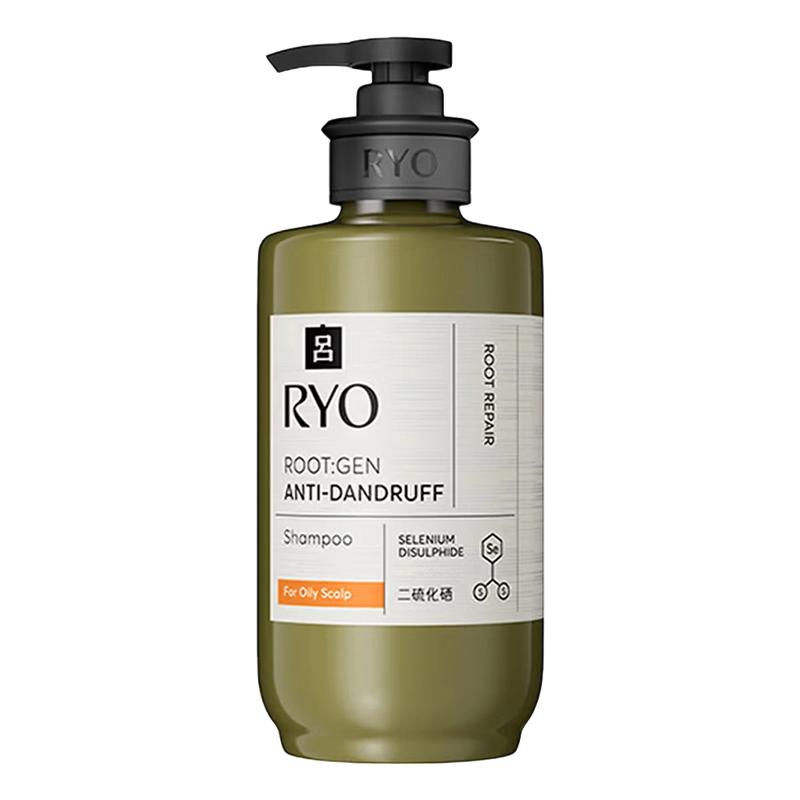
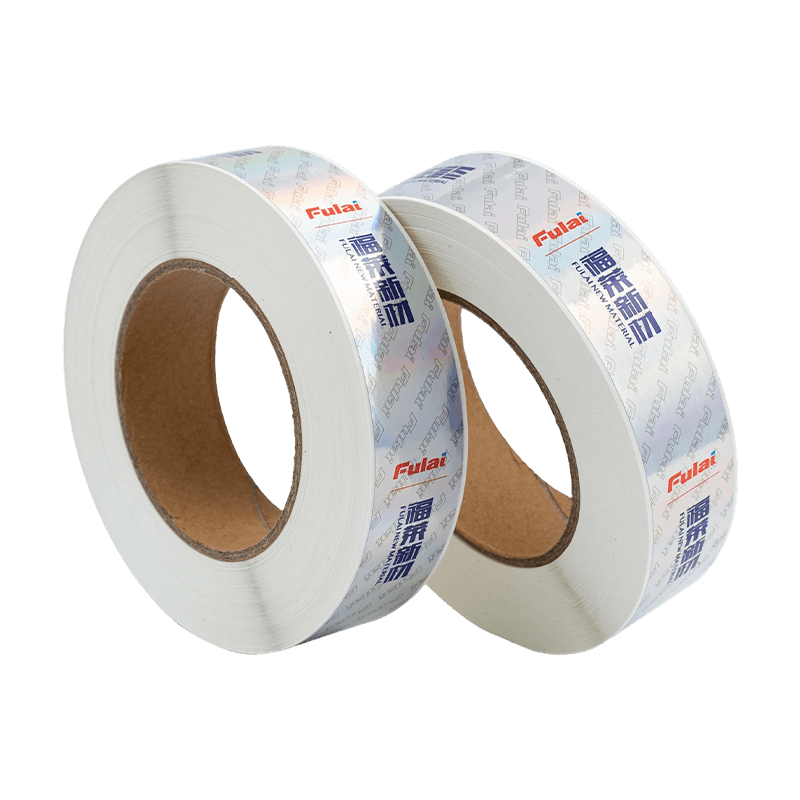
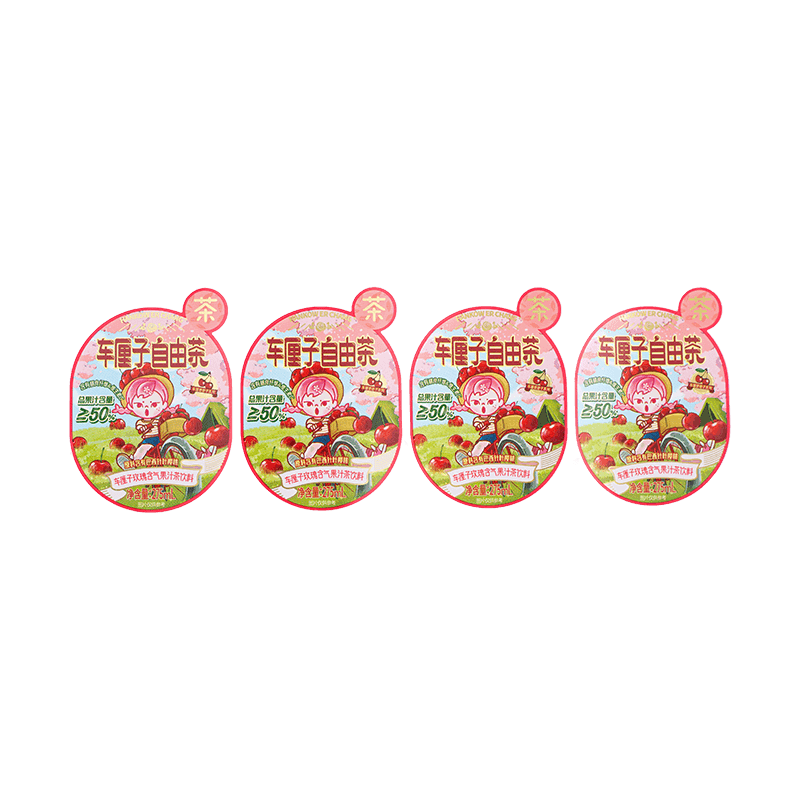
Water and oil resistant film labels
Core Performance Benefits
Resistance to Water and Humidity
Water resistance is a primary advantage of this film label construction. The label is designed to retain its integrity when exposed to splashes, condensation, humid air, and damp hands. This makes it especially suitable for products used in bathrooms, shower rooms, spas, salons, and other moisture-rich environments.
In a high-humidity bathroom, a conventional paper label may gradually soften or develop wrinkles. The edges may begin to lift, and the printed information may become less distinct. A synthetic film label with a suitable adhesive and protective coating provides a more dependable alternative. It helps preserve the smooth appearance of the label and reduces the likelihood of premature deterioration.
Water resistance also supports product cleanliness. When the label remains smooth and securely attached, it is easier to wipe and less likely to collect moisture around loose edges. This contributes to a more hygienic and orderly appearance on shelves, in hotel bathrooms, at salons, and in consumers’ homes.
Resistance to Oils and Cosmetic Ingredients
Many beauty and personal care products contain oils, emollients, fragrances, botanical extracts, and other ingredients that can affect unprotected label materials. Essential oils and skincare formulas may leave a greasy film on the package during dispensing or application. Over time, this residue can make ordinary labels look stained or cause printed information to deteriorate.
The oil-resistant film and surface coating help protect the label against the absorption of grease and oily substances. The label remains easier to clean and less likely to show obvious damage after repeated contact. This is valuable for facial oils, massage oils, hair treatments, body lotions, cleansing balms, fragrance products, and products containing natural oils.
Oil resistance should be understood as a packaging performance advantage rather than an absolute guarantee against every chemical substance. Actual compatibility depends on the product formula, contact time, temperature, and concentration. For demanding applications, testing with the customer’s actual product is recommended before full-scale production.
Dimensional Stability
Dimensional stability helps the label retain its intended shape and position. This is important for products with curved containers, narrow tubes, small jars, and packages that must maintain an accurate visual alignment.
Temperature changes can influence unsuitable materials. A product may move from a warm production area to a cool warehouse, then into refrigerated transportation or a low-temperature storage environment. If the face material or adhesive responds poorly to these changes, the label may wrinkle, shrink, expand, or lift.
PE and PP synthetic films provide a stable foundation for applications involving humidity changes and low-temperature storage. The label is intended to maintain good dimensional performance in refrigerated conditions while preserving the clarity and alignment of the printed design.
Alcohol-Wipe Resistance
Some beauty, healthcare, salon, and retail environments use alcohol wipes to clean product surfaces. A label that cannot withstand light wiping may become blurred, scratched, or partially removed. The special surface treatment of these film labels supports resistance to alcohol-wipe cleaning and helps maintain the integrity of the printed information.
Alcohol resistance is particularly useful for products displayed in professional settings, products handled by multiple users, and packaging that must be cleaned before shipment or retail presentation. It may also support internal quality control procedures in which containers are wiped during inspection or preparation.
Cleaning conditions vary considerably. The number of wipes, pressure applied, alcohol concentration, wipe material, drying time, and ink system can all affect results. Customers with strict cleaning requirements should define a test method so the label construction can be evaluated under representative conditions.
Reliable Adhesion and Edge Protection
Edge lifting and curling are common visual and functional problems in label applications. They can occur when a label is applied to a curved surface, when the container is contaminated with oil or dust, or when the adhesive is not suited to the package material.
The high-adhesion adhesive layer is intended to maintain firm contact across the label area. Proper die-cutting, application pressure, and surface preparation further support adhesion. When these factors are controlled, the label can remain securely positioned on pump bottles, tubes, and glass jars without creating an untidy edge.
Strong adhesion is also important during transportation. Packages may rub against one another, pass through filling and packing equipment, or experience vibration during delivery. A label that remains attached through these stages helps reduce rework, customer complaints, and product presentation issues.
Applications Across Beauty and Personal Care
Shampoo and Conditioner Bottles
Shampoo and conditioner containers are regularly exposed to water, steam, product residue, and handling with wet hands. These conditions make synthetic film labels a practical choice. The label can preserve product names, usage instructions, ingredient information, and brand graphics while remaining suitable for a wet bathroom environment.
For pump bottles, the label design can be adapted to the container’s curved profile. The material may be selected to provide sufficient flexibility while maintaining a smooth appearance around the bottle. The adhesive can be matched to the bottle surface and the expected storage conditions.
Bath Gel and Body Wash Packaging
Bath gels and body washes are commonly stored in shower areas where splashing and condensation are unavoidable. The products may also contain surfactants, fragrance components, and moisturizers that can come into contact with the exterior label.
Water- and oil-resistant labels help these packages maintain a clean appearance throughout repeated use. They are suitable for personal household products, hotel amenities, spa products, and professional salon supplies.
Skincare Jars and Cream Containers
Skincare jars and cream containers often require premium visual presentation. The label may need to remain attractive even when the consumer handles the jar with a small amount of cream or oil on their fingers. A coated film surface helps reduce the risk of visible staining and supports a more refined appearance.
For jars with short sidewalls or limited labeling space, precise die-cutting and accurate application are important. Custom shapes, small-format text, and high-resolution graphics can be developed to maximize the available surface while preserving readability.
Essential Oil and Facial Oil Bottles
Essential oils and facial oils present particular challenges because their formulas can be highly mobile and prone to spreading across the package. These products may be packaged in small glass bottles, roller bottles, dropper bottles, or cartons.
Film labels with a protective coating can provide a stronger barrier against oily contact than untreated paper. The label construction can be adapted to small diameters, narrow panels, and premium packaging designs. Clear, metallic, matte, or high-gloss effects may be considered according to the product’s market position.
Fragrance and Perfume Packaging
Fragrance packaging often places significant emphasis on visual quality. The label must support a premium appearance while remaining stable during transportation, handling, and display. Film materials can help create a smooth, consistent surface for fine graphics, decorative elements, and product information.
Depending on the package format, labels may be used on glass bottles, outer cartons, gift sets, or promotional units. A coordinated label system can help maintain visual consistency across different packaging sizes and product variations.
Salon, Spa, and Professional Products
Products used in salons and spas may experience frequent handling, cleaning, and exposure to water or oils. The packaging must remain legible and professional even after repeated use. Water- and oil-resistant labels are suitable for massage oils, professional haircare products, facial treatments, body treatments, and refill containers.
The ability to withstand wiping is particularly valuable in professional environments where containers may be cleaned between appointments or moved between treatment areas. Clear labeling also assists staff with product identification and inventory control.
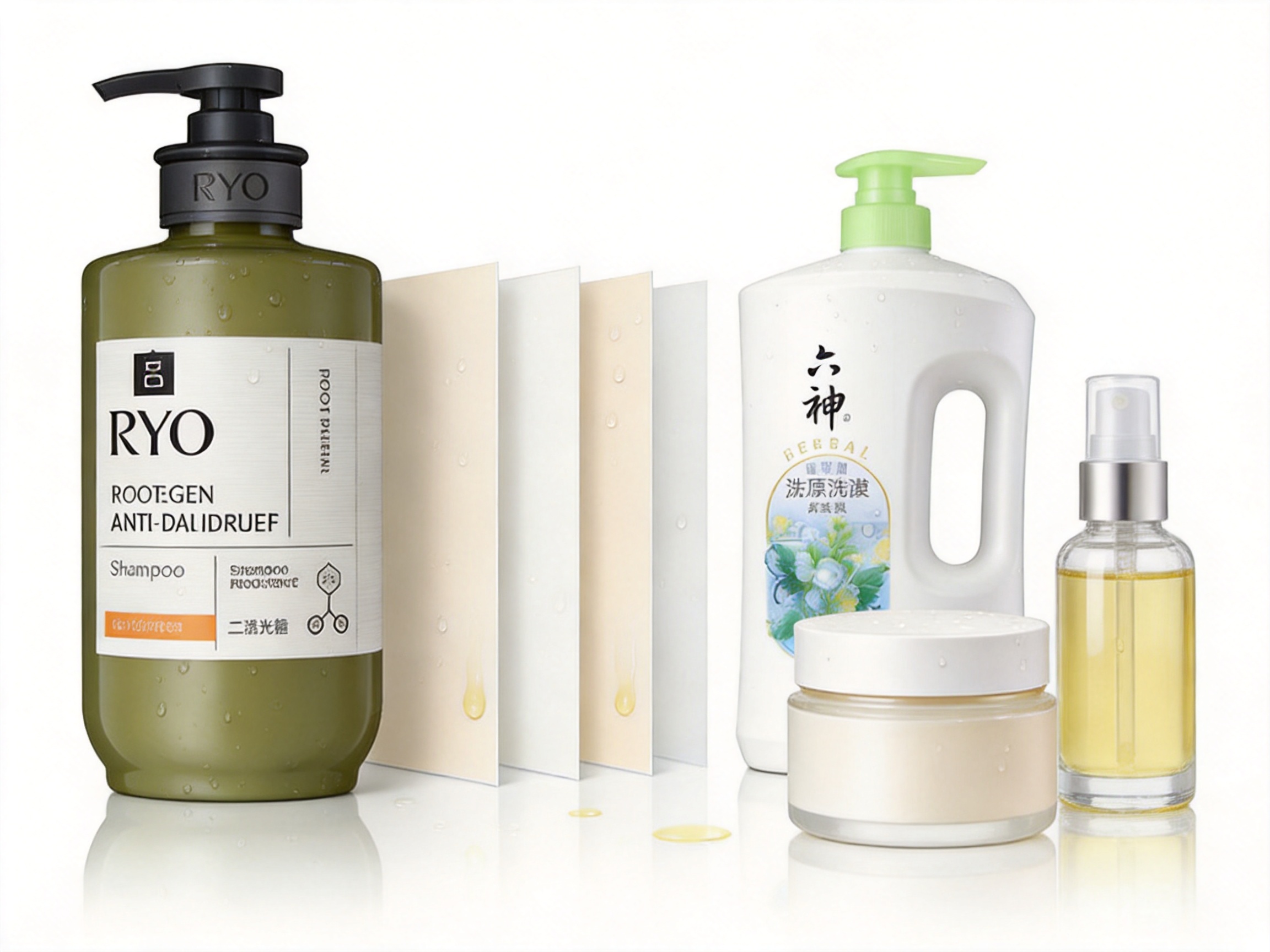
Comparison with Conventional Label Solutions
Different label materials are appropriate for different applications. Conventional paper labels remain useful for dry products and cost-sensitive applications, but they may not offer the same level of protection in humid or oily environments. Film labels are designed to address those specific performance gaps.
| Performance Factor | Conventional Paper Label | Water- and Oil-Resistant Film Label | Practical Benefit |
|---|---|---|---|
| Water exposure | May soften, wrinkle, or absorb moisture | PE or PP film resists moisture absorption | Better suitability for bathrooms and wet handling |
| Oil exposure | May stain or absorb oily substances | Protective coating helps block grease penetration | Cleaner appearance for oils, creams, and lotions |
| Dimensional stability | May change shape under humidity or temperature variation | Film construction supports stable dimensions | More consistent alignment and appearance |
| Surface durability | May scuff or smudge without additional protection | Coated surface supports print protection | Improved legibility during handling |
| Alcohol-wipe cleaning | Performance varies and may be limited | Designed to withstand alcohol-wipe contact under suitable conditions | Useful for professional and cleaning-sensitive environments |
| Curved containers | May require special construction | PE or PP options can be selected for container geometry | Better adaptability to bottles, tubes, and jars |
| Visual presentation | Paper texture may be desirable for some designs | Film supports sharp, clean, and durable graphics | Strong presentation for premium personal care products |
The key advantage is not simply that film is different from paper. The advantage comes from the complete construction: suitable synthetic film, an adhesive selected for the application, a protective surface treatment, accurate printing, and controlled converting. A well-designed label system must perform as a whole.
Printing and Converting Capabilities
High-Quality Print Reproduction
Beauty and personal care packaging often depends on color accuracy, fine detail, and consistent reproduction across multiple product variants. The label must communicate the product identity while presenting required information in a clear format.
Film substrates provide a smooth printing surface that can support crisp text, detailed graphics, and strong color density. Protective coating helps preserve the printed image against moisture, oil, handling, and wiping. This is particularly important for small text, fine lines, product shades, and decorative patterns.
Color consistency is also important when a product family includes several fragrances, formulas, or sizes. A controlled production process helps maintain a consistent visual relationship between labels produced at different times or in different quantities.
Customized Shapes and Sizes
Different containers require different label dimensions. A narrow tube may need a small wraparound label, while a pump bottle may require a large front-and-back construction. Glass jars may use circular, oval, or specialty-shaped labels.
Customized die-cutting allows the label to follow the package design more accurately. It can also support distinctive brand presentation through rounded corners, unusual silhouettes, window areas, or multi-panel formats. Accurate cutting is essential for clean edges and efficient automatic application.
Pressure-Sensitive Label Production
Pressure-sensitive labels are convenient for many packaging operations because they can be applied without water or additional adhesive at the point of use. The label construction consists of the printed face material, adhesive, and release liner. During application, pressure activates the adhesive and creates contact with the container surface.
For reliable results, the pressure-sensitive construction must be matched to the application speed, container shape, and storage conditions. The label supplier should consider whether the customer applies labels manually, semi-automatically, or through a high-speed automatic line.
Quality Control from Raw Materials to Finished Labels
Rongyang operates automated production lines, precision inspection equipment, and a structured quality control system. These capabilities support control over material receipt, printing, coating, laminating, die-cutting, rewinding, packing, and final inspection.
Quality control may include visual inspection, color comparison, dimensional checks, adhesive evaluation, roll-quality inspection, and verification of finished packaging. The exact inspection plan can be adjusted according to the customer’s application and performance requirements.
Process control is particularly important for labels used in humid and oily environments. A small defect in coating coverage, printing, adhesive application, or die-cutting may influence long-term performance. Automated equipment and inspection procedures help reduce variation and support reliable production at commercial scale.
Manufacturing Strengths of the Supplier
Integrated Research, Development, and Manufacturing
Shanghai Rongyang Industrial Development Co., Ltd. integrates research and development, manufacturing, sales, and service. This integrated structure allows technical requirements to be discussed directly with production and engineering teams rather than treated as separate stages.
For customers, this can simplify the development process. A project may begin with a description of the package, product formula, storage environment, and appearance requirements. The supplier can then recommend a material combination, create samples, evaluate the construction, and proceed to production after approval.
Integrated technical support is especially useful when a standard label is not sufficient. For example, a customer may require strong adhesion to a low-energy plastic, resistance to essential oils, compatibility with a high-speed applicator, or a premium finish for a glass bottle. These requirements can be addressed through coordinated material and process selection.
Automated Production Lines
Automated production lines support repeatability and efficiency. They help maintain consistent web tension, coating application, printing registration, cutting accuracy, and roll formation. Stable production is important for customers that operate regular packaging schedules or require large quantities for multiple markets.
Automation also supports better process monitoring. Production data and inspection results can be used to identify variation and improve operating controls. This contributes to stable output and helps reduce avoidable waste, rework, and delivery delays.
Precision Inspection Equipment
Labels may be small, but their quality requirements can be demanding. Inspection equipment helps evaluate print registration, color, surface defects, die-cutting, roll edges, and other characteristics that influence final packaging performance.
Precision inspection is valuable for personal care products because the label is often a highly visible part of the package. Inconsistent color, uneven edges, missing print, or surface contamination can be immediately noticeable to consumers and retailers.
Quality and Environmental Management
The company has obtained ISO 9001 and ISO 14001 certifications and has passed the SMETA social responsibility audit. These certifications and assessments reflect a structured approach to quality management, environmental management, and responsible business practices.
ISO 9001 supports systematic quality processes and continual improvement. ISO 14001 addresses environmental management practices. SMETA assessment provides a framework for reviewing social responsibility conditions. Together, these systems can be important considerations for international customers evaluating long-term suppliers.
International Production Capability
With production facilities in China and Malaysia, Rongyang is positioned to support customers with international supply requirements. Multiple production locations may provide additional flexibility for regional service, capacity planning, and global customer programs.
International capability is especially relevant to beauty and personal care companies that sell products in multiple markets. These customers may need consistent specifications, coordinated production, and reliable communication across different order cycles.
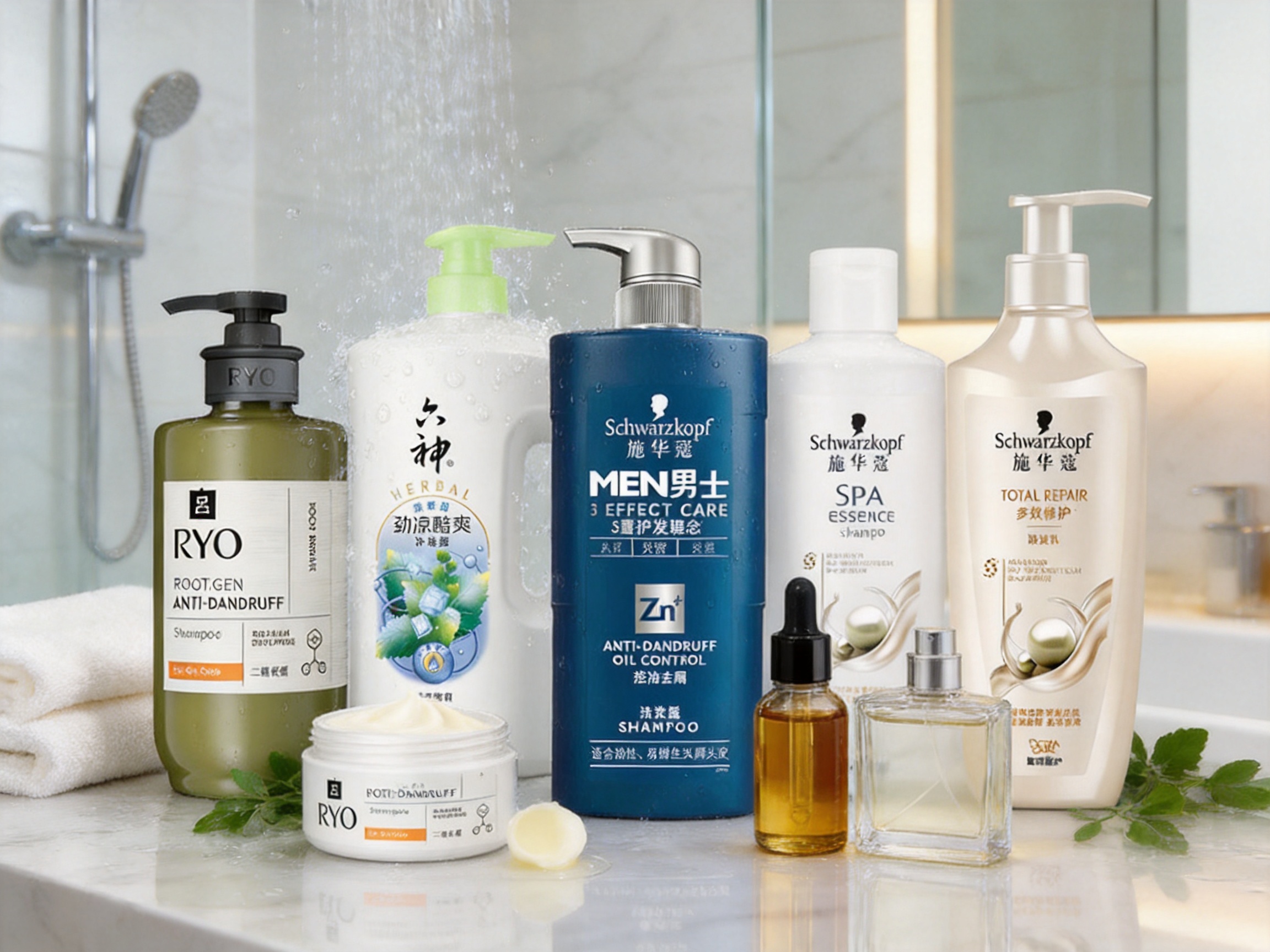
How the Labels Improve Brand Presentation
A label is one of the first package elements noticed by consumers. Its color, finish, shape, and condition contribute to the perceived quality of the product. A label that remains smooth and clean under difficult conditions helps the package retain its intended appearance for longer.
Water- and oil-resistant film labels support a professional presentation in several ways. They help prevent water-related wrinkling, reduce the appearance of oil stains, protect printed colors, and minimize the risk of loose edges. These advantages are particularly important for premium products whose packaging communicates quality and performance.
The labels can also help create differentiation. A brand may select a bright glossy finish for a fresh body wash, a soft matte finish for a premium skincare line, or a clear film effect for a minimalist fragrance bottle. Special coatings, decorative effects, and customized die-cutting can be combined with the underlying resistance properties.
Good label design must balance appearance and information. Beauty and personal care labels may need to include product names, ingredient lists, usage instructions, warnings, volume, batch information, manufacturing details, barcodes, and market-specific compliance content. The label substrate and print quality should support readability at the intended viewing distance and package size.
Selection Considerations for Buyers
Container Material
The container may be made from glass, PET, HDPE, PP, laminate, or another material. Each surface may present different adhesion characteristics. The label supplier should know the container material and whether it includes a coating, release agent, texture, or recycled content.
Container Shape
Curved bottles, tapered tubes, recessed panels, and flexible containers may require different face materials and adhesive constructions. A label suitable for a flat glass jar may not be ideal for a squeezable tube. Providing accurate drawings or physical samples helps improve the recommendation.
Product Formula
The contents of the package can influence label performance. Customers should identify whether the product contains oils, alcohol, solvents, acids, surfactants, fragrances, or other ingredients that may contact the label. Testing with the actual formula is preferable to relying only on general material descriptions.
Application Method
Labels may be applied by hand, semi-automatically, or through a fully automatic line. Application speed, pressure, label orientation, liner release, and roll direction should be considered during development. Correct specifications help prevent production stoppages and application defects.
Storage and Distribution Conditions
Products may be stored in warehouses, refrigerated areas, shipping containers, retail displays, bathrooms, or salons. Temperature and humidity conditions should be defined as realistically as possible. If the product will be exported, the label should be evaluated against the expected transportation and storage environment.
Visual Requirements
Customers should define whether they require a glossy, matte, transparent, metallic, or textured appearance. The design may also require special color matching, white ink, variable information, serialization, or barcode printing. Early discussion of visual requirements helps align the material, ink, coating, and converting process.
Recommended Testing and Validation
Testing helps confirm that the label will perform under actual conditions. A basic evaluation may include visual inspection after water exposure, oil contact, humidity aging, temperature cycling, refrigeration, and wiping.
Adhesion should be checked immediately after application and again after the label has remained on the container for a defined period. Testing should observe edge lifting, bubbling, wrinkling, sliding, curling, and complete detachment. The container should be clean and representative of normal production conditions.
Water testing can include splash exposure, condensation, immersion where relevant, and repeated wet handling. Oil testing can use the actual product or a representative formulation. For essential oils and concentrated cosmetic ingredients, longer contact periods may be necessary.
Alcohol-wipe testing should specify the alcohol concentration, wipe type, number of passes, pressure, and drying interval. The evaluator should check print smearing, color loss, coating damage, gloss change, and label lifting.
Temperature testing may include refrigeration and temperature cycling. A label that performs well at room temperature may respond differently after cooling or condensation. Testing should therefore include the conditions expected during transportation, storage, and consumer use.
When test results are satisfactory, the approved material specification should be documented. It should include the face material, adhesive, coating, liner, print process, dimensions, tolerances, roll configuration, and quality requirements. This helps maintain consistency during future orders.
Customization Options
Water- and oil-resistant film labels can be customized for different packaging and market requirements. Common options include PE or PP face materials, custom dimensions, custom shapes, gloss or matte surface treatments, clear or opaque constructions, specialty colors, and variable information printing.
Labels may be supplied in rolls, sheets, or other formats depending on the customer’s application process. Roll direction, core size, outer diameter, splice requirements, and winding direction can be specified for compatibility with automatic labeling equipment.
Customers may also require additional functions such as barcodes, QR codes, batch coding areas, tamper-evident features, removable adhesive, or integration with smart and traceability systems. Rongyang’s broader product portfolio includes pressure-sensitive labels, RFID inlays, RFID tags, anti-counterfeiting solutions, and specialized industrial labels, allowing related packaging requirements to be discussed with one supplier.
For a successful custom project, buyers should provide artwork, container samples or drawings, product information, expected annual volume, application method, storage conditions, and performance expectations. This information helps reduce trial-and-error and supports faster approval.
Why This Solution Can Outperform Lower-Cost Alternatives
Purchase price is only one part of the total cost of a label. A low-cost label that fails during filling, transportation, storage, or use may create additional expenses through rework, rejected products, relabeling, customer complaints, and damaged brand perception.
The water- and oil-resistant film construction is designed to reduce these risks by addressing the causes of common label failures. The synthetic film limits moisture absorption. The protective coating helps reduce oil penetration and print damage. The adhesive supports secure attachment. Dimensional stability helps maintain alignment across temperature and humidity changes.
Rongyang’s manufacturing systems provide another point of differentiation. Integrated development, automated production, inspection equipment, certified management systems, and international production capability support dependable supply beyond the basic material specification.
For brands that sell premium or technically demanding products, the value of a label includes its appearance, durability, consistency, application efficiency, and ability to protect product information. A more reliable label can therefore support both operational efficiency and long-term brand value.
Quality, Compliance, and Supply Reliability
Personal care packaging may be distributed across multiple countries and sales channels. Customers often expect suppliers to maintain documented processes, stable specifications, and transparent quality controls. A structured management system supports these expectations.
ISO 9001 certification indicates a formal quality management approach. ISO 14001 certification demonstrates attention to environmental management. SMETA social responsibility auditing provides additional information about ethical and labor-related practices. These credentials may assist customers during supplier qualification and purchasing review.
Supply reliability also depends on production capacity, material planning, technical communication, packaging, and delivery coordination. An experienced label manufacturer should be able to support both development orders and larger repeat orders while maintaining the approved construction.
Rongyang serves customers in FMCG, food and beverage, pharmaceuticals, logistics, retail, industrial applications, and other sectors. This broad experience contributes to knowledge of pressure-sensitive materials, specialty adhesives, variable information, RFID solutions, and high-volume production requirements.
Q&A: Water- and Oil-Resistant Film Labels
What are water- and oil-resistant film labels?
They are pressure-sensitive labels made with a PE or PP synthetic film face material, a high-performance adhesive layer, and a protective surface coating. The construction is designed to resist moisture, grease, condensation, handling, and selected cleaning conditions.
Are these labels suitable for shampoo and bath gel bottles?
Yes. They are specifically suitable for shampoo, conditioner, bath gel, body wash, and similar products that are used or stored in humid bathroom environments. The label can be customized for pump bottles, curved containers, and other common package formats.
Can the labels be used on glass jars?
Yes. They can be developed for glass jars and other rigid containers. The adhesive selection should consider the glass surface, any coating or finish, the jar curvature, and the expected storage and use conditions.
Can these labels withstand essential oils?
The oil-resistant film and protective coating are designed to improve performance when exposed to oily personal care products, including essential oils. Because formulas vary, testing with the actual essential oil or product mixture is recommended before mass production.
Can the labels be wiped with alcohol?
The surface treatment supports resistance to alcohol-wipe cleaning. Performance depends on alcohol concentration, wiping frequency, pressure, and the selected ink and coating system. A customer-specific test should be completed when alcohol cleaning is a critical requirement.
Will the labels remain stable in refrigerated conditions?
The film construction is designed to maintain good dimensional stability in low-temperature and refrigerated environments. The final result also depends on the container, condensation level, adhesive selection, and duration of exposure.
Can the labels be used on flexible tubes?
Yes. PE or PP film options can be considered for tubes and other flexible packages. The material should be selected according to the amount of squeezing, tube shape, surface texture, and application method.
Are custom shapes and sizes available?
Yes. The labels can be customized in dimensions, shape, roll format, surface finish, and printing design. Die-cutting can be adapted to the available labeling area and the desired package appearance.
What information is needed to request a quotation?
Useful information includes label size, shape, material preference, adhesive requirement, artwork, quantity, container material, product type, application method, storage conditions, roll specifications, and any required resistance testing.
How can buyers confirm label compatibility?
Buyers should request samples and test them on the actual containers using the actual product whenever possible. Evaluation should include water, oil, humidity, temperature, handling, and cleaning conditions that represent the product’s life cycle.
Does the supplier support other label applications?
Yes. The company provides pressure-sensitive labels and RFID smart label solutions for FMCG, food and beverage, healthcare, logistics, retail, anti-counterfeiting, asset management, and industrial applications. Related specialty constructions can be discussed as part of a broader packaging or identification program.
Conclusion
Water- and oil-resistant film labels provide a practical and durable solution for beauty and personal care packaging exposed to humidity, oils, condensation, temperature variation, frequent handling, and cleaning. Their PE or PP synthetic film face, high-performance adhesive, and protective surface coating work together to preserve label appearance and attachment in demanding environments.
For shampoo bottles, bath gels, skincare jars, essential oil containers, fragrance packaging, tubes, and professional salon products, the solution helps maintain clear information, stable dimensions, vibrant printed colors, and a clean package appearance. Compared with ordinary paper labels, the construction offers stronger resistance to moisture and oily contamination while supporting premium visual presentation.
The product’s performance is reinforced by Rongyang’s integrated research and manufacturing capabilities, automated production lines, precision inspection equipment, certified management systems, and international production resources. By combining appropriate materials with controlled printing and converting processes, the company can support customized requirements from prototype development through repeat commercial production.
For brands seeking reliable labels for humid, oily, or refrigerated applications, the most effective approach is to define the container, product formula, application process, and environmental conditions at the beginning of development. With suitable testing and a properly matched construction, water- and oil-resistant film labels can protect both essential product information and the visual quality of the brand.
References
1. ISO 9001: Quality Management Systems—Requirements.
2. ISO 14001: Environmental Management Systems—Requirements with Guidance for Use.
3. FINAT Technical Handbook, pressure-sensitive label materials and testing principles.
4. Pressure-Sensitive Tape Council, test methods for adhesion and peel performance.
5. ASTM International, standard practices for evaluating the resistance of printed and coated surfaces to moisture, abrasion, and chemical exposure.
6. General packaging engineering principles for synthetic film substrates, pressure-sensitive adhesives, and label converting.
7. Supplier-provided technical information for PE and PP film labels, protective coatings, adhesive constructions, and quality management practices.
Product: Water and oil resistant film labels


Messae Us Right Now!

- Quick Links
- Products
- Quality Control
- Our Story
- News
- Contact
- Our Product
-
- Beauty and Personal Care Labels
- Home cleaning and laundry care labels
- Liquor and Beverage Labels
- Food and dairy product labels
- Healthcare Labels
- Promotional and Interactive Labels
- Specialty and industrial solution
- Labels Thermal printing and logistics labels
- Anti-counterfeiting traceability and RFID Labels
- Contact us
- Tel:+86-573-86867861
- Phone:+86-18621872035
- E-mail:allen.men@rylabel.com
- Add:No. 111 Xincheng Road, Haiyan Economic Development Zone, Jiaxing City, Zhejiang Province


