
 English
 русский
 Español


Home / Author / Lin Yuchan — International Sales Manager / Promotional Extended Content Labels: Expanding Packaging Information and Consumer Engagement
News

Promotional Extended Content Labels: Expanding Packaging Information and Consumer Engagement
2026-10-31
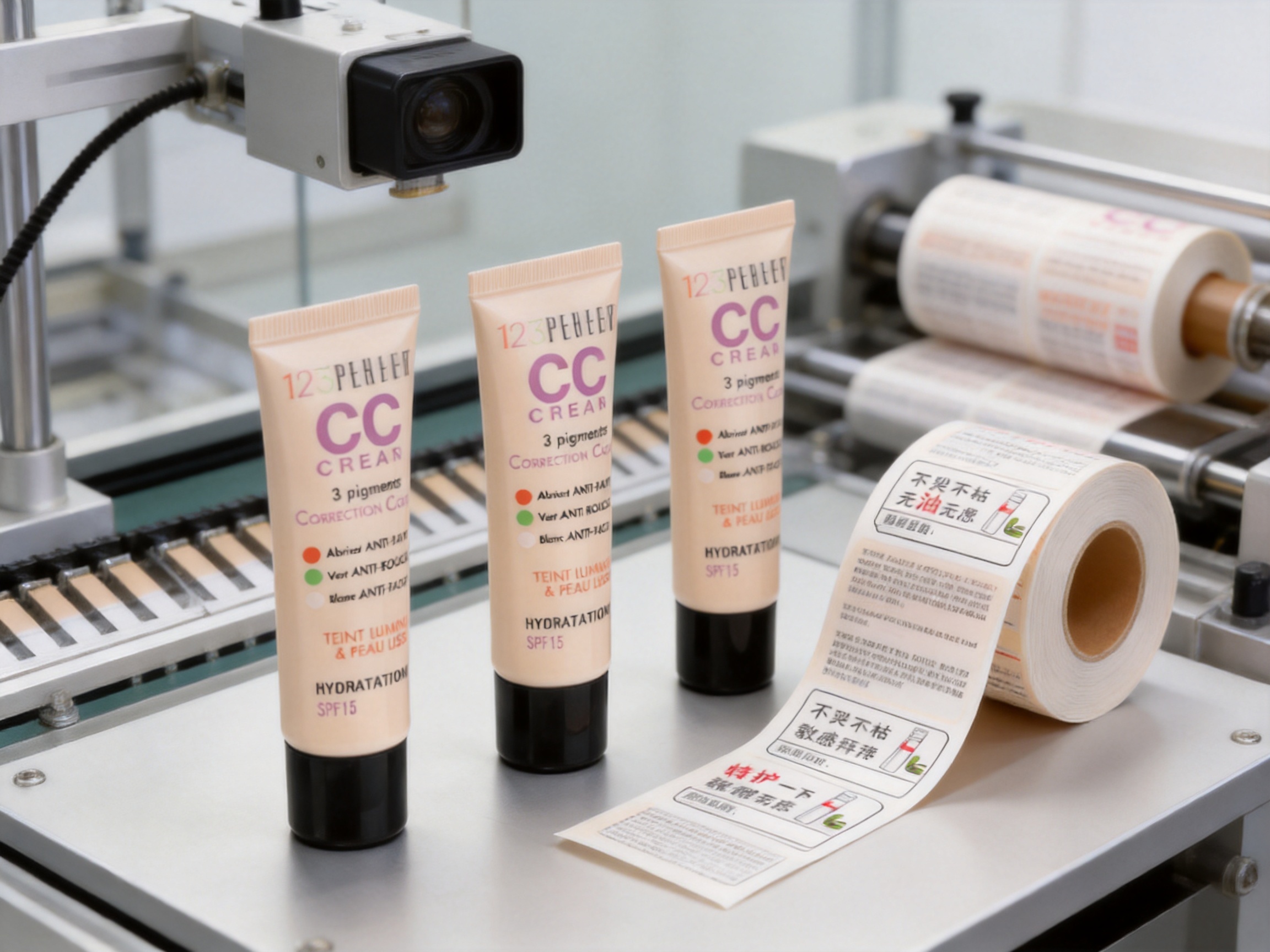
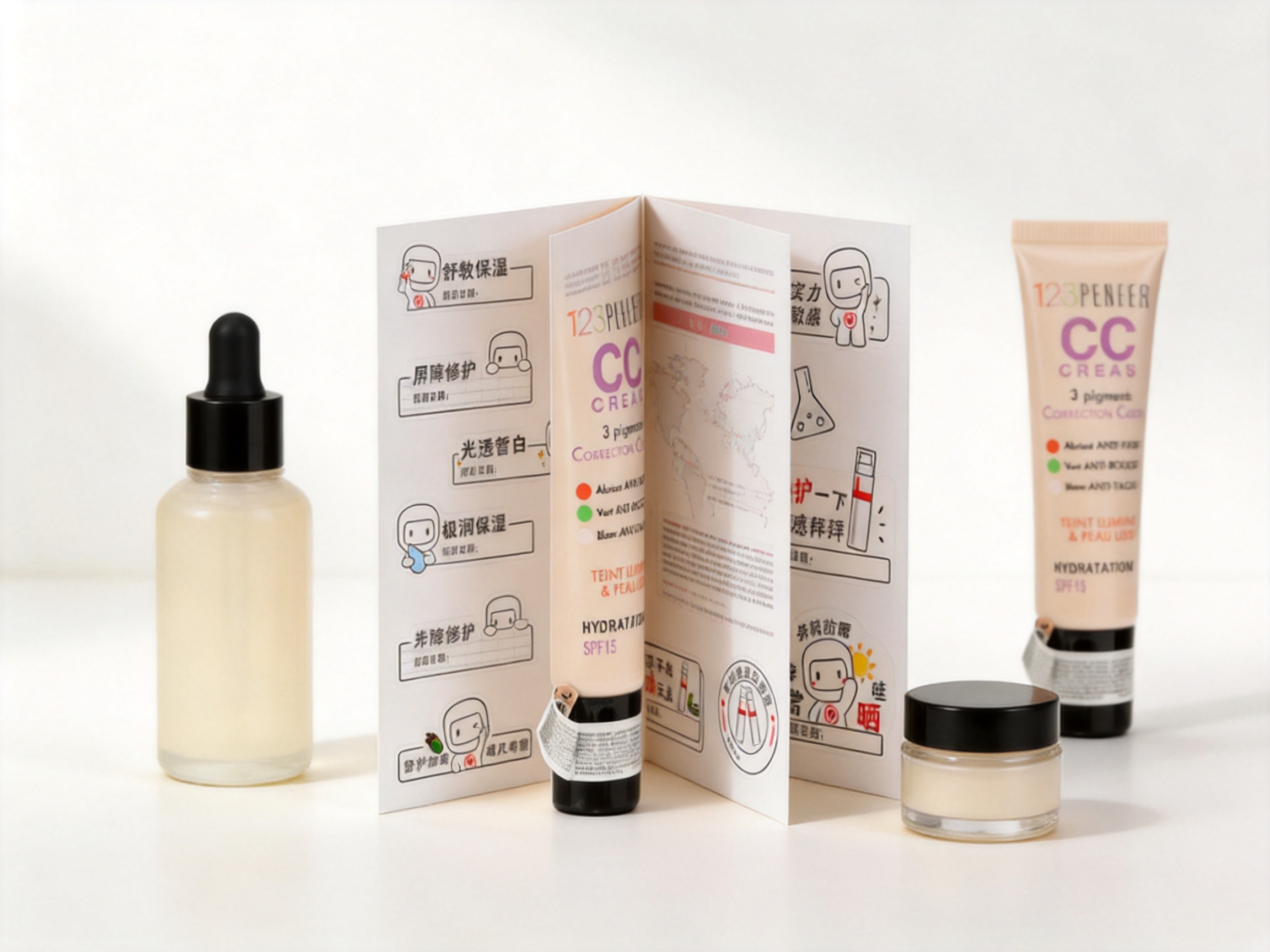
Modern packaging must do much more than identify a product. It must communicate ingredients, usage instructions, regulatory information, brand values, promotional offers, authenticity details, and digital experiences while remaining attractive and practical on a compact package. For beauty and personal care products in particular, the available surface area is often limited by small bottles, tubes, jars, cartons, and travel-size containers. Promotional extended content labels provide an effective solution by transforming restricted label space into a structured, multi-purpose communication platform.
Promotional extended content labels use expandable constructions, multi-layer folds, booklet-style assemblies, roll labels, and integrated interactive elements to carry significantly more information than a conventional single-layer label. They allow brands to present multilingual instructions, ingredient information, application tutorials, product benefits, warnings, promotional messages, and digital calls to action without significantly increasing the size of the package.
Shanghai Rongyang Industrial Development Co., Ltd. develops and manufactures customized pressure-sensitive labels, RFID smart labels, and specialty label solutions for international customers. Its capabilities in research and development, automated production, precision inspection, and quality management support the production of complex promotional labels for beauty and personal care applications. The company’s experience with customized materials, specialized die-cutting, functional coatings, and variable data printing enables brands to create labels that perform as both information carriers and marketing interfaces.
What Are Promotional Extended Content Labels?
Promotional extended content labels are labels designed with additional printable or interactive surface area that can be opened, unfolded, peeled, rolled, or scanned. Instead of limiting the package to one static panel, the label creates several organized information zones. These zones may be used for multilingual text, detailed product information, campaign content, loyalty programs, coupons, tutorials, and consumer engagement tools.
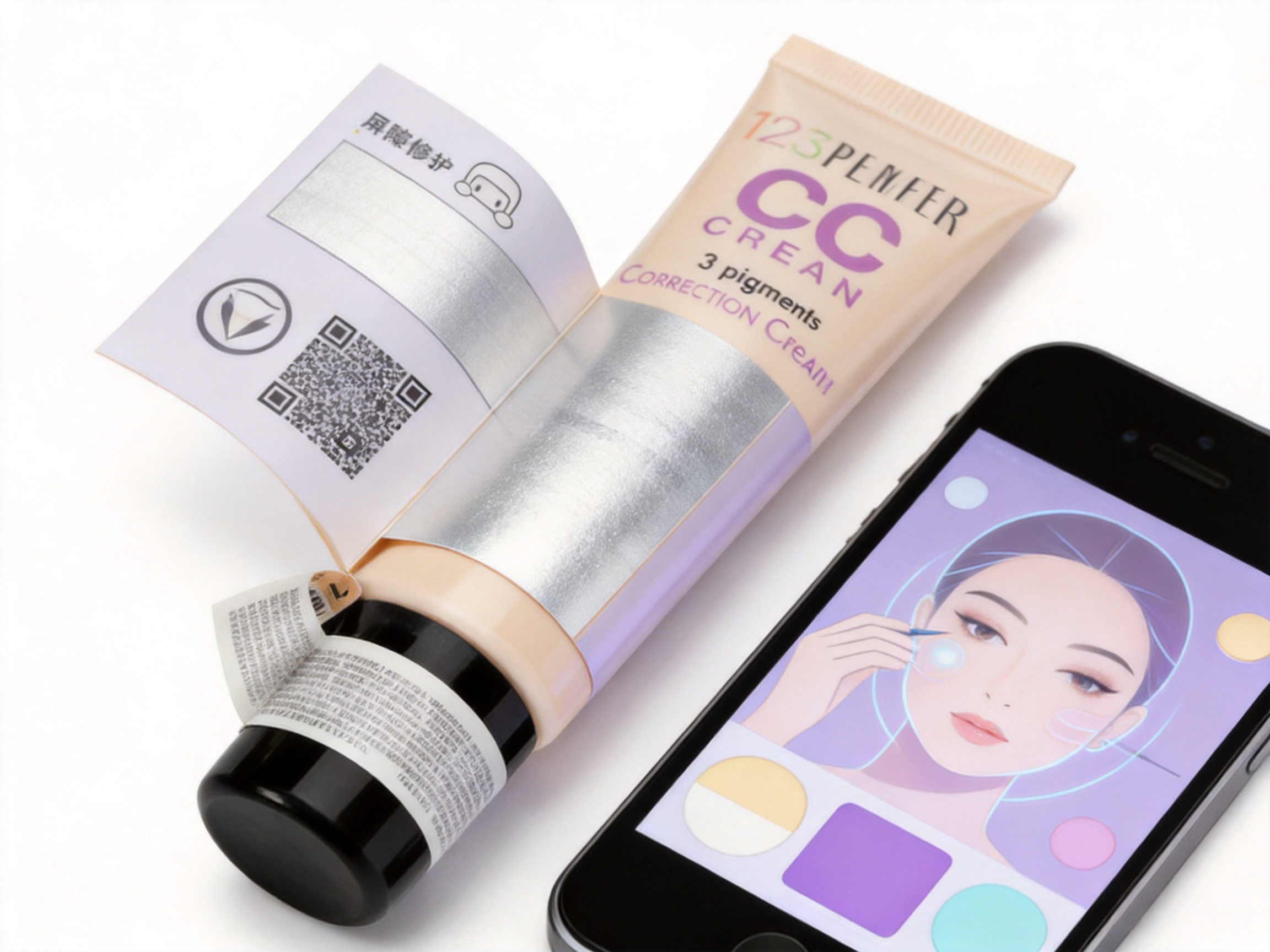
The label may use several structural formats. A folded extended label can be opened like a small booklet. A multi-layer label may include a peelable upper section that reveals additional content underneath. A roll label can provide a continuous or sequential reading experience. A label may also combine these formats with a QR code, scratch-off panel, variable printed code, or augmented reality trigger point.
This flexible structure is particularly valuable for cosmetics, skincare, haircare, personal hygiene, and wellness products. These categories often require detailed ingredient disclosures, directions for use, cautionary statements, recycling instructions, and language variations for different markets. At the same time, packaging must preserve a premium appearance and provide enough visual impact to attract attention in competitive retail environments.
Extended content labels help solve this conflict between limited space and extensive communication requirements. The product remains compact, while the label provides room for more information and more opportunities for interaction.
Why Conventional Labels Are Often Insufficient
A conventional pressure-sensitive label generally provides one primary printable surface. This format is effective for basic identification, but it may not be sufficient when a product must communicate in several languages or include a large volume of mandatory and promotional content.
Beauty and personal care brands frequently need to include ingredient lists, directions, warnings, storage information, batch details, shelf-life information, claims, manufacturer information, country-specific requirements, and contact details. An international product may need to repeat some or all of this content in multiple languages. Printing everything on one visible label can make the text too small, reduce readability, or compromise the visual design.
Brands may respond by enlarging the package, adding a separate leaflet, using an outer carton, or reducing the amount of promotional information. Each alternative has disadvantages. Larger packaging can increase material consumption and shipping volume. Separate leaflets add components to the supply chain and can be misplaced. Outer cartons may not be suitable for every product format. Reducing information can weaken consumer education and marketing performance.
Promotional extended content labels provide an alternative by adding functional surface area directly to the package. The label can be engineered to maintain a neat exterior while offering substantial additional content when opened or activated by the consumer.
Core Product Advantages
Expanded Information Capacity
The primary advantage is the ability to carry more information within a limited package footprint. A label may present the product name, key benefits, and essential visual branding on the exterior while placing detailed content inside the folded or peelable section.
This structure is useful for multilingual packaging. A brand can allocate separate panels to different languages or organize several languages in a clear booklet format. It can also use the added space for ingredient explanations, step-by-step application instructions, skin-type recommendations, usage frequency, storage guidance, and product compatibility information.
More information does not have to mean a crowded appearance. Through careful panel planning, typography, color coding, icons, and hierarchy, the extended label can make complex content easier to navigate. The front panel remains clean and commercially attractive, while the internal panels provide depth for consumers who want to learn more.
Improved Consumer Engagement
Traditional labels usually communicate in one direction: the brand prints information, and the consumer reads it. Promotional extended content labels can create a two-way connection. By incorporating variable QR codes, scratch-off elements, and augmented reality trigger points, the label can invite consumers to take an action.
A QR code can connect the package to a loyalty program, digital coupon, product registration page, beauty tutorial, campaign landing page, or brand community. A scratch-off silver panel can conceal a promotional code, prize number, authentication feature, or limited-time offer. An augmented reality trigger can open an interactive product story, virtual demonstration, or educational experience through a compatible mobile device.
These functions help transform a package from a passive identifier into an active marketing interface. The consumer can move from physical product discovery to digital brand communication without needing a separate printed card or promotional insert.
Better Support for International Markets
International distribution creates complex packaging requirements. Different markets may require different languages, regulatory statements, recycling symbols, usage directions, or contact information. A label with extended content enables brands to adapt the communication structure while preserving a consistent primary design.
The same basic label architecture can be customized for multiple regions. Language panels, market-specific promotions, local customer service details, and variable digital destinations can be changed without redesigning the entire package. This can simplify product launches and improve consistency across a global product range.
For international brands, the extended label is not only a larger information carrier. It is also a way to organize market-specific content in a controlled and scalable format.
Efficient Use of Packaging Space
Packaging space is expensive and limited. Small containers often have curved surfaces, narrow shoulders, tapered bodies, or irregular shapes. A label must accommodate these physical conditions while maintaining adhesion, readability, and visual quality.
The flexible construction of promotional extended content labels allows the available surface area to be used more efficiently. Instead of increasing the dimensions of the container, the label can provide additional content through folding, layering, or controlled opening. This is especially beneficial for sample-size products, travel-size cosmetics, ampoules, small tubes, and compact personal care products.
Efficient space utilization may also support more sustainable packaging strategies. When additional communication can be carried by the label, brands may reduce reliance on separate inserts or oversized secondary packaging. The exact environmental outcome depends on material selection, adhesive chemistry, disposal systems, and overall package design, but the structural approach creates opportunities for material optimization.
Enhanced Promotional Performance
A promotional label can support a campaign from the point of purchase through post-purchase engagement. The visible panel can communicate a limited-time offer, product benefit, seasonal theme, or new product message. The concealed or interactive section can provide a coupon, membership invitation, digital reward, or tutorial.
This creates several opportunities for conversion. A consumer may scan a code to receive a discount, enter a points program, access a product demonstration, or discover a related product. The brand can use the same package to encourage trial, repeat purchase, cross-selling, and customer retention.
Compared with a static label, this approach gives the brand more ways to communicate value. Compared with a separate promotional card, it keeps the marketing message attached to the product and reduces the risk that the promotional material will be separated from the package.
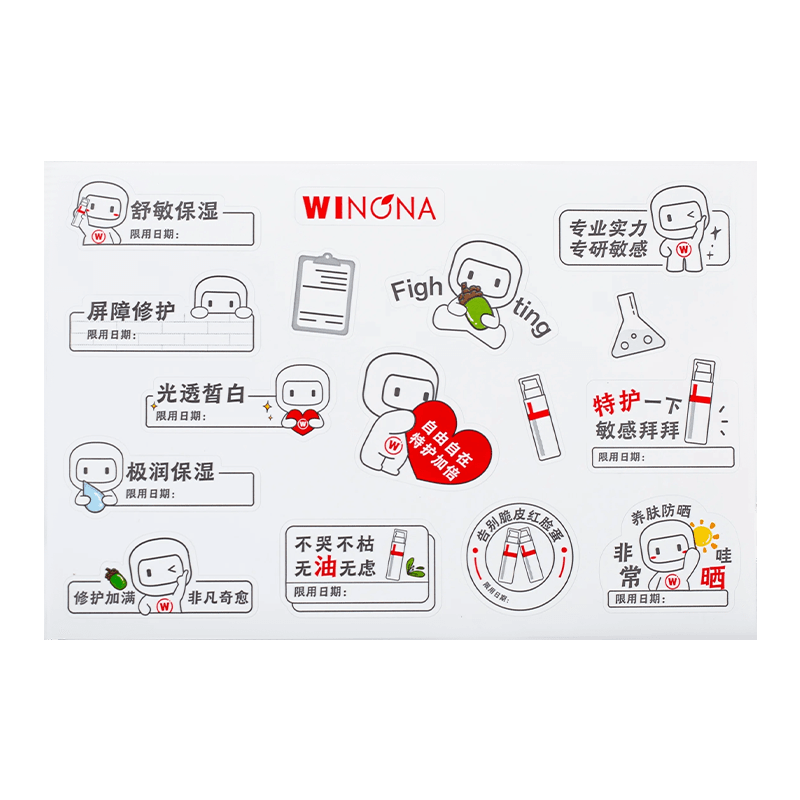
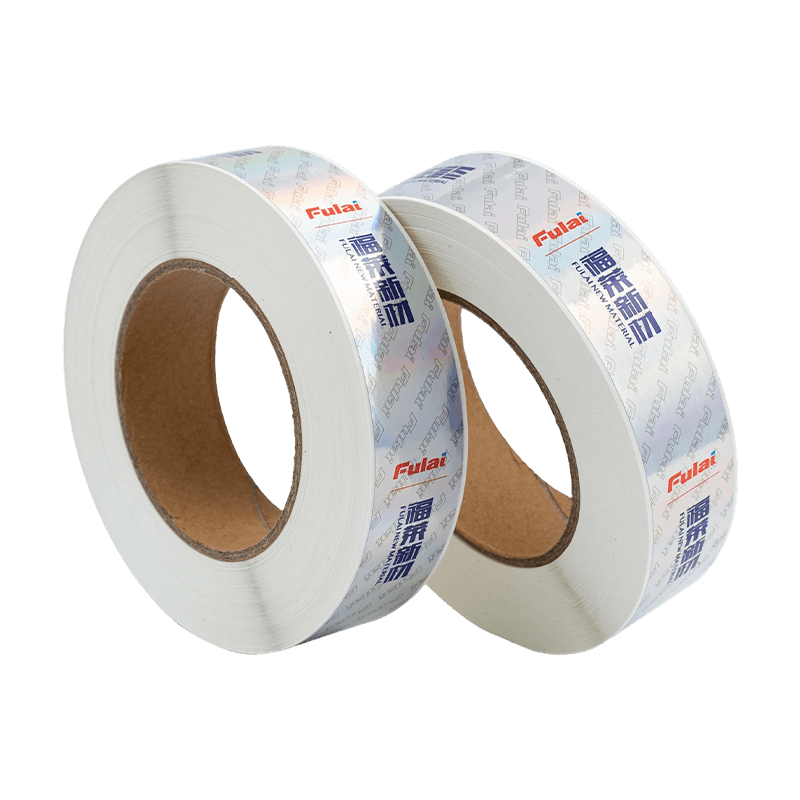
Promotional extended content Labels
Interactive Components and Their Applications
Variable QR Codes
Variable QR codes allow each label or production batch to carry a unique or controlled digital identifier. Depending on the campaign design, the code may direct consumers to a product information page, authenticity verification service, digital coupon, loyalty platform, tutorial, or customer survey.
Variable printing also gives brands more flexibility in campaign management. Different batches can point to different promotions, regions, product variants, or distribution channels. Codes can be tracked according to campaign rules, allowing marketing teams to understand how consumers engage with packaging.
For beauty and personal care products, a QR code may open a skincare routine, demonstrate correct application, explain ingredient functions, provide advice for product combinations, or introduce a professional consultation service. The digital content can be updated after the label is printed, allowing the physical package to remain in circulation while the connected experience evolves.
Scratch-Off Silver Panels
Scratch-off panels add a physical reveal experience to the label. The consumer removes the opaque coating to reveal a promotional code, reward number, authentication mark, or campaign message. This format can create curiosity and encourage participation.
Scratch-off features are useful for sampling campaigns, seasonal promotions, loyalty programs, prize draws, and limited-edition releases. They can also support controlled verification systems when each hidden code is linked to a unique product record.
The silver scratch-off area must be designed with attention to print registration, coating adhesion, scratch performance, and legibility after removal. A reliable manufacturing process is important because the panel should remain intact during normal handling but become easy for the consumer to activate.
Augmented Reality Trigger Points
Augmented reality trigger points connect a physical label with a digital visual experience. When recognized by a compatible application or platform, the label can activate animations, demonstrations, three-dimensional product views, virtual try-on content, or brand storytelling.
In personal care applications, augmented reality may show a step-by-step beauty tutorial, demonstrate how much product to use, explain a routine, or visualize the expected order of application. It can also provide a more memorable experience for limited-edition packaging and promotional collaborations.
The trigger point should be positioned where it is visible and easy to scan. The printed artwork must preserve the recognition features required by the digital system while maintaining a premium appearance. This requires coordination between the brand, digital content provider, prepress team, and label manufacturer.
Structural Design Options
Multi-Layer Folded Labels
Multi-layer folded labels are constructed from panels that are folded into a compact form. The outside panel may display the primary product identity, while the internal panels contain additional content. Depending on the design, the fold can open horizontally, vertically, or in a gate-fold configuration.
Folded labels are suitable for multilingual content and instructional sequences because the reader can move through the information in an organized order. They can also produce an attractive reveal effect, making the process of opening the package part of the consumer experience.
Important design considerations include fold position, panel size, opening direction, adhesive placement, print orientation, and the relationship between the folded label and the container curvature. The final structure must be easy to open without damaging the package or obscuring critical information.
Peel-and-Reveal Labels
Peel-and-reveal labels use a removable or repositionable upper layer to expose additional content. The top layer may contain the principal branding, while the lower layer carries ingredients, instructions, regulatory information, or promotional details.
This format can provide a smooth, compact appearance while preserving access to a large information area. It is useful where the exterior label must remain clean and premium but the product requires detailed content.
Peel-and-reveal structures require careful control of adhesive strength. The label should remain securely attached during transportation and storage, but the consumer should be able to open it without excessive force. Depending on the application, the opened label may be designed to remain attached, partially attached, or removable.
Roll Labels
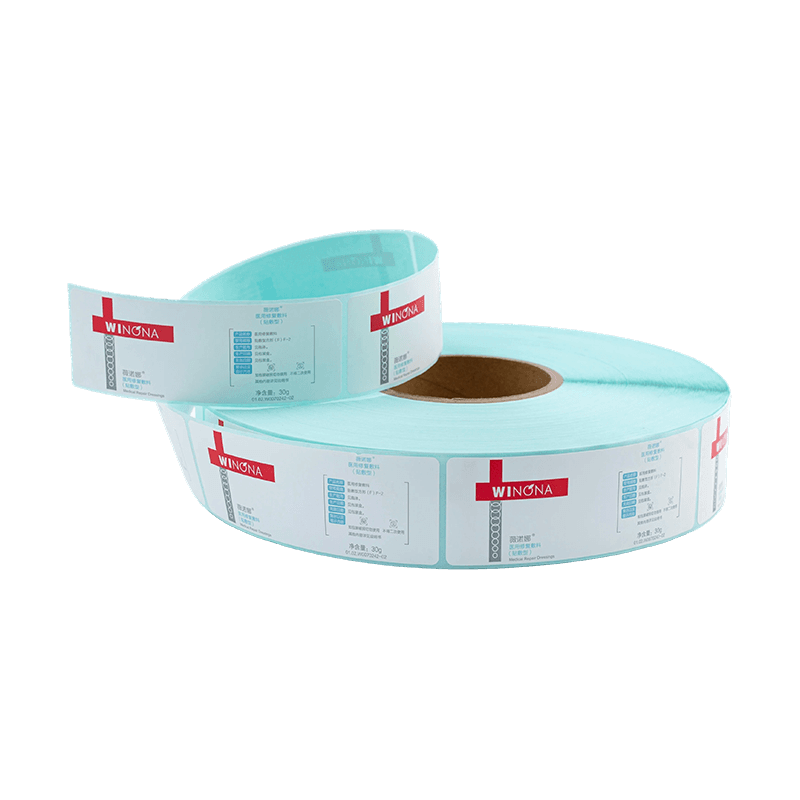
Roll labels can provide a continuous or sequential content format. They are useful when a product requires a long series of instructions, multiple language sections, or a substantial amount of promotional content.
The roll structure can be adapted to compact cylindrical packages and may support unusual branding concepts. It can also create a sense of discovery as the consumer reveals one section after another. The manufacturing process must maintain consistent tension, registration, winding quality, and adhesive performance throughout the roll.
Combination Structures
A label may combine multiple structural features. For example, a multi-panel label can include a QR code on the exterior, a scratch-off panel on an internal section, and a printed tutorial beneath the fold. This combination can deliver both immediate information and deeper digital engagement.
Combination structures should be planned around the consumer journey. The first panel should explain what the product is and why the consumer should interact. The next section should provide useful content, and the final step should offer a clear reward or action. A complex structure should remain intuitive rather than overwhelming.
Advantages Over Standard and Less Integrated Alternatives
Promotional extended content labels offer several advantages compared with ordinary single-panel labels. The most direct difference is information capacity. A standard label may be restricted to one printable area, whereas an extended format can create several panels without requiring a larger container.
The solution also offers advantages over separate paper inserts. Because the extended label is integrated with the product package, it is less likely to become separated during packing, transportation, retail display, or consumer use. It can carry promotional and instructional content directly at the point where the consumer interacts with the product.
Compared with adding a larger outer carton, an extended label can preserve a compact primary package. This may be valuable for travel products, sample programs, compact retail displays, and products sold through e-commerce channels where package dimensions influence storage and shipping.
Compared with static promotional printing, the integration of variable codes and digital triggers makes the package more adaptable. A physical label can direct the consumer to content that is updated, personalized, or linked to a campaign database. This creates a stronger connection between packaging and measurable marketing activity.
Compared with generic interactive labels, a customized extended-content solution can be engineered around the product’s specific shape, surface, application method, language needs, and campaign objectives. Structural design, material selection, printing, finishing, and digital functionality can be coordinated as one project rather than managed as unrelated components.
Material and Print Considerations
The selection of face stock, adhesive, liner, ink, coating, and finishing method influences both appearance and performance. Beauty and personal care products may be exposed to moisture, oils, alcohol-based formulations, temperature changes, friction, and frequent handling. The label must therefore be compatible with the product container and the expected distribution environment.
Paper-based materials can provide a natural or premium tactile effect and may be appropriate for certain dry products or secondary packaging applications. Film materials can offer moisture resistance, flexibility, transparency, and improved durability for bottles, tubes, and containers used in bathrooms or other humid environments.
Adhesive selection should account for the container substrate, surface energy, curvature, application temperature, storage conditions, and desired removability. A label applied to glass may require different performance characteristics from one applied to high-density polyethylene, polypropylene, metal, or a coated carton.
Printing may include flexographic, digital, or other suitable processes depending on volume, artwork complexity, variable data requirements, and color expectations. Digital printing can be advantageous for short runs, versioned content, personalized codes, and frequent design changes. Conventional high-volume processes may be appropriate for larger production quantities and stable artwork.
Finishing options can include matte or gloss coatings, tactile effects, foil accents, spot varnish, protective laminates, security features, and specialized die-cutting. These finishes should serve a purpose. A premium cosmetic label may use a restrained tactile coating, while a promotional
Product: Promotional extended content Labels


Messae Us Right Now!

- Quick Links
- Products
- Quality Control
- Our Story
- News
- Contact
- Our Product
-
- Beauty and Personal Care Labels
- Home cleaning and laundry care labels
- Liquor and Beverage Labels
- Food and dairy product labels
- Healthcare Labels
- Promotional and Interactive Labels
- Specialty and industrial solution
- Labels Thermal printing and logistics labels
- Anti-counterfeiting traceability and RFID Labels
- Contact us
- Tel:+86-573-86867861
- Phone:+86-18621872035
- E-mail:allen.men@rylabel.com
- Add:No. 111 Xincheng Road, Haiyan Economic Development Zone, Jiaxing City, Zhejiang Province


