
 English
 русский
 Español


Home / Author / Thandiwe Mbeki — Regional Label Solutions Sales Director / Medical-Grade Container Labels for Safe, Durable, and Traceable Healthcare Storage
News

Medical-Grade Container Labels for Safe, Durable, and Traceable Healthcare Storage
2026-09-17
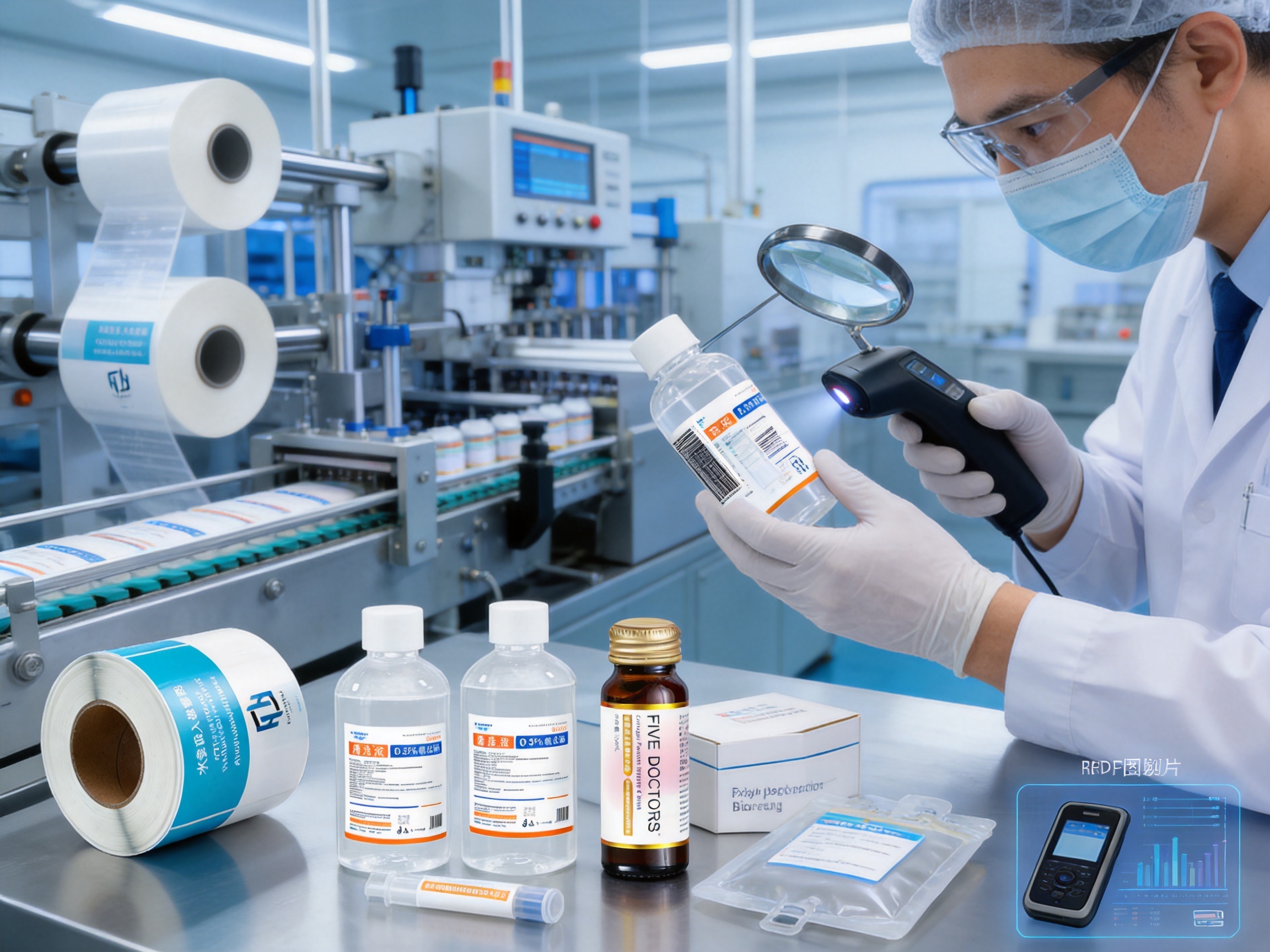
Medical and pharmaceutical containers require labeling solutions that perform reliably under conditions far more demanding than ordinary product packaging. Laboratory sample tubes, medicine storage bottles, bioreactor bags, cryopreservation boxes, and reagent containers may be exposed to refrigeration, freezing, liquid nitrogen, alcohol wiping, isopropanol cleaning, condensation, and frequent handling. At the same time, the information printed on each container must remain clear, readable, and securely attached throughout the product’s storage and use cycle.
Medical-grade container labels are developed to meet these demanding requirements. They combine carefully selected medical-grade plastics or special composite materials with food- and pharmaceutical-grade adhesives, durable printing technologies, and application-specific converting processes. The result is a labeling solution designed to support medical liquid safety, laboratory organization, pharmaceutical storage, and traceability management.
Shanghai Rongyang Industrial Development Co., Ltd. provides pressure-sensitive labels and RFID smart label solutions for healthcare, pharmaceuticals, laboratories, logistics, food and beverage, retail, and industrial applications. With integrated research and development, manufacturing, sales, and service capabilities, the company develops customized labels for customers that need dependable performance in complex operating environments.
This article examines the construction, performance, applications, manufacturing strengths, customization options, and quality considerations of medical-grade container labels. It also explains why a purpose-built healthcare label can provide important advantages over conventional paper labels or general-purpose adhesive stickers.
Why Medical Containers Require Specialized Labels
Labeling a medical container is not simply a matter of applying printed information to a surface. The label must remain functional while the container is exposed to temperature changes, moisture, chemical contact, vibration, friction, and repeated handling. A failure in the label can lead to illegible identification, lost batch information, incorrect sample recognition, or difficulties in inventory and compliance management.
Healthcare environments often involve a combination of severe conditions. A sample tube may be labeled at room temperature, placed in a refrigerator, transferred to a freezer, and eventually stored in liquid nitrogen. A pharmaceutical bottle may be repeatedly wiped with alcohol or isopropanol before entering a controlled area. A bioreactor bag may flex during filling, transport, and processing. A cryogenic box may be opened and closed many times while personnel inspect or retrieve stored samples.
Ordinary labels are frequently designed for dry, moderate-temperature environments. Their paper facestock can absorb moisture, their adhesives may lose tack at low temperatures, and their printed information may smear or fade when exposed to disinfectants. In contrast, medical-grade container labels are engineered around the real conditions of healthcare and laboratory work.
The label must also support safe and efficient information management. Depending on the application, it may carry a sample identification number, product name, lot number, expiry date, storage requirement, barcode, QR code, warning statement, or handling instruction. Every piece of information needs to remain visible and scannable for as long as the container is in service.
Core Construction of Medical-Grade Container Labels
Medical-Grade Facestock Materials
The facestock is the visible material that receives printed information. Medical-grade container labels can utilize medical-grade plastics or specialized composite materials selected for their stability, durability, and compatibility with the intended application. These materials are suitable for demanding storage and handling environments where ordinary paper or low-performance films may fail.
Plastic facestocks can provide improved resistance to moisture, tearing, abrasion, and repeated handling. Their smooth and stable surfaces also support clean, high-resolution printing. For laboratory tubes and pharmaceutical bottles, the facestock can be selected according to the container geometry, required flexibility, printing process, and expected exposure to chemicals or low temperatures.
Special composite materials may be used when the label must balance flexibility with dimensional stability. For example, a label applied to a curved tube needs to conform closely to the surface without lifting at the edges. A label used on a flexible bioreactor bag must tolerate movement and controlled deformation while maintaining a secure bond and readable information.
Pharmaceutical- and Food-Grade Adhesives
The adhesive is a critical component of a medical-grade label. A label may have an excellent facestock and high-quality printing, but it will not perform correctly if the adhesive cannot maintain contact with the container under actual storage conditions.
Medical-grade container labels can be produced with food- and pharmaceutical-grade adhesive systems selected for safe and reliable use on containers that hold pharmaceuticals, reagents, samples, or other controlled materials. Adhesive selection may take into account the container surface, application temperature, storage temperature, moisture exposure, disinfectant contact, and required permanence.
The adhesive must provide strong initial adhesion while also developing stable long-term bonding. This is especially important for small-diameter tubes, curved bottles, flexible bags, and cryogenic boxes. Poorly selected adhesive systems may wrinkle, lift, crack, or detach when the container moves between temperature zones.
For specialized applications, adhesive performance can be adjusted to support permanent adhesion, removable labeling, repositionability, or application to difficult surfaces. The correct selection depends on whether the label is intended to remain on the container throughout its useful life or be removed without leaving excessive residue.
Durable Printing Layers
Printing quality directly affects the usefulness of a medical label. Laboratory and pharmaceutical information must remain clear enough for visual reading and reliable enough for barcode or QR code scanning. Medical-grade container labels are designed to support sharp text, clean symbols, and consistent variable data printing.
Durable printing is particularly important when labels are repeatedly wiped with alcohol, isopropanol, or other common disinfectants. The printed layer should resist smearing, fading, or loss of contrast during routine cleaning. Printing specifications can be adapted to the information required, including serial numbers, manufacturing dates, expiration dates, batch codes, barcodes, two-dimensional codes, and regulatory statements.
Clear printing also improves operational efficiency. When technicians can quickly read a sample code or scan a barcode without replacing the label, the risk of manual transcription errors is reduced. This supports better sample management, inventory control, laboratory workflow, and traceability.
Performance in Refrigerated and Frozen Storage
Temperature is one of the most important performance factors for healthcare labels. Medical containers may be stored in refrigerated environments, conventional freezers, ultra-low-temperature freezers, or liquid nitrogen systems. Each condition can affect the label substrate, adhesive, ink, and container surface in different ways.
Refrigerated storage can create condensation when containers move between cold and warmer environments. Moisture may collect on the surface and weaken general-purpose adhesives. A suitable medical-grade label is designed to maintain adhesion and legibility despite this type of environmental change.
Freezing introduces additional challenges. Materials may become less flexible as temperatures fall, and differences in expansion and contraction between the label and container can create stress at the bond line. A purpose-built label uses materials and adhesives selected to help reduce lifting, cracking, or delamination during freezing and thawing cycles.
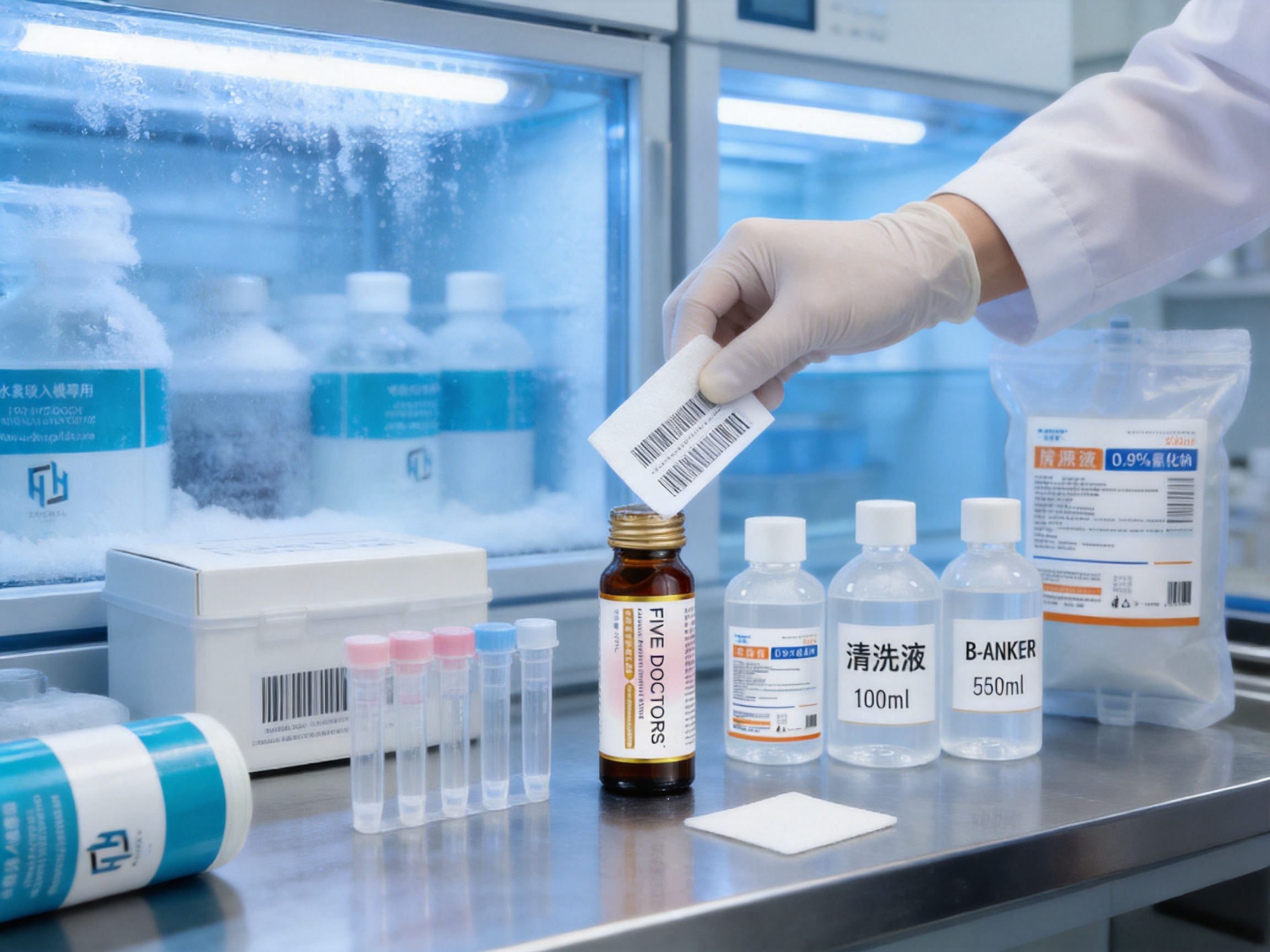
Liquid nitrogen storage is even more demanding. Ultra-low temperatures can make unsuitable films brittle and can cause ordinary adhesives to lose effective contact with the surface. Cryogenic labels must be selected and converted for the intended storage temperature and application method. When correctly specified, they help maintain the identity of samples and storage units under extremely cold conditions.
Resistance to temperature alone is not sufficient. The label should also remain readable after handling with gloves, movement between storage racks, repeated opening of boxes, and contact with condensation or frost. The combined performance of the facestock, adhesive, and printing system determines the reliability of the finished label.
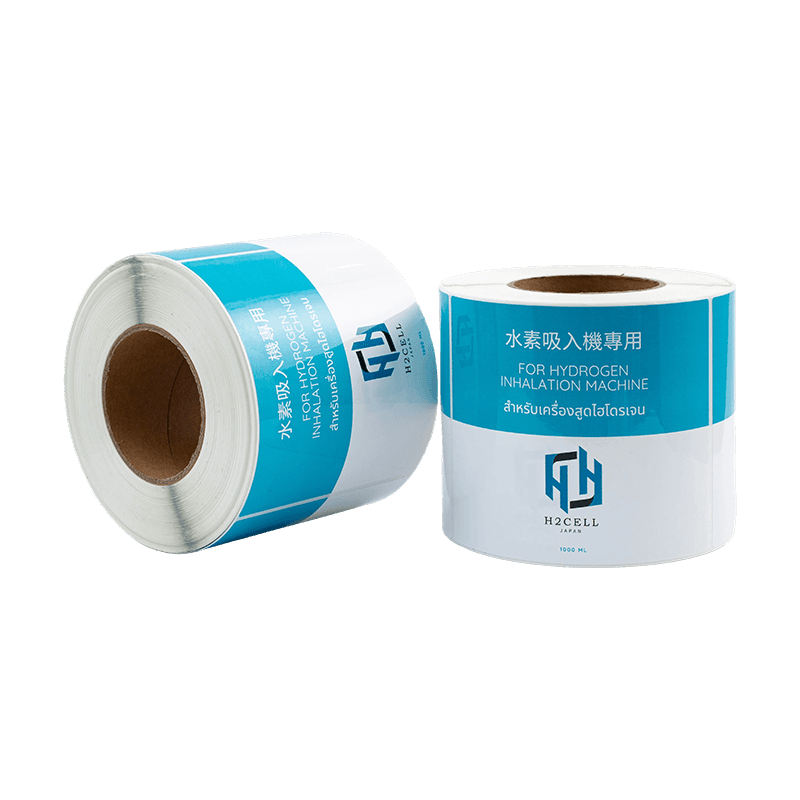
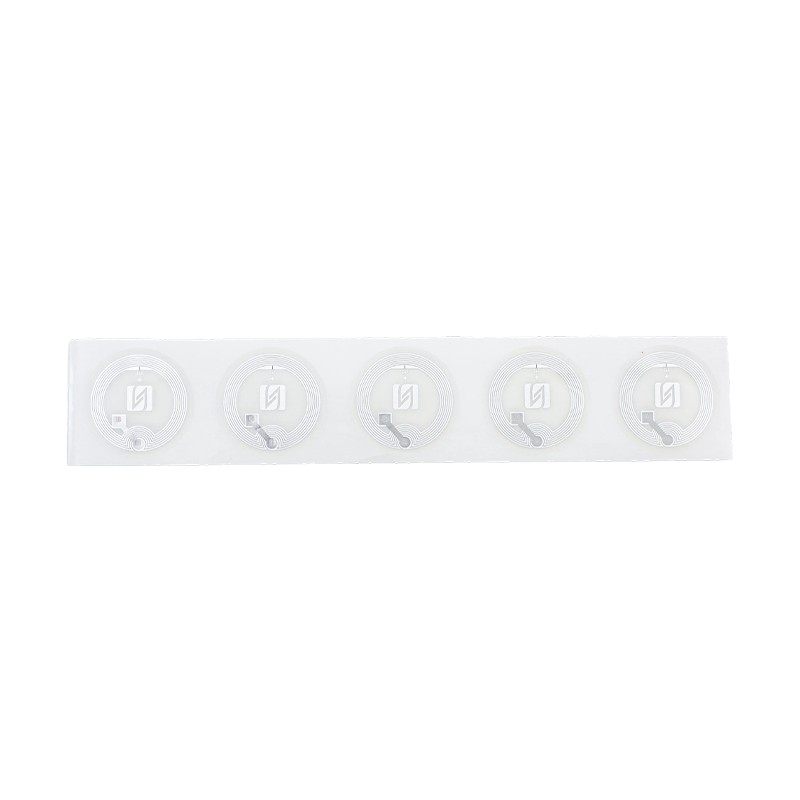
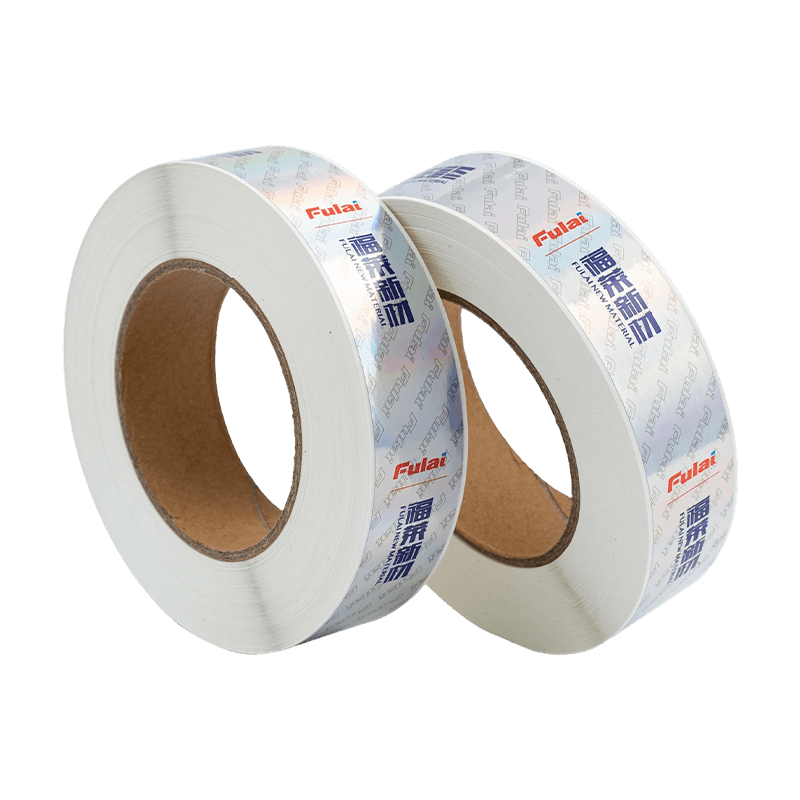
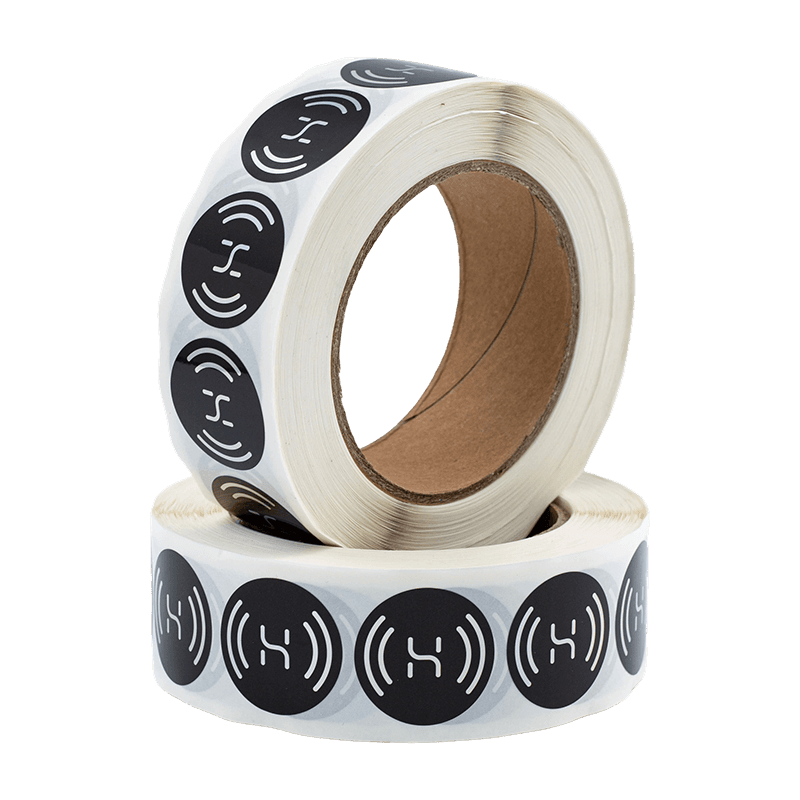
Medical-grade container labels
Resistance to Alcohol and Common Disinfectants
Disinfection is a routine part of pharmaceutical, laboratory, hospital, and biotechnology operations. Containers and equipment may be wiped repeatedly with alcohol, isopropanol, or other common cleaning agents before being moved into controlled areas or used in processing activities.
For a conventional label, repeated wiping can cause the printed information to blur, fade, or transfer onto a cloth. The adhesive may also soften or lose its bond, especially when the label is exposed to moisture at the same time. Once the label begins to lift, dirt and liquid can enter beneath its edges, accelerating failure.
Medical-grade container labels are designed to provide improved resistance to repeated disinfection. Their materials and printing systems help protect essential identification information during routine cleaning. The label can remain firmly attached while the printed text, barcode, or code stays visually defined.
Disinfectant resistance supports both safety and productivity. It reduces the need for relabeling, minimizes the possibility of lost identification, and helps staff follow established cleaning procedures without damaging the information needed for traceability.
Actual resistance depends on the specific disinfectant, concentration, wiping method, exposure duration, number of cleaning cycles, and storage temperature. For this reason, label specifications should be confirmed through application testing. A reliable manufacturer can help customers evaluate suitable materials and printing combinations for their cleaning protocols.
Key Advantages Compared with Conventional Labels
Better Environmental Adaptability
The most significant advantage of medical-grade container labels is their ability to perform across a wider range of environmental conditions. Conventional paper labels may be suitable for dry room-temperature storage, but they are more vulnerable to moisture, freezing, abrasion, and chemical contact.
Medical-grade labels use materials and adhesives selected for refrigeration, freezing, and ultra-low-temperature applications. They are also developed to tolerate the repeated wiping common in laboratories and pharmaceutical handling areas. This broader environmental adaptability helps reduce premature label failure.
More Reliable Adhesion
A label that detaches from a tube or bottle can create a serious traceability problem. Medical-grade container labels are designed to provide firm adhesion to appropriate surfaces, including selected plastics, glass, composite containers, and storage boxes.
Adhesive performance can be matched to the shape and material of the container. Small tubes, curved bottles, flexible bags, and flat boxes have different application requirements. Properly matched adhesive and label construction help reduce edge lifting, wrinkling, and accidental detachment.
Improved Information Retention
Healthcare labels must preserve information through storage, transport, cleaning, and handling. Durable printing helps keep product and sample data visible and scannable over time. This is particularly valuable for identification codes, batch records, expiry dates, and laboratory sample numbers.
Clear and durable information reduces the risk of misidentification. It also supports electronic record systems when barcodes or two-dimensional codes are used to connect physical containers with digital records.
Materials Appropriate for Sensitive Applications
Medical and pharmaceutical containers require greater attention to material safety than ordinary consumer packaging. Medical-grade plastics, special composite materials, and food- or pharmaceutical-grade adhesives can help support the requirements of applications involving pharmaceuticals, reagents, and biological samples.
Material selection should be based on the complete application, including container composition, contents, storage conditions, cleaning chemicals, and contact requirements. A qualified label supplier can help customers determine which materials and adhesive systems are most appropriate.
Reduced Operational Disruption
When labels fail, workers may need to stop operations, inspect records, reprint information, or replace labels. These activities consume time and can introduce additional handling risks. More durable labels reduce the frequency of such interruptions.
Reliable labels can support smoother sample intake, storage, retrieval, transport, and inventory auditing. They also help maintain organized storage environments where every container can be identified quickly.
Applications Across Healthcare and Life Sciences
Laboratory Sample Tubes
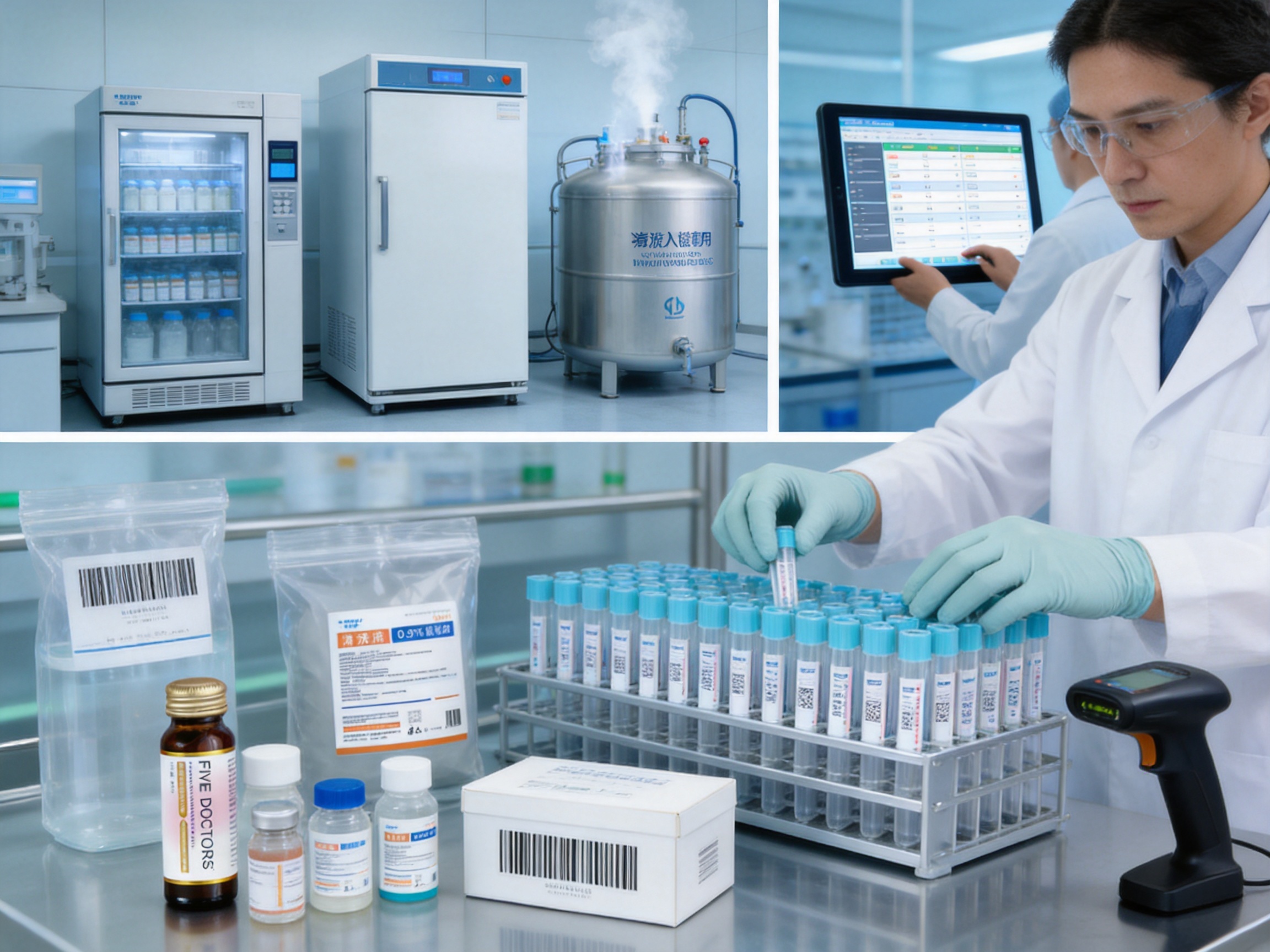
Laboratory sample tubes often carry critical information in a very limited space. The label may need to fit a narrow cylindrical surface while remaining readable and scannable. It must also resist condensation, refrigeration, freezing, centrifugation-related handling, and repeated contact with gloved hands.
Medical-grade labels can be designed in suitable dimensions for small tubes and vials. The material and adhesive can be selected to conform to the curved surface and maintain strong bonding during cold storage. Variable data printing enables each tube to receive an individual identification code, barcode, or sample reference.
Pharmaceutical Storage Bottles
Medicine storage bottles and reagent bottles require labels that remain clear throughout transportation, storage, dispensing, and use. The label may include product information, lot number, expiration date, dosage or handling guidance, and barcode data.
For pharmaceutical bottles, label construction can be selected according to whether the surface is glass, high-density plastic, polypropylene, or another material. The adhesive should remain stable under expected temperature and humidity conditions, while the printing should withstand normal cleaning and handling procedures.
Bioreactor Bags
Bioreactor bags and other flexible processing containers present a different challenge. The label must adhere to a flexible surface without excessive stiffness or premature edge lifting. It must tolerate movement as the bag is filled, handled, or connected to processing equipment.
Customized material selection and die-cutting can help the label conform to the bag surface. Printing can include process identification, batch information, equipment references, and scanning codes for manufacturing records.
Cryopreservation Boxes
Cryopreservation boxes and storage racks are used to organize samples in cold environments. Their labels need to remain attached and readable despite freezing, condensation, frost, repeated access, and mechanical handling.
Labels for cryogenic boxes can be manufactured in formats that support box identification, position marking, sample inventory, or rack management. Durable printing makes it easier for staff to locate and confirm stored materials without relying solely on handwritten markings.
Pharmaceutical and Research Reagents
Research reagents and pharmaceutical ingredients may be stored under controlled conditions and accessed repeatedly. Labels help document the identity, concentration, lot information, opening date, storage requirements, and expiration status of each container.
A durable label reduces the risk that important reagent information will be lost after repeated handling. When combined with barcodes or RFID technology, it can also support automated inventory systems and laboratory information management workflows.
Manufacturing Process and Quality Control
Application Analysis and Material Selection
A reliable medical-grade container label begins with a clear understanding of the customer’s application. The manufacturer should evaluate the container material, shape, diameter, surface energy, storage temperature, disinfectant exposure, expected label life, printing requirements, and application method.
Material selection is not a one-size-fits-all process. A label for a glass pharmaceutical bottle may require a different adhesive system from a label for a flexible bioreactor bag. A cryogenic tube label may require a different construction from a room-temperature reagent label. The most suitable solution balances performance, compliance requirements, print quality, cost, and production efficiency.
Precision Printing
Medical labels frequently contain small text, fine symbols, barcodes, and variable data. Precision printing equipment helps maintain consistent contrast, alignment, and registration. This is important for both human readability and automated scanning.
During production, print quality can be checked for clarity, density, position, and consistency. Variable information can be managed through controlled data workflows to reduce the risk of incorrect numbering or duplication. The chosen ink or printing system should be compatible with the required resistance to alcohol, isopropanol, moisture, and handling.
Die-Cutting and Converting
Die-cutting determines the final shape and dimensions of the label. Accurate cutting is essential for small tubes, narrow bottles, curved containers, and specialized storage boxes. Poorly controlled cutting can create uneven edges, excessive liner waste, or application problems.
Rongyang provides specialized die-cutting and customized label solutions for different industries. The label shape can be adapted to the available surface area, the required information, and the preferred application method. Rounded corners, narrow formats, wraparound designs, and custom contours may be considered where appropriate.
Adhesive Coating and Lamination
Adhesive coating must be controlled to achieve consistent coverage and performance. Too little adhesive may lead to poor bonding, while excessive adhesive can cause squeeze-out, contamination, or difficult handling during application.
Lamination or protective construction may be used when additional resistance is needed. The final structure should remain compatible with the container surface and the required temperature range. Quality control may include checks for coating uniformity, surface defects, layer bonding, and finished roll integrity.
Inspection and Testing
Quality assurance is essential for labels used in healthcare and life-science applications. Inspection can include visual checks, dimensional measurements, print verification, barcode testing, adhesive evaluation, and material inspection.
Depending on the project, performance testing may evaluate refrigeration, freezing, ultra-low-temperature storage, liquid nitrogen exposure, alcohol wiping, isopropanol wiping, moisture, abrasion, and repeated handling. Testing conditions should reflect the customer’s actual use environment as closely as possible.
Rongyang operates automated production lines, precision inspection equipment, and a structured quality control system covering raw materials, manufacturing processes, and finished products. This integrated approach helps maintain consistency across production batches and supports the requirements of customers with demanding quality expectations.
Integrated Manufacturing Strengths
Shanghai Rongyang Industrial Development Co., Ltd. is an integrated provider of pressure-sensitive labels and RFID smart labels. Its capabilities include research and development, manufacturing, sales, and service. This integrated structure allows the company to manage product development and production more closely than a supplier that only performs basic printing or trading activities.
The company serves customers in FMCG, food and beverage, pharmaceuticals, logistics, retail, industrial manufacturing, and other sectors. Experience across these industries supports a broad understanding of adhesive selection, printing, converting, traceability, and packaging workflow requirements.
Advanced automated production lines help support stable output, repeatable processing, and efficient large-volume manufacturing. Automation can improve consistency in printing, coating, slitting, die-cutting, inspection, and rewinding. It also helps reduce the variability that may occur with heavily manual production methods.
Precision inspection equipment supports the evaluation of finished labels and production parameters. For medical-grade container labels, consistent dimensions, clean printing, strong adhesion, and defect control are important factors in reliable application.
The company’s quality management approach covers the movement from raw materials to finished products. This helps create greater visibility over material batches, process controls, production inspection, and final delivery. Customers can benefit from a more coordinated development process when they need a label customized for a specific container or storage environment.
Certifications and Responsible Manufacturing
Rongyang was founded in 2008 and has obtained ISO 9001 and ISO 14001 certifications. ISO 9001 supports a structured quality management approach, while ISO 14001 addresses environmental management practices. The company has also passed the SMETA social responsibility audit.
These certifications and audits reflect the company’s broader commitment to controlled processes, continual improvement, environmental awareness, and responsible business practices. For international customers, such systems can provide additional confidence when evaluating a label manufacturing partner.
Rongyang operates production facilities in China and Malaysia. This manufacturing presence supports international customer requirements and provides greater flexibility for customers with regional sourcing, volume, or supply-chain considerations.
Customization Options for Medical-Grade Container Labels
Dimensions and Label Shape
Healthcare containers vary widely in size and geometry. A label may need to fit a small-diameter tube, a narrow vial, a flat storage box, or a flexible bag. Custom dimensions help maximize the available surface area while leaving space for container closures, inspection windows, or other markings.
Label shapes can be designed to support clean application and minimize edge lifting. Rounded corners may reduce the risk of catching during handling, while wraparound formats can increase the amount of printable area on cylindrical containers.
Variable Data and Barcode Printing
Medical and laboratory labels often require variable information. This may include sequential identification numbers, lot codes, batch numbers, expiration dates, sample references, or storage positions. Variable data can be integrated into the printing workflow so that each label carries the correct information.
Barcodes and two-dimensional codes can connect physical containers with digital records. The label supplier can help determine suitable code size, contrast, quiet zones, and placement based on the available area and scanning distance.
Color and Visual Identification
Color coding can help laboratory and pharmaceutical staff distinguish sample types, storage conditions, testing stages, or hazard categories. Color should be used consistently and in accordance with the customer’s internal procedures.
Medical-grade labels can combine color elements with clear variable information. The design should preserve readability and avoid reducing barcode contrast or confusing visually similar categories.
Removable and Permanent Adhesion
Some containers require labels to remain permanently attached, while others need labels that can be removed after use or changed during a process. Adhesive selection can be customized to support the intended lifecycle of the label.
Permanent labels are suitable when the identification record must stay with the container or package. Removable labels may be useful for temporary storage, equipment organization, sample staging, or reusable containers. The required removal behavior should be evaluated under the actual temperature and surface conditions.
RFID and Smart Label Integration
In addition to conventional pressure-sensitive labels, Rongyang provides HF and UHF RFID inlays, tags, and finished products. RFID can support automated identification, warehouse logistics, asset management, retail anti-theft systems, and smart manufacturing.
For healthcare and pharmaceutical operations, RFID may be considered when customers need non-line-of-sight identification, bulk reading, inventory automation, or improved asset visibility. RFID integration should be evaluated according to the container material, liquid content, operating frequency, read distance, data requirements, and system architecture.
A hybrid solution may combine human-readable printing, barcodes, and RFID in one finished label. This allows staff to visually confirm information while automated systems collect data electronically.
How to Select the Right Label Solution
The first step in label selection is to define the full operating environment. Customers should identify the lowest and highest temperatures, storage duration, exposure to condensation, cleaning chemicals, abrasion, and handling frequency. They should also explain whether the label will be applied before cooling or while the container is already cold.
The container material and surface geometry should be documented. Glass, polypropylene, polyethylene, metal, flexible film, and composite surfaces can have different adhesion characteristics. Curved surfaces and small diameters may require a more flexible facestock or a specially selected adhesive.
The label’s information requirements should be listed in advance. This includes text size, barcode type, code dimensions, color requirements, variable data, regulatory statements, and any need for serialization. The available print area should be compared with the amount of information that must be displayed.
Customers should also define whether the label is intended for direct contact with a pharmaceutical or reagent container, contact with an outer storage box, or identification of secondary packaging. This distinction can influence material selection and documentation requirements.
Application equipment is another important factor. Labels applied by hand may need a different roll format from labels applied by automated machinery. Core size, outer diameter, winding direction, label spacing, roll length, and release liner specifications should be matched to the customer’s equipment.
Finally, representative samples should be tested under actual conditions. Laboratory testing is valuable, but field simulation can reveal issues related to container handling, condensation, glove contact, rack friction, and repeated cleaning. A qualified label manufacturer can support sample development and testing before mass production.
Recommended Testing Considerations
| Test or Evaluation Area | Purpose | Typical Application Concern |
|---|---|---|
| Refrigeration exposure | Evaluate adhesion and print stability at chilled temperatures | Cold storage, condensation, and repeated handling |
| Freeze and thaw cycling | Assess material flexibility, bonding, and edge stability | Freezer storage and movement between temperature zones |
| Ultra-low-temperature exposure | Evaluate performance under extremely cold storage conditions | Cryogenic tubes, boxes, and liquid nitrogen storage |
| Alcohol wiping | Check resistance of the printed layer and adhesive | Routine disinfection with alcohol-based cleaners |
| Isopropanol wiping | Assess repeated cleaning durability | Laboratory and pharmaceutical preparation areas |
| Barcode verification | Confirm readability and scanning performance | Automated sample tracking and inventory systems |
| Adhesion evaluation | Check initial and long-term bonding to the container | Glass, plastic, flexible film, and curved surfaces |
| Dimensional inspection | Verify label size, shape, and registration | Small containers and automated application equipment |
Testing should be designed around the customer’s real process rather than relying solely on generalized claims. For example, a label may pass a short alcohol wipe test but require additional evaluation if it will be wiped hundreds of times over a long storage period. Similarly, a label may perform well in a static freezer test but require cycling tests if containers are frequently transferred between room temperature and frozen storage.
Traceability and Operational Safety
Traceability is essential in laboratories, pharmaceutical manufacturing, biotechnology, clinical research, and medical storage. A traceable container can be connected to a batch record, patient sample, testing result, storage location, or release status. The label is the physical link between the container and the information system.
When labels remain firmly attached and readable, staff can identify materials more confidently. This supports receiving, sampling, testing, storage, retrieval, transfer, and disposal activities. Clear labeling also supports audits and investigations by helping organizations reconstruct the history of a container or product.
Durability contributes directly to safety. If a label becomes illegible or falls off, workers may need to quarantine the material while its identity is investigated. In the worst case, an unidentified container may be mishandled or discarded. A label solution designed for the actual storage environment helps reduce this risk.
Barcodes, QR codes, and RFID can extend this benefit by reducing manual data entry. When identification is captured automatically, the likelihood of transcription mistakes may be reduced and inventory records can be updated more efficiently.
Sustainability and Production Efficiency
Environmental responsibility is increasingly important in label manufacturing and healthcare packaging. A durable label can support sustainability by reducing reprints, discarded containers, and wasted materials caused by premature label failure. Longer label life also reduces the need for repeated handling and replacement.
ISO 14001 certification reflects an organized environmental management approach within the manufacturing organization. Production efficiency, process control, material utilization, waste reduction, and responsible facility management can all contribute to improved environmental performance.
Material selection should nevertheless be evaluated carefully. Healthcare labels may require specialized films or adhesives because of their performance requirements. The most appropriate solution should balance safety, durability, regulatory expectations, production efficiency, and the customer’s sustainability objectives.
Efficient automated production can help reduce process variation and improve material utilization. Precision converting and inspection may also reduce defective output. When label dimensions and roll formats are optimized, customers can improve application efficiency and reduce packaging-line waste.
Why Choose an Integrated Label Manufacturing Partner
Purchasing medical-grade container labels from an integrated manufacturer offers advantages beyond the supply of printed stickers. A capable partner can participate in material selection, label structure development, sample testing, production planning, quality management, and delivery coordination.
Integrated research and development capabilities help address unusual requirements, such as ultra-low-temperature storage, difficult container surfaces, flexible bags, custom die-cutting, variable data, or RFID integration. Instead of forcing a standard product into an unsuitable application, the manufacturer can develop a more appropriate construction.
Manufacturing control supports repeatability. Customers in healthcare and pharmaceuticals often require consistent labels across multiple production orders. Stable processes, inspection systems, and controlled raw materials help reduce differences between batches.
International production capabilities can also support customers with global supply chains. Rongyang’s facilities in China and Malaysia provide a broader manufacturing base for customers seeking large-scale production and international service support.
The company’s experience in pressure-sensitive labels, RFID solutions, special-function labels, high-temperature-resistant products, removable labels, and specialized die-cutting allows it to serve both conventional and highly technical labeling projects.
Frequently Asked Questions
What are medical-grade container labels?
Medical-grade container labels are specialized labels designed for containers used in pharmaceutical, laboratory, biotechnology, and healthcare applications. They generally use suitable plastic or composite facestocks, food- or pharmaceutical-grade adhesives, and durable printing systems selected for challenging storage and handling conditions.
Can these labels be used in refrigerated and frozen environments?
Yes. Medical-grade container labels can be designed for refrigeration, freezing, and ultra-low-temperature storage. The exact performance depends on the selected facestock, adhesive, printing system, application temperature, storage temperature, and exposure duration. Testing should be completed for the specific application.
Are the labels suitable for liquid nitrogen storage?
Specialized constructions can be used for cryogenic applications, including liquid nitrogen storage. Cryogenic performance should be confirmed based on the container type, label application method, storage duration, temperature changes, and handling conditions.
Can the labels withstand alcohol and isopropanol wiping?
Medical-grade container labels are designed to resist repeated wiping with common disinfectants such as alcohol and isopropanol. Actual resistance depends on the disinfectant concentration, wiping frequency, exposure time, and printing system. Application-specific testing is recommended.
What types of containers can be labeled?
Typical applications include laboratory sample tubes, pharmaceutical storage bottles, reagent containers, bioreactor bags, cryopreservation boxes, storage racks, and other healthcare or life-science containers. The label construction can be adapted to glass, plastic, flexible film, composite, and other suitable surfaces.
Can variable data and barcodes be printed?
Yes. Labels can include serial numbers, lot codes, batch information, expiration dates, sample identification, barcodes, QR codes, and other variable data. Print layout and code size should be developed according to the available label area and scanning requirements.
Can the labels be customized in size and shape?
Yes. Custom dimensions, die-cut shapes, wraparound formats, narrow labels, rounded corners, and other configurations can be developed according to the container geometry and application equipment.
Are removable adhesive options available?
Removable or repositionable adhesive options may be available for applications where labels must be removed or changed. The required removal behavior should be tested on the actual container surface and under the expected temperature and storage conditions.
Can RFID be integrated with medical labels?
RFID integration may be considered for automated identification, inventory control, asset management, and supply-chain visibility. Rongyang supplies HF and UHF RFID inlays, tags, and finished products. RFID selection depends on the container material, liquid content, read range, frequency, and information system.
How should customers begin a label development project?
Customers should provide the container material and dimensions, storage temperature range, disinfectant exposure, required label life, application method, printing content, barcode or RFID requirements, estimated volume, and any applicable quality or compliance requirements. A manufacturer can then recommend materials, prepare samples, and support performance evaluation.
Conclusion
Medical-grade container labels are an important part of safe healthcare storage and traceability management. Their role extends beyond displaying information. They must remain attached, readable, and functional while containers are refrigerated, frozen, exposed to liquid nitrogen, disinfected with alcohol or isopropanol, transported, and repeatedly handled.
The combination of medical-grade plastics or special composite materials, suitable pharmaceutical- and food-grade adhesives, durable printing, precise converting, and application-specific testing helps create a label solution for demanding medical and laboratory environments. Compared with conventional labels, these products provide stronger environmental adaptability, more reliable adhesion, improved information retention, and better support for traceability.
Shanghai Rongyang Industrial Development Co., Ltd. combines research and development, automated manufacturing, precision inspection, quality management, pressure-sensitive label expertise, and RFID capabilities. Its certifications, international production facilities, and experience across healthcare, pharmaceuticals, logistics, food and beverage, retail, and industrial applications support the development of customized labeling solutions for customers worldwide.
For organizations managing pharmaceutical containers, laboratory samples, reagents, bioreactor bags, or cryogenic storage systems, the right label should be selected as carefully as the container itself. A well-designed medical-grade container label can help protect information, maintain operational continuity, improve storage organization, and strengthen the safety and traceability of medical liquid storage.
References
1. United States Pharmacopeia. General Chapter <661>, Plastic Packaging Systems and Their Materials of Construction.
2. International Organization for Standardization. ISO 10993, Biological Evaluation of Medical Devices.
3. International Organization for Standardization. ISO 9001, Quality Management Systems.
4. International Organization for Standardization. ISO 14001, Environmental Management Systems.
5. International Organization for Standardization. ISO/IEC 15415, Information Technology, Automatic Identification and Data Capture Techniques, Bar Code Symbol Print Quality Test Specification.
6. International Organization for Standardization. ISO/IEC 18000 series, Radio Frequency Identification for Item Management.
7. United States Pharmacopeia. General guidance related to pharmaceutical packaging, storage, labeling, and material suitability.
8. International Society for Pharmaceutical Engineering. Good practice principles for pharmaceutical packaging, identification, and supply-chain control.
9. Society for Protective Coatings and related technical standards. General considerations for adhesion, surface preparation, and coating durability.
Product: Medical-grade container labels


Messae Us Right Now!

- Quick Links
- Products
- Quality Control
- Our Story
- News
- Contact
- Our Product
-
- Beauty and Personal Care Labels
- Home cleaning and laundry care labels
- Liquor and Beverage Labels
- Food and dairy product labels
- Healthcare Labels
- Promotional and Interactive Labels
- Specialty and industrial solution
- Labels Thermal printing and logistics labels
- Anti-counterfeiting traceability and RFID Labels
- Contact us
- Tel:+86-573-86867861
- Phone:+86-18621872035
- E-mail:allen.men@rylabel.com
- Add:No. 111 Xincheng Road, Haiyan Economic Development Zone, Jiaxing City, Zhejiang Province


