
 English
 русский
 Español


Home / Author / Ayesha Rahman — Product After-Sales Service Manager / High-Temperature Resistant and Flame-Retardant Battery Labels for Safer Energy Systems
News

High-Temperature Resistant and Flame-Retardant Battery Labels for Safer Energy Systems
2026-10-23
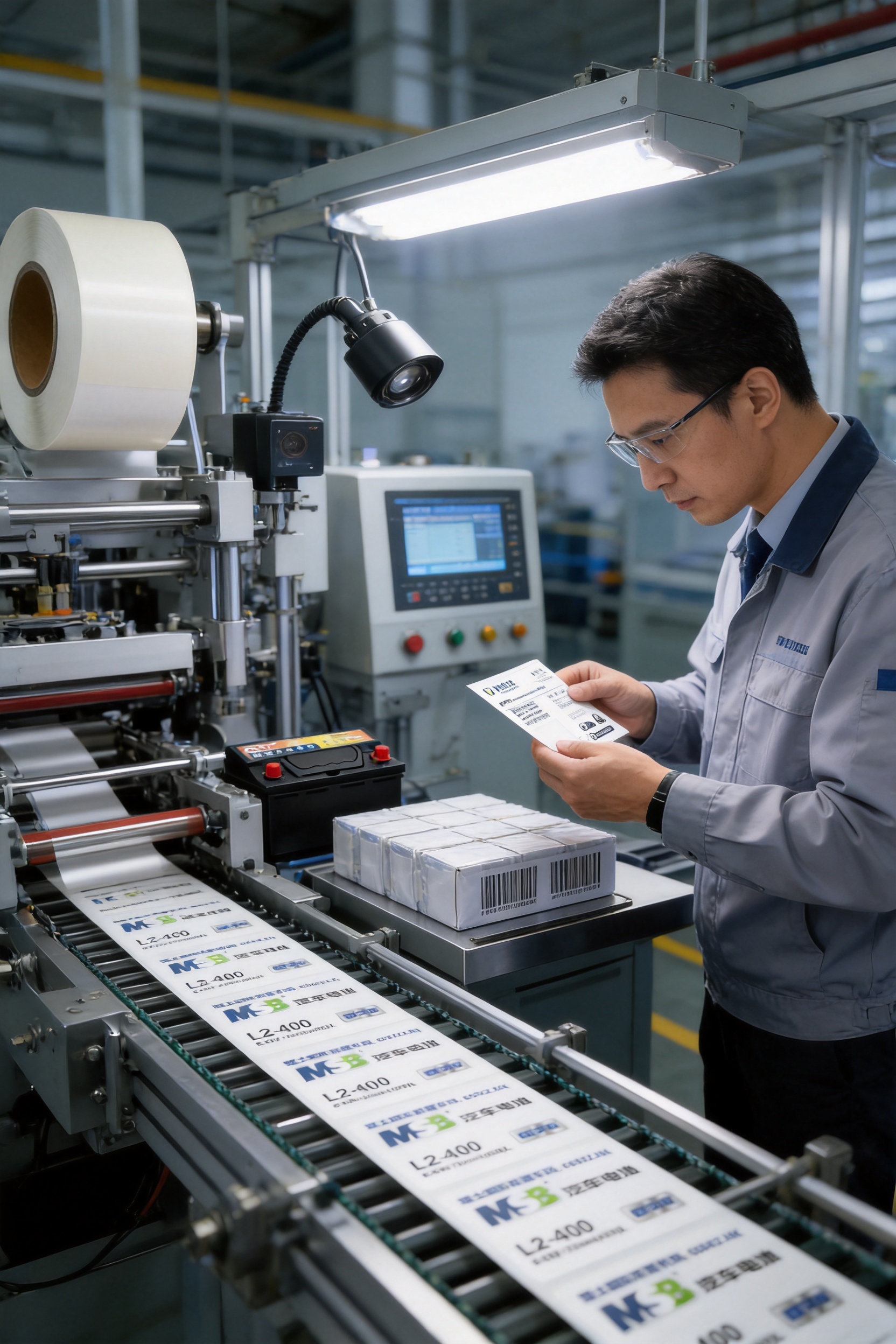
Introduction: Why Battery Identification Must Survive Extreme Conditions
Modern batteries are becoming more powerful, compact, and widely used. Lithium-ion batteries support electric vehicles, portable electronics, energy storage systems, power tools, medical devices, industrial equipment, and many other applications. As energy density increases, however, the consequences of overheating, internal short circuits, mechanical damage, manufacturing defects, and charging failures also become more serious. Battery packs require reliable safety management throughout manufacturing, transportation, installation, operation, maintenance, recycling, and incident investigation.
A battery label may appear to be a small component, but it performs an important information and traceability function. Model numbers, batch codes, electrical ratings, warning symbols, manufacturing dates, certification marks, and handling instructions must remain identifiable during the product’s service life. If a conventional paper or plastic label burns, curls, melts, detaches, or becomes unreadable during a high-temperature event, essential information can be lost precisely when it is most needed.
High-temperature resistant and flame-retardant battery labels are designed to address this challenge. Using a ceramic substrate or specially treated polyimide film in combination with high-temperature resistant silicone, these labels are engineered for demanding thermal environments. They can withstand extended exposure to temperatures of at least 150°C, while offering instant resistance to open flames or electric arcs reaching up to 1000°C under suitable conditions. Their purpose is not to prevent a battery failure, but to preserve critical identification and warning information when conventional labeling materials may no longer perform.
For lithium batteries, electric vehicle battery packs, energy storage systems, and high-energy-density consumer electronics, this type of label can provide a final layer of safety traceability. It supports production control, field maintenance, regulatory documentation, emergency response, quality analysis, and accident investigation. When combined with controlled printing, precise converting, strong adhesion, and rigorous inspection, the result is a specialized labeling solution rather than an ordinary sticker.
What Are High-Temperature Resistant and Flame-Retardant Battery Labels?
High-temperature resistant and flame-retardant battery labels are engineered identification labels made from materials selected for thermal stability, flame resistance, dimensional integrity, adhesion, and print durability. They are used on battery cells, modules, packs, chargers, control units, energy storage cabinets, and related equipment where labeling must remain functional under severe operating or emergency conditions.
The label construction generally includes several functional layers. The face material provides the main thermal and mechanical resistance. The adhesive creates a reliable bond with the battery surface, which may include coated metal, aluminum, painted steel, polymer housings, or other engineered materials. The printed layer carries variable and fixed information. Depending on the application, an additional protective coating or laminate may improve resistance to abrasion, chemicals, moisture, oils, and handling.
Ceramic substrates are suitable for applications requiring exceptional resistance to heat and flame. A specially treated polyimide film offers another combination of properties, including flexibility, dimensional stability, electrical insulation potential, and high-temperature performance. High-temperature resistant silicone adhesive can maintain bonding performance across temperature changes and on selected difficult surfaces.
The final construction must be selected according to the application rather than by material name alone. Important factors include the normal operating temperature, maximum short-term temperature, expected duration of exposure, surface energy, surface cleanliness, curvature, vibration, chemical contact, label dimensions, printing method, and required service life. A professional manufacturer can adjust the construction to balance thermal resistance with flexibility, adhesion, print clarity, and cost.
Core Performance Advantages
Long-Term Resistance at Temperatures of 150°C or Higher
Many ordinary pressure-sensitive labels are designed for room-temperature use or moderate industrial conditions. Their paper, film, ink, and adhesive systems may gradually soften, shrink, discolor, crack, or lose adhesion when exposed to elevated temperatures. In contrast, high-temperature battery labels are built for continuous or extended exposure at temperatures of at least 150°C, subject to the selected specification and validated application conditions.
This long-term thermal stability is valuable in locations near battery cells, busbars, power electronics, charging systems, thermal management components, and other heat-generating parts. A label that maintains its shape and print clarity helps preserve identification during normal operation, accelerated testing, maintenance, and transportation.
Thermal resistance also helps protect against repeated temperature cycling. Battery systems may experience heating during charging and discharge, followed by cooling during rest or storage. Repeated expansion and contraction can stress a label’s face stock, ink, adhesive, and substrate. A suitable high-temperature construction reduces the risk of premature lifting, edge curling, cracking, or loss of legibility.
Instant Resistance to Open Flame and Electric Arc Exposure
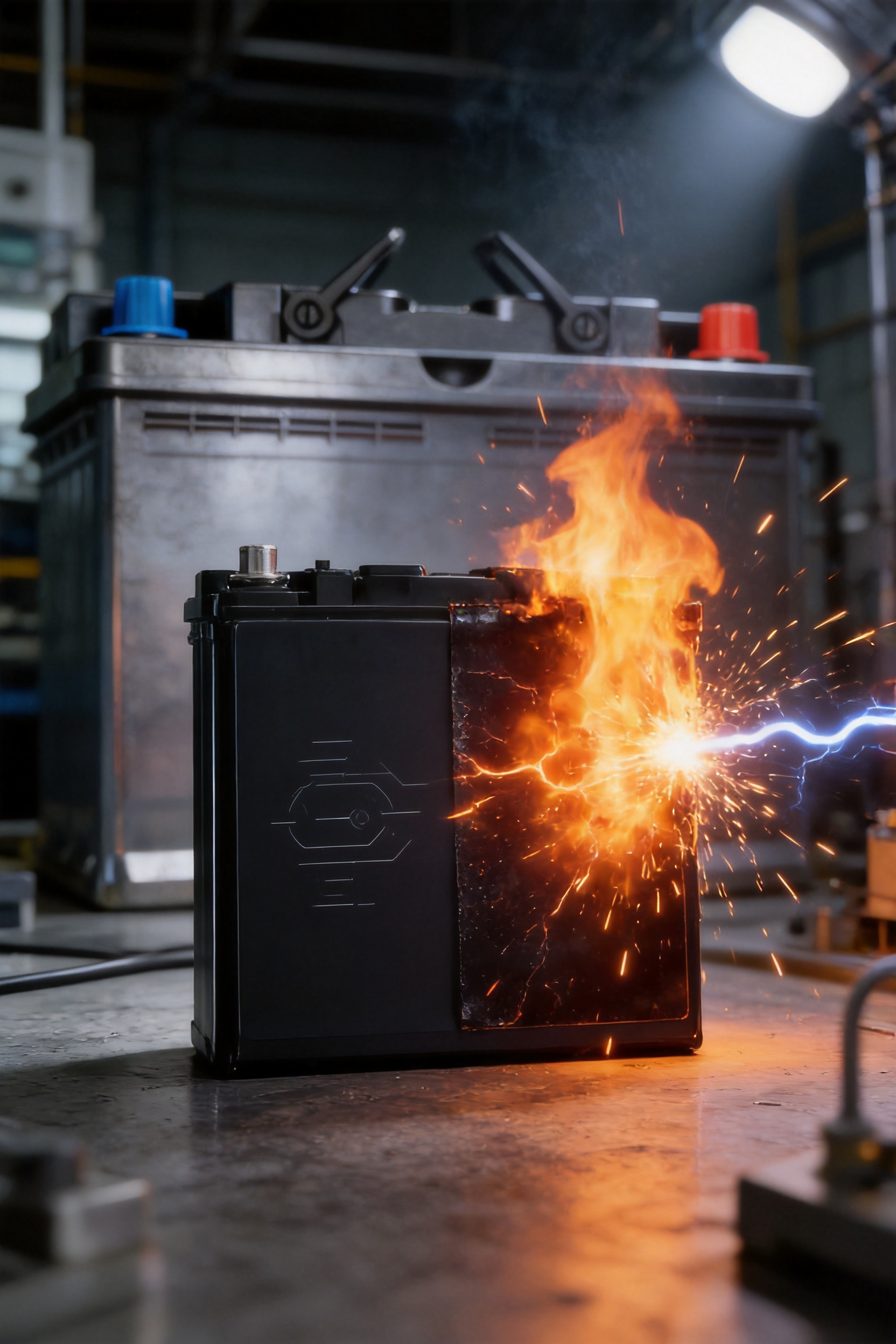
Battery incidents may involve localized flames, hot gases, sparks, or electric arcs. A conventional label may ignite, melt, drip, or disappear rapidly in such conditions. The ceramic or specially treated polyimide construction is intended to provide a significantly higher level of resistance to short-duration extreme heat. Under appropriate test conditions, the label can resist open flame or electric arc exposure up to 1000°C without burning or melting in the manner associated with ordinary label materials.
This characteristic is especially important for warning labels, identification labels, and traceability labels placed on battery modules and packs. During a thermal event, the label may be exposed to heat far above the battery’s normal operating range. The ability to retain its physical presence and recognizable printed information can support emergency personnel, technicians, investigators, and manufacturers.
Flame resistance should always be evaluated according to the complete label construction and the actual installation environment. The performance of a finished label can be affected by substrate thickness, print coverage, adhesive selection, mounting surface, exposure duration, flame direction, and surrounding components. For this reason, application-specific testing remains essential even when the base material has strong thermal properties.
Preservation of Critical Information
The principal value of a battery safety label is information preservation. Model numbers identify the product configuration. Batch numbers support manufacturing traceability and quality analysis. Warning information communicates hazards and handling requirements. Electrical ratings and certification marks help users and service personnel understand the equipment’s intended conditions.
During a serious failure, product surfaces can become discolored, contaminated, deformed, or partially damaged. If the label remains attached and legible, it may still reveal important information about the battery or pack. This can help technicians determine the correct service procedure, help warehouse personnel isolate affected goods, and help investigators link an incident to a manufacturing batch or product configuration.
Clear printing is therefore as important as thermal resistance. A label that survives physically but loses its characters is not performing its complete function. High-resolution printing, appropriate ink selection, controlled curing, and inspection of variable data are all necessary to ensure that the final label remains readable.
Reliable Adhesion on Difficult Battery Surfaces
Battery housings and components can present challenging bonding conditions. Surfaces may be smooth, textured, coated, anodized, painted, slightly oily, or contaminated by dust from production processes. Some components also have low surface energy or operate through repeated thermal cycling. Standard adhesive systems may not provide sufficient initial tack or long-term holding power.
High-temperature resistant silicone adhesive is selected for its ability to maintain performance across a wide temperature range. It can provide flexibility, accommodate certain levels of thermal movement, and support adhesion on selected metal, polymer, and coated surfaces. The correct adhesive grade depends on the battery housing material, application temperature, pressure during installation, and expected service environment.
Adhesion performance is also influenced by application technique. The mounting surface should be clean, dry, and free from release agents, oil, dust, and loose coatings. Adequate pressure should be applied during installation, and the label should not be stretched unnecessarily. A custom supplier can provide recommendations for surface preparation and application procedures.
Dimensional Stability and Mechanical Durability
Battery labels are often applied to curved surfaces, narrow spaces, or components exposed to vibration and handling. A label that shrinks excessively can expose the adhesive edge or distort printed information. A label that becomes brittle may crack during assembly. A label that is too flexible for the application may wrinkle or be damaged during installation.
Ceramic and polyimide-based constructions can offer strong dimensional stability when properly engineered. They can be converted into custom shapes and sizes, including small identification labels, elongated warning strips, serial-number labels, and die-cut components for complex battery geometries. Their mechanical characteristics can be selected to match the movement and installation requirements of the product.
Additional protection may be used where the label is exposed to abrasion, cleaning fluids, oils, electrolytes, moisture, or repeated contact during service. Protective coatings and laminates should be selected carefully because they must not undermine the thermal performance or readability of the finished construction.
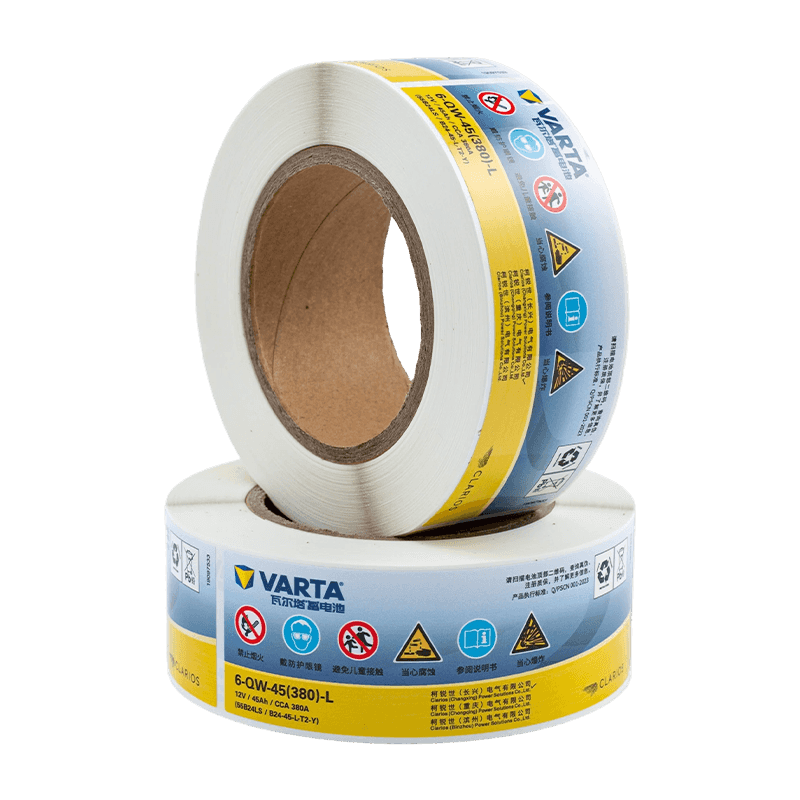
High-temperature resistant and flame-retardant battery labels
Applications Across Battery and Energy Industries
Lithium-Ion Battery Cells
Cell-level labels may carry model codes, production dates, batch information, polarity markings, safety warnings, or process-control information. These labels must fit within limited spaces and remain attached to cylindrical, prismatic, or pouch-cell components. The construction may need to accommodate curved surfaces, narrow edges, or contact with downstream assembly equipment.
At the cell level, labels can support internal manufacturing control and later identification. A stable label helps ensure that cells are not mixed between production batches or incorrectly installed in a module. For specialized applications, variable data such as serialized codes, barcodes, Data Matrix symbols, or QR codes may be included, provided that the selected printing method produces sufficient contrast and durability.
Electric Vehicle Battery Modules and Packs
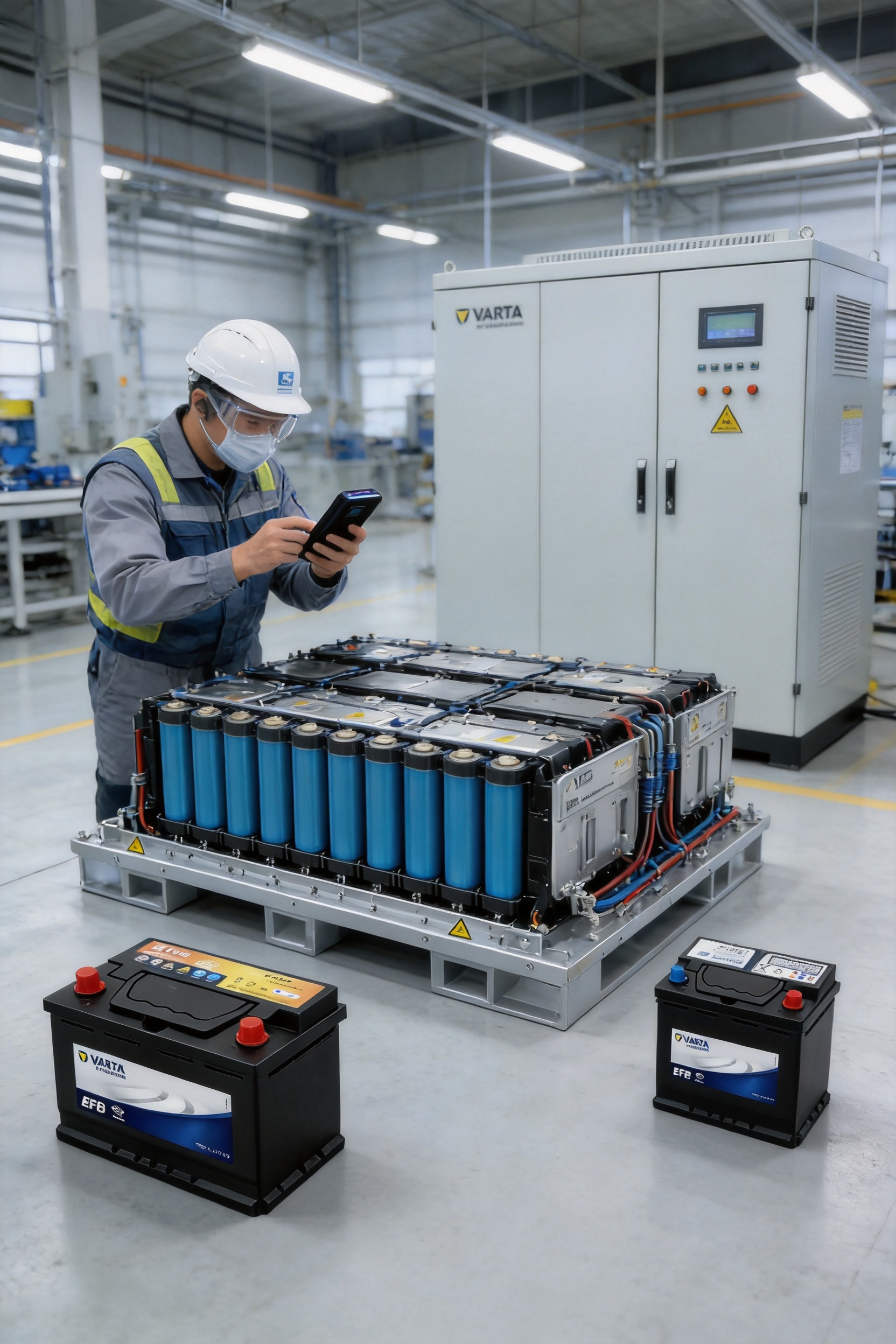
Electric vehicle battery packs combine many cells, electrical connections, cooling systems, structural components, sensors, and control devices. Identification labels may be installed on modules, pack housings, service disconnects, high-voltage components, and protective covers. These labels can communicate electrical hazards, service instructions, product information, and traceability data.
Vehicle battery environments can include vibration, road debris, moisture, temperature changes, cleaning chemicals, and long service periods. The label must therefore balance high-temperature performance with resistance to mechanical and environmental stress. In the event of a collision or thermal incident, the ability to retain model and warning information can assist emergency responders and qualified service teams.
Labels may also be used during pack assembly to identify module positions, cable routing, inspection stages, and quality checkpoints. Such process labels can be customized with serialized numbering, barcodes, color coding, or machine-readable symbols. When integrated with a manufacturer’s digital production system, they can support a complete record from component receipt through final vehicle assembly.
Energy Storage Systems
Stationary energy storage systems contain racks of battery modules, power conversion equipment, monitoring systems, cooling infrastructure, and safety controls. Identification and warning labels are required on individual modules as well as cabinets and service areas. Because energy storage installations may operate outdoors or in industrial buildings, labels may encounter humidity, dust, ultraviolet exposure, temperature variation, and maintenance activity.
High-temperature resistant labels can be used for battery rack identification, electrical hazard warnings, emergency shutdown instructions, and maintenance records. They can also support traceability for replacement modules and field-service activities. The label specification should reflect the installation environment, including whether additional resistance to water, ultraviolet radiation, oils, or cleaning agents is required.
Consumer Electronics and Portable Power Products
Portable electronic devices, power banks, laptops, charging products, and other consumer electronics use compact lithium batteries in confined spaces. These products may experience localized heat near charging circuits or power-management components. Although the external appearance may require a thin and precisely die-cut label, the safety information must remain legible throughout the product life cycle.
Small-format labels can include product model information, regulatory symbols, battery ratings, recycling marks, warnings, and production codes. Polyimide-based constructions are often useful where flexibility, thinness, and dimensional accuracy are important. The label can be designed to fit around housings, along narrow battery surfaces, or within assembly clearances.
Industrial Batteries and Power Equipment
Industrial batteries used in backup power, telecommunications, automation, robotics, forklifts, and renewable energy systems may operate under demanding conditions. Their labels can be exposed to heat, vibration, chemicals, dust, and frequent maintenance. Durable high-temperature constructions help maintain identification and safety information during long service periods.
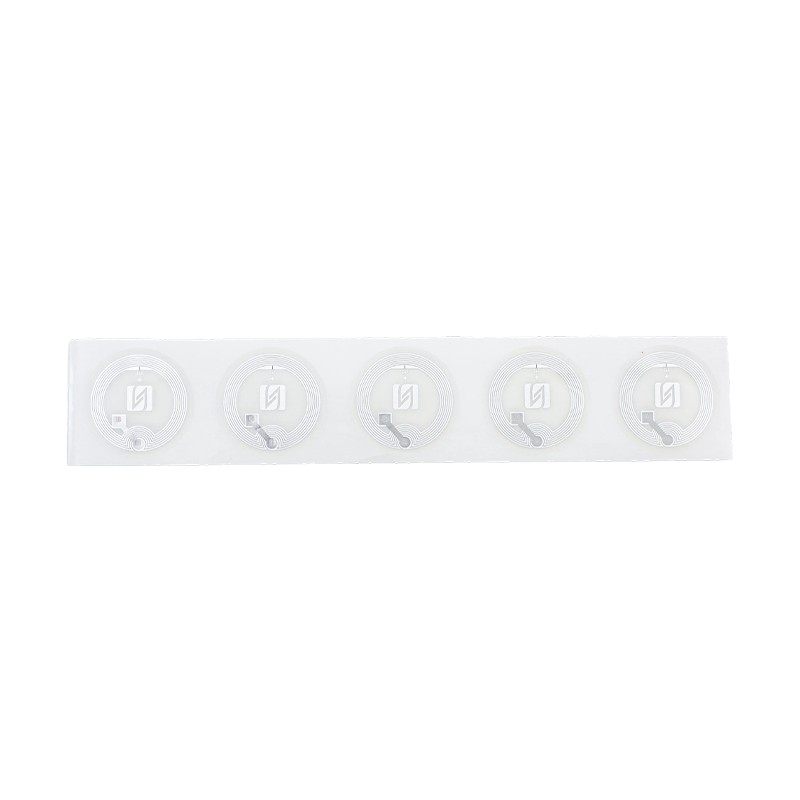
For industrial equipment, labels can also be integrated with asset-management programs. Serial numbers, equipment IDs, maintenance dates, and inspection codes can be printed or encoded to improve inventory accuracy. Where RFID is appropriate, a high-temperature label format may be combined with RFID technology, subject to antenna, substrate, and thermal compatibility requirements.
Material Technology: Ceramic Substrate and Specially Treated Polyimide Film
Ceramic Substrate
Ceramic substrates are valued for their resistance to heat, flame, and dimensional change. They can provide a stable base for information that must remain present under severe thermal conditions. Ceramic materials are particularly suitable for applications where short-duration flame exposure or very high localized temperature is a foreseeable risk.
The trade-off is that ceramic materials may be less flexible than polymer films. Design engineers must consider bending radius, handling procedures, edge geometry, and installation location. A ceramic construction may be ideal for a flat or gently curved battery housing but less appropriate for a sharply curved surface unless the material and dimensions are carefully selected.
Specially Treated Polyimide Film
Polyimide film is known for its thermal stability, electrical insulation properties, chemical resistance, and flexibility. Special treatment can improve its suitability for flame-retardant labeling and high-temperature applications. It may offer a practical balance between thermal performance and conformability, especially for compact electronic products and components with curved or irregular surfaces.
Polyimide labels can be produced in thin formats and converted into detailed shapes. They may support fine text, barcodes, warning symbols, and variable information. The printing system must be matched to the film surface to ensure strong ink adhesion and durable image quality.
High-Temperature Resistant Silicone Adhesive
The adhesive is a critical part of the label system. A high-temperature face material cannot compensate for an adhesive that softens, flows, carbonizes, or releases from the mounting surface. High-temperature resistant silicone is used because it can maintain adhesion across demanding thermal conditions and may accommodate differences in expansion between the label and the battery housing.
Adhesive selection should consider initial tack, ultimate adhesion, shear strength, peel strength, temperature range, surface energy, and chemical exposure. A label intended for clean metal may require a different adhesive construction from one intended for a painted polymer housing. The supplier should confirm the suitability of the adhesive with representative substrates and realistic environmental testing.
Manufacturing Process and Quality Control
Application Engineering and Material Selection
Production begins with understanding the customer’s application. Engineers review the battery type, substrate, label dimensions, information content, operating temperature, flame exposure risk, installation process, service life, and regulatory requirements. They may also examine sample parts or drawings to determine the best material combination.
This stage prevents a common problem in label purchasing: selecting a material only by its nominal temperature rating. A successful label must perform as a complete assembly. The face stock, adhesive, ink, protective layer, die-cut geometry, and installation method must work together. A professional manufacturer can recommend whether a ceramic or polyimide construction is more suitable and whether additional protective treatment is required.
Prepress and Artwork Control
Battery labels often contain small characters, warning icons, serial numbers, barcodes, and regulatory marks. Artwork must be prepared with accurate dimensions, correct color values, sufficient contrast, and appropriate quiet zones around machine-readable codes. Text should be checked for spelling, units, symbols, and version control before production.
Variable information requires additional control. Model numbers and batch codes must correspond to the customer’s manufacturing records. Serialized data should be checked for duplication, omission, sequence errors, and scan quality. Digital prepress systems can help maintain repeatability across large production runs while still supporting customized information.
Precision Printing
Printing technology is selected according to the material, quantity, image complexity, and information requirements. Screen printing may be suitable for bold, durable graphics and warning symbols. Digital printing can support variable data, short runs, and complex images. Other processes may be used for fine text, high-density codes, or specialized protective effects.
Ink selection is particularly important for high-temperature labels. The ink must adhere to the ceramic or polyimide surface and retain contrast after heat exposure. Printing parameters, curing conditions, and coating compatibility must be controlled. A label can fail its purpose if the substrate remains intact but the printed information fades, blisters, flakes, or becomes difficult to scan.
Lamination and Protective Finishing
Where required, a protective layer can be applied over printed graphics. This may improve resistance to abrasion, moisture, oils, solvents, and handling. The protective layer must be compatible with the base material and adhesive and must not reduce the label’s high-temperature performance.
Finishing options may include matte or gloss surfaces, selective protective coatings, colored backgrounds, serialized numbering, and machine-readable code optimization. The correct choice depends on the battery environment and the customer’s appearance and identification requirements.
Slitting, Die-Cutting, and Converting
Labels are converted to the required width, shape, and release format using precision slitting and die-cutting equipment. Battery labels may have holes, rounded corners, tabs, narrow sections, or custom contours that align with housing features. Accurate converting helps prevent interference with connectors, vents, fasteners, seals, and other components.
Die-cutting quality affects installation efficiency. Poorly controlled edges may cause lifting, delamination, or difficulty during automated application. A consistent release liner and stable spacing can support high-speed labeling lines and reduce waste during production.
Inspection and Testing
Quality control should begin with incoming raw materials and continue through finished-product inspection. Important checkpoints may include face-stock thickness, adhesive coating, color, print registration, character accuracy, barcode readability, die-cut dimensions, peel performance, and visual defects.
Thermal testing can evaluate appearance, adhesion, dimensional stability, and print legibility after exposure to specified temperatures. Flame or arc testing may be performed according to the customer’s test method or an applicable industry standard. Environmental testing can include humidity, chemical exposure, abrasion, vibration, and temperature cycling.
Testing should be based on the actual application. A laboratory result obtained with one construction and one mounting surface should not automatically be applied to every battery design. Representative samples, realistic exposure conditions, and documented acceptance criteria provide more meaningful evidence of performance.
Advantages Over Conventional Battery Labels
| Performance requirement | Conventional paper or general-purpose film label | High-temperature resistant and flame-retardant battery label |
|---|---|---|
| Extended elevated-temperature exposure | May shrink, soften, discolor, or lose adhesion | Engineered for long-term use at temperatures of at least 150°C, subject to specification |
| Open flame or electric arc exposure | May burn, melt, drip, or disappear | Ceramic or treated polyimide construction provides high resistance to short-duration extreme heat |
| Information retention during a thermal incident | Legibility may be lost | Designed to retain model, batch, and warning information under severe conditions |
| Thermal cycling | Repeated cycling can cause curling, cracking, or release | Stable materials and silicone adhesive support demanding thermal changes |
| Application on battery housings | Performance may vary on coated or low-energy surfaces | Adhesive construction can be selected for specific metals, polymers, and coatings |
| Customized traceability | Limited by printing durability and format | Supports customized variable data, serial codes, barcodes, symbols, and warning graphics |
The comparison shows why a specialized label may be justified even when a general-purpose label appears less expensive initially. The cost of the label is only one part of the total cost. A failed label can create production delays, rework, product identification problems, warranty complications, service errors, or difficulties during an accident investigation.
A specialized construction can also reduce the need for additional protective measures. For example, if a label remains stable without a separate metal plate or secondary marking process, the customer may save assembly time and reduce component count. The best solution depends on the battery design, but the value of information preservation should be considered alongside purchase price.
Customization Options for Battery Manufacturers
Format and Dimensions
Labels can be customized for cells, modules, pack housings, control units, chargers, and energy storage cabinets. Common formats include rectangles, circles, strips, flags, wrap-around designs, and precision die-cut shapes. Rounded corners can reduce the likelihood of edge lifting, while custom openings can accommodate screws, terminals, sensors, or ventilation features.
Printed Information
Customers can specify fixed and variable content, including model numbers, batch numbers, serial numbers, electrical ratings, warning statements, installation instructions, recycling symbols, manufacturer information, and inspection codes. Text size and contrast should be selected to meet the reading distance and regulatory requirements of the application.
Barcodes and Two-Dimensional Codes
Barcodes and two-dimensional codes can connect the physical battery to a digital manufacturing and service record. They may store a serial number, production date, material lot, test status, or maintenance history. For high-temperature applications, the code must be printed with sufficient density and contrast and tested after thermal and environmental exposure.
Color and Visual Identification
Color coding can help workers distinguish high-voltage areas, battery chemistry, module positions, inspection status, or service categories. Warning colors and symbols should remain visible under the expected lighting and environmental conditions. When color is used for safety communication, it should be supported by text or symbols so that the message is not dependent on color alone.
RFID and Smart Label Integration
Some battery and logistics applications require automatic identification rather than line-of-sight scanning. RFID labels can support warehouse management, asset tracking, return logistics, and service operations. RFID integration must account for the metallic and electrical environment of battery packs, which can affect read range and antenna performance. A qualified supplier can evaluate the inlay, placement, protective construction, and operating frequency for the intended use.
Benefits of an Integrated Label Manufacturing Partner
A capable label supplier should provide more than printing. Integrated research, development, manufacturing, sales, and service allow the supplier to manage material selection, artwork, converting, inspection, and delivery as one coordinated process. This reduces communication gaps and makes it easier to resolve technical issues.
Shanghai Rongyang Industrial Development Co., Ltd. provides pressure-sensitive labels, RFID smart labels, and customized functional label solutions for customers in China and international markets. Its product scope includes labels for consumer goods, food and beverage, pharmaceuticals, logistics, retail, industrial applications, and high-temperature environments. The company’s experience across different industries supports cross-application problem solving, particularly where a label must combine identification, durability, and specialized performance.
Advanced automated production lines can improve repeatability, output consistency, and production efficiency. Precision inspection equipment helps identify defects that may not be visible during casual manual checking. A stringent quality-control process from raw materials through finished goods supports reliable performance and consistent delivery.
The company also operates production facilities in China and Malaysia. This international manufacturing capability can help serve customers with larger volumes, regional supply requirements, and cross-border procurement programs. For battery manufacturers, supply stability is especially important because labels are often tied to production schedules and product traceability systems.
Rongyang was founded in 2008 and has obtained ISO 9001 and ISO 14001 certifications. It has also passed a SMETA social responsibility audit. These certifications and audits do not replace application-specific testing, but they demonstrate an organized approach to quality management, environmental management, and responsible business practices.
The company’s ability to produce both conventional pressure-sensitive labels and specialized solutions such as anti-counterfeiting, removable-adhesion, high-temperature-resistant, and precision die-cut labels allows customers to consolidate sourcing where appropriate. This can simplify supplier management while maintaining different constructions for different parts of a battery product family.
How to Specify the Correct Label
Define the Thermal Profile
Record the normal operating temperature, maximum continuous temperature, maximum short-term temperature, expected exposure duration, and number of thermal cycles. Also identify whether the label may encounter direct flame, hot gas, electrical arcing, or radiant heat. These details help determine whether ceramic, polyimide, or another construction is appropriate.
Identify the Mounting Surface
Provide information about the substrate, such as aluminum, stainless steel, painted metal, coated metal, plastic, composite material, or a flexible battery pouch. Surface roughness, coating type, curvature, and cleanliness can affect adhesive performance. If possible, provide representative substrate samples for testing.
Describe Mechanical and Chemical Conditions
State whether the label will experience vibration, impact, abrasion, water, humidity, oil, cleaning chemicals, electrolyte contamination, ultraviolet exposure, or pressure washing. A label designed for a protected internal module may require a different protective system from a label installed on an external battery enclosure.
Confirm Information and Scanning Requirements
List all required text, symbols, codes, colors, and regulatory marks. Identify the minimum character height, scanning distance, code format, and data volume. If variable data is required, define the data source, serialization rules, and inspection procedure.
Consider Application Equipment
Labels applied manually may use a different liner and dispensing format from labels applied by an automated machine. Define web direction, roll width, core size, winding direction, label spacing, and tolerance requirements. Clear production specifications help prevent interruptions on the customer’s assembly line.
Establish Acceptance Criteria
Agree on criteria for appearance, print clarity, code readability, dimensions, adhesion, thermal exposure, flame resistance, packaging, and quantity. A written specification provides a reference for both supplier and customer and supports repeat orders with consistent results.
Installation and Handling Recommendations
Before applying the label, confirm that the surface is clean, dry, and free from dust, grease, oil, moisture, and loose particles. If the surface has been treated with a release agent or protective coating, verify adhesive compatibility before full-scale production.
Apply the label at a suitable temperature whenever possible. Press the label firmly across the entire surface, paying particular attention to edges and corners. Avoid trapping air bubbles, stretching the label, or touching the adhesive excessively. Do not reposition the label repeatedly after contact has been established unless the adhesive system is specifically designed for repositioning.
Store labels in their original packaging in a clean, dry environment away from excessive heat, direct sunlight, and chemical vapors. Follow the supplier’s recommended storage conditions and shelf-life guidance. Improper storage can affect adhesive performance even when the label material itself has excellent thermal resistance.
During production, inspect the first pieces after application and after any heating, coating, or assembly process. Check for lifting, wrinkling, bubbles, print damage, and interference with adjacent components. Early inspection can prevent a small application issue from becoming a large batch problem.
Role in Safety Traceability and Accident Investigation
Battery safety depends on systems, processes, hardware, software, training, and documentation. A label cannot replace a battery management system, thermal protection device, enclosure, fuse, or emergency procedure. It does, however, provide a durable physical connection between a battery product and its records.
When model and batch information remains visible, a manufacturer may be able to identify affected production lots more quickly. Quality teams can compare incident data with process records. Service organizations can select the correct replacement part or maintenance instruction. Emergency responders may be able to recognize that a damaged enclosure contains a high-voltage battery system.
For these benefits to be realized, the information printed on the label must be accurate and linked to controlled records. The label should be included in the customer’s document-control process. Changes to model numbers, warnings, artwork, materials, or regulatory marks should be reviewed and approved before production.
Traceability can be strengthened by combining durable printed information with serialized barcodes, two-dimensional codes, RFID, and enterprise manufacturing systems. A physical label that survives harsh conditions provides a reliable entry point for retrieving digital information, including production history, test results, service records, and end-of-life instructions.
Frequently Asked Questions
1. What makes these labels different from ordinary battery stickers?
They use specialized face materials, adhesives, printing systems, and finishing processes designed for high-temperature and flame-exposure conditions. Ordinary labels may be suitable for general identification, but they can burn, melt, shrink, detach, or lose legibility in a battery thermal incident.
2. Can the labels withstand temperatures above 150°C?
The described constructions are designed for extended use at temperatures of at least 150°C, subject to the specific material combination and application conditions. The customer should confirm the required duration, temperature profile, mounting surface, and testing method before approval.
3. Can they survive a 1000°C open flame?
The material system is designed to resist short-duration open flame or electric arc exposure up to 1000°C without burning or melting in the manner of conventional label materials. Actual performance depends on exposure time, flame characteristics, label construction, installation surface, and the applicable test procedure. Application-specific validation is recommended.
4. Will the printed information remain readable after a thermal event?
The label is designed to maintain the clarity of model numbers, batch numbers, warnings, and other information under extreme conditions. Readability depends on the selected face material, ink, printing process, protective layer, exposure conditions, and information size. Print durability should be evaluated with representative samples.
5. Are these labels suitable for electric vehicle battery packs?
Yes. They can be developed for electric vehicle battery modules, pack housings, service disconnects, high-voltage components, and related equipment. The design should account for vibration, moisture, temperature cycling, chemicals, surface coatings, installation space, and emergency identification requirements.
6. Can the labels be used on cylindrical or curved battery surfaces?
Yes, when the material thickness, flexibility, adhesive, dimensions, and die-cut geometry are selected for the curvature. Specially treated polyimide film may be suitable for more conformable applications, while ceramic constructions may be preferred where maximum thermal resistance is more important than flexibility.
7. Can variable data and serial numbers be printed?
Yes. Model numbers, batch numbers, serial numbers, dates, barcodes, Data Matrix codes, QR codes, and other variable information can be incorporated. Data control and code verification are important for avoiding duplication and ensuring reliable scanning throughout the product life cycle.
8. Can the labels be combined with RFID?
RFID integration may be possible for asset tracking, warehouse management, service identification, and logistics. Because battery packs contain metal and electrical components that can affect radio performance, the RFID inlay and label location should be tested in the actual installation environment.
9. What surfaces are suitable for the silicone adhesive?
High-temperature silicone adhesives can be selected for certain metals, coated metals, plastics, and other battery housing materials. Surface preparation and compatibility testing are essential. The best adhesive depends on surface energy, roughness, coating chemistry, application temperature, and service conditions.
10. Can the labels resist chemicals and moisture?
Additional chemical, moisture, abrasion, or ultraviolet resistance can be designed into the label construction when required. Customers should specify the exact substances, concentration, contact time, temperature, and cleaning method so that a suitable protective layer and adhesive can be selected.
11. Are custom shapes and sizes available?
Yes. Labels can be produced in custom dimensions and die-cut shapes to fit battery cells, modules, pack housings, control units, and energy storage cabinets. Design files or physical samples help the manufacturer confirm clearances and installation requirements.
12. What information should be provided when requesting a quotation?
Provide the label dimensions, material preference if known, operating temperature, flame exposure conditions, mounting surface, environmental requirements, artwork, quantity, roll or sheet format, variable-data requirements, application method, and target delivery schedule. Representative samples are useful for technical evaluation.
13. Does ISO certification guarantee that every label will work in every battery application?
No. ISO 9001 and ISO 14001 certifications indicate structured quality and environmental management systems, but application performance still depends on the specific construction and use conditions. The finished label should be validated against the customer’s own requirements and test methods.
14. Can one label design be used for every battery model?
Not necessarily. Different battery models may use different housings, temperatures, coatings, curvature, warning requirements, and service environments. Standardizing where practical can improve efficiency, but each label should be reviewed for fit, adhesion, legibility, and thermal performance.
15. Why is a specialized label important during recycling or end-of-life handling?
Durable identification can help recyclers and service providers distinguish battery types, capacities, chemistries, and hazard classifications. Clear warnings and traceability codes can support safer sorting, transport, disassembly, and documentation at the end of the product’s useful life.
Conclusion
High-temperature resistant and flame-retardant battery labels are engineered safety and traceability components for demanding energy applications. Their value comes from the combination of thermally stable ceramic or specially treated polyimide materials, high-temperature resistant silicone adhesive, durable printing, precise converting, and controlled inspection.
Designed for lithium batteries, electric vehicle battery packs, energy storage systems, consumer electronics, and industrial power equipment, these labels help preserve model numbers, batch information, warning messages, and other critical data when ordinary labels may fail. Extended resistance at temperatures of at least 150°C and short-duration resistance to open flames or electric arcs up to 1000°C provide an additional level of information protection, subject to the selected specification and validated test conditions.
The strongest solution is not necessarily the thickest or most expensive label. It is the construction that matches the thermal profile, mounting surface, environmental exposure, information requirements, and manufacturing process of the battery product. A supplier with integrated research, automated production, precision inspection, customized converting, and international manufacturing capability can help turn those requirements into a repeatable, production-ready label.
For battery manufacturers, durable labeling should be considered part of the broader safety-management strategy. When physical identification remains available during operation, service, transportation, and incident investigation, it supports better decisions and stronger traceability across the entire battery life cycle.
References
International Organization for Standardization. ISO 9001: Quality Management Systems—Requirements.
International Organization for Standardization. ISO 14001: Environmental Management Systems—Requirements with Guidance for Use.
International Electrotechnical Commission. Standards and technical guidance for secondary cells, batteries, and battery safety.
United Nations. Recommendations on the Transport of Dangerous Goods: Manual of Tests and Criteria.
Society of Automotive Engineers. Technical guidance concerning electric vehicle battery safety and high-voltage identification.
Underwriters Laboratories. Technical requirements and evaluation principles for rechargeable battery systems and energy storage equipment.
International Organization for Standardization. Guidance concerning quality planning, traceability, and process control in manufacturing.
Manufacturer technical documentation for ceramic substrates, polyimide films, silicone pressure-sensitive adhesives, and industrial label converting.
Product: High-temperature resistant and flame-retardant battery labels



Messae Us Right Now!

- Quick Links
- Products
- Quality Control
- Our Story
- News
- Contact
- Our Product
-
- Beauty and Personal Care Labels
- Home cleaning and laundry care labels
- Liquor and Beverage Labels
- Food and dairy product labels
- Healthcare Labels
- Promotional and Interactive Labels
- Specialty and industrial solution
- Labels Thermal printing and logistics labels
- Anti-counterfeiting traceability and RFID Labels
- Contact us
- Tel:+86-573-86867861
- Phone:+86-18621872035
- E-mail:allen.men@rylabel.com
- Add:No. 111 Xincheng Road, Haiyan Economic Development Zone, Jiaxing City, Zhejiang Province


