
 English
 русский
 Español


Home / Author / Ayesha Rahman — Product After-Sales Service Manager / Supermarket Electronic Scales Thermal Printing Labels: Accurate, Efficient, and Reliable Fresh-Food Identification
News

Supermarket Electronic Scales Thermal Printing Labels: Accurate, Efficient, and Reliable Fresh-Food Identification
2026-10-25
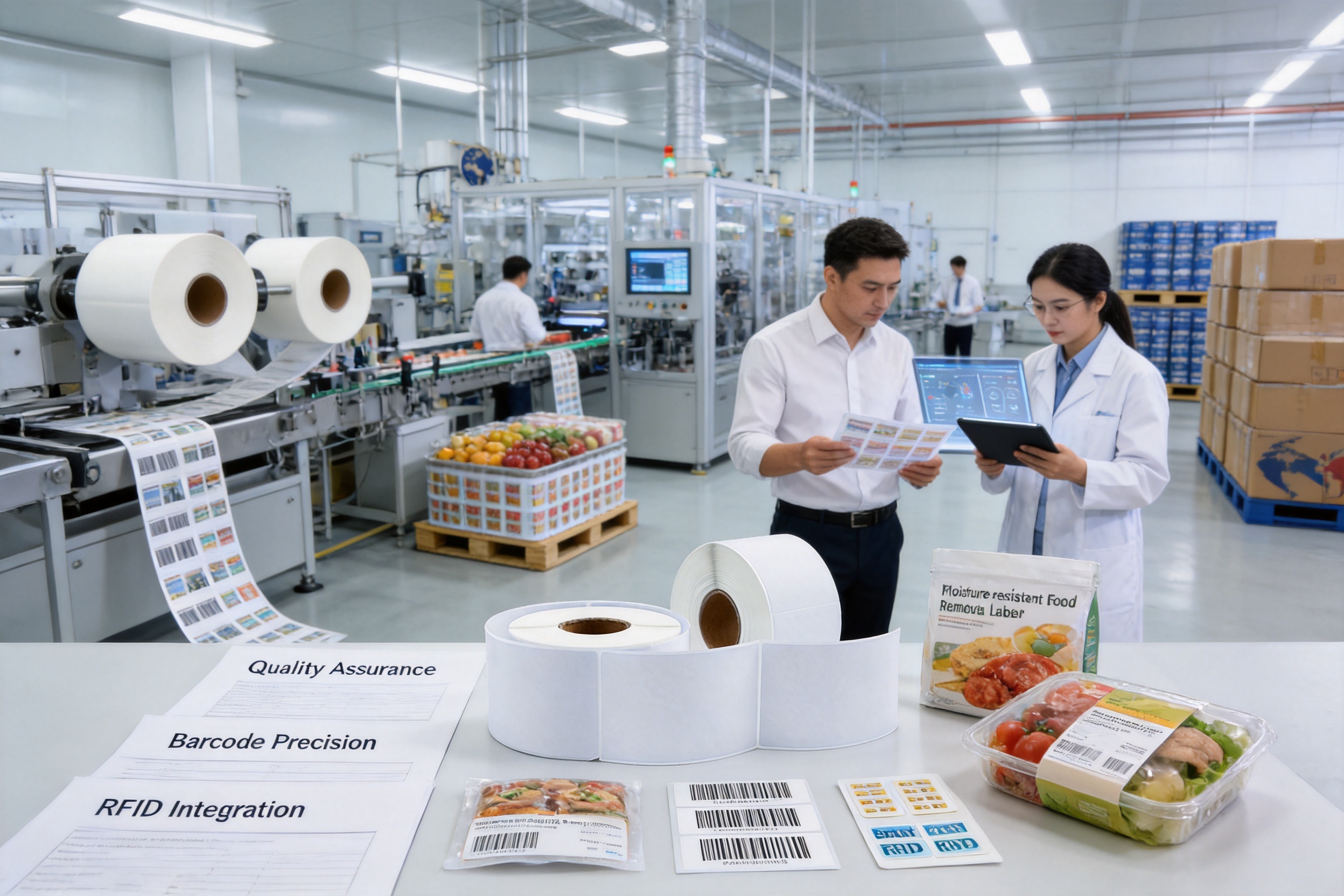
Supermarket fresh-food departments depend on speed, accuracy, and clear product information. Every day, fruits, vegetables, meat, seafood, bakery items, prepared foods, and other weighed products must be priced and identified quickly. A supermarket electronic scale thermal printing label is a small but essential component in this process. It connects weighing equipment, pricing systems, product information, checkout operations, and consumer communication in one practical label format.
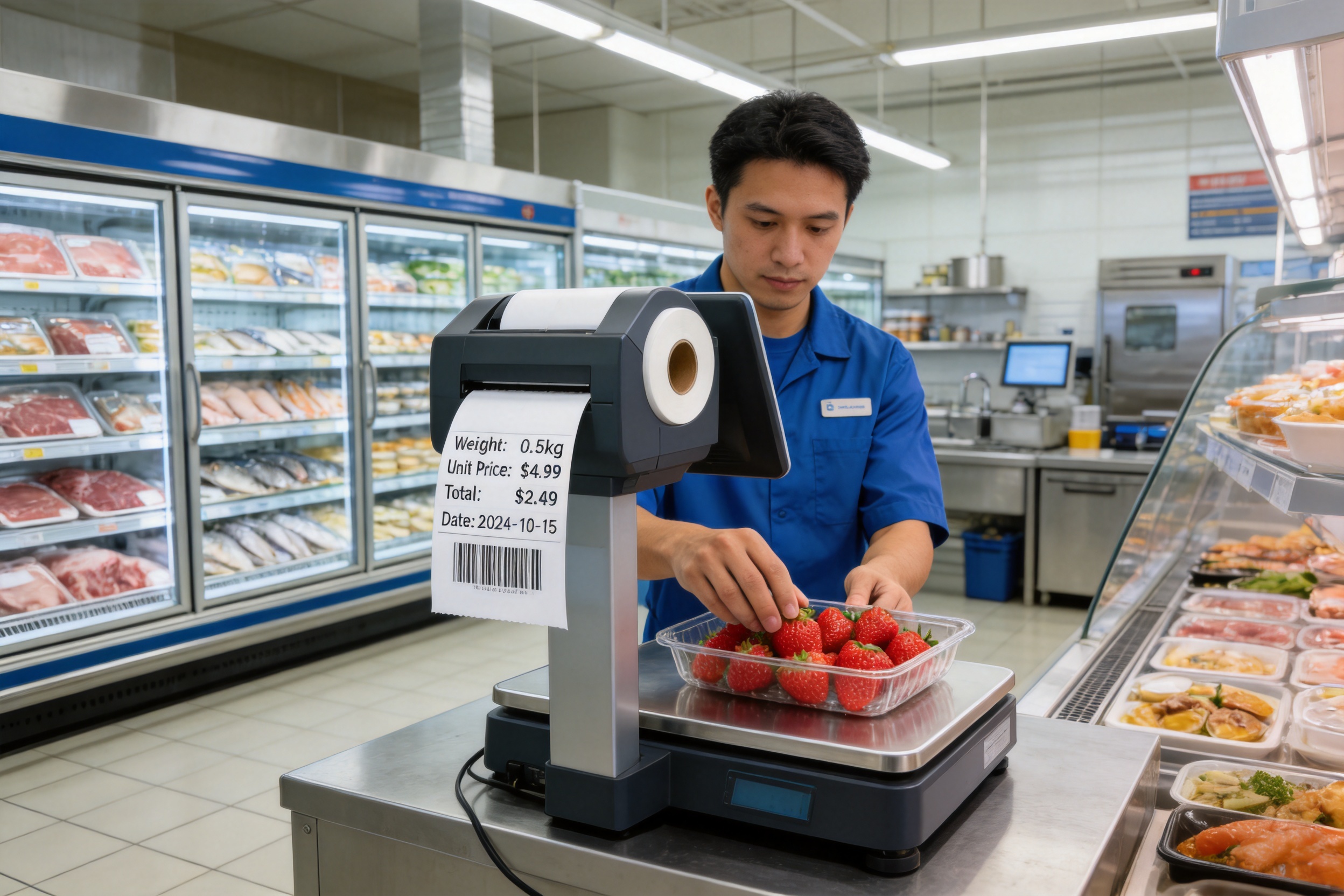
Unlike ordinary decorative stickers or pre-printed packaging labels, these labels are designed to be printed immediately at the point of sale or weighing. The label can display the product name, unit price, weight, total price, shelf life, traceability information, and barcode within seconds. This real-time capability helps retail employees process fresh goods efficiently while giving consumers clear information before purchase.
Manufactured by Shanghai Rongyang Industrial Development Co., Ltd., these thermal printing labels are developed for compatibility with universal supermarket electronic scales and standard thermal printing systems. Their practical construction, reliable adhesive backing, optional oil- and moisture-proof coatings, and flexible size options make them suitable for many types of fresh-food packaging. More importantly, they are supported by an integrated manufacturing system that includes research and development, automated production, precision inspection, quality control, and customized technical services.
1. The Role of Thermal Printing Labels in Modern Supermarkets
Fresh products are different from standardized packaged goods. A single product category may contain items with different weights, prices, production times, shelf lives, and traceability details. For example, two packages of the same type of fruit may have different weights and therefore different total prices. Meat and seafood may require batch information or a use-by date. Prepared food may need a short shelf-life indication and storage guidance.
Because these details change from package to package, printing labels during the weighing and pricing process is more efficient than preparing fixed labels in advance. The electronic scale calculates the relevant information, transfers the data to the thermal printer, and produces a label containing the required details. The label can then be applied directly to the package or container.
This workflow provides several operational benefits. It reduces manual writing, minimizes calculation errors, accelerates weighing, and creates a consistent information format. It also helps retailers maintain better product traceability because the barcode and other data can be generated from the same transaction information used by the scale or store management system.
For consumers, the result is greater transparency. Product names, weight, unit pricing, total pricing, and shelf-life information are visible in one place. A clear label supports faster decision-making at the shelf and smoother scanning at checkout. When the label remains readable despite contact with moisture or food residue, it continues to serve its purpose throughout the product’s movement from weighing station to shopping basket and checkout counter.
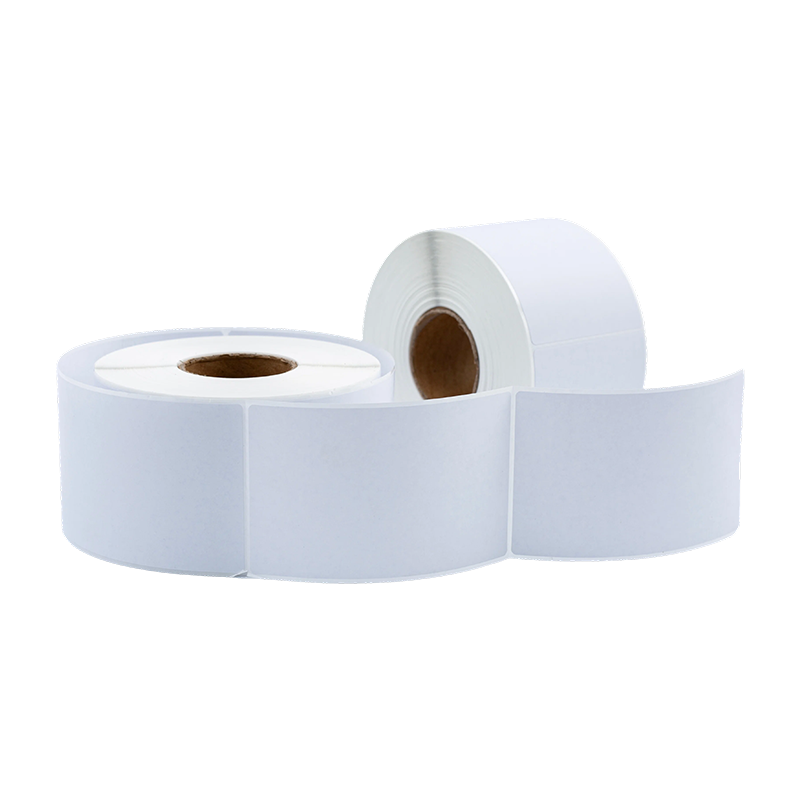
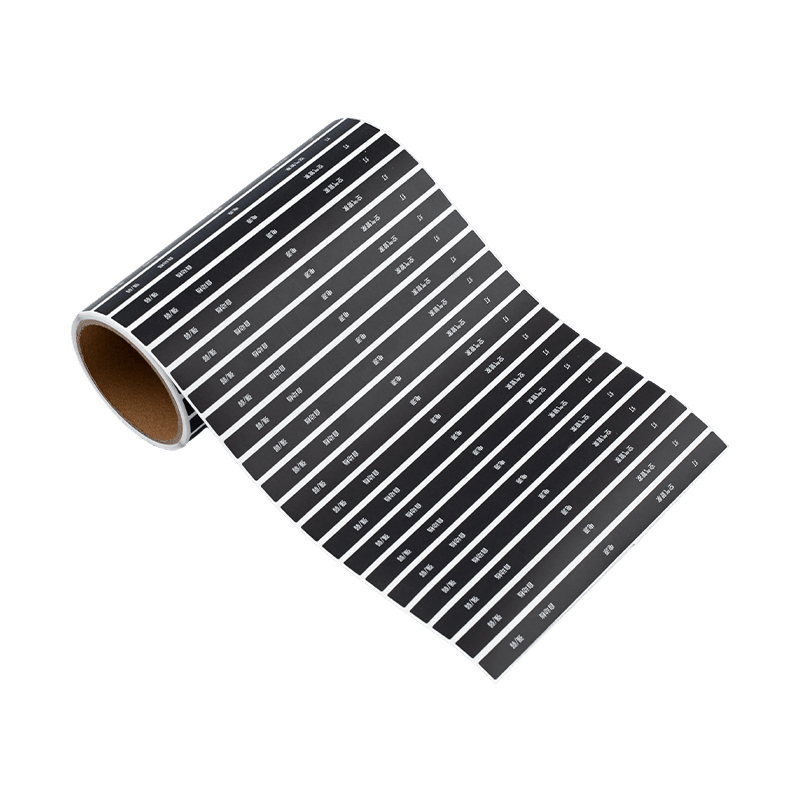
Supermarket Electronic Scales Thermal Printing Labels
2. Product Overview and Core Functions
Supermarket electronic scales thermal printing labels are pressure-sensitive labels produced for use with thermal printing equipment. Their primary function is to receive information printed by a compatible electronic scale without the use of ink ribbons or liquid ink. The thermal print head applies heat to specially treated thermal paper, creating sharp text, numbers, symbols, and barcodes at high speed.
The label format is designed around the information requirements of fresh-food retail. Depending on the retailer’s software, scale configuration, and label size, the printed content can include:
Product name and product code.
Unit price and selling unit.
Net weight or quantity.
Total transaction price.
Weighing date and time.
Production date or packaging date.
Shelf life, best-before date, or use-by date.
Traceability barcode or product identification barcode.
Store information, department information, or promotional messages.
Additional symbols, handling information, or internal management data.
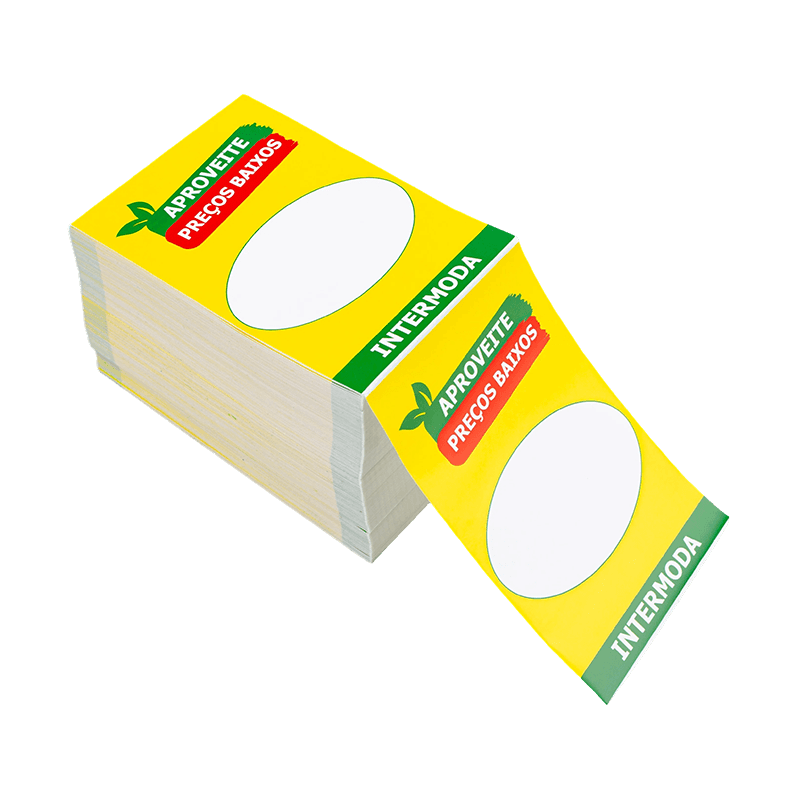
The label may be supplied in rolls, fan-folded formats, or other configurations according to the requirements of the electronic scale. Different widths, lengths, core sizes, adhesive types, and surface treatments can be selected for specific applications. This makes the product suitable for small neighborhood supermarkets, large retail chains, central kitchens, food processors, convenience stores, and other operations that weigh and price products on demand.
2.1 Instant thermal printing without ink consumption
One of the most important advantages of thermal printing labels is their compatibility with ink-free printing. Because the image is created by heat-sensitive material, the supermarket does not need to manage ink cartridges or ribbons for ordinary printing. This simplifies equipment operation and can reduce routine consumable replacement.
Thermal printing also supports fast output. In a busy fresh-food department, employees may need to weigh and label many packages continuously. A label that prints quickly and feeds consistently helps reduce queues and supports efficient preparation during peak shopping periods, weekends, holidays, and promotional events.
The thermal surface is designed to produce high-contrast text and sharp codes when used with suitable printer settings. This is especially important for barcodes, because a barcode must retain clear lines and spaces for reliable scanning. Clear printing also improves manual reading by staff and consumers.
2.2 Comprehensive information in a compact format
A good electronic scale label uses limited space efficiently. It places the most important product and pricing information where it can be read quickly, while reserving enough room for a barcode or traceability code. A properly configured label can replace several separate stickers or handwritten notes.
This one-label information display improves consistency across products. Staff do not need to write the weight or price manually, and consumers do not need to compare separate pieces of information on different parts of a package. When the product information is generated directly from the weighing system, the possibility of transcription mistakes is reduced.
2.3 Strong adhesion for different packaging surfaces
Fresh-food packages are made from many materials. Plastic bags, trays, film-wrapped containers, paperboard packs, rigid food containers, and coated surfaces may all require labeling. The label therefore needs a dependable adhesive system that can bond securely under ordinary retail conditions.
The labels are available with reliable adhesive backing designed to attach to common packaging carriers. Proper adhesion helps prevent labels from lifting, curling, sliding, or detaching during handling. It also helps preserve the connection between the label and the product, which is essential for pricing, inventory control, and traceability.
Adhesive selection can be adjusted according to the application. Factors may include the type of packaging material, surface energy, storage temperature, expected handling time, and whether the label must remain permanently attached. Customized solutions can help retailers balance initial tack, final adhesion, removability, and resistance to environmental conditions.
2.4 Optional oil- and moisture-resistant performance
Fresh ingredients can create difficult labeling conditions. Meat, seafood, fruit, vegetables, sauces, oils, and condensation may come into contact with the label surface or its edges. Ordinary uncoated paper can become less readable when exposed to moisture or greasy substances.
Some models include an oil- and moisture-proof coating to help protect the printed information. This coating supports clearer text and barcode visibility when the label is used around fresh ingredients. It can also help preserve the appearance of the label during refrigerated storage, transport, display, and checkout.
Resistance requirements vary by product category. A dry bakery item may need a different surface treatment from chilled seafood or freshly prepared food. The availability of coated and uncoated options allows buyers to choose a specification that matches actual operating conditions instead of paying for unnecessary features or accepting insufficient protection.
3. Advantages Compared with Conventional or Lower-Performance Labels
Thermal printing labels designed specifically for supermarket electronic scales provide advantages over generic stickers, handwritten tags, and poorly matched thermal materials. These advantages are not limited to the label itself. They influence the complete process from weighing and pricing to checkout, stock control, and customer communication.
3.1 Greater speed than handwritten identification
Handwritten labels require employees to record product information manually. This takes time, particularly when the worker must calculate the price, write multiple details, and prepare several packages. Handwriting may also vary in size and clarity, making it harder for customers or checkout operators to read.
Electronic scale thermal printing labels automate much of this work. The scale calculates the transaction and prints the information in a consistent format. The employee can focus on weighing, packaging, and attaching the label rather than repeatedly writing the same information. Faster labeling improves throughput and helps the retailer respond to customer demand.
3.2 Lower risk of pricing and data errors
When weight, unit price, and total price are written manually, errors may occur during calculation or transcription. A misplaced decimal point or incorrectly copied product code can cause customer complaints, inventory discrepancies, and additional work at checkout.
When the label is connected to an electronic weighing and pricing workflow, the printed data can be generated automatically. This does not eliminate the need for accurate product databases and proper equipment configuration, but it significantly reduces routine manual entry. The result is a more controlled information chain from the scale to the package and checkout system.
3.3 Better barcode readability
Barcode clarity is a critical difference between a purpose-developed thermal label and a low-quality generic label. A barcode with uneven printing, weak contrast, blurred edges, or unsuitable dimensions may scan slowly or fail to scan. Repeated scanning problems create delays and require manual intervention.
High-quality thermal paper and controlled production support sharp printing. When the material is correctly matched to the scale printer and barcode format, the printed code is easier for scanners to recognize. Clear barcodes support quicker checkout, more reliable inventory movement, and improved traceability.
3.4 Improved resistance in fresh-food environments
Generic paper labels may perform adequately in dry environments but lose clarity when exposed to condensation, oil, or wet packaging. The availability of protective coatings gives retailers a practical alternative for products with more demanding conditions.
Oil- and moisture-resistant options help protect printed information without requiring a completely different labeling workflow. This is particularly useful for seafood counters, meat departments, chilled prepared foods, fresh produce, and other areas where the package may be exposed to water or food residue.
3.5 More flexible than fixed pre-printed labels
Pre-printed labels are useful when all package information remains constant, but they are less flexible for weighed goods. They may require an additional sticker for weight and price, or they may become obsolete when the price, shelf life, or product information changes.
Thermal printing labels allow each package to receive updated, transaction-specific data. Retailers can modify prices, promotional details, expiration periods, and traceability information through their software and scale systems. This flexibility is valuable when product prices change frequently or when different store departments use different labeling rules.
3.6 Reduced consumable complexity
Thermal printing eliminates the need for conventional ink in the printing process. This can simplify procurement, storage, equipment maintenance, and daily operation. Store personnel can focus on replacing label rolls and maintaining the scale printer rather than monitoring ink levels or changing ink cartridges.
For multi-store retail groups, standardizing label specifications can also make purchasing and inventory management more efficient. Appropriate roll dimensions and packaging configurations can be selected for the equipment used across different locations.
4. Application Areas Across Fresh Retail
The labels are designed for a wide range of retail situations where products are weighed, priced, or identified at the time of sale.
4.1 Fresh produce
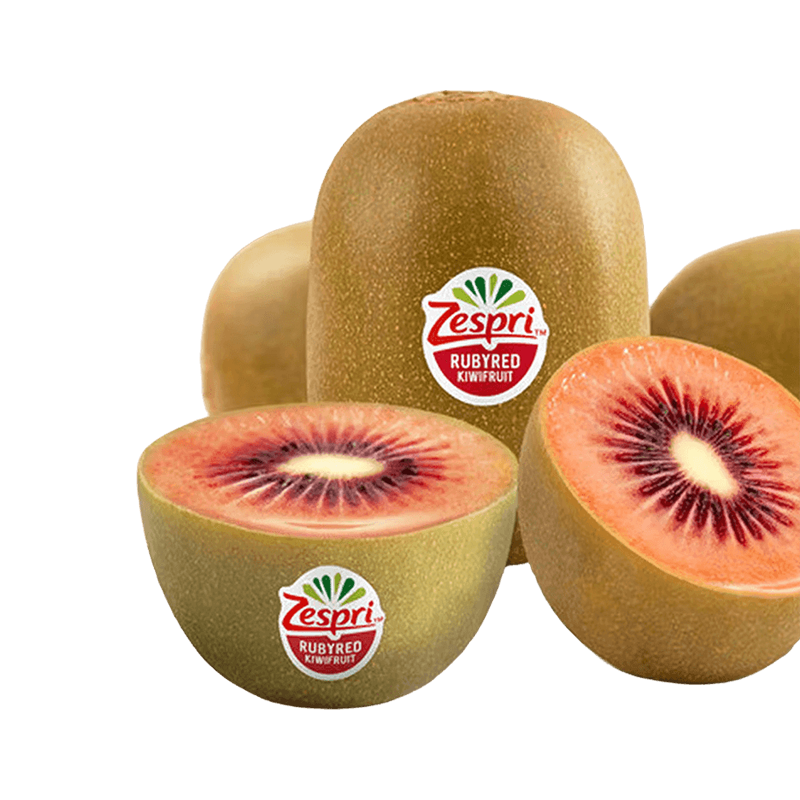
Fruits and vegetables frequently vary in weight and may be packed in plastic bags, trays, or containers. The label can display the product name, weight, unit price, total price, and shelf-life or packaging information. A moisture-resistant version is useful where produce is misted, refrigerated, or exposed to condensation.
4.2 Meat and poultry
Meat and poultry packages often require clear pricing, weight, packaging date, use-by information, and traceability data. Strong adhesion is important because packages may have smooth plastic films, trays, or areas affected by condensation. A protective coating can help preserve readability when the package is chilled or exposed to handling.
4.3 Seafood
Seafood departments present particularly demanding conditions because water, ice, and moisture are common. A suitably coated thermal label helps retain clear information during display and customer handling. Barcode readability is also important for efficient checkout and product management.
4.4 Bakery and prepared foods
Bakery items and prepared foods may have short shelf lives and require frequent production or packaging updates. Thermal labels can print the product name, packaging time, best-before time, price, and other information immediately. Their compact format is appropriate for trays, bags, boxes, and disposable food containers.
4.5 Convenience stores and food service retail
Convenience stores, cafeterias, institutional kitchens, and food service counters can use the same basic technology for weighed meals, deli products, salads, and take-away foods. The fast output of thermal printing supports rapid service, while standardized information helps staff and customers understand product details.
4.6 Central kitchens and distribution operations
Central kitchens and distribution centers may prepare products for multiple stores. Labels can support product identification, pricing preparation, batch management, and shelf-life control. By adapting the printed content and adhesive specification, the same general label platform can support both internal logistics and retail display requirements.
5. Material and Construction Considerations
The performance of a thermal printing label depends on the coordinated selection of the face material, thermal coating, adhesive, release liner, and optional protective coating. Each layer contributes to printing quality, adhesion, handling, and service life.
5.1 Thermal face stock
The face stock contains a heat-sensitive coating that reacts to the printer’s thermal head. Its formulation affects print darkness, image sharpness, sensitivity, storage stability, and resistance to environmental exposure. A suitable material should provide clear text and barcodes at the printer settings used by the supermarket.
Thermal paper is normally selected according to the expected use period. Some applications require a label that remains readable only during short-term retail circulation, while others need longer durability for distribution, storage, or traceability records. Material selection should therefore consider the complete product life cycle rather than only the moment of printing.
5.2 Adhesive layer
The adhesive must attach the label to the selected packaging surface without causing excessive application difficulty. Initial tack allows the label to grip quickly, while final adhesion helps it remain securely attached during storage and handling.
Different surfaces may require different adhesive characteristics. Smooth plastic film, textured containers, coated paperboard, and chilled surfaces can behave differently. A customized label supplier can recommend an adhesive construction based on packaging material, temperature, moisture, and intended permanence.
5.3 Release liner
The release liner supports the adhesive label during manufacturing, die-cutting, winding, storage, and application. Its release performance affects how easily the label separates from the liner and feeds through the electronic scale printer or application process.
Consistent liner quality helps reduce peeling problems, web breaks, and feeding interruptions. It also supports clean die-cutting and accurate label spacing, both of which are important for automatic or semi-automatic equipment.
5.4 Protective coating
A protective coating can improve resistance to oil, moisture, abrasion, and handling. It may also influence the label’s surface appearance and the way it interacts with the thermal print head. Therefore, the coating must be engineered to protect the printed image without compromising printer performance.
Not every application needs the same level of protection. A supplier should evaluate the product environment, expected contact with liquid or oil, storage temperature, and required readability period before recommending a coated construction.
6. Manufacturing Process and Quality Control
The performance of a finished label is closely related to the consistency of its manufacturing process. Shanghai Rongyang Industrial Development Co., Ltd. operates as an integrated label solutions provider, combining research and development, manufacturing, sales, and service. This structure allows product requirements to be reviewed from both technical and commercial perspectives.
6.1 Product requirement analysis
Manufacturing begins with understanding the application. Important parameters include the electronic scale model, label width and length, core size, winding direction, printer speed, printing temperature, package material, storage conditions, required shelf life, barcode type, and adhesive performance.
For a supermarket customer, the supplier may also review the number of stores, estimated monthly consumption, packaging formats, regional climate, and preferred roll configuration. This information supports a specification that is practical for daily use rather than a generic product that may not fit the customer’s equipment.
6.2 Material selection and incoming inspection
Thermal paper, adhesive materials, liners, coatings, and packaging components must be selected according to the approved specification. Incoming materials are inspected to confirm consistency before entering production. Relevant checks may include appearance, thickness, roll condition, coating uniformity, adhesive properties, and compatibility with the intended application.
Controlled material selection is especially important for barcode printing. Variations in the thermal surface can affect image contrast and edge definition. Inconsistent adhesive material can lead to lifting or application problems. Incoming inspection helps reduce these risks before the materials are converted into finished rolls.
6.3 Automated production lines
Rongyang operates advanced automated production lines for label manufacturing. Automation supports repeatability in coating, laminating, slitting, die-cutting, rewinding, and packaging operations. It also helps maintain consistent dimensions and production speed across large orders.
For electronic scale labels, accurate roll formation is essential. The label spacing, edge alignment, winding tension, and core position must remain stable so that the roll feeds smoothly through the printer. Automated equipment can improve process control while reducing variations caused by manual handling.
6.4 Precision inspection equipment
Precision inspection equipment is used to evaluate the quality of materials and finished labels. Depending on the product specification, inspection may cover label dimensions, die-cut accuracy, adhesive coverage, roll appearance, print response, barcode quality, and surface defects.
Inspection is not limited to visual appearance. A label can look acceptable yet fail during printer feeding or barcode scanning if its dimensions, liner release, or winding tension are inconsistent. A complete quality approach therefore considers both visible characteristics and functional performance.
6.5 Process control and traceability
Effective quality control requires documented production parameters and traceable batches. When production conditions, raw materials, inspection results, and packaging records are controlled, potential issues can be investigated more efficiently. This is valuable for large retail customers that need consistent performance across repeated orders.
Process traceability also supports continuous improvement. If a customer reports a feeding issue, adhesion concern, or printing variation, the supplier can review the relevant production information and determine whether the problem is related to material selection, printer settings, storage, application conditions, or manufacturing variation.
6.6 Final inspection and packaging
Before shipment, finished label rolls are checked against the approved order specification. The inspection may confirm roll quantity, dimensions, winding condition, packaging integrity, and product identification. Protective packaging helps prevent dust, crushing, moisture exposure, and deformation during transport and storage.
Correct packaging is particularly important for thermal materials. Excessive heat, humidity, pressure, or direct sunlight can affect storage stability. Clear outer packaging information helps customers identify different specifications and rotate inventory correctly.
7. Company Capabilities Supporting Customized Label Supply
Shanghai Rongyang Industrial Development Co., Ltd. provides more than standard pressure-sensitive labels. Its broader capabilities include RFID inlays, RFID tags, finished RFID products, and specialized label solutions for retail, logistics, asset management, anti-theft systems, and smart manufacturing.
This wider technical background is relevant to supermarket thermal labels because modern retail is increasingly connected. A retailer may begin with basic product and price labels and later require stronger traceability, inventory identification, anti-counterfeiting features, or RFID-based logistics management. Working with a supplier that understands multiple label technologies can make future system expansion easier.
7.1 Pressure-sensitive label expertise
Pressure-sensitive labels require coordinated knowledge of face materials, adhesive chemistry, release liners, converting processes, and application conditions. Rongyang’s experience across FMCG, food and beverage, pharmaceutical, logistics, and retail labels supports the development of constructions for different substrates and environments.
7.2 RFID and smart-label capability
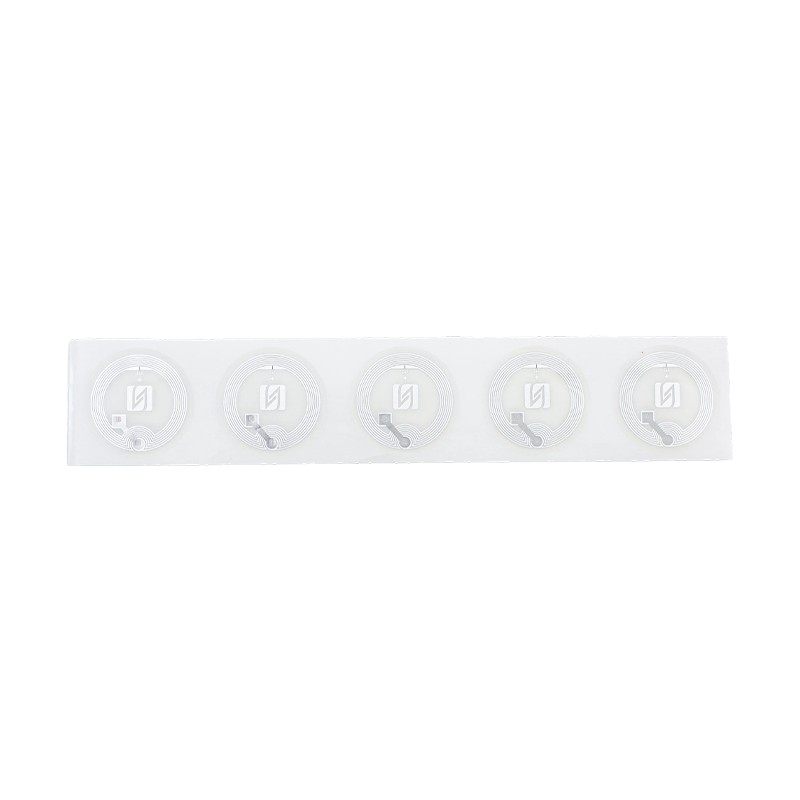
The company supplies HF and UHF RFID inlays, tags, and finished products for applications such as warehouse logistics, asset management, retail anti-theft, and smart manufacturing. Although a supermarket electronic scale thermal label is a conventional printed product, the connection to smart-label technology demonstrates the company’s ability to work with data-oriented identification systems.
For customers seeking a gradual transition toward digital tracking, this capability can support discussions about combining printed human-readable information with machine-readable technologies. The appropriate solution depends on the retailer’s systems, operating model, and return on investment.
7.3 Special-function customization
Rongyang also provides customized solutions with functions such as anti-counterfeiting, high-temperature resistance, removable adhesion, and specialized die-cutting. These options may not be required for every fresh-food label, but they demonstrate the flexibility available when a standard construction does not fully match the application.
For example, removable adhesive may be useful for temporary promotional displays or reusable containers. High-temperature resistance may support labels used in specialized manufacturing or food service processes. Custom die-cutting can help fit unusual package shapes or improve application efficiency.
7.4 International production and supply support
With production facilities in China and Malaysia, the company is positioned to support large-scale and international customer requirements. Multiple production locations can be valuable for customers that need export supply, regional production support, or a stable sourcing strategy for high-volume label programs.
International customers also benefit from communication across product development, manufacturing, quality, and service functions. A coordinated supplier can help reduce misunderstandings regarding specifications, packaging, documentation, and delivery planning.
8. Quality, Certifications, and Responsible Manufacturing
Rongyang was founded in 2008 and has obtained ISO 9001 and ISO 14001 certifications. ISO 9001 relates to quality management systems and supports structured control of processes, customer requirements, corrective actions, and continuous improvement. ISO 14001 relates to environmental management and encourages systematic attention to environmental responsibilities and operational impacts.
The company has also passed the SMETA social responsibility audit. Social responsibility assessment can help customers evaluate labor practices, ethical business conduct, health and safety, and related supply-chain considerations. These credentials are important for retailers and brand owners that require suppliers to meet documented quality and responsibility expectations.
Certifications do not replace product testing or application validation. A buyer should still confirm thermal printing performance, adhesion, storage behavior, barcode readability, and equipment compatibility. However, a certified management framework provides a stronger foundation for consistent production and supplier evaluation than an informal manufacturing process.
9. Practical Selection Guide for Buyers
Choosing the correct label requires more than selecting a roll that appears to fit the printer. The following factors should be reviewed before placing a regular production order.
| Selection factor | Why it matters | Recommended evaluation |
|---|---|---|
| Printer and scale compatibility | Incorrect dimensions or roll configuration may cause feeding and printing problems. | Confirm printer model, roll width, length, core size, winding direction, and label gap. |
| Thermal sensitivity | Different printers use different heat levels and speeds. | Test print darkness, text sharpness, and barcode readability using normal settings. |
| Label size | The label must contain all required product and pricing information. | Review content layout, barcode dimensions, font size, and available application area. |
| Adhesive type | Packaging surfaces and temperatures affect bonding performance. | Test on plastic bags, containers, trays, films, and other actual substrates. |
| Moisture and oil resistance | Fresh ingredients may reduce readability or adhesion. | Compare coated and uncoated versions under representative conditions. |
| Storage stability | Thermal paper can be affected by heat, light, and humidity. | Define expected storage period and follow recommended storage conditions. |
| Barcode quality | Poor codes create scanning delays and manual work. | Verify contrast, edge definition, dimensions, and scanning performance. |
| Order volume | Large programs require consistent supply and batch control. | Review capacity, lead time, packaging, inspection, and replenishment plans. |
9.1 Confirming printer compatibility
Before mass production, the buyer should provide complete information about the electronic scale or printer. Even when a product is described as universal, printer configurations can vary. Roll diameter, core size, label gap, backing thickness, winding direction, and sensor requirements may affect compatibility.
Sample testing is the most reliable method. The labels should be loaded into the actual equipment and tested at normal operating speed. The test should include continuous printing, roll feeding, label separation, barcode scanning, and repeated start-and-stop cycles.
9.2 Testing packaging surfaces
Adhesion should be tested on the actual packaging used by the retailer. Plastic bags, smooth trays, textured containers, coated paperboard, and chilled surfaces may produce different results. The test should examine immediate attachment as well as adhesion after refrigeration, handling, and exposure to moisture.
If a label must be removed later, removability should also be tested. A label that is permanent on one surface may leave residue or tear when removed from another. Clarifying this requirement early helps prevent costly changes after production begins.
9.3 Choosing coated or uncoated material
An uncoated thermal label may be suitable for dry products with short display periods. A coated version may be more appropriate for products exposed to oil, water, ice, condensation, or frequent handling. The decision should be based on actual operating conditions and required readability time.
Buyers should avoid selecting a coating only because it appears more advanced. Over-specification can increase cost without a practical benefit, while under-specification may cause unreadable information. Application testing allows the retailer to choose the most balanced solution.
10. Operational Benefits for Retailers
The value of these labels extends beyond printing performance. They contribute to better daily management in several areas.
10.1 Faster employee workflows
Employees can weigh, price, print, and apply a label in a coordinated sequence. This reduces repetitive writing and helps standardize tasks across shifts and stores. Faster workflows are especially important during morning preparation, lunch periods, weekends, and seasonal demand peaks.
10.2 More consistent customer information
Printed labels use consistent layouts and characters. Customers can more easily find the product name, weight, unit price, total price, and shelf-life information. Consistency supports trust and reduces questions at the shelf or checkout.
10.3 Better traceability
Traceability barcodes and product codes can connect a package to internal product records, production information, or store systems. If a product needs to be reviewed, withdrawn, or investigated, accurate package identification can support a faster response.
10.4 Reduced checkout friction
Sharp and readable barcodes improve scanning performance. When labels scan on the first attempt, checkout operators spend less time entering information manually. This supports shorter queues and a smoother customer experience.
10.5 Easier promotional management
Because the labels are printed on demand, stores can update price information and promotional details through their electronic scale or retail system. This is more adaptable than ordering new pre-printed artwork for every short-term price adjustment.
11. Storage, Handling, and Application Recommendations
Thermal labels should be stored in a clean, dry environment away from excessive heat, direct sunlight, high humidity, chemicals, and strong pressure. Rolls should remain in their original packaging until they are needed. Proper storage helps maintain thermal sensitivity, adhesive performance, and physical roll condition.
During handling, operators should avoid crushing the edges of rolls or exposing the adhesive side to dust and contamination. Damaged rolls may not feed properly or may produce uneven label application. Stock should be rotated so that older material is used in accordance with the supplier’s recommended storage period.
Printer equipment should also be maintained. Dust or residue on the thermal print head can reduce print quality and create uneven images. Roll holders, sensors, and feed paths should be checked regularly. Correct printer temperature and speed settings help achieve the best balance between dark printing, barcode clarity, and print-head service life.
Labels should be applied to clean, dry, and reasonably smooth areas whenever possible. If the package is wet or oily, the surface may need to be wiped or the label specification may need to be adjusted. Application pressure should be sufficient to create full contact, especially around corners and curved surfaces.
12. Why an Integrated Supplier Matters
A supermarket may purchase labels from one supplier, printing equipment from another, and technical support from a third party. This approach can work, but it may make problem-solving more complicated when issues involve material, printer settings, adhesive, or application conditions.
An integrated label supplier can evaluate the label as part of the complete application. It can discuss the relationship between thermal paper, printer performance, barcode layout, adhesive behavior, and packaging material. This reduces the risk of treating a system problem as a single-component problem.
Rongyang’s combination of product development, manufacturing, quality management, and service gives customers a single point of technical coordination. Its wider experience in pressure-sensitive and RFID label solutions can also support customers with more complex identification requirements.
For large retail groups, integrated supply may help with standardization. A common label platform can be adapted for different departments while maintaining similar purchasing, storage, and quality procedures. Standardization can lower operational complexity and make staff training easier.
13. Customization Possibilities
Although supermarket electronic scale labels often use standardized sizes, customization remains important. Retailers may require different layouts, label dimensions, roll quantities, adhesive properties, or protective coatings depending on their product categories and equipment.
13.1 Size and layout customization
Different packages need different label areas. A small bag of produce may require a compact label, while a prepared-food tray may need more space for ingredients, shelf life, and a larger barcode. Size customization allows the label to remain readable without occupying unnecessary packaging space.
13.2 Adhesive customization
Permanent, removable, high-tack, and specialized adhesive options can be considered according to the carrier and application period. Chilled packaging, textured surfaces, reusable containers, and temporary promotional labels may each require different adhesive behavior.
13.3 Surface protection customization
Customers can select uncoated thermal paper for standard dry applications or coated materials for environments involving moisture, oil, abrasion, or frequent handling. The coating can be evaluated together with the printer to confirm that the final image remains clear.
13.4 Special die-cutting and formats
Specialized die-cutting can create labels for unusual package shapes or application requirements. Roll winding, liner construction, and packaging can also be customized to suit manual, semi-automatic, or automated application equipment.
14. Sustainability and Resource Efficiency Considerations
Retailers increasingly evaluate not only product performance but also resource efficiency. Thermal printing labels can support operational efficiency by reducing ink-related consumables and minimizing manual rework caused by writing or calculation errors. Accurate, right-sized labels can also reduce unnecessary material use.
Environmental performance depends on the full construction, including the face stock, coatings, adhesive, liner, packaging, and disposal route. Buyers should discuss material options with the supplier when they have specific environmental targets or local recycling requirements. ISO 14001 certification provides evidence of a structured environmental management approach at the company level, while the final label specification should still be evaluated according to the customer’s own sustainability objectives.
Efficient production also matters. Automated lines, controlled material usage, precision converting, and inspection systems can reduce defects and prevent unnecessary waste. When labels are manufactured consistently, fewer rolls need to be discarded because of printing, winding, or dimensional problems.
15. Quality Assurance from Order to Delivery
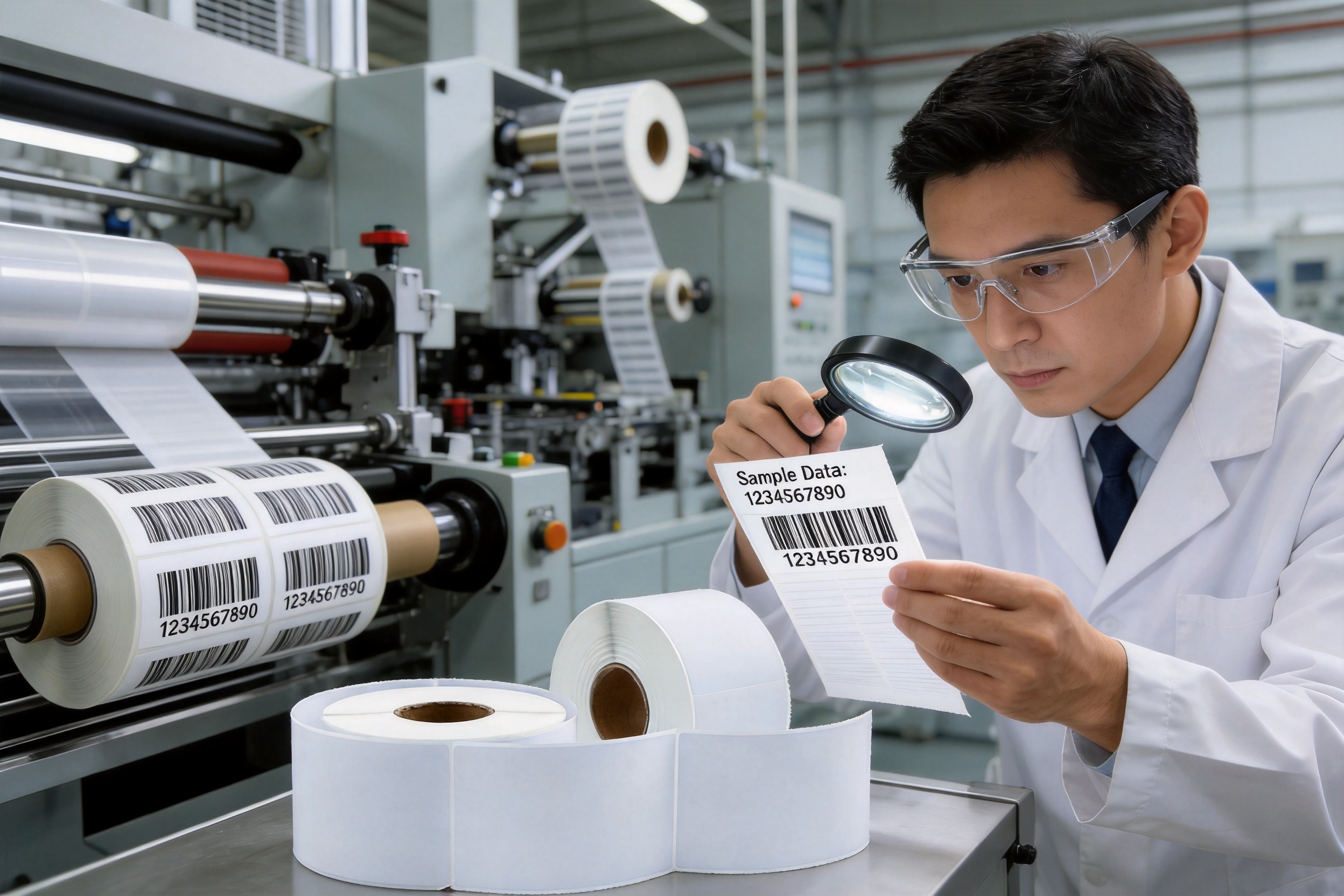
A dependable label program requires quality assurance at every stage, not only a final visual inspection. The process should begin with a clearly approved specification that identifies material type, size, adhesive, coating, roll configuration, packaging, and performance requirements.
During production, process conditions should be controlled and recorded. Samples can be checked for dimensions, die-cut accuracy, adhesion, thermal response, winding quality, and barcode performance. If the customer has special requirements, such as a particular electronic scale model or minimum scanning performance, those requirements should be included in the production and inspection plan.
Before delivery, finished goods should be packed to protect them from environmental exposure and physical damage. Batch identification supports stock management and investigation if questions arise later. Clear communication regarding storage conditions and printer settings helps customers achieve consistent results in their own facilities.
After delivery, technical feedback remains valuable. If the customer experiences a feeding issue, poor adhesion, or printing variation, the supplier can review equipment, environmental conditions, storage, and label construction together. This cooperative approach is more effective than replacing materials without identifying the underlying cause.
16. Purchasing Questions for Retail Chains and Distributors
Professional buyers should ask several questions before selecting a thermal label supplier. Does the supplier understand the specific electronic scale application? Can it provide samples for real equipment testing? Are multiple sizes and adhesive options available? Can it maintain consistent quality for repeated orders? Does it have documented inspection and management systems? Can it support customized packaging and delivery schedules?
Large retailers should also consider production capacity, geographic supply, communication efficiency, technical support, and contingency planning. A label may be inexpensive per roll but costly if it causes printer downtime, scanning delays, product relabeling, or store-level disruption.
Supplier evaluation should therefore consider total operating value rather than unit price alone. A reliable label with consistent feeding, strong adhesion, clear barcodes, and stable supply can reduce hidden costs throughout the retail process.
17. Frequently Asked Questions
Q1: What information can be printed on a supermarket electronic scale label?
A1: The label can typically include the product name, product code, unit price, weight, total price, packaging or weighing date, shelf-life information, and a barcode. The exact content depends on the retailer’s electronic scale and software configuration.
Q2: Do these labels require ink or ribbons?
A2: They are designed for direct thermal printing, so ordinary use does not require liquid ink or conventional ink ribbons. The thermal printer creates the image by applying heat to the heat-sensitive surface.
Q3: Are the labels compatible with all supermarket scales?
A3: They are designed to match universal supermarket electronic scale applications, but exact compatibility should be confirmed. Printer model, roll width, core size, label gap, winding direction, and sensor requirements should be checked before mass production.
Q4: Can the labels be used on plastic bags and food containers?
A4: Yes. The labels are available with adhesive backing designed for common packaging carriers such as plastic bags and food containers. Actual adhesion should be tested on the specific packaging material, especially when the surface is wet, oily, textured, or refrigerated.
Q5: Are oil- and moisture-proof versions available?
A5: Some product models include an oil- and moisture-proof coating. These versions are useful for fresh produce, seafood, meat, chilled food, and other applications where condensation or food residue may affect label clarity.
Q6: Why is barcode quality important?
A6: A sharp barcode is easier for checkout scanners and inventory systems to read. Clear barcodes reduce repeated scanning, manual data entry, checkout delays, and product identification errors.
Q7: Can the label size be customized?
A7: Multiple sizes are available, and customized dimensions or layouts can be discussed according to the printer, packaging, barcode, and information requirements. Sample testing is recommended before final approval.
Q8: How should thermal label rolls be stored?
A8: Rolls should be kept in their original packaging in a clean, dry place away from direct sunlight, excessive heat, high humidity, chemicals, and heavy pressure. The supplier’s storage recommendations should be followed.
Q9: Can the labels support traceability?
A9: Yes. Traceability barcodes or product identification codes can be printed as part of the label content. Their specific data structure depends on the retailer’s software, product management system, and traceability requirements.
Q10: What makes a specialized label supplier preferable to a generic label vendor?
A10: A specialized supplier can evaluate thermal response, adhesive performance, barcode readability, roll configuration, and packaging conditions together. This integrated approach helps reduce compatibility problems and supports more consistent long-term operation.
Q11: Does the manufacturer provide other label technologies?
A11: In addition to pressure-sensitive labels, the manufacturer provides RFID inlays, tags, finished RFID products, and special-function label solutions for logistics, retail, asset management, anti-counterfeiting, and smart manufacturing applications.
Q12: Can large international orders be supported?
A12: The company operates production facilities in China and Malaysia and is structured to support large-scale and international customer requirements. Specific capacity, delivery, packaging, and documentation requirements should be discussed during the quotation process.
18. Conclusion
Supermarket electronic scales thermal printing labels are essential tools for efficient fresh-food retail. They transform weighing data into clear, immediate, and useful product information. By displaying the product name, weight, pricing, shelf-life details, and barcode in one compact format, they help retailers improve workflow, accuracy, traceability, and customer communication.
Their advantages over handwritten tags and poorly matched generic labels include fast ink-free printing, consistent information presentation, sharp barcode output, reliable adhesion, flexible sizing, and optional oil- and moisture-proof protection. These features are especially valuable in demanding fresh-food environments involving plastic bags, containers, condensation, oils, and frequent handling.
Product performance also depends on the supplier’s manufacturing capability. Advanced automated production lines, precision inspection equipment, controlled materials, documented quality processes, and customized technical support help ensure that labels feed correctly, adhere securely, and remain readable during the required service period.
Shanghai Rongyang Industrial Development Co., Ltd. combines pressure-sensitive label manufacturing with RFID and specialized label technology. Its ISO 9001 and ISO 14001 certifications, SMETA social responsibility audit, international production capability, and experience in customized solutions provide a strong foundation for retail customers seeking stable and scalable label supply.
For supermarkets, food retailers, distributors, and packaging operators, the best purchasing decision is based on the complete application rather than the label alone. Printer compatibility, material selection, adhesive performance, environmental exposure, barcode readability, storage, quality control, and supply continuity should all be evaluated. With the correct specification and reliable manufacturing support, thermal printing labels can become a highly effective connection between accurate weighing, transparent pricing, efficient checkout, and modern retail traceability.
References
1. ISO 9001: Quality Management Systems — Requirements.
2. ISO 14001: Environmental Management Systems — Requirements with Guidance for Use.
3. GS1 General Specifications, guidance on barcode quality and identification data.
4. Direct Thermal Printing Technology: Materials, Image Formation, and Application Considerations.
5. Pressure-Sensitive Adhesive Label Materials and Converting Practices.
6. Retail Fresh-Food Packaging and Traceability Management Principles.
7. SMETA Best Practice Guidance for Social Responsibility Auditing.
Product: Supermarket Electronic Scales Thermal Printing Labels


Messae Us Right Now!

- Quick Links
- Products
- Quality Control
- Our Story
- News
- Contact
- Our Product
-
- Beauty and Personal Care Labels
- Home cleaning and laundry care labels
- Liquor and Beverage Labels
- Food and dairy product labels
- Healthcare Labels
- Promotional and Interactive Labels
- Specialty and industrial solution
- Labels Thermal printing and logistics labels
- Anti-counterfeiting traceability and RFID Labels
- Contact us
- Tel:+86-573-86867861
- Phone:+86-18621872035
- E-mail:allen.men@rylabel.com
- Add:No. 111 Xincheng Road, Haiyan Economic Development Zone, Jiaxing City, Zhejiang Province


