
 English
 русский
 Español


Home / Author / Ayesha Rahman — Product After-Sales Service Manager / Special Effects Craft Labels for Premium Wine, Beverage, and Gift Packaging
News

Special Effects Craft Labels for Premium Wine, Beverage, and Gift Packaging
2026-10-19
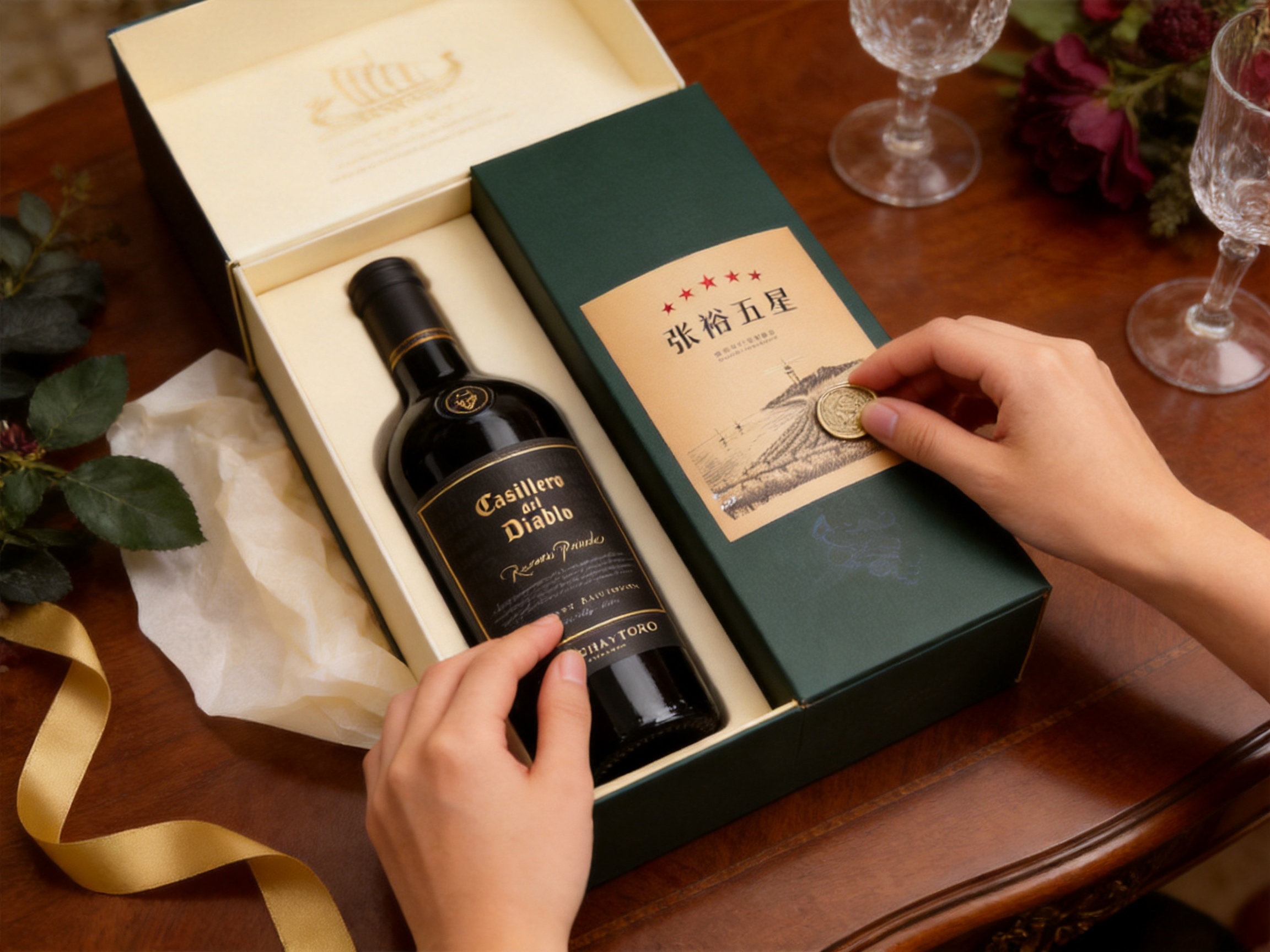
In premium beverage markets, packaging is no longer limited to protecting a bottle or displaying mandatory product information. A label has become a central part of brand communication, product differentiation, and consumer experience. For limited-edition wines, commemorative releases, luxury gift sets, and premium beverages, the label often creates the first physical impression of quality. It is the point where visual identity, tactile perception, storytelling, and interaction meet.
Special effects craft labels are designed for brands that need more than conventional full-color printing. By combining spot UV coating, embossing, gold or silver hot stamping, screen printing, scented microcapsules, and optional scratch-off functions, these labels introduce multiple sensory dimensions into product packaging. Their raised surfaces can be felt, metallic elements can catch the light, glossy details can create contrast, and selected areas can release woody or fruity aromas when touched or rubbed.
This combination of advanced decorative processes and interactive functions helps premium products stand out in crowded retail environments. Instead of presenting a flat printed image, the label becomes a structured experience. It can communicate craftsmanship through texture, luxury through metallic luster, exclusivity through carefully controlled finishing, and brand personality through scent or interactive content.
Special effects craft labels are particularly suitable for limited-edition wines, spirits, premium beverages, gift boxes, seasonal packaging, commemorative products, and promotional campaigns. They are also useful when a brand wants to create a memorable unboxing moment or encourage consumers to engage with a product beyond the initial purchase.
Why Special Effects Craft Labels Matter in Premium Packaging
Traditional printed labels remain effective for many everyday applications, but premium products often compete in a different environment. Consumers may compare several bottles with similar colors, shapes, and price points. In these situations, small details can influence perceived value. A textured emblem, a metallic border, a raised logo, or a hidden scratch-off message can make one package more noticeable than another.
Special effects craft labels help transform a package from a passive information carrier into an active brand touchpoint. The label may invite the consumer to touch a raised surface, tilt the bottle to observe a changing reflection, scratch a concealed area, or experience a fragrance. These actions increase the amount of time a consumer spends interacting with the package and can strengthen memory of the product.
For premium wine and beverage brands, this is especially important because purchasing decisions are frequently influenced by perceived craftsmanship, gift appeal, origin, rarity, and visual confidence. A well-executed special effects label reinforces these associations. It can make a limited release feel more exclusive, help a gift set appear more valuable, and give a commemorative package a stronger connection to its theme.
The product also supports flexible creative direction. A classic wine label may use restrained embossing and silver hot stamping, while a festive gift set may combine bright gold foil, glossy spot UV, and a fruit fragrance. A modern beverage brand may choose layered screen printing and a scratch-off promotion. The same manufacturing platform can support different visual and sensory objectives.
Core Special Effects and Their Packaging Benefits
Spot UV Coating
Spot UV coating applies a high-gloss finish to selected areas rather than covering the entire label. This creates a controlled contrast between glossy and matte surfaces. Designers can use spot UV to highlight a logo, emphasize a product name, trace a pattern, define an illustration, or create a subtle tone-on-tone effect.
On a premium wine label, spot UV can make a grape motif appear beneath the surface of the paper or film. On a gift set label, it can outline a crest, decorative frame, or anniversary number. Because the finish reflects light differently from the surrounding material, it adds visual depth without requiring additional colors.
Spot UV is also valuable for sophisticated minimalist packaging. A label does not need to use bright graphics to attract attention. A nearly monochromatic design with selective gloss can appear refined and high-end, particularly when viewed under retail lighting or photographed for online marketing.
Embossing and Debossing Effects
Embossing creates a raised three-dimensional surface that consumers can feel with their fingertips. Debossing produces a recessed effect. Both techniques add physical structure to printed artwork and can reinforce the idea of quality craftsmanship.
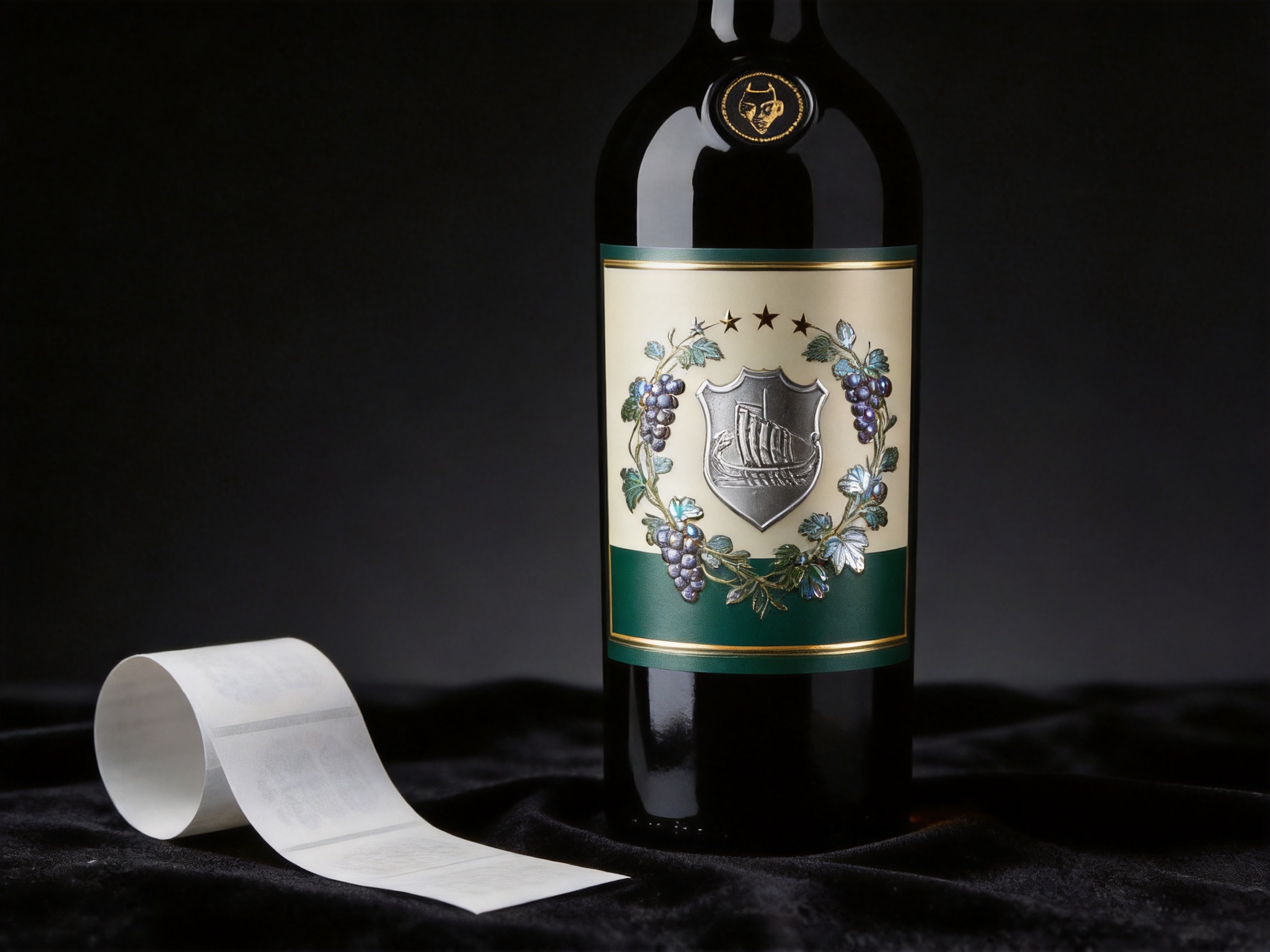
Embossed logos, seals, lettering, botanical illustrations, and decorative borders are widely suited to wine and spirits packaging. A raised crest can suggest heritage. An embossed anniversary mark can reinforce the importance of a commemorative release. A textured pattern can create a tactile connection with a product’s origin, such as wood grain, leaves, waves, or architectural motifs.
The tactile effect also improves visual perception. Raised areas can catch light along their edges, making the artwork easier to notice from different viewing angles. When embossing is combined with hot stamping, the metallic foil can follow the raised contour and produce a particularly strong luxury effect.
Gold and Silver Hot Stamping
Hot stamping transfers metallic foil onto selected areas of the label through controlled heat and pressure. Gold and silver are the most familiar options, although other metallic and specialty foil effects may also be considered depending on the project.
Gold hot stamping is often associated with prestige, celebration, rarity, and premium value. It can be used for brand names, vintage information, limited-edition numbering, decorative frames, and certification-style symbols. Silver hot stamping creates a cooler, more contemporary appearance and is suitable for modern spirits, sparkling beverages, technology-oriented packaging, and winter or festive themes.
The advantage of foil is not simply its color. Metallic reflection changes as the bottle moves, helping the label remain visible under different lighting conditions. This dynamic quality can attract attention on a shelf and produce an elevated appearance in product photography.
Hot stamping can also be combined with other processes. For example, an embossed logo may receive gold foil while the surrounding label uses matte paper and spot UV details. This layered construction creates a visual hierarchy, allowing the most important brand elements to receive the strongest emphasis.
Screen Printing
Screen printing supports the application of dense, opaque, and tactile ink layers. It is useful when a design requires strong color coverage, raised ink, special textures, or a more substantial printed presence than conventional flexographic or digital printing can provide.
Screen printing can be used to strengthen contrast on dark materials, apply decorative textures, or create a tactile surface that complements embossing and foil. It may also support visual effects that require more controlled ink deposition. On beverage labels, this can help create a handcrafted or artisanal appearance while maintaining repeatable production quality.
When carefully integrated with other finishing operations, screen printing provides another layer of depth. A label may combine a printed background, a raised screen-printed element, a metallic foil logo, and a clear spot UV highlight. The result is more complex and engaging than a single-process design.
Scented Microcapsules
Scented microcapsule technology introduces an olfactory element to label design. Fragrance materials are enclosed in small capsules and applied to designated areas of the label. When the surface is rubbed or handled, selected capsules release their aroma.
Woody and fruity notes are particularly suitable for premium beverage packaging. Woody aromas can support associations with oak barrels, forests, aging rooms, or natural ingredients. Fruity notes can complement wine, fruit beverages, seasonal releases, and fresh product concepts. Other fragrance directions may be evaluated according to the product theme and application requirements.
Scented labels can help a product create a stronger memory point because smell is closely linked with emotional response and recall. A consumer who experiences a distinctive aroma while opening a gift set may remember the product more clearly than a consumer who sees only a conventional printed design.
Fragrance selection and application must be handled carefully. The scent should support the brand story rather than overpower the product. Production planning should consider the intended touch points, packaging conditions, storage environment, and expected consumer interaction. Professional process integration is important for achieving a balanced and repeatable result.
Scratch-Off Interaction
Scratch-off areas add a simple but effective interactive function. Consumers can remove an opaque covering to reveal a message, promotional code, prize result, product story, verification number, or other concealed content.
This feature is appropriate for promotional campaigns, seasonal releases, gift packaging, loyalty programs, and limited-edition products. It gives the consumer a reason to physically engage with the package and can make opening a product feel more like an event.
Scratch-off technology can also support controlled information disclosure. A brand may conceal a tasting note, a personalized greeting, an event invitation, or a digital campaign code. When combined with anti-counterfeiting or traceability strategies, the concealed area may contribute to a broader product authentication and engagement program.
Because scratch-off functions are highly visible as interactive elements, the design should clearly indicate how the consumer should use them while preserving the overall appearance of the label. Placement, coating compatibility, legibility, and resistance during transportation all need to be evaluated during production development.
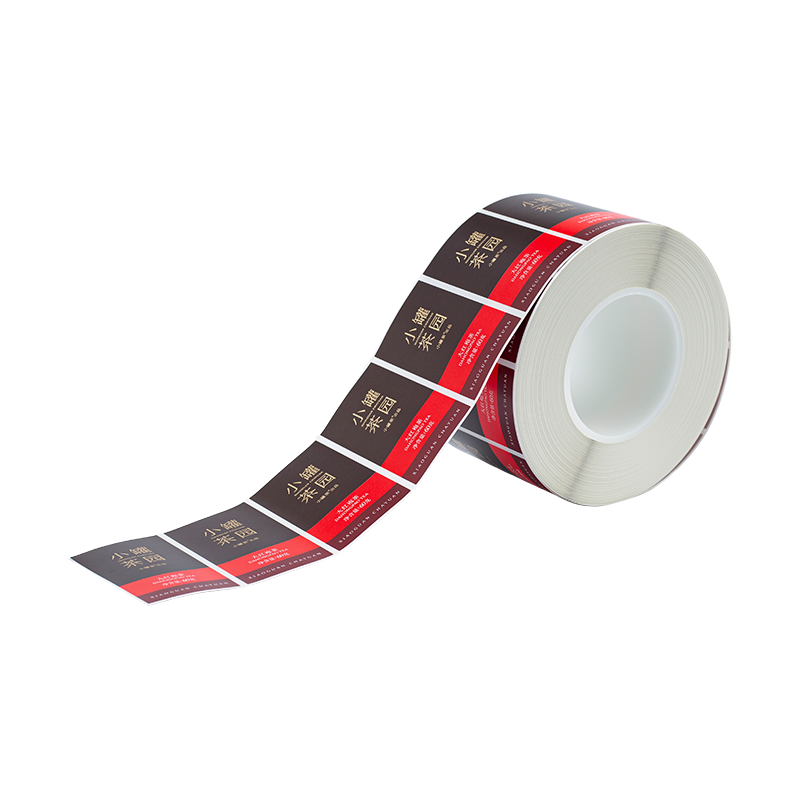
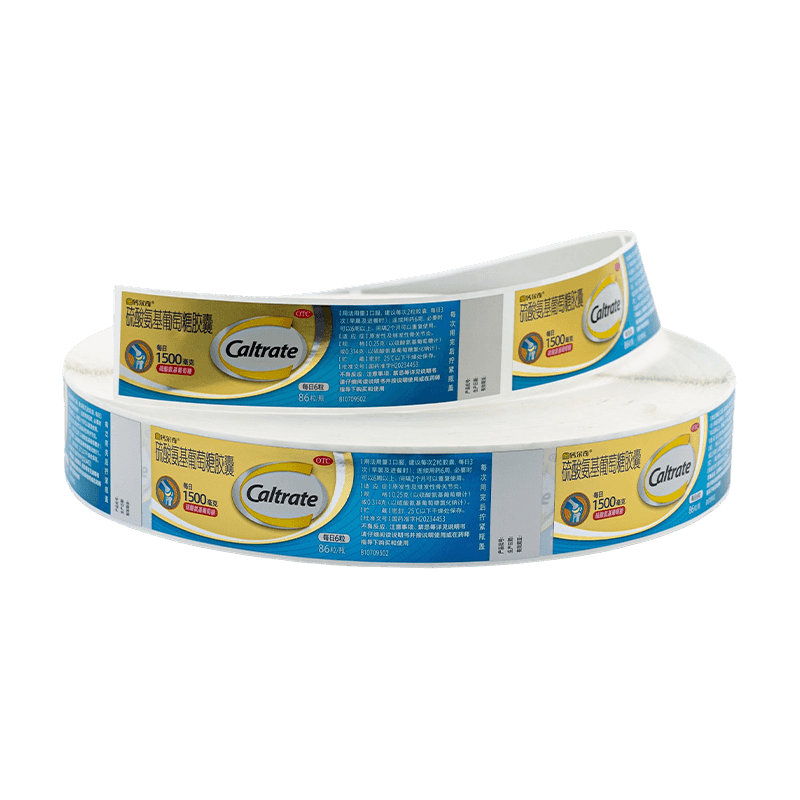
Special effects craft labels
Advantages Compared with Conventional Labels
Higher Shelf Visibility
Conventional labels often depend primarily on color, typography, and imagery. Special effects labels add reflection, surface contrast, depth, and tactile structure. These elements can make the package more visible when products are displayed together in retail stores, tasting rooms, duty-free shops, or gift markets.
Metallic foil catches changing light, spot UV creates controlled highlights, and embossing introduces shadows around raised details. These effects allow the label to remain visually interesting from different angles. This is particularly useful for bottles placed on shelves where consumers may view them from a distance or under uneven lighting.
Stronger Perceived Product Value
Consumers often use packaging cues to estimate product quality before purchase. A carefully produced label with tactile and metallic effects can communicate greater attention to detail than a basic printed label. This does not replace product quality, but it can support the product’s positioning and price architecture.
For gift sets and commemorative products, perceived value is especially important. Buyers expect the package to look presentable before it is opened. Special effects craft labels can contribute to the ceremonial nature of gifting by making the package feel more deliberate, exclusive, and memorable.
More Distinctive Brand Memory
In competitive markets, consumers may remember a package because of one distinctive feature. It might be a raised emblem, a particular metallic finish, a hidden message, or an unexpected fragrance. By combining several carefully selected effects, brands can create a recognizable sensory signature.
This is a key advantage over labels that rely solely on standard graphics. A sensory memory may remain with the consumer after the visual details have faded. The experience can also generate conversation when a customer shows the label to another person or shares it through social media content.
Better Support for Limited Editions
Limited-edition products need packaging that communicates scarcity and special status. Special effects such as gold foil, embossed numbering, textured surfaces, and concealed content can reinforce the idea that the product is different from the regular range.
For commemorative products, the label can combine a date, anniversary symbol, historical illustration, and tactile decoration. For seasonal packaging, fragrance and metallic color can support a festive theme. For a collaboration or event release, scratch-off interaction can turn the label into part of the campaign experience.
Greater Consumer Interaction
Standard labels are generally viewed but not handled beyond normal product use. Interactive labels encourage additional actions. Consumers may rub a scented area, scratch a concealed panel, trace an embossed design, or rotate the bottle to observe a metallic effect.
These actions make packaging more participatory. A product may therefore remain in the consumer’s attention for longer, creating additional opportunities for brand communication and promotional conversion.
Applications in Wine and Beverage Packaging
Premium Wine Bottles
Wine labels benefit from tactile and metallic processes because consumers often associate wine with heritage, craftsmanship, origin, and careful aging. Embossed vineyard imagery, gold foil varietal information, and matte paper can support a classic positioning. A deep spot UV effect may add modern contrast to an otherwise traditional design.
For reserve wines and cellar selections, foil and embossing can distinguish the premium tier from standard products. For a new wine brand, special effects can help create a strong visual identity even when the brand has not yet built extensive market recognition.
Spirits and Distilled Beverages
Spirits packaging often requires a bold and confident appearance. Embossed lettering, heavy metallic accents, dark-color materials, and screen-printed textures can create a strong visual presence on glass bottles. Gold and silver effects may be used to emphasize age statements, batch information, or signature symbols.
For craft spirits, the label can combine an artisanal visual language with professional finishing. This balance helps communicate authenticity without sacrificing consistency or shelf impact.
Limited-Edition and Commemorative Releases
Limited editions are ideal for multi-process label construction. A commemorative label may use an embossed anniversary number, a metallic seal, a special pattern, and a scratch-off panel containing a message from the brand. A limited production number can also be printed or integrated into the design according to the brand’s requirements.
Such features help separate the release from regular packaging and make it more suitable for collecting, gifting, or event distribution.
Gift Sets and Seasonal Packaging
Gift sets compete on presentation as well as product contents. The label should therefore work together with the box, bottle, wrapping, and insert materials. Gold hot stamping and raised surfaces can support festive packaging, while fruit or woody fragrances can make the opening experience more engaging.
Seasonal labels may use color and scent to communicate the time of year. For example, a fruit fragrance may complement a summer beverage, while a warm woody note may support a winter gift set. The effect should remain controlled and relevant to the overall product story.
Promotional Beverage Campaigns
Scratch-off labels can support promotional programs by concealing discount information, prize results, event invitations, or digital campaign codes. This approach turns the physical package into a marketing communication tool.
Promotional labels can also be developed for tasting events, festival releases, brand anniversaries, and retail campaigns. The production design should balance interaction with practical requirements such as label adhesion, readability, protection, and high-volume consistency.
Manufacturing and Process Integration
The quality of a special effects label depends on more than the availability of individual finishing techniques. The processes must be planned as a coordinated manufacturing system. Material selection, artwork preparation, printing sequence, coating compatibility, die-cutting, inspection, and packing all influence the final result.
Material and Adhesive Selection
The substrate must be selected according to the bottle surface, application environment, desired appearance, and finishing requirements. Paper stocks may be chosen for their texture, opacity, printability, or premium feel. Film materials may be considered when moisture resistance, dimensional stability, or surface durability is important.
Adhesive selection is equally important. Beverage labels may encounter condensation, refrigeration, handling, transportation vibration, and changes in temperature. A suitable pressure-sensitive adhesive helps maintain label positioning and reduce the risk of lifting or edge failure.
The material and adhesive must also work with embossing, hot stamping, spot UV, screen printing, fragrance application, and die-cutting. Professional evaluation at the development stage can prevent incompatibility between decorative effects and the label construction.
Prepress and Artwork Preparation
Special effects require careful separation of artwork layers. The base design, spot UV areas, embossing or debossing elements, foil zones, screen-printing layers, scratch-off panels, and fragrance areas may each require dedicated production files.
Prepress preparation should define the position, size, and relationship of every effect. Fine details need to be reviewed for production suitability. Very small embossed lines, narrow foil gaps, or tightly spaced gloss elements may require adjustment to maintain clarity and consistency.
Color management is also important. Metallic foil, opaque screen inks, and spot coatings can change how surrounding colors are perceived. Proofing and process verification help ensure that the final label matches the intended visual hierarchy.
Printing Sequence Control
The sequence of printing and finishing operations influences registration, adhesion, appearance, and production stability. A professional manufacturer determines the appropriate order for base printing, screen printing, embossing, hot stamping, coating, fragrance application, scratch-off construction, and die-cutting.
Registration accuracy is particularly important when several effects overlap. A foil logo must align with its printed outline. A spot UV layer should remain within the intended design boundary. An embossed symbol should correspond precisely with the visual artwork. Controlled equipment and process checks help maintain these relationships across production runs.
Automated Production Lines
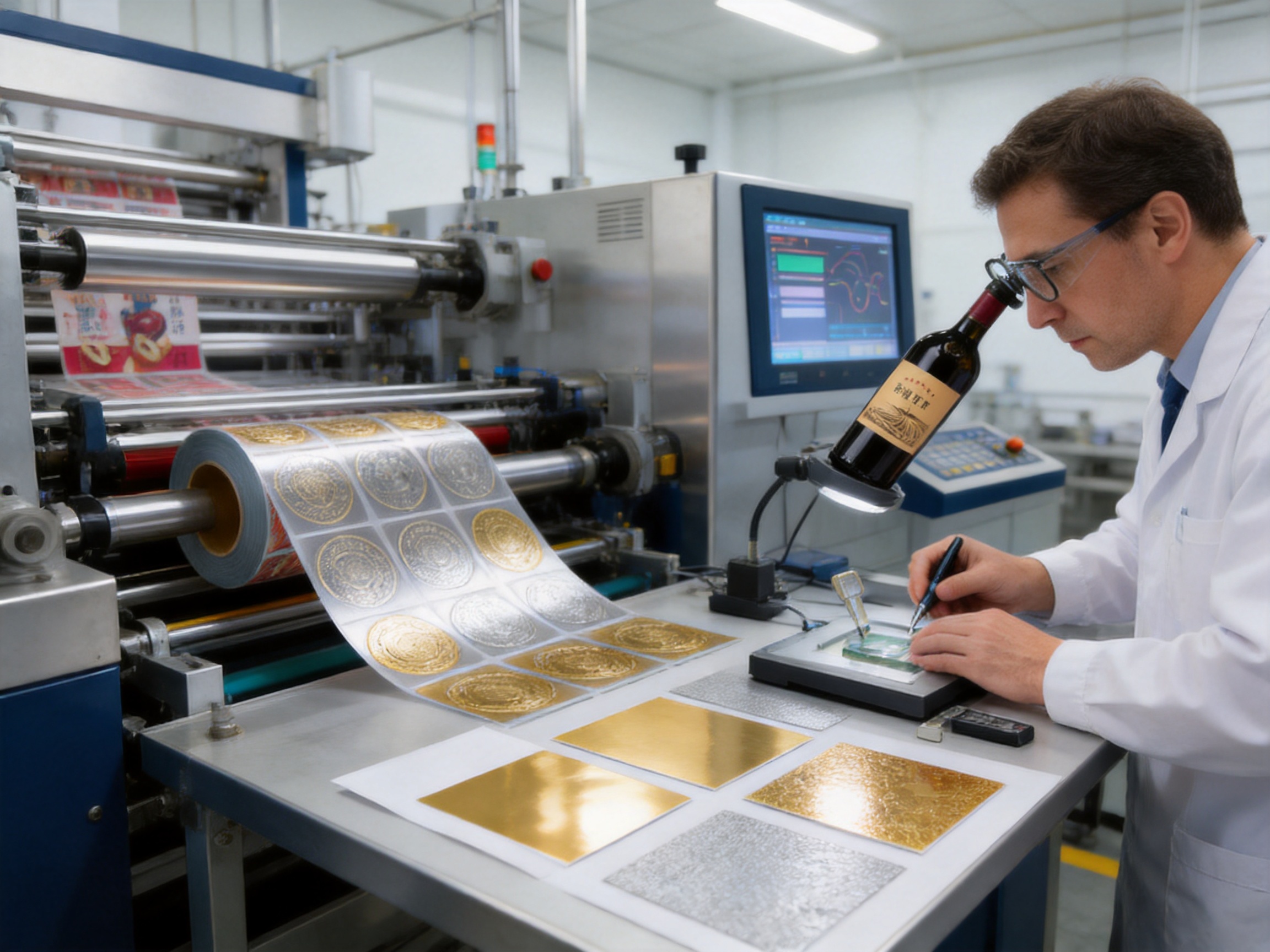
Advanced automated production lines support consistent output and efficient handling of complex label constructions. Automation can help stabilize feeding, printing, coating, finishing, die-cutting, rewinding, and inspection operations.
For large orders or international customers, process automation is valuable because it helps maintain repeatability between batches. It also supports more predictable delivery planning and reduces the risk associated with manual variation.
Automation does not eliminate the importance of technical expertise. Instead, it provides a stable platform on which experienced operators, process engineers, and quality specialists can manage the interaction between materials, artwork, machinery, and finishing effects.
Precision Inspection and Quality Control
Special effects labels require inspection beyond ordinary color checking. Quality control may include evaluation of print registration, foil coverage, embossing depth, coating uniformity, die-cut accuracy, surface defects, scratch-off performance, fragrance release, and adhesive behavior.
Inspection equipment can identify missing elements, smudging, uneven coating, misalignment, wrinkles, contamination, and other defects. A stringent quality control system should monitor the label from incoming materials through finished-product packing.
For premium packaging, consistency is essential. A small defect that might be acceptable in a low-cost promotional application can damage the appearance of a luxury bottle. Process controls therefore need to reflect the product’s positioning and customer expectations.
Die-Cutting and Finishing
Die-cutting determines the final shape of the label and must accommodate the material structure and decorative effects. Complex contours can support distinctive bottle designs, while classic rectangles, ovals, medallions, and shield shapes remain popular for wine and spirits.
Finishing may include roll preparation, sheet cutting, waste removal, inspection, and protective packing. The finished labels must be supplied in a format compatible with the customer’s application equipment or manual application process.
Careful handling protects metallic areas, raised surfaces, fragrance zones, and scratch-off panels during packing and transportation. This is especially important when the labels will travel across regions or remain in storage before application.
Manufacturing Strengths of an Integrated Label Supplier
An integrated label supplier can provide advantages over a fragmented sourcing model. When research and development, manufacturing, sales, service, and quality management are coordinated within one organization, technical decisions can be made more efficiently.
Shanghai Rongyang Industrial Development Co., Ltd. operates as an integrated provider of pressure-sensitive labels and RFID smart labels. Its product coverage includes labels for FMCG, food and beverage, pharmaceuticals, logistics, retail, and other industrial applications. This broad experience supports an understanding of different material requirements, application environments, and production expectations.
The company operates automated production lines and precision inspection equipment. These capabilities are relevant to special effects craft labels because complex finishing requires stable process control and reliable inspection. A label may look attractive in a prototype but fail to deliver commercial value if production consistency is poor. Manufacturing infrastructure helps bridge the gap between creative development and repeatable mass production.
Rongyang also provides customized label solutions involving anti-counterfeiting, high-temperature resistance, removable adhesion, and specialized die-cutting. These capabilities can complement premium beverage projects when the label needs to perform an additional functional role beyond decoration.
With production facilities in China and Malaysia, the company is positioned to serve large-scale and international customer requirements. Regional manufacturing resources can support supply planning, capacity management, and broader customer service coverage.
The company was founded in 2008 and has obtained ISO 9001 and ISO 14001 certifications. It has also passed the SMETA social responsibility audit. These qualifications indicate a structured approach to quality management, environmental management, and responsible business practices. For international customers, such systems can contribute to supplier evaluation and long-term procurement confidence.
Pressure-Sensitive Label Expertise
Pressure-sensitive construction is widely used for bottles, cartons, containers, and promotional packaging because it supports efficient application and a broad range of label shapes and materials. The label consists of a face material, adhesive layer, and release liner or equivalent backing structure.
For beverage applications, the construction must be matched to the container surface and expected conditions. Glass bottles, coated containers, curved surfaces, and refrigerated products may each require different technical considerations. The adhesive must maintain contact while allowing efficient dispensing and accurate placement.
Special effects add further requirements. Embossed labels may have a different surface profile than standard labels. Fragrance areas may require protection and controlled activation. Scratch-off sections must remain intact until use but be removable when the consumer interacts with them. Metallic areas and coatings must be compatible with handling and application equipment.
An experienced pressure-sensitive label manufacturer can evaluate these factors together rather than treating decoration and function as separate issues. This integrated approach helps reduce development risk and improves the likelihood of achieving a stable commercial product.
Using Multi-Dimensional Design Strategically
Special effects should be selected to support a clear packaging objective. Adding every available effect to one label may produce visual confusion or unnecessary cost. The most effective designs normally use a controlled combination of effects that reinforces the brand story.
| Packaging Objective | Recommended Effects | Potential Consumer Response |
|---|---|---|
| Communicate luxury | Gold or silver hot stamping, embossing, matte substrate, spot UV | Perception of prestige, craftsmanship, and premium value |
| Highlight a limited edition | Embossed numbering, metallic seal, special die-cutting, concealed message | Recognition of rarity and exclusivity |
| Create a natural product story | Textured material, embossing, woody or fruity fragrance, restrained screen printing | Association with ingredients, origin, and authenticity |
| Support a promotion | Scratch-off panel, high-contrast printing, spot UV callout | Increased interaction and campaign participation |
| Modernize a beverage line | Silver foil, geometric spot UV, layered screen printing, clean typography | Contemporary and technologically refined impression |
| Improve gift appeal | Gold foil, tactile logo, seasonal fragrance, decorative die-cutting | More memorable unboxing and stronger presentation |
The table illustrates how individual processes can be selected according to marketing intent. A product does not need to use every possible technique. The best solution is the one that creates a coherent relationship between the product, package, consumer, and brand message.
Design Considerations for Successful Results
Establishing a Clear Visual Hierarchy
The brand name, product name, edition information, and legally required information must remain legible. Decorative effects should guide attention rather than obscure essential content. Foil and spot UV are most effective when used selectively, with the strongest treatment reserved for the most important visual elements.
Embossing should also support the structure of the design. A raised logo or central symbol can create a clear focal point, while excessive tactile decoration may reduce readability or make the label appear crowded.
Balancing Texture and Durability
A label that feels impressive at the point of production must also remain suitable for transportation, storage, application, and retail handling. The construction should be tested under expected conditions, especially if the product will be refrigerated, exposed to condensation, or packed in gift boxes.
Durability requirements may influence the selection of paper, film, adhesive, varnish, and protective coatings. The desired tactile effect should be achieved without compromising label integrity.
Considering Scent Intensity
Fragrance is most effective when it is noticeable but not overwhelming. The scent should align with the product story and target audience. Woody notes may suit aged spirits and oak-associated products, while fruity notes may support wine, fruit beverages, and fresh seasonal concepts.
Testing should consider the time between production and consumer use. Storage conditions can influence fragrance performance. The application area should also be positioned so that consumers can discover the scent naturally without damaging the main label design.
Planning Scratch-Off Content
Scratch-off content should be prepared with the consumer interaction in mind. The concealed information must remain readable after the covering is removed. The panel should be easy to locate but should not dominate the package unless the promotion is the main communication purpose.
Brands should also define whether the scratch-off area will reveal a short message, a code, a verification number, or another form of content. This decision affects the size, placement, printing method, and campaign management requirements.
Preparing for Application
Labels intended for automatic application need suitable roll direction, spacing, winding, core dimensions, and release performance. Manual application may allow greater flexibility, but alignment and handling still need to be considered.
The bottle shape and application area should be reviewed before finalizing the design. Curved surfaces may affect the appearance of embossing, foil, and spot UV. A label that looks balanced on a flat proof may require adjustment when applied to a tapered or contoured bottle.
Quality, Compliance, and Responsible Production
Premium packaging must combine appearance with dependable production standards. Quality management systems help establish repeatable procedures for materials, process control, inspection, nonconformance handling, and continuous improvement.
ISO 9001 certification reflects a structured quality management approach. ISO 14001 certification relates to environmental management and supports systematic attention to environmental performance. SMETA social responsibility auditing provides an additional reference point for ethical and responsible business practices.
These systems are relevant to international customers that evaluate suppliers according to more than price and appearance. A reliable supplier should be able to provide consistent production, responsible operations, documented controls, and responsive technical support.
Environmental considerations may also influence label selection. Brands can discuss substrate choices, production waste, packaging efficiency, and the role of special finishes in the overall package design. The objective is not simply to add decoration, but to create a meaningful and appropriately engineered result.
From Concept to Finished Label
A successful special effects project normally begins with a clear product brief. The brief should identify the beverage category, bottle or container type, target market, expected order volume, application method, storage conditions, and desired visual and sensory effects.
The next stage is design and technical evaluation. Artwork teams and manufacturing specialists review the proposed materials, effect combinations, dimensions, and application requirements. At this stage, it is useful to identify any fine details that may be difficult to emboss, foil, coat, or print consistently.
Sampling allows the customer to evaluate the actual surface, reflection, tactile response, fragrance, and scratch-off behavior. A physical sample is especially valuable because digital artwork cannot fully communicate the feel of embossing or the changing appearance of metallic foil.
After approval, production planning defines material procurement, process sequence, inspection standards, packing format, and delivery requirements. Pilot production or first-article inspection may be used to verify that the commercial process matches the approved sample.
During mass production, process data and inspection results help confirm consistency. Finished rolls or sheets are packed according to the customer’s application requirements and protected against damage during shipment.
This structured workflow helps reduce surprises and makes it easier to control both creative quality and manufacturing performance.
Why Professional Process Integration Creates Competitive Advantage
The competitive advantage of special effects craft labels is not based on one decorative technique alone. Many suppliers may offer foil, embossing, or spot UV as individual services. The stronger advantage comes from integrating these processes into a stable, customized, and quality-controlled product.
A professional supplier can help determine whether a fragrance should be placed on the front label or an outer gift box, whether a metallic effect should be combined with embossing, whether a scratch-off panel can survive the intended application process, and whether the adhesive is suitable for a refrigerated bottle.
This technical coordination saves time during development and reduces the risk of producing a visually attractive but operationally unsuitable label. It also enables brands to explore more ambitious concepts with greater confidence.
For global customers, the ability to support both creative development and large-scale manufacturing is particularly valuable. It can simplify supplier management, improve communication, and provide a clearer path from prototype to repeat order.
Commercial Benefits for Brand Owners
Special effects craft labels can contribute to commercial performance in several ways. They can strengthen shelf presence, increase perceived value, support premium pricing, improve gift suitability, and create content for promotional storytelling.
They may also help a brand extend a successful product concept into limited editions and seasonal releases. A common bottle can appear fresh when paired with a new tactile structure, metallic treatment, interactive function, or fragrance theme.
Interactive elements can generate additional engagement after purchase. Consumers may share a scratch-off experience, discuss a fragrance, or photograph a reflective metallic label. These actions can support word-of-mouth communication and digital campaign content.
The effect is strongest when packaging innovation is connected to a clear brand narrative. A fragrance should relate to the beverage or its origin. Embossing should reinforce craftsmanship or identity. Metallic foil should support the intended premium position. Scratch-off content should provide a meaningful reward or message.
Q&A: Special Effects Craft Labels
What are special effects craft labels?
Special effects craft labels are customized pressure-sensitive labels that use decorative, tactile, visual, and interactive processes beyond standard printing. Common options include spot UV coating, embossing, gold or silver hot stamping, screen printing, scented microcapsules, and scratch-off areas.
Which products are best suited to these labels?
They are particularly suitable for limited-edition wines, spirits, premium beverages, gift sets, commemorative products, seasonal packaging, and promotional releases. They can also be adapted for other high-value products that require strong differentiation.
Can several effects be combined on one label?
Yes. Spot UV, embossing, hot stamping, screen printing, fragrance, and scratch-off functions can be combined when the material structure, artwork, and production sequence are properly planned. The selected effects should create a coherent design rather than unnecessary visual complexity.
What is the benefit of embossing?
Embossing creates a raised surface that can be seen and felt. It adds depth, reinforces important symbols or lettering, and communicates a sense of craftsmanship. It is often used for logos, seals, anniversary marks, illustrations, and decorative borders.
How does spot UV improve a label?
Spot UV adds gloss to selected areas, creating contrast with matte or uncoated regions. It can highlight a logo, pattern, product name, or illustration without changing the overall color scheme.
What is the purpose of gold or silver hot stamping?
Hot stamping adds metallic foil to selected areas. Gold generally supports a luxurious, celebratory, or traditional appearance, while silver often creates a modern, clean, or refined effect. Both can improve shelf visibility and perceived product value.
How do scented microcapsules work?
Scented microcapsules contain fragrance materials that release aroma when the treated surface is rubbed or handled. Woody and fruity notes are common options for beverage and gift packaging. The fragrance intensity and application area should be evaluated during sampling.
What can a scratch-off area reveal?
A scratch-off panel can reveal a promotional code, prize result, concealed message, tasting information, event invitation, verification detail, or other campaign content. Its purpose and size should be defined before artwork and production planning are finalized.
Are these labels suitable for refrigerated beverages?
They may be suitable, but the label construction must be evaluated for condensation, temperature changes, adhesive performance, material stability, and surface durability. The bottle type and storage conditions should be shared during technical development.
Can the labels be used on curved bottles?
Yes, provided that the label dimensions, material, adhesive, die-cut shape, and application method are designed for the bottle geometry. Curved or tapered bottles should be evaluated with physical samples before mass production.
How does a manufacturer maintain consistent quality?
Consistency depends on controlled materials, accurate prepress, stable printing and finishing processes, automated production equipment, precision inspection, and documented quality procedures. Special effects require inspection of registration, coating, foil, embossing, fragrance, scratch-off performance, and die-cutting.
Can these labels be produced for international customers?
Yes. An integrated manufacturer with international production resources, documented quality systems, and experience in pressure-sensitive and RFID label manufacturing can support overseas customers, large orders, and customized specifications.
What information should a customer provide for a quotation?
Useful information includes label dimensions, shape, material preference, bottle or container type, order quantity, printing colors, special effects, adhesive requirements, application method, storage conditions, packing format, and delivery destination. Artwork files or reference images can further improve quotation accuracy.
Is sampling necessary before mass production?
Sampling is strongly recommended. It allows the customer to assess color, foil reflection, tactile depth, gloss contrast, fragrance behavior, scratch-off performance, label flexibility, and application suitability before approving the final production specifications.
Conclusion
Special effects craft labels provide a powerful way to differentiate premium wines, beverages, gift sets, and commemorative products. Through the integration of spot UV, embossing, hot stamping, screen printing, scented microcapsules, and scratch-off functions, the label becomes more than a printed surface. It becomes a tactile, visual, interactive, and potentially aromatic part of the product experience.
The main advantages over conventional labels include stronger shelf visibility, greater perceived value, better support for limited editions, more distinctive brand memory, and increased consumer interaction. These benefits are particularly relevant in competitive beverage markets where packaging must communicate quality and exclusivity before the product is opened.
Achieving reliable results requires more than creative design. Material compatibility, adhesive performance, artwork separation, process sequence, registration control, die-cutting, inspection, and packing must be managed as one coordinated manufacturing system.
Shanghai Rongyang Industrial Development Co., Ltd. combines pressure-sensitive label expertise, RFID capabilities, automated production lines, precision inspection equipment, customized functional solutions, and international manufacturing resources. Its ISO 9001 and ISO 14001 certifications, SMETA social responsibility audit, and experience serving multiple industries further support its position as a capable partner for customized label production.
For brands seeking to elevate limited-edition wines, premium beverages, gift sets, and commemorative products, special effects craft labels offer a practical and flexible route to stronger differentiation. When the chosen effects are aligned with the product story and supported by professional manufacturing, the label can create a memorable moment that continues from the retail shelf through the unboxing experience.
References
1. ISO 9001, Quality Management Systems: Requirements.
2. ISO 14001, Environmental Management Systems: Requirements with Guidance for Use.
3. Pressure-Sensitive Tape Council, Test Methods for Pressure-Sensitive Adhesive Products.
4. FINAT, Technical Guidelines for Self-Adhesive Label Materials and Applications.
5. International Organization for Standardization, Packaging and Environmental Considerations.
6. Technical literature on embossing, hot stamping, screen printing, ultraviolet coating, and specialty label finishing.
7. Technical literature on fragrance microencapsulation and controlled-release scent applications.
8. Technical literature on scratch-off coatings, promotional labels, and interactive packaging design.
Product: Special effects craft labels


Messae Us Right Now!

- Quick Links
- Products
- Quality Control
- Our Story
- News
- Contact
- Our Product
-
- Beauty and Personal Care Labels
- Home cleaning and laundry care labels
- Liquor and Beverage Labels
- Food and dairy product labels
- Healthcare Labels
- Promotional and Interactive Labels
- Specialty and industrial solution
- Labels Thermal printing and logistics labels
- Anti-counterfeiting traceability and RFID Labels
- Contact us
- Tel:+86-573-86867861
- Phone:+86-18621872035
- E-mail:allen.men@rylabel.com
- Add:No. 111 Xincheng Road, Haiyan Economic Development Zone, Jiaxing City, Zhejiang Province


