
 English
 русский
 Español


Home / Author / Ayesha Rahman — Product After-Sales Service Manager / Instant Redeemable Coupon Labels: Turning Product Packaging into Immediate Promotions
News

Instant Redeemable Coupon Labels: Turning Product Packaging into Immediate Promotions
2026-10-11
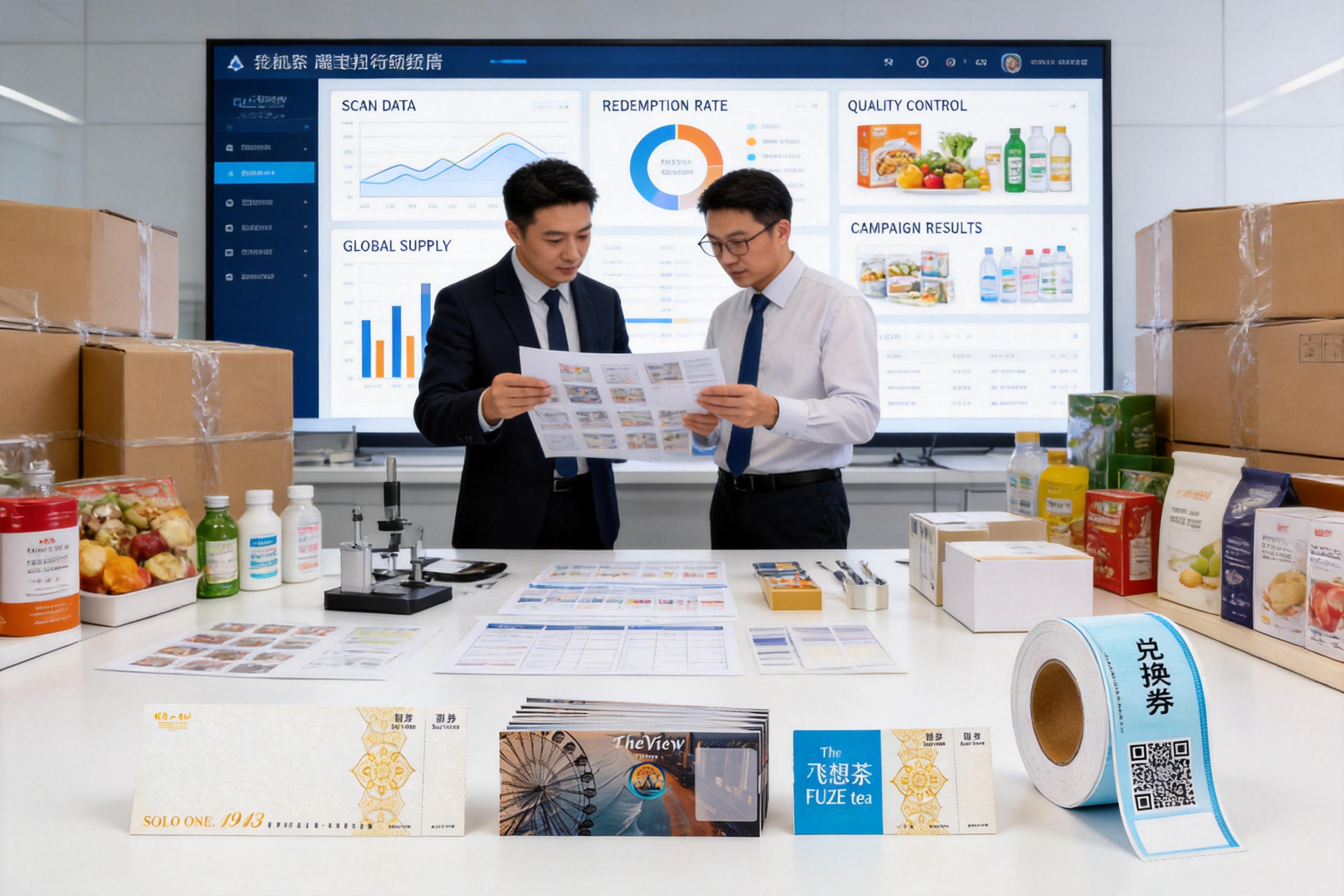
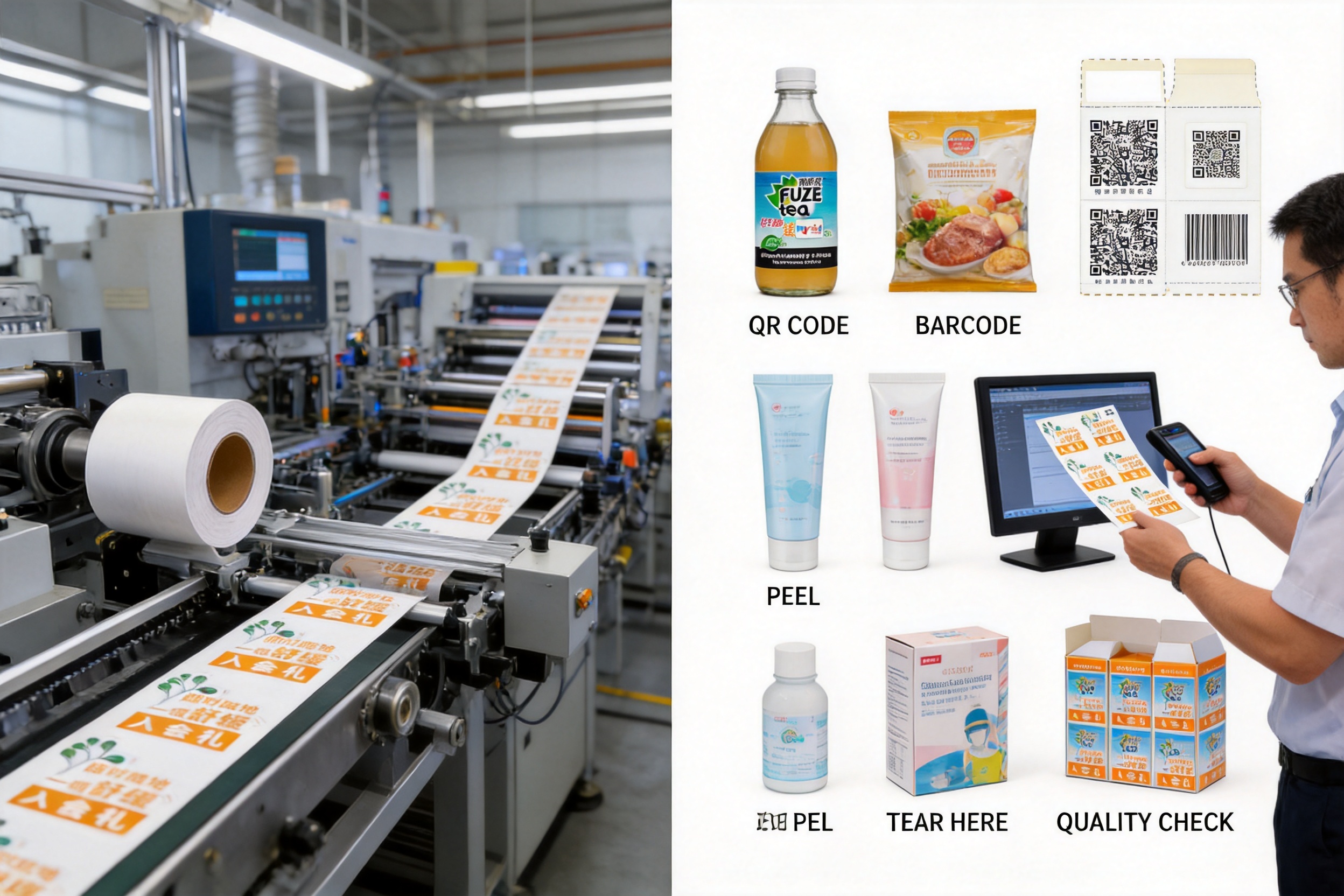
Instant redeemable coupon labels are promotional labels designed to connect a product purchase with an immediate consumer reward. Instead of requiring shoppers to find, retain, mail, or separately print a traditional paper coupon, the label itself acts as a complete promotional voucher. It can be manufactured as an easy-tear sticker, peel-off tag, detachable label, or independent product tag and can display a QR code, barcode, alphanumeric redemption code, or another form of coded promotion.
For brands, retailers, and promotional agencies, this format offers a practical way to place an incentive directly on merchandise. Once the consumer purchases the product, the coupon can be detached and scanned on-site or online to receive a discount, cash rebate, gift, loyalty benefit, or other promotional reward. The result is a shorter path between purchase and redemption, fewer opportunities for coupon loss, and a more visible connection between the product and the campaign.
Shanghai Rongyang Industrial Development Co., Ltd. provides custom instant redeemable coupon labels and related pressure-sensitive label solutions for customers in consumer goods, food and beverage, healthcare, retail, logistics, and other industries. Its integrated capabilities cover research and development, material selection, label printing, converting, quality inspection, and customized production. Through advanced automated equipment, precision inspection systems, and structured quality management, the company supports promotional labels that combine visual impact, functional performance, and reliable redemption handling.
What Are Instant Redeemable Coupon Labels?
An instant redeemable coupon label is a promotional label that carries a directly usable offer. It may be attached to a product, package, shelf-ready unit, carton, promotional display, or retail item. The coupon component is usually designed for simple removal, such as tearing along a perforation, peeling from a release liner, lifting a removable section, or detaching a separately manufactured tag.
The key difference between an instant redeemable coupon and a conventional coupon is integration. A conventional coupon often exists as a separate paper item distributed through newspapers, direct mail, flyers, websites, or promotional booklets. The consumer must locate the coupon, keep it, bring it to the store, and present it under the required conditions. An instant redeemable coupon is already connected to the purchasing journey. The offer is available on or with the product at the point where the consumer is making a buying decision.
Each label can be configured with a unique or shared QR code, barcode, promotional code, serial number, or variable-data identifier. The code may direct the user to an online redemption page, identify a discount in a retail system, validate a prize, or connect the purchase to a loyalty platform. The label may also include instructions, expiration details, legal terms, campaign branding, and a short call to action.
Because the label is both a product identifier and a promotional tool, its construction must balance several requirements. It should remain securely attached during distribution and retail display, provide an attractive printed surface, resist expected handling and environmental exposure, and still allow the consumer to remove or activate the coupon without unnecessary difficulty.
Why Instant Redemption Matters in Modern Promotions
Promotional effectiveness depends not only on the value of an offer but also on how easily consumers can understand and use it. A complicated redemption process creates friction. Consumers may forget to save a coupon, lose a paper voucher, misunderstand the terms, or decide that the effort required is greater than the perceived benefit. Instant redeemable coupon labels address these problems by placing the offer, the product, and the redemption instruction in one coordinated format.
The label can communicate the benefit at the moment of purchase. A clear statement such as “Scan to Redeem,” “Tear and Save,” or “Unlock Your Reward” provides a direct instruction. When supported by a QR code or barcode, the consumer does not need to enter a long web address or manually type a complex sequence. The shorter the process, the greater the likelihood that the promotion will be completed.
For merchants, this approach can improve campaign visibility without requiring a separate coupon distribution channel. Products already moving through the retail system become the delivery mechanism for the promotion. This can help brands connect an offer to a particular product, package size, sales region, channel, or campaign period.
Instant redemption also supports measurable marketing. A unique code can be linked to a specific product batch, store, location, campaign, or consumer action. Depending on the redemption platform, campaign managers may evaluate scan volume, redemption rates, geographic performance, timing, and repeat participation. The physical label therefore becomes an entry point to a broader digital marketing system.
Core Advantages Over Traditional Paper Coupons
Direct Connection to the Product
A separate coupon can become disconnected from the product it promotes. Consumers may receive a coupon without immediately understanding which item it applies to, or they may forget to use it before the promotion expires. An instant redeemable coupon label remains physically associated with the merchandise until purchase and redemption.
This connection can reinforce product recognition and improve promotional clarity. The consumer sees the product, the offer, and the instructions together. The design can also use the same colors, typography, imagery, and campaign language as the package, creating a consistent brand experience.
Reduced Risk of Coupon Loss
Traditional paper coupons are commonly misplaced, damaged, or left at home. A label attached to the purchased product is more difficult to lose before the consumer has the opportunity to redeem it. Even when the tag is detached, it can be designed as a compact, durable, and clearly marked coupon rather than an ordinary loose sheet of paper.
Material selection contributes to this advantage. Depending on the application, the label may use coated paper, synthetic film, removable adhesive, permanent adhesive, or specialty stock. The appropriate combination can improve resistance to moisture, abrasion, handling, refrigeration, or transportation conditions.
Simplified Redemption
The product label can provide a QR code, barcode, or short redemption code that enables immediate action. A consumer may scan the code using a mobile phone, present it at a retail counter, or enter it into an online promotional platform. Clear instructions can reduce confusion and minimize the need for additional documentation.
Easy-tear construction is especially useful when the complete product label must remain attached for product identification while the coupon section is intended for consumer removal. Perforation, die-cutting, slit design, and adhesive selection can all be adjusted to produce a controlled separation.
Higher Promotional Visibility
A promotional label can be positioned on a high-visibility area of the package or product. Bright colors, metallic effects, clear windows, tactile features, and high-resolution graphics can draw attention while preserving the identity of the underlying product.
Compared with a coupon placed in a newspaper, email, or general promotional leaflet, the label reaches consumers who are already viewing or purchasing the relevant product. This proximity may improve message relevance and reduce the distance between promotional communication and consumer action.
Improved Campaign Tracking
Variable QR codes, barcodes, or serialized identifiers can support more detailed campaign control. A brand may produce different code ranges for different markets, retailers, distribution areas, or product variants. This can help identify which channels generate the strongest engagement and whether the campaign is achieving its intended purpose.
Tracking capability also helps reduce duplicate claims and unauthorized use when the redemption platform is configured to validate individual codes. The label itself does not replace a secure redemption system, but it provides the physical carrier for a controlled promotional identity.
Flexible Promotional Benefits
Instant redeemable labels can support many types of rewards. Examples include percentage discounts, fixed-value rebates, free products, samples, loyalty points, digital content, gift cards, sweepstakes entries, and access to special offers. The printed message can remain concise while the QR code directs the consumer to detailed terms and campaign information.
Product Structure and Functional Design
An effective instant coupon label begins with a clear separation between the permanent label function and the redeemable coupon function. Some products need the coupon to be completely removed. Others require a coupon tab or tear-off section while the main label remains in place. The construction should reflect the physical behavior expected during packaging, shipping, retail display, and consumer use.
Easy-Tear Sticker Construction
An easy-tear sticker may include a perforated boundary, a shaped tear tab, or a partially die-cut coupon area. The perforation must be strong enough to survive production and distribution but easy enough for the end user to operate. If it is too weak, the coupon may separate prematurely. If it is too strong, consumers may tear the label unevenly or damage the product package.
The tear direction, perforation spacing, label shape, and adhesive pattern all influence usability. Production testing can help determine whether the design works consistently across different package surfaces and handling conditions.
Peel-Off Coupon Layers
A peel-off design may use a removable top layer containing the promotional code. This format can provide a clean appearance and may allow the main product label to remain intact. The top layer can be printed with instructions, while the underlying layer may contain a second code, verification message, or additional campaign content.
Peel performance should be controlled carefully. The coupon should remain secure during normal transportation but should be removable without tearing unexpectedly or leaving excessive adhesive residue. Adhesive and liner selection are therefore important parts of the design process.
Independent Promotional Tags
An independent tag can be attached to the product by adhesive, string, plastic fastener, or another approved method. This format may be suitable for bottles, gift packs, cartons, promotional bundles, and products with limited printable surface area. The tag can be shaped to create a distinctive visual element while providing sufficient space for the code and terms.
Code Placement and Scanning Performance
QR codes and barcodes require adequate contrast, sufficient quiet space, appropriate dimensions, and consistent print quality. They should not be placed across folds, perforations, extreme curves, heavy textures, or areas likely to be scratched. The code should be tested after printing and converting, not only from the original artwork file.
When labels are used in refrigerated, humid, dusty, or high-contact environments, the surface material and ink system should be selected to protect readability. In variable-data projects, inspection systems can verify that printed codes match the intended data sequence and remain scannable.
Applications Across Multiple Industries
Food and Dairy Products
Food and dairy brands frequently use promotions to encourage trial, repeat purchases, seasonal buying, or family-size purchases. An instant redeemable coupon label can be applied to cartons, bottles, pouches, jars, boxes, and multipacks. The label may offer a discount on the current purchase or provide a reward for a future purchase.
Food applications require close attention to adhesive selection, temperature exposure, condensation, packaging curvature, and regulatory information. Labels should be designed so that the promotional area does not obscure mandatory product information, allergen declarations, nutritional panels, batch information, or expiration data.
Liquor and Beverage Products
Beverage promotions can use instant coupon labels to support seasonal campaigns, event marketing, loyalty programs, and retail incentives. A tag around a bottle neck, a pressure-sensitive label on a multipack, or a detachable coupon on a beverage carrier can create a visible and convenient promotional interaction.
For liquor and beverage packaging, appearance is particularly important. Clear films, metallic effects, high-quality graphics, varnishes, and precisely shaped labels can help the promotion complement the product rather than appear as an unrelated addition. The code must remain readable on curved surfaces and under expected lighting conditions.
Beauty and Personal Care
Beauty and personal care products often depend on sampling, cross-selling, and repeat purchasing. An instant coupon can encourage consumers to try a complementary product, purchase a larger size, or participate in a digital loyalty experience. The label may be applied to bottles, tubes, cartons, jars, or promotional bundles.
Because personal care packaging is frequently exposed to moisture, oils, creams, and repeated handling, material and adhesive compatibility should be evaluated. A durable printed surface and controlled removal behavior can protect both product presentation and consumer experience.
Healthcare Products
Healthcare labels may support patient education, product registration, loyalty programs, sampling initiatives, or pharmacy promotions. In this sector, the promotional element must never compromise essential product information or create confusion about dosage, warnings, instructions, or regulatory statements.
Variable codes may be used for controlled campaigns, provided that the redemption process follows applicable privacy, promotional, and healthcare requirements. Clear typography and a logical information hierarchy are essential for labels used in sensitive product categories.
Retail and Consumer Goods
Retail products can use instant coupons to encourage purchase at the shelf, promote a new product, or create a connection between physical merchandise and a mobile campaign. The label may be targeted to a specific retailer or market and can be produced in multiple language versions or code groups.
Tube Packaging
Tubes often have limited printable space and curved surfaces. An independent tag or compact coupon sticker can provide promotional functionality without redesigning the entire tube. The label must be selected for adhesion, flexibility, and readability across the tube’s surface.
Logistics and Promotional Bundles
Promotional labels can also be used on shipping cartons, gift packs, subscription boxes, and distribution units. A code printed on an outer package may invite the recipient to register a product, access a discount, or participate in a brand campaign. The label can be combined with logistics information when the design clearly separates operational and promotional data.
Manufacturing Process and Quality Control
The performance of an instant redeemable coupon label depends on more than artwork. It is the result of coordinated decisions involving materials, adhesive technology, printing, die-cutting, perforation, coding, inspection, and packaging. A capable manufacturer must manage these elements as one production system.
Artwork and Prepress Evaluation
Production begins with artwork review. The manufacturer evaluates label dimensions, bleed, safe zones, color requirements, code size, text legibility, perforation location, adhesive boundaries, and the relationship between the permanent label and removable coupon area.
Special attention is required when the design contains variable codes. The data structure, numbering sequence, duplication rules, and output format should be confirmed before mass production. The artwork must also preserve adequate space around each code so that scanning performance is not reduced by nearby graphics or text.
Material Selection
Materials may include coated paper, uncoated paper, white or transparent film, synthetic paper, metallic stock, and specialty constructions. Selection depends on the package surface, environmental exposure, appearance requirements, desired tear behavior, and expected coupon life.
For removable applications, the adhesive must balance holding power and clean removal. For permanent product labels, stronger adhesion may be necessary. For curved, textured, cold, or low-energy surfaces, the adhesive system may require additional evaluation.
High-Quality Printing
Printing technology is selected according to run length, artwork complexity, color requirements, variable-data needs, and material type. High-resolution printing supports small text, detailed graphics, and clear codes. Color management helps maintain consistency across multiple production lots and product versions.
Protective varnishes, laminates, or coatings may be used to improve resistance to abrasion, moisture, oils, or handling. These finishes must be compatible with scanning requirements and should not create excessive glare that interferes with code recognition.
Precision Die-Cutting and Perforation
Die-cutting determines the label shape and the separation of the coupon component. Precision is important because misaligned cuts can affect appearance, weaken the label, expose adhesive, or make the coupon difficult to remove. Perforation patterns should be tested for both machine handling and consumer operation.
For complex shapes, the manufacturer may use custom tooling or automated converting systems. The goal is to achieve repeatable dimensions across the production run while minimizing waste and maintaining clean edges.
Variable Data and Code Verification
When every label contains a unique code, the manufacturing process must control data integrity from file preparation through final inspection. Each code should be associated with the correct artwork version and campaign specification. Inspection systems can detect missing, duplicated, blurred, incomplete, or incorrectly positioned codes.
Code verification should evaluate both the printed image and its practical scanning performance. A code that appears visually acceptable may still fail if contrast, quiet zones, module structure, or surface finish are unsuitable.
Final Inspection and Packaging
Finished labels are inspected for color, dimensions, registration, die-cut accuracy, perforation quality, adhesion, surface defects, and code readability. Sampling plans may be combined with automated inspection depending on the campaign’s requirements.
Packaging should protect rolls, sheets, or individually supplied tags from dust, moisture, deformation, and handling damage. Labels should be clearly identified by product version, batch, quantity, and code range when variable data is involved.
Advanced Manufacturing Strengths
Shanghai Rongyang Industrial Development Co., Ltd. operates as an integrated label solutions provider rather than only a printing vendor. Its capabilities include research and development, manufacturing, sales, and technical service. This integrated structure helps connect early product planning with production execution and customer support.
The company uses automated production lines and precision inspection equipment to support consistent output. Automation can improve repeatability in printing, converting, and finishing while reducing variation between production batches. Inspection equipment provides additional control over dimensions, appearance, and functional details.
Its quality management approach covers the process from raw materials to finished products. This is particularly important for instant coupon labels because the label must satisfy multiple performance requirements at the same time: attractive graphics, secure attachment, controlled removal, reliable code readability, and stable performance during distribution.
The company’s broader product portfolio includes pressure-sensitive labels for fast-moving consumer goods, food and beverage, pharmaceuticals, logistics, and retail. It also develops RFID inlays, tags, and finished products in high-frequency and ultra-high-frequency formats for warehouse logistics, asset management, retail applications, and smart manufacturing.
This experience with both conventional labels and smart identification products provides a strong foundation for promotional labels that connect printed information with digital interaction. Where required, a campaign can be planned as a combination of printed promotion, barcode identification, QR-code engagement, and RFID-enabled tracking.
Rongyang also provides customized label solutions involving anti-counterfeiting features, high-temperature resistance, removable adhesion, and specialized die-cutting. These capabilities are relevant when an instant coupon must operate under unusual environmental conditions or when the promotion requires additional security and product protection.
Production facilities in China and Malaysia support international customer requirements and provide options for project planning, capacity allocation, and regional supply. The company was founded in 2008 and has obtained ISO 9001 and ISO 14001 certifications. It has also passed a SMETA social responsibility audit, demonstrating attention to quality management, environmental responsibility, and responsible business practices.
Comparison of Promotional Label Options
| Feature | Traditional Paper Coupon | Instant Redeemable Coupon Label | Digital-Only Promotion |
|---|---|---|---|
| Connection to product | Usually separate from the product | Attached directly to the product or package | May require the consumer to find the promotion online |
| Risk of loss | Relatively high after distribution | Lower before purchase because it remains with the product | Can be forgotten or hidden among digital messages |
| Point-of-purchase visibility | Depends on distribution and display | High when placed on visible packaging | Depends on mobile or online engagement |
| Redemption method | Physical presentation or manual processing | QR code, barcode, code entry, or tear-off voucher | Digital account, app, website, or online checkout |
| Campaign tracking | Often limited unless specially coded | Can use variable codes and trackable identifiers | Usually strong, depending on the platform |
| Physical branding impact | Limited connection to package design | Can match the product’s visual identity | Primarily controlled through digital media |
| Best use case | Mass distribution and broad coupon circulation | Product-linked, retail, and packaging-based promotions | Audience engagement and account-based campaigns |
Customization Options for Brand and Retail Campaigns
Custom instant redeemable coupon labels can be tailored to the campaign’s objective, package structure, and consumer interaction model. Customization may involve size, shape, substrate, adhesive, color, finish, code type, removal method, and packaging format.
Shape and Size
A compact label may be suitable for small bottles, tubes, and personal care containers, while a larger tag may be needed for multipacks or promotional bundles. Shapes can be rectangular, round, oval, irregular, or designed around a specific product feature. The label should remain practical for automated application and retail handling.
Adhesive Performance
Permanent adhesive is appropriate when the label must remain attached throughout the product life cycle. Removable adhesive may be preferred when consumers need to detach the coupon without damaging the package. Special applications may require high initial tack, low-temperature performance, repositionability, or clean removal.
Surface Effects
Gloss, matte, soft-touch, transparent, metallic, textured, and tactile finishes can help the coupon attract attention. However, finishing choices should be evaluated against code readability, writing requirements, package compatibility, and cost objectives.
Security and Anti-Counterfeiting
Promotional campaigns can be vulnerable to unauthorized copying, especially when rewards have high value. Security options may include serialized codes, hidden messages, tamper-evident construction, specialty inks, microtext, holographic elements, or controlled variable data. The appropriate method depends on the campaign risk and the redemption platform.
Multilingual and Regional Versions
International campaigns may require multiple languages, local legal terms, regional currencies, different redemption instructions, and market-specific code ranges. The production process should maintain clear version control so that each label is matched with the correct market and product.
Designing for Consumer Usability
The most sophisticated label will underperform if consumers cannot understand what to do. A successful design should communicate the reward, the action, and the essential conditions in a logical order.
The promotional headline should be concise and visible. The QR code or barcode should be large enough for reliable scanning and placed on a relatively flat, unobstructed area. Instructions should explain whether the consumer needs to tear, peel, scan, enter a code, or present the label at a store. Expiration dates and restrictions should be readable without overwhelming the main promotional message.
Designers should consider how the label appears under retail lighting, how it will be handled after purchase, and whether consumers are likely to scan it with a mobile phone or present it to staff. A call to action should be supported by adequate contrast and intuitive visual hierarchy.
When the coupon is intended for online use, the label may include a QR code together with a short backup code. This provides an alternative if the camera cannot read the code or if the consumer prefers manual entry. When the coupon is redeemed at a physical register, the barcode should be compatible with the retailer’s scanning environment and should be tested using the actual operational equipment whenever possible.
Quality, Compliance, and Operational Considerations
Promotional labels may be connected to regulated products, retail policies, consumer data, and financial rewards. The printed terms should be reviewed before production. Campaign owners should confirm offer validity, expiration dates, geographic limits, redemption limits, product eligibility, and customer support information.
For food, beverage, healthcare, and personal care products, promotional content should not cover required information or create misleading impressions. The label’s adhesive, ink, coating, and substrate should be suitable for the product environment. Where applicable, customers should review local requirements for packaging contact, recycling, chemical compliance, and promotional disclosure.
Operational planning is equally important. The campaign owner should determine how codes are generated, where redemption is processed, how invalid or duplicate codes are handled, and what happens if a consumer receives a damaged label. The label manufacturer can support the physical product, but the redemption platform and campaign rules must also be properly configured.
Quality documentation may include approved artwork, material specifications, production samples, inspection records, batch information, code-range records, and shipment details. A documented approval process helps reduce the risk of printing an outdated offer, incorrect code sequence, or wrong market version.
Why Choose an Integrated Label Manufacturer?
An integrated manufacturer can help reduce communication gaps between design, material selection, printing, and finishing. Instead of treating the coupon as a simple printed decoration, the manufacturer evaluates how it will function during packaging, transport, retail display, consumer removal, and redemption.
For complex campaigns, this approach can improve development efficiency. A single technical partner may assist with selecting the adhesive, adjusting the tear line, optimizing code placement, choosing a protective finish, and preparing production samples. Early testing can identify problems before the full campaign is manufactured.
Integrated production also supports consistency. When printing, die-cutting, variable coding, inspection, and packaging are managed within a coordinated system, the final product can be controlled against a common specification. This is particularly valuable for high-volume campaigns, multiple product variants, and international shipments.
Shanghai Rongyang combines pressure-sensitive label expertise with smart-label and RFID capabilities. This makes it suitable for customers seeking more than a basic promotional sticker. Depending on the project, the label may be developed as a straightforward coupon, a trackable variable-data promotion, an anti-counterfeiting solution, or part of a broader product identification system.
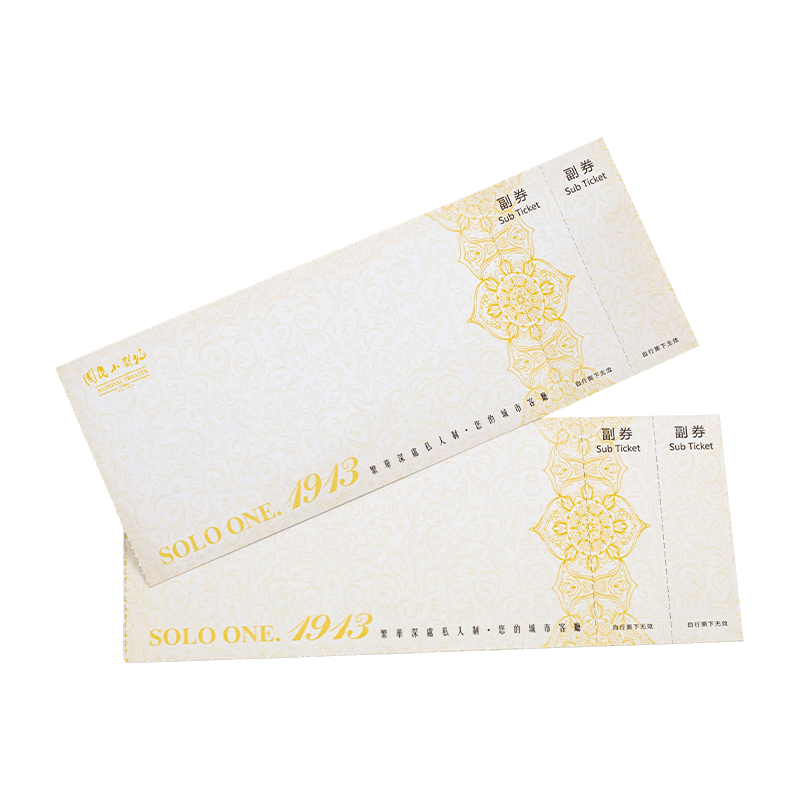
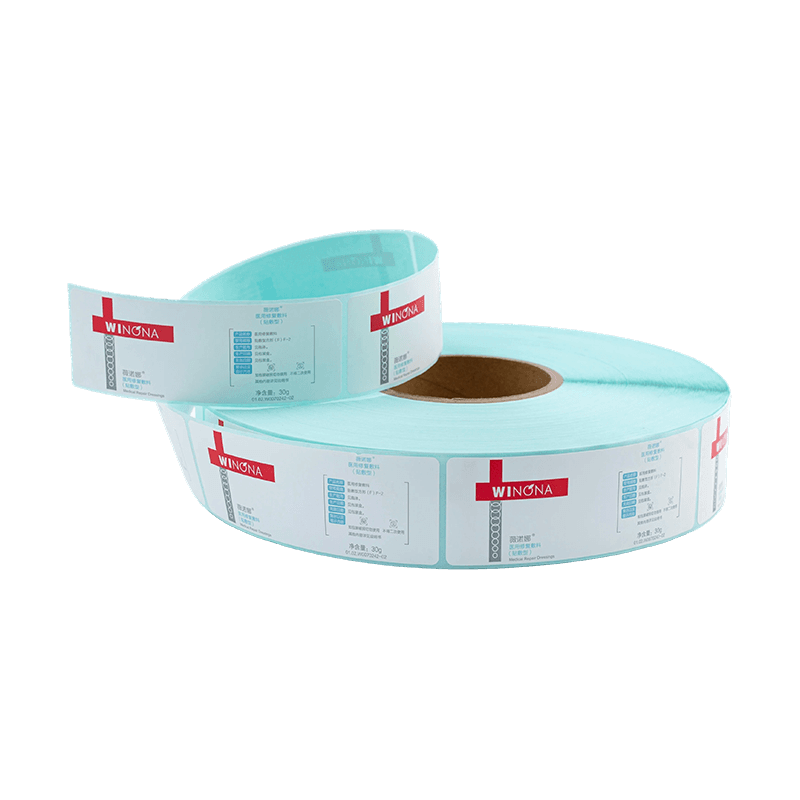
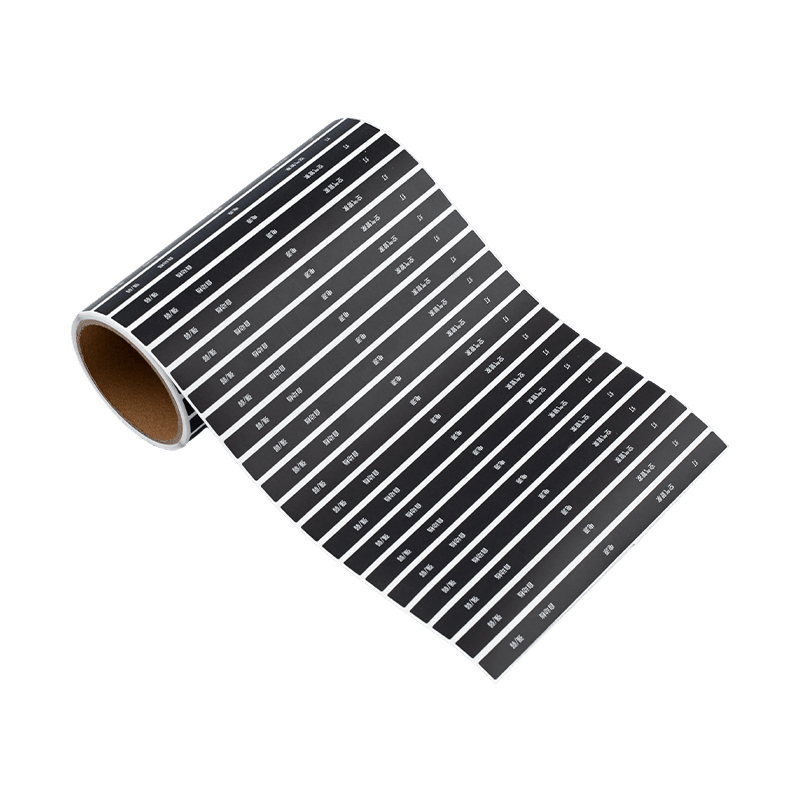
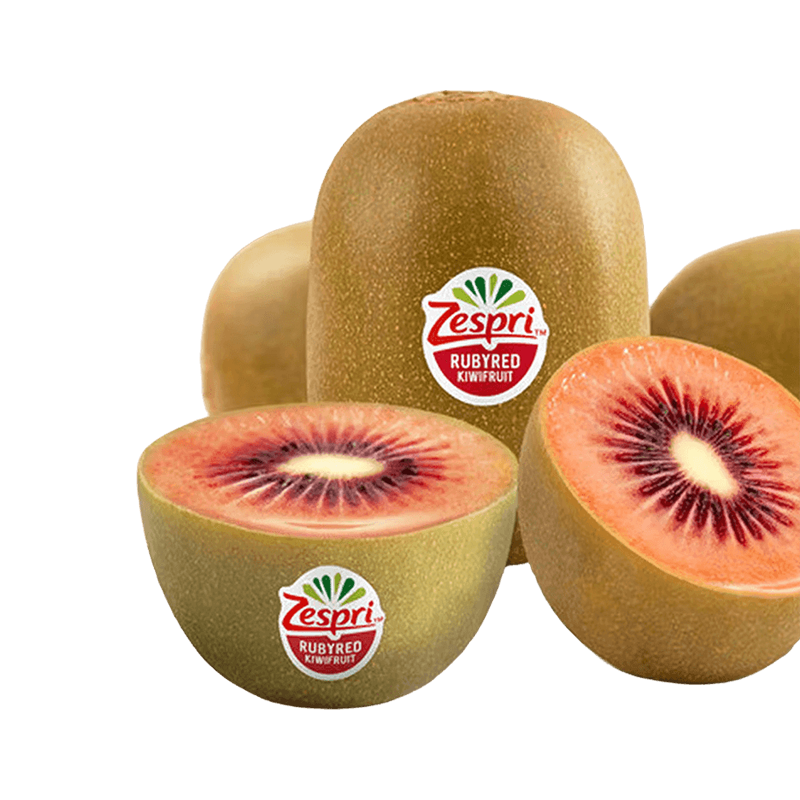
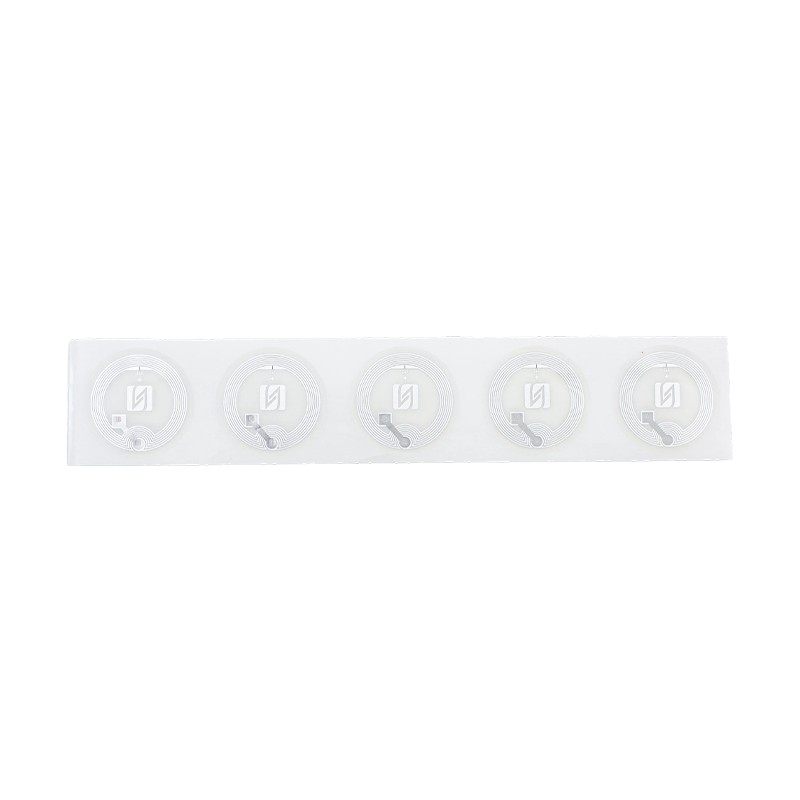
Instant coupon redemption
Recommended Development Workflow
Step One: Define the Campaign Objective
The customer should first determine whether the label is intended to increase immediate sales, encourage repeat purchases, generate digital engagement, promote a new product, reward loyalty, or support a retailer-specific campaign. The objective influences the code type, label position, reward message, and tracking method.
Step Two: Confirm the Product and Application Surface
Information about the package material, curvature, surface texture, temperature exposure, moisture, storage conditions, and application equipment helps determine the correct substrate and adhesive. The manufacturer can then recommend an appropriate construction rather than relying only on appearance.
Step Three: Select the Redemption Method
The campaign owner should decide whether redemption will occur by QR code, barcode, manual code entry, retail scanning, online validation, or a combination of methods. The chosen method must be reflected in the label’s dimensions, code placement, printed instructions, and inspection requirements.
Step Four: Develop and Approve Artwork
Artwork should include the promotional message, call to action, code area, terms, expiration information, and any legal statements. A proof or prototype should be reviewed for readability, visual balance, code scanning, and removal behavior before mass production.
Step Five: Test the Finished Construction
Testing should simulate the real product environment. Labels may be applied to production packaging and evaluated through handling, transportation, refrigeration, moisture exposure, stacking, abrasion, and consumer removal. Codes should be scanned using the intended devices or systems.
Step Six: Produce, Inspect, and Deliver
After approval, the manufacturer produces the labels under controlled specifications. Inspection covers appearance, dimensions, adhesive behavior, perforation or die-cut accuracy, and code integrity. Packaging and shipment records should preserve product and batch traceability.
Environmental and Sustainability Considerations
Promotional labels are small components, but material choices can contribute to a campaign’s overall environmental profile. Customers may consider lightweight substrates, optimized label dimensions, efficient nesting, recyclable materials, reduced packaging, and responsible production practices.
Paper-based options may be suitable for some applications, while film or synthetic materials may be necessary for moisture resistance, durability, or specialized performance. The correct choice depends on the full life cycle of the product and the conditions under which the label must function.
Shanghai Rongyang has obtained ISO 14001 certification, reflecting a structured environmental management approach. Customers should still evaluate sustainability requirements on a project-by-project basis, including adhesive composition, liner disposal, package recyclability, and regional recycling infrastructure.
Reducing production waste through accurate tooling, efficient layout, controlled color management, and appropriate batch planning can improve material utilization. Digital campaign tracking may also reduce the need for large quantities of general-purpose paper coupons, although the best solution depends on the product and consumer audience.
Business Value for Brands and Retailers
Instant redeemable coupon labels can deliver value at several stages of the commercial process. At the shelf, the label can make a product more noticeable and communicate a clear reason to buy. At checkout or immediately after purchase, it can provide a simple reward interaction. After redemption, the campaign data can support future marketing decisions.
For retailers, the format can be adapted to store-specific promotions, seasonal events, bundle offers, or loyalty initiatives. For manufacturers, it can help launch new products and encourage trial without requiring a complete package redesign. For promotional agencies, it offers a physical format that can be integrated with mobile and online engagement.
The label can also help create a more measurable relationship between physical merchandise and digital behavior. A campaign that begins with a printed tag may lead to a product registration, survey, loyalty enrollment, social interaction, or repeat purchase. The printed label is therefore not only a discount carrier; it can be a compact gateway to a broader customer experience.
Frequently Asked Questions
What is an instant redeemable coupon label?
It is a product-attached sticker or tag that functions as a complete coupon. It normally includes a QR code, barcode, unique code, or redemption instruction that allows the consumer to claim a discount, rebate, gift, points, or another reward after purchase.
How is it different from a traditional coupon?
A traditional coupon is usually distributed separately from the product and may be lost or forgotten. An instant redeemable coupon label remains connected to the product during the purchasing journey and provides a direct path to redemption.
Can the coupon be removed while the main product label remains attached?
Yes. The label can be designed with perforation, partial die-cutting, a tear-off section, or a removable top layer. The construction depends on whether the customer needs a detachable coupon, a permanent product label, or both functions together.
Which codes can be printed on the label?
Common options include QR codes, retail barcodes, serialized alphanumeric codes, campaign identifiers, and variable-data codes. The best option depends on the redemption platform, retail system, security requirements, and consumer interaction method.
Can each coupon have a different code?
Yes. Variable-data printing and controlled data management can be used to produce unique codes. The data should be supplied and approved under a documented process, and printed codes should be inspected for completeness, accuracy, and readability.
Are instant coupon labels suitable for curved bottles and tubes?
They can be suitable when the label material, adhesive, dimensions, and code placement are selected for the curved surface. Samples should be applied to the actual container and tested before mass production.
Can the labels be used in refrigerated or humid environments?
Yes, provided that the substrate, adhesive, ink, and protective finish are selected for the expected conditions. Condensation, low temperatures, surface energy, and handling should be considered during development.
Can instant redeemable coupons include anti-counterfeiting features?
Yes. Options may include unique serialized codes, tamper-evident construction, hidden information, specialty inks, microtext, holographic effects, and controlled variable data. The appropriate security level depends on the value and risk of the campaign.
Can the label be customized for different languages and markets?
Yes. Labels can be produced in multiple language versions with different terms, currencies, expiration dates, product references, and code ranges. Strong version control is essential for international campaigns.
What information should be provided when requesting a quotation?
Useful information includes label size, shape, material preference, package type, application surface, quantity, artwork status, code type, variable-data requirements, adhesive performance, finish, delivery location, and expected environmental conditions.
How can code readability be protected?
The code should have adequate size, contrast, quiet space, and a flat enough printing area. It should not cross perforations, folds, seams, or highly reflective finishes. The finished label should be tested with the intended scanning device or system.
Can the labels be supplied on rolls or sheets?
Yes. The appropriate supply format depends on the application equipment, manual handling process, label size, and customer packaging operation. Roll direction, core size, winding orientation, and sheet dimensions should be confirmed before production.
Does the manufacturer provide more than promotional labels?
Shanghai Rongyang also provides pressure-sensitive labels, RFID inlays, RFID tags, finished RFID products, anti-counterfeiting solutions, high-temperature labels, removable labels, and specialized die-cut products for industries including retail, food and beverage, pharmaceuticals, logistics, and smart manufacturing.
Why is prototype testing important?
Prototype testing verifies that the label adheres correctly, tears or peels as intended, remains attractive after handling, and provides reliable code scanning. It can reveal problems related to package curvature, moisture, abrasion, application equipment, or consumer operation before full production.
Conclusion
Instant redeemable coupon labels turn a product label into an immediate promotional touchpoint. By combining clear messaging, controlled removal, QR codes or barcodes, and product-linked distribution, they reduce the friction associated with conventional coupon campaigns. Consumers receive a more direct and convenient experience, while brands and retailers gain stronger visibility and greater opportunities for campaign tracking.
The success of the format depends on careful engineering. Material selection, adhesive performance, printing quality, code readability, die-cutting accuracy, perforation design, and inspection must work together. A label that looks attractive but fails to scan or cannot be removed correctly will not deliver the intended promotional value.
With integrated R&D, manufacturing, technical service, automated production lines, precision inspection equipment, pressure-sensitive label expertise, RFID capabilities, and certified quality and environmental management systems, Shanghai Rongyang Industrial Development Co., Ltd. supports customized promotional label projects for domestic and international customers. Its instant redeemable coupon labels can be developed for food, beverage, beauty, personal care, healthcare, retail, tube packaging, promotional bundles, and other applications.
For companies seeking to connect physical products with immediate rewards and measurable digital engagement, a well-designed instant coupon label provides a practical, scalable, and consumer-friendly solution.
References
1. ISO 9001, Quality Management Systems — Requirements.
2. ISO 14001, Environmental Management Systems — Requirements with Guidance for Use.
3. GS1 General Specifications, standards for barcodes, identification, and data capture.
4. ISO/IEC 18004, Information technology — Automatic identification and data capture techniques — QR Code bar code symbology specification.
5. ISO/IEC 15415, Information technology — Automatic identification and data capture techniques — Bar code symbol print quality test specification.
6. Pressure-Sensitive Tape Council, technical principles for pressure-sensitive adhesive products.
7. Smart Label and RFID Industry Practices, guidance on item identification, traceability, and automated data collection.
8. Packaging and Label Converting Principles, industry guidance on substrates, adhesives, die-cutting, perforation, and finishing.
Product: Instant coupon redemption


Messae Us Right Now!

- Quick Links
- Products
- Quality Control
- Our Story
- News
- Contact
- Our Product
-
- Beauty and Personal Care Labels
- Home cleaning and laundry care labels
- Liquor and Beverage Labels
- Food and dairy product labels
- Healthcare Labels
- Promotional and Interactive Labels
- Specialty and industrial solution
- Labels Thermal printing and logistics labels
- Anti-counterfeiting traceability and RFID Labels
- Contact us
- Tel:+86-573-86867861
- Phone:+86-18621872035
- E-mail:allen.men@rylabel.com
- Add:No. 111 Xincheng Road, Haiyan Economic Development Zone, Jiaxing City, Zhejiang Province


