
 English
 русский
 Español


Home / Author / Lin Yuchan — International Sales Manager / Promotional Extended Content Labels: Expanding Packaging Space for Smarter Brand Communication
News

Promotional Extended Content Labels: Expanding Packaging Space for Smarter Brand Communication
2026-10-05
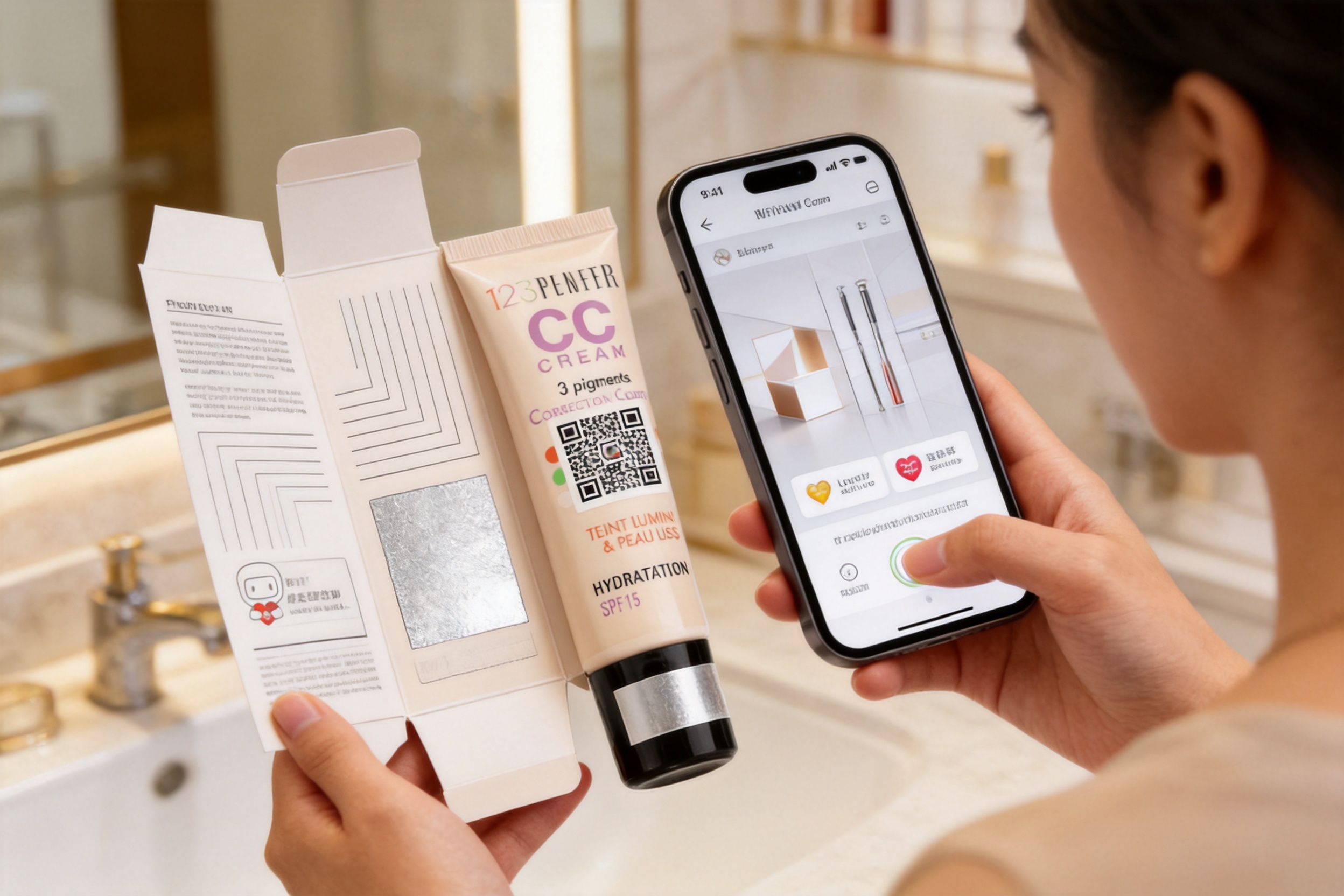
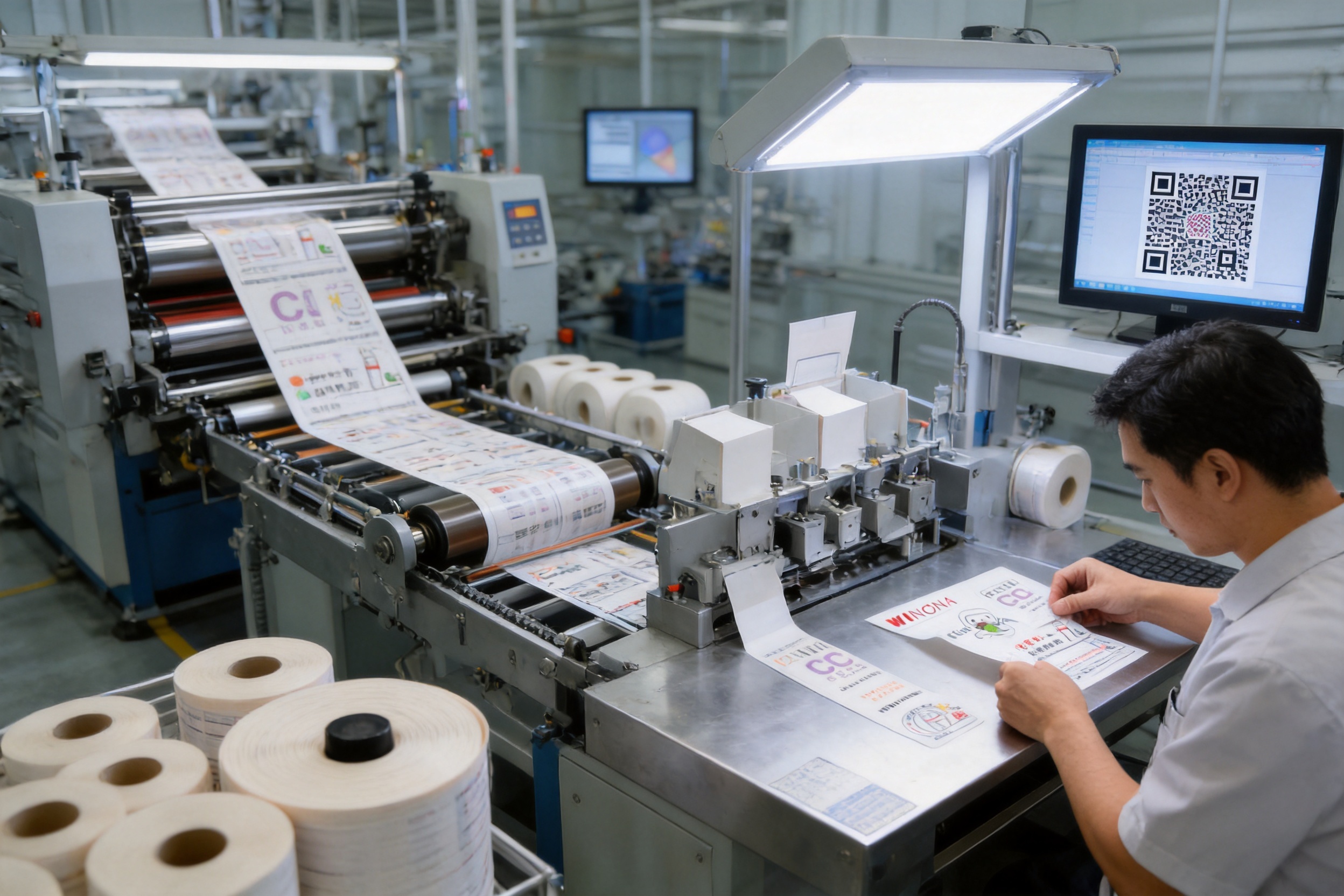
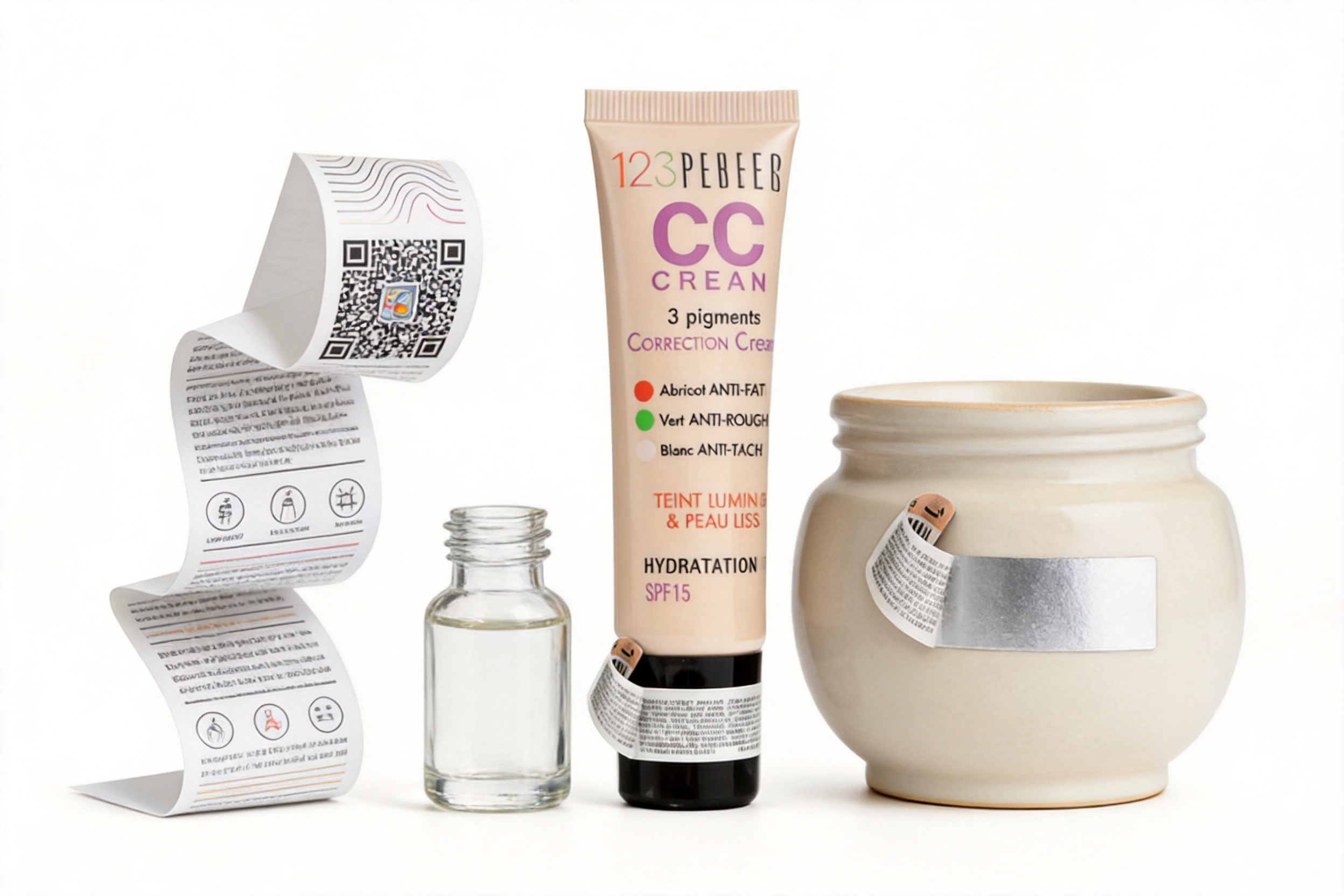
Packaging is no longer limited to identifying a product, displaying a logo, or presenting a short list of mandatory details. In competitive beauty and personal care markets, labels increasingly serve as information platforms, promotional tools, authentication interfaces, and digital communication channels. Promotional extended content labels are designed to meet this changing demand by carrying substantially more content than a conventional single-layer label while preserving a practical package appearance.
These labels use expandable structures, multi-layered folds, roll formats, and interactive components to provide more communication space on small or irregularly shaped containers. A single label can include multilingual instructions, ingredient information, usage tutorials, promotional messages, product registration details, digital coupons, authenticity verification, and loyalty-program access. This makes the format particularly valuable for international brands, new product launches, limited-edition campaigns, and products sold in markets with different regulatory and language requirements.
Shanghai Rongyang Industrial Development Co., Ltd. develops and manufactures pressure-sensitive labels and RFID smart labels for customers in China and international markets. Its capabilities combine label structure development, printing, converting, quality inspection, and customized functional solutions. Through this integrated approach, promotional extended content labels can be adapted to packaging dimensions, product use conditions, regulatory needs, and brand marketing objectives.
What Are Promotional Extended Content Labels?
Promotional extended content labels are specialized labels engineered to hold more information than a standard adhesive label without requiring a larger package. They typically incorporate multiple panels, folded sections, peel-and-reveal layers, or continuous roll constructions. The additional content area can be opened, unfolded, peeled, or scanned by the consumer.
The basic label may display the product name, key selling points, visual identity, and essential usage information. Once the consumer opens or expands the label, additional panels can reveal detailed ingredients, safety instructions, multilingual text, application guidance, promotional offers, brand stories, recycling instructions, customer service information, or digital activation prompts.
The format is especially suitable for small bottles, jars, tubes, vials, sachets, cartons, and other packages where available printing space is limited. Instead of reducing font size or removing useful content, manufacturers can create a compact label that expands when needed.
For marketing teams, the label can become an active entry point into a wider customer journey. Variable QR codes may direct consumers to product registration, points redemption, beauty tutorials, online coupons, or campaign pages. Scratch-off silver panels can conceal promotional codes or authentication information. Augmented reality trigger points can connect physical packaging with digital demonstrations and interactive brand experiences.
Why Conventional Labels Are Often Insufficient
Traditional labels are effective for basic identification, but they can become restrictive when a product must communicate with multiple audiences or serve multiple commercial purposes. A small package may need to display information in several languages, include legally required statements, explain usage procedures, list ingredients, communicate warnings, and present a promotional call to action. Attempting to fit all of this content onto one visible panel can make the package crowded and difficult to read.
International distribution creates an additional challenge. Products sold in different countries may require different languages, measurement systems, usage instructions, or regulatory statements. A standard label may need to be redesigned for each market, increasing artwork management, inventory complexity, and printing costs. Extended content structures offer a way to consolidate more information into a single compact solution while allowing the product to maintain a clean front-facing appearance.
New product launches also require more than static identification. Consumers may need an explanation of how to use an unfamiliar formula, how to combine it with other products, or how to access a promotional offer. A conventional label may provide too little room for this communication. An extended label can create a guided product experience from the moment the package is picked up.
Counterfeit risk is another concern in beauty and personal care markets. A visible label alone may be easy to reproduce. Interactive features, variable codes, scratch-off areas, and traceability systems can add layers of verification. These features do not replace a complete anti-counterfeiting program, but they can strengthen the connection between the physical product, the packaging identifier, and the brand’s digital platform.
Core Design Advantages
Expandable Information Capacity
The principal advantage is the ability to carry a wealth of information within a limited packaging footprint. Multi-layered folds and roll labels create additional printable surfaces without requiring a larger container. The external appearance can remain concise and attractive, while the internal panels provide space for detailed communication.
This expandable structure can be configured for different content priorities. A beauty product may use the front panel for product positioning, the inner panels for ingredients and application steps, and a concealed panel for a promotional code. A personal care product may use the extended area for multilingual directions, warnings, storage guidance, and recycling information.
Because the structure is configurable, the label can be designed around the product rather than forcing the product information into a fixed standard format. This is particularly helpful for small containers with curved surfaces, narrow bodies, short diameters, or limited printable zones.
Efficient Use of Limited Packaging Space
Promotional extended content labels rationalize packaging information by separating visible communication from expanded information. The consumer first sees the most important product and marketing messages. Additional details remain available without visually overwhelming the package.
This approach supports a clearer hierarchy. Primary branding, product identity, benefits, and promotional calls to action can occupy the exterior panel. Secondary information, such as full ingredient details, application instructions, multilingual content, and customer support information, can be placed on interior or extended sections.
Efficient space utilization is particularly valuable when packaging dimensions are controlled by filling equipment, shipping requirements, shelf presentation, or product ergonomics. Enlarging the container merely to accommodate more text may increase material usage and affect logistics. An extended label provides a more flexible alternative.
Support for Multilingual Communication
Global brands frequently need to present the same product in several languages. Translating all required content onto a conventional label can produce dense text and reduce legibility. A folded or roll-format label creates additional panels for language separation, allowing each language or language group to be presented more clearly.
This structure can also reduce the need to create completely different packaging designs for each market. Depending on regulatory and commercial requirements, a single extended format may accommodate multiple language versions while preserving a unified visual identity. Artwork and version control must still be managed carefully, but the label architecture offers greater flexibility.
Multilingual capability is useful not only for international distribution. It can also serve multicultural domestic markets, travel retail, e-commerce fulfillment, and products distributed across regional sales channels.
Integrated Promotional Functions
The product moves beyond the role of a static identifier by incorporating functions that support marketing conversion. Promotional messages can be placed on extended panels, while coupons, limited-time offers, loyalty instructions, or campaign participation codes can be integrated into the label structure.
A promotional label can guide a consumer from product discovery to action. For example, a consumer may see a short benefit statement on the exterior, open the label to discover a tutorial, scan a QR code to register the purchase, and receive a digital coupon for a future order. The physical package becomes part of a measurable marketing pathway.
Because the label is attached directly to the product, it remains present during use. This can provide repeated opportunities for engagement that may not exist with temporary shelf signage or separate promotional materials.
Interactive Digital Entry Points
Variable QR codes can be printed or integrated into the label to connect individual products or product batches with digital content. Depending on the campaign design, scanning can lead to electronic coupons, product registration, loyalty points, beauty tutorials, usage demonstrations, surveys, customer service pages, or authenticity verification.
Scratch-off silver areas can conceal codes until the product is purchased. This can create a sense of participation while helping protect promotional information from being copied before sale. The concealed area may support a prize campaign, redemption activity, authentication procedure, or limited-edition promotion.
AR trigger points can link the physical label to augmented reality experiences. When supported by the relevant digital platform, consumers may access demonstrations, interactive visuals, educational content, or promotional scenes through a smartphone. These capabilities can make packaging more memorable and help brands communicate benefits that are difficult to explain through short printed text alone.
Digital functions should be planned together with the physical label design. Code placement, scan reliability, contrast, protective coatings, label curvature, and consumer access all affect performance. A well-designed structure balances visual appeal with practical usability.
Support for Product Education
Beauty and personal care products often require explanation. Consumers may need to understand application order, recommended frequency, dosage, compatibility with other products, patch-testing procedures, or storage conditions. Extended content labels provide a convenient place for these instructions.
Educational content can reduce uncertainty at the point of use. A consumer who understands how to apply a product correctly may be more likely to achieve the intended result and repurchase it. Tutorials and step-by-step instructions can also reduce dependence on separate printed inserts, especially for compact products.
For new formulas and specialized products, the label can explain the purpose of featured ingredients, the expected product texture, or the recommended routine. The information can be printed directly, delivered through a QR code, or provided through a combination of both approaches.
Structural Options for Different Packaging Scenarios
Multi-Layer Folded Labels
Multi-layer folded labels are constructed with panels that open in stages. They can provide an expanded information area while maintaining a compact closed form. The fold pattern, panel sequence, adhesive zones, and opening direction can be customized according to the package geometry and consumer experience.
Folded labels are useful where the package has a relatively stable surface and the consumer needs to access detailed information during use. The design can provide a clear outside cover, an internal reading sequence, and a secure closure that keeps the label neat after opening.
Roll Labels
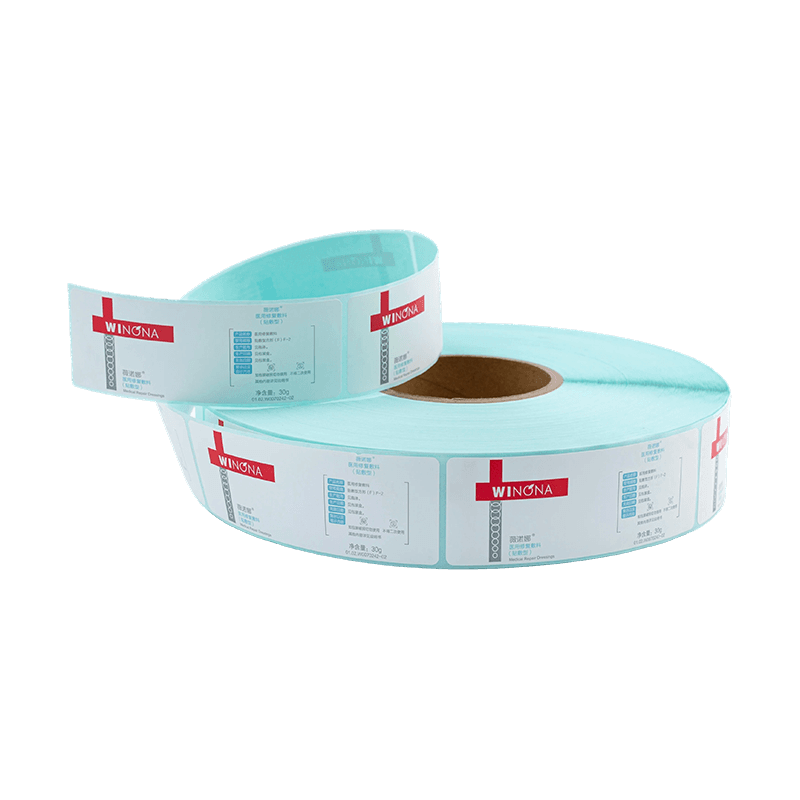
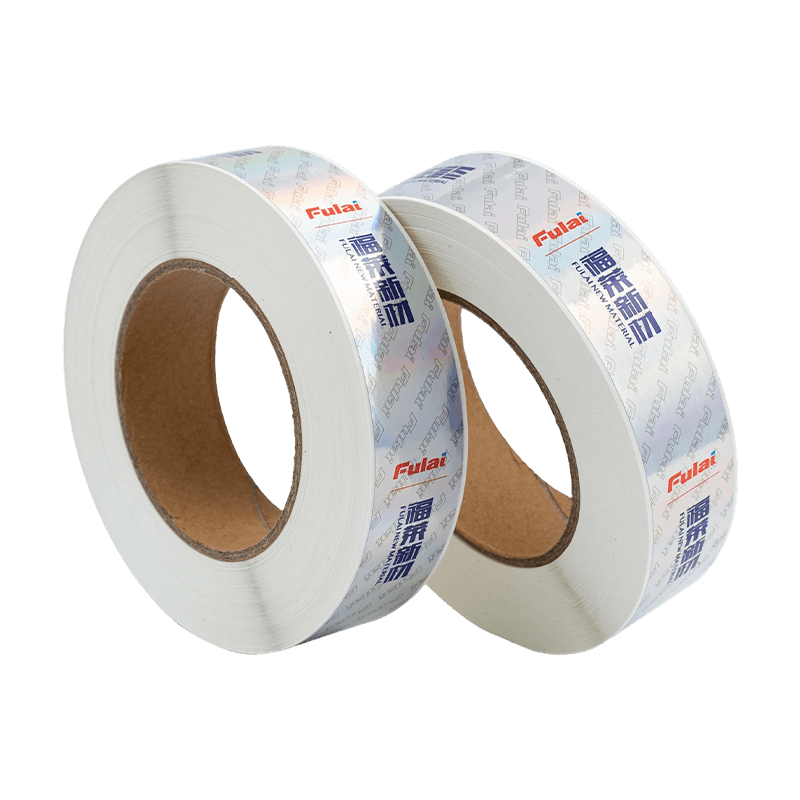
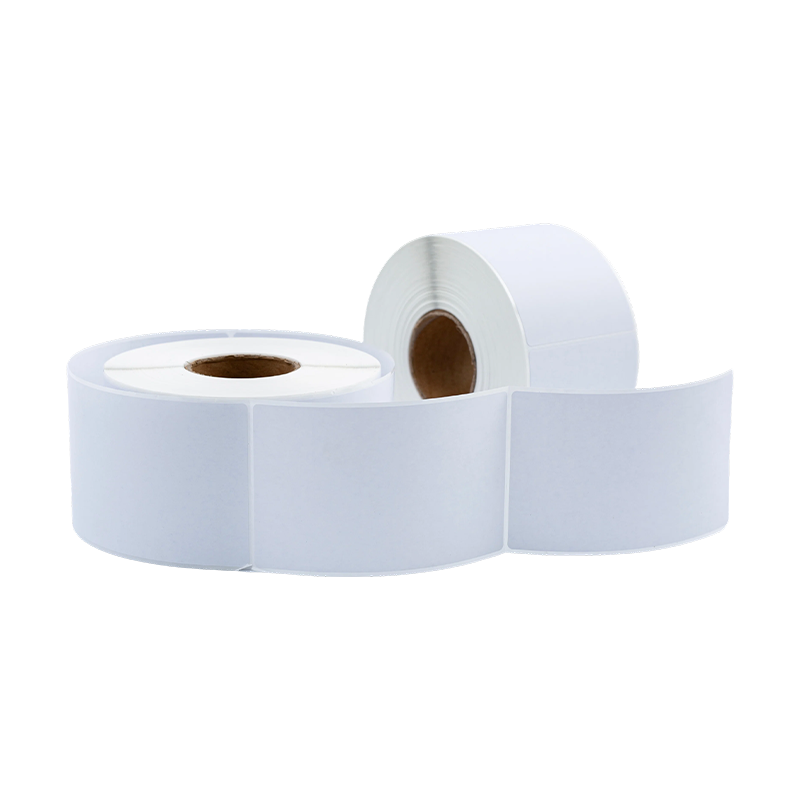
Roll-format extended labels are suitable for production environments that require continuous application or automated converting. A roll label can deliver additional printable content in a compact wound format and may be appropriate for specific bottles, tubes, and cylindrical packaging.
Roll structures can be engineered around the application equipment, label direction, adhesive requirements, and package circumference. Proper tension control, die-cutting accuracy, liner selection, and winding quality are important to ensure smooth downstream application.
Peel-and-Reveal Structures
Peel-and-reveal labels allow a consumer to lift one section to expose information underneath. This structure can be used for concealed promotional codes, detailed instructions, multilingual content, or authenticity messages. The peel force must be carefully balanced: the label should remain secure during transportation and handling but open without damaging the package or tearing the content.
Labels for Tubes and Small Containers
Tubes and small containers often have limited label areas and curved surfaces. Extended content formats can be adapted to narrow diameters and flexible substrates. Die-cutting, adhesive selection, and material flexibility must be evaluated to prevent lifting, wrinkling, flagging, or poor alignment.
For squeeze tubes, the label must also consider repeated flexing, contact with oils or creams, exposure to moisture, and the movement of the package during use. A suitable construction combines an appropriate face material, adhesive, ink system, and protective finish.
| Packaging Challenge | Extended Label Response | Typical Content | Important Design Considerations |
|---|---|---|---|
| Small package with limited surface area | Folded or peel-and-reveal structure | Ingredients, instructions, warnings, promotional information | Panel size, opening sequence, legibility |
| International distribution | Multiple language panels | Translations, regulatory statements, usage directions | Version control, legal review, text density |
| New product education | Expanded instructional area and QR access | Tutorials, routines, application guidance | Scanability, content maintenance, user experience |
| Consumer promotion | Variable code or scratch-off section | Coupons, loyalty points, prize campaigns | Code management, concealment, redemption process |
| Authentication and traceability | Interactive identifier or digital verification entry point | Product verification, batch information | Data integrity, code readability, system integration |
| Curved or flexible packaging | Flexible roll label or customized die-cut label | Product identity and expanded content | Adhesion, flexibility, resistance to creasing |
Manufacturing Process and Quality Control
The performance of an extended content label depends on more than artwork. It requires coordinated control of materials, printing, converting, folding, adhesive application, interactive components, and inspection. Shanghai Rongyang Industrial Development Co., Ltd. operates automated production lines, precision inspection equipment, and a quality control system intended to manage these stages from raw material intake through finished product delivery.
Material Selection
Material selection begins with the package, application method, expected service conditions, and content structure. Face materials may be selected for appearance, flexibility, printability, opacity, moisture resistance, or compatibility with a particular finishing process. Adhesives are chosen according to the substrate, surface energy, temperature range, and required permanence.
Beauty and personal care packages may encounter oils, creams, water, alcohol-containing formulations, bathroom humidity, friction, and repeated handling. These factors can affect ink adhesion, label edge stability, surface appearance, and readability. The label construction therefore needs to be evaluated as a complete system rather than as a printed sheet alone.
Prepress and Artwork Management
Extended labels contain more panels and more content than standard labels, so prepress accuracy is essential. Artwork must account for folding lines, die-cut boundaries, adhesive-free zones, opening areas, code placement, print tolerances, and reading order.
Multilingual projects require careful content verification. Text must be placed on the correct panel, translated versions must correspond accurately, and regulatory statements must remain legible after folding or opening. Variable QR codes and other serialized elements require data management and verification so that codes are printed correctly and associated with the appropriate campaign or product information.
Prepress planning should also confirm that the chosen code size, contrast, quiet zone, and panel position support reliable scanning. Decorative effects must not interfere with the functional area. If a scratch-off panel is included, the concealed content and covering layer must be aligned precisely.
Automated Printing
Automated printing lines support repeatable production and consistent registration. For extended content labels, registration accuracy is important because the final product may combine several panels, folds, variable codes, and die-cut shapes. Inaccurate registration can affect both visual quality and functional performance.
Printing parameters are managed according to the substrate and design requirements. Color consistency, ink coverage, fine text reproduction, barcode or QR-code clarity, and surface appearance are monitored throughout production. The objective is to provide a label that communicates clearly while maintaining a professional visual standard.
Converting, Folding, and Die-Cutting
Converting transforms the printed material into the finished label structure. Processes may include slitting, laminating, die-cutting, folding, adhesive coating, liner processing, and roll formation. Each stage requires control because small errors can become more noticeable when several panels must align.
Folding equipment must create consistent panel dimensions and predictable opening behavior. Die-cutting must preserve the intended shape without damaging the liner or creating unwanted sharp edges. For peel-and-reveal formats, the opening section must be defined accurately so consumers can access the hidden content without destroying the label.
Roll winding is also important. A poorly wound roll may telescope, loosen, or create tension variation during application. Proper winding supports efficient downstream processing and helps protect the labels during storage and transportation.
Inspection and Testing
Quality inspection may include visual examination, dimensional checks, color assessment, print registration verification, code readability testing, adhesive evaluation, fold inspection, and finished-roll review. Precision inspection equipment helps identify defects that may not be visible during a quick manual check.
Interactive elements require functional testing. QR codes should be scanned from representative angles and distances. Variable data should be checked for duplication, omission, or incorrect association. Scratch-off areas should be evaluated for concealment and reveal performance. If an authentication or traceability system is used, the physical code and digital record must correspond correctly.
Where relevant, labels may also be evaluated for resistance to moisture, abrasion, oils, handling, and temperature changes. Testing requirements depend on the product and intended market, but the principle remains consistent: the label should continue to perform throughout its expected life on the package.
Manufacturing Strengths of the Supplier
Shanghai Rongyang Industrial Development Co., Ltd. provides integrated solutions covering research and development, manufacturing, sales, and service. This integration allows product requirements to be discussed across multiple stages rather than being treated as isolated printing instructions.
The company produces pressure-sensitive labels for fast-moving consumer goods, food and beverage, pharmaceuticals, logistics, and retail. It also provides RFID inlays, tags, and finished RFID products in HF and UHF frequencies for warehouse logistics, asset management, retail anti-theft, and smart manufacturing applications.
This broader technical background is relevant to promotional extended content labels because modern labels increasingly combine printed communication with digital identification. Experience in pressure-sensitive materials, variable information, traceability, and RFID technologies can support customers seeking a transition from simple packaging labels to connected product experiences.
Rongyang operates production facilities in China and Malaysia, supporting large-scale and international customer requirements. A multi-location manufacturing capability can be valuable for customers that need supply continuity, regional production support, or coordinated output for different markets.
The company was founded in 2008 and has obtained ISO 9001 and ISO 14001 certifications. It has also passed the SMETA social responsibility audit. These certifications and assessments do not replace product-specific evaluation, but they demonstrate a formal commitment to quality management, environmental management, and responsible business practices.
How Extended Labels Compare with Conventional Alternatives
A standard single-panel label may be less complex and suitable for products with limited information requirements. However, it offers less room for multilingual instructions, educational content, and promotional interaction. Increasing the size of the package is another option, but this may affect material consumption, logistics, shelf dimensions, and product ergonomics.
Separate leaflets can provide more information, but they may be misplaced, discarded, or separated from the product. They also create an additional packaging component and may increase assembly requirements. An extended label keeps essential content attached to the product and available during use.
Printed cartons provide additional communication space, but not every product uses a carton. Tubes, jars, bottles, and sachets may be sold with a label as the principal communication surface. Extended labels provide some of the information capacity of a carton while remaining suitable for primary containers.
Digital-only communication can offer unlimited content updates, but it depends on smartphone access, internet connectivity, consumer willingness to scan, and the continued availability of the digital platform. A combined physical and digital approach is often more practical. Printed information handles essential communication, while QR codes and interactive features provide access to content that may change over time.
| Solution | Primary Strength | Potential Limitation | Best Use Case |
|---|---|---|---|
| Standard single-panel label | Simple, efficient, and easy to apply | Limited information capacity | Products with short and stable content requirements |
| Promotional extended content label | More information and interactive functions within a compact format | Requires more detailed structural and production control | Beauty products, international products, and promotional launches |
| Separate leaflet | Large information area | Can be lost or separated from the package | Products requiring extensive instructions or inserts |
| Printed carton | Large visible communication area | Requires an additional outer package | Products already using boxed packaging |
| Digital-only information | Content can be updated and expanded | Depends on scanning and digital access | Supplementary education, campaigns, and product registration |
Applications in Beauty and Personal Care
Beauty and personal care products are especially suitable for promotional extended content labels because they combine emotional branding with detailed usage information. Skin care products may need to communicate application order, recommended frequency, ingredient highlights, warnings, and routine suggestions. Hair care products may require instructions for application, processing time, rinsing, and compatibility.
Cosmetics and makeup products can use extended panels for shade information, application tutorials, ingredient details, product pairing suggestions, or campaign participation. Fragrance products may use interactive codes to provide product stories, digital experiences, or authenticity verification.
Travel-size and sample-size packages often have particularly severe space limitations. An extended label can preserve product identity and provide additional information without increasing the container size. It can also help samples direct consumers to a full-size purchase, loyalty program, or educational page.
Premium packaging can use carefully designed folds, tactile finishes, metallic effects, or concealed messages to create a more engaging unboxing and product-use experience. The structure can be designed to support brand positioning while still fulfilling practical information requirements.
Personal care products sold in pharmacies, supermarkets, department stores, online channels, and travel retail may each require different communication priorities. A modular extended label can provide a common physical platform for product education, promotional activation, and market-specific content.
Applications Beyond Beauty Products
Although the product is positioned for beauty and personal care labels, the same structural principles apply to other sectors. Food and dairy products may use extended labels for nutritional information, recipes, multilingual content, promotional games, or traceability access.
Liquor and beverage products can use interactive labels for product stories, serving suggestions, origin information, age-related notices, limited-edition campaigns, and authenticity verification. Healthcare labels may use expanded instructions, dosage information, multilingual warnings, and patient education content, subject to applicable regulatory requirements.
Promotional and interactive labels are also useful for retail campaigns, seasonal packaging, loyalty programs, event products, and new product trials. In industrial and logistics applications, extended or variable labels may carry handling instructions, serial data, warehouse information, or traceability details.
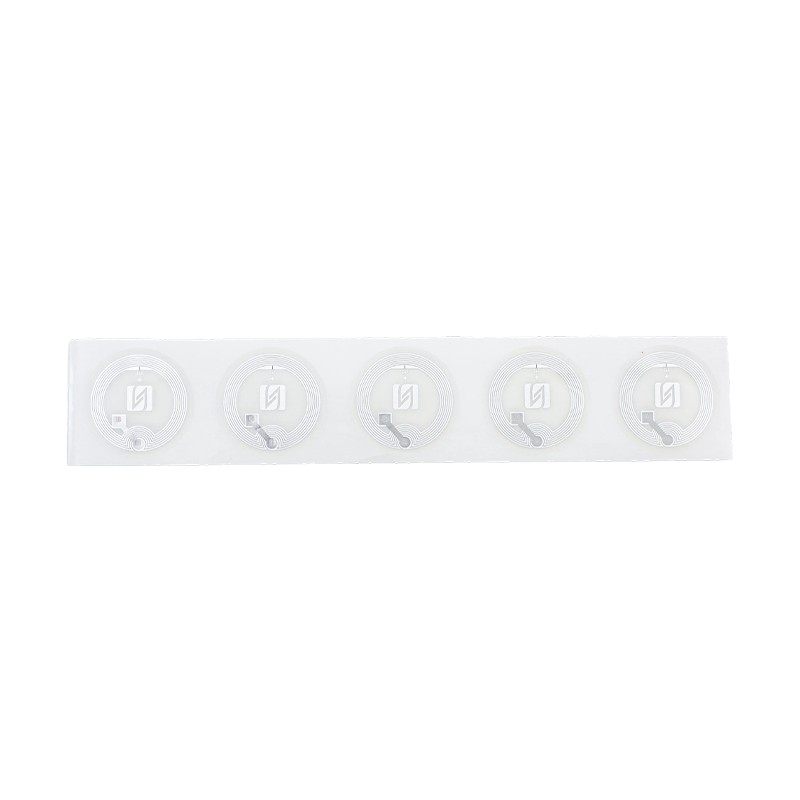
When combined with RFID technologies, labels can support inventory visibility, asset management, retail anti-theft programs, warehouse automation, and smart manufacturing processes. The printed label and RFID component may serve different functions, but together they can connect visible product communication with machine-readable identification.
Designing a Successful Label Program
Define the Information Hierarchy
Before production begins, the customer should identify which information must be visible immediately, which information should be available after opening, and which information should be delivered digitally. This hierarchy determines the panel arrangement and prevents the extended label from becoming difficult to navigate.
The front panel should generally communicate product identity and the most important consumer-facing message. Inner panels can carry detailed instructions, ingredients, translations, and supporting information. QR codes and promotional mechanisms should be placed where they are easy to discover and use.
Match the Structure to the Package
Label dimensions, curvature, container material, filling method, application equipment, and usage conditions all influence the appropriate structure. A label that works well on a rigid bottle may not perform equally well on a flexible tube. The structure should be evaluated using representative packaging whenever possible.
Application speed and equipment compatibility are also important. The finished roll must be suitable for the customer’s labeling machine, including unwind direction, core size, roll diameter, splice policy, and label spacing. Early technical coordination helps avoid downstream delays.
Plan Interactive Content Carefully
Digital functions should have a clear purpose. A QR code should lead to content that provides genuine value, such as a tutorial, coupon, registration page, product verification service, or loyalty benefit. The landing experience should be mobile-friendly and consistent with the printed message.
Variable codes require secure data handling, campaign planning, and quality verification. Customers should determine how codes will be generated, stored, activated, tracked, and retired. If the code is used for authentication or traceability, the system must define how legitimate products are identified and how suspicious activity is handled.
Consider the Full Product Life Cycle
The label should remain readable and attached during transportation, retail display, opening, storage, and repeated consumer handling. Designers should consider moisture, friction, oils, exposure to bathroom conditions, refrigeration, sunlight, and contact with other packaging materials, depending on the product.
End-of-life considerations may also influence material and adhesive choices. Customers increasingly evaluate packaging sustainability, recyclability, and material reduction. The appropriate solution depends on the package system and local recycling infrastructure, so environmental claims should be based on verified construction and market-specific requirements.
Benefits for International Brands and New Product Launches
International brands benefit from the ability to present multiple languages and regional instructions within one compact label architecture. This can support a more consistent global appearance while accommodating local communication requirements.
For new product launches, extended labels provide a space to explain unfamiliar benefits, demonstrate correct use, and invite consumers into a promotional campaign. This can be particularly valuable when a product depends on a specific routine or when the brand wants to collect direct consumer engagement data.
The format can also help reduce communication costs by combining several functions in one packaging component. Instead of relying on separate inserts, shelf cards, stickers, and post-purchase messages, the label can carry a coordinated set of printed and digital touchpoints.
By linking offline product viewing with online activities, the label can help shorten the path between awareness and action. A consumer can discover the product on a shelf, read the core message, scan the code, watch a demonstration, claim a coupon, and register the purchase without leaving the packaging experience.
Why Choose an Integrated Label Manufacturer?
An integrated manufacturer can coordinate product development, material selection, printing, converting, inspection, and delivery under one technical framework. This is especially important for labels with multiple layers, variable data, scratch-off elements, special die-cutting, or RFID functions.
Rongyang’s product portfolio includes pressure-sensitive labels, RFID inlays, tags, and finished products, as well as specialized label solutions such as anti-counterfeiting, high-temperature-resistant, removable-adhesion, and customized die-cut labels. This range supports customers whose requirements extend beyond ordinary decorative printing.
Integrated manufacturing may also simplify communication. Instead of coordinating separate suppliers for artwork adaptation, label production, interactive coding, and special functionality, customers can discuss the complete requirement with a single technical partner. The result can be a more consistent product specification and clearer responsibility across the project.
For large-scale and international projects, manufacturing facilities in China and Malaysia provide additional production resources. Customers can evaluate capacity, location, quality requirements, lead times, and logistics arrangements according to their individual supply-chain plans.
Quality, Compliance, and Responsible Production
Quality management is central to extended content labels because both appearance and function must be controlled. A label may look attractive but fail if a fold opens during transportation, a code cannot be scanned, or an adhesive loses contact with the package. A structured quality system helps address these risks throughout production.
ISO 9001 certification reflects a formal quality management framework. ISO 14001 certification reflects an environmental management framework. The SMETA social responsibility audit provides an additional evaluation of labor, health and safety, environmental, and ethical business practices. Customers should still confirm project-specific compliance, but these credentials provide useful evidence of established management processes.
Responsible production also includes accurate documentation, controlled raw materials, inspection records, traceability, and continuous improvement. These practices help support repeat orders and maintain consistency when products are supplied to multiple markets or produced across different facilities.
Future Development of Interactive Packaging Labels
Packaging is moving toward greater connectivity. Variable data, QR codes, RFID, digital product passports, traceability systems, and augmented reality are making labels more capable of communicating with both consumers and business systems.
Promotional extended content labels are well positioned within this development because their physical structure creates room for both printed information and digital entry points. The label can remain useful even when a consumer does not scan it, while interactive features provide additional value for consumers who want more information or rewards.
Future label programs may use more personalized content, campaign-specific codes, regional offers, product lifecycle records, and automated supply-chain data. As these systems develop, manufacturing accuracy and data management will become increasingly important. A connected label is only as reliable as the physical code, the data record, and the digital platform behind it.
The most effective solutions will balance technology with simplicity. Consumers should understand what to do, why to do it, and what benefit they will receive. Clear printed instructions, reliable scanning, fast mobile content, and meaningful rewards will matter more than adding technology merely for visual novelty.
Conclusion
Promotional extended content labels transform limited packaging space into a multifunctional communication platform. Through multi-layer folds, roll structures, peel-and-reveal formats, variable QR codes, scratch-off silver, and AR trigger points, they can combine product information, consumer education, promotional activation, authentication, and digital engagement in one compact label solution.
Their advantages are particularly clear for beauty and personal care products, international brands, small packages, multilingual markets, and new product promotions. Compared with a conventional single-panel label, an extended structure carries more content. Compared with a separate leaflet, it remains attached to the product. Compared with digital-only communication, it retains an accessible physical information layer.
The success of this product depends on careful engineering. Materials, adhesives, printing, folding, die-cutting, code placement, inspection, and application compatibility must work together. Shanghai Rongyang Industrial Development Co., Ltd. supports this type of project through integrated R&D, manufacturing, sales, service, automated production lines, precision inspection equipment, specialized label capabilities, and facilities in China and Malaysia.
For brands seeking to improve packaging communication, increase consumer engagement, and create a direct bridge between physical products and digital marketing activities, promotional extended content labels offer a practical and scalable path. They upgrade the label from a static identifier into an information carrier, educational tool, promotional interface, and potential connection point between the brand and the consumer.
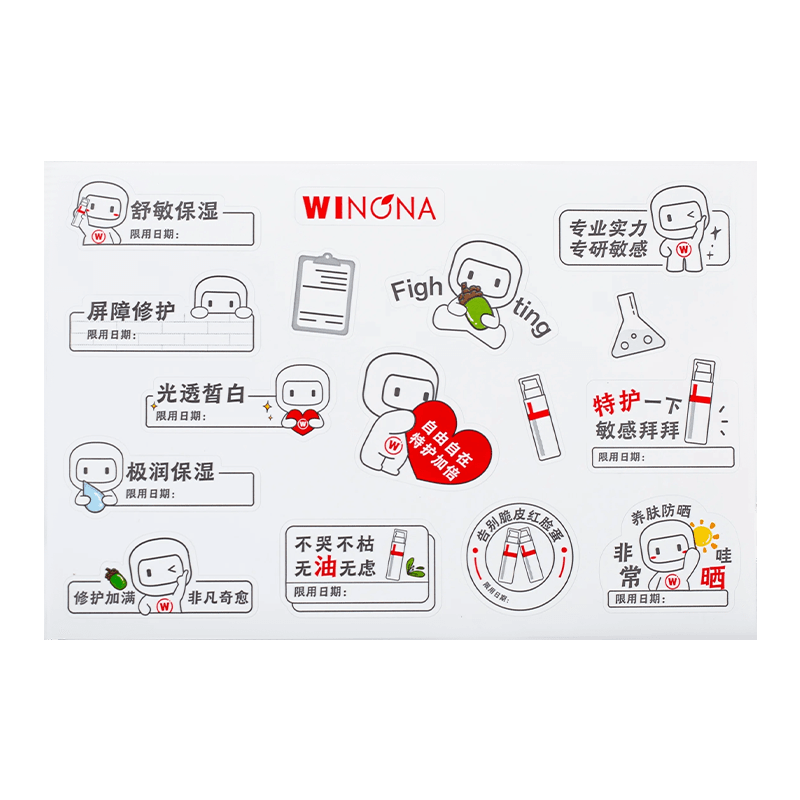
Promotional extended content Labels
Frequently Asked Questions
1. What are promotional extended content labels used for?
They are used to provide more information and functionality than a conventional label can accommodate. Typical applications include multilingual instructions, ingredient details, usage tutorials, promotional messages, coupons, loyalty programs, authentication, product registration, and digital content access.
2. Are these labels suitable for small packages?
Yes. Their primary purpose is to expand the available information area without significantly increasing the package size. They can be adapted for bottles, jars, tubes, vials, sachets, and other compact containers.
3. Can an extended label include multiple languages?
Yes. Folded and roll-format structures can create separate panels for different languages. The final design should be reviewed for translation accuracy, regulatory requirements, text legibility, and correct panel placement.
4. How do QR codes improve the label?
QR codes can connect the package to digital coupons, beauty tutorials, product registration, loyalty points, product verification, surveys, or campaign content. Variable QR codes can also support product- or batch-specific interactions when connected to a suitable data system.
5. What is the purpose of a scratch-off silver panel?
A scratch-off panel can conceal a promotional code, prize result, redemption number, or verification information until the consumer activates it. It can increase participation and provide an additional layer of concealment for sensitive campaign content.
6. Can the labels support augmented reality campaigns?
Yes. AR trigger points can be incorporated into the design to guide consumers toward augmented reality content. The success of an AR experience depends on the supporting digital platform, the clarity of the printed instruction, and the consumer’s mobile device and connection.
7. What types of materials can be used?
Material selection depends on the package surface, flexibility, moisture exposure, appearance, adhesive requirements, printing process, and environmental considerations. The manufacturer can evaluate face materials, liners, adhesives, coatings, and finishing options for the intended application.
8. Are extended labels suitable for tubes?
They can be suitable for tubes when the label construction is designed for curved and flexible surfaces. Flexibility, adhesive performance, die-cut accuracy, resistance to creasing, and exposure to creams, oils, or moisture should be considered during development.
9. How are interactive codes checked during production?
Code checking may include visual inspection, scanning tests, variable-data verification, and comparison with the associated digital database. The exact testing process depends on whether the code is used for marketing, loyalty, authentication, traceability, or another purpose.
10. Can the supplier produce labels for international markets?
Shanghai Rongyang Industrial Development Co., Ltd. serves customers worldwide and operates production facilities in China and Malaysia. International projects should be reviewed according to market-specific labeling, material, regulatory, quality, and logistics requirements.
11. Can these labels be combined with RFID?
Depending on the package and application, printed labels may be combined with RFID inlays, tags, or finished RFID products. RFID can support warehouse logistics, asset management, retail anti-theft, inventory visibility, and smart manufacturing applications.
12. What should a customer provide when requesting a quotation?
Useful information includes package dimensions, container material, label shape, application method, required quantity, artwork or content, languages, adhesive requirements, surface finish, interactive functions, roll specifications, target markets, and expected use conditions. Providing representative samples or packaging drawings can improve technical evaluation.
References
1. ISO 9001, Quality Management Systems: Requirements.
2. ISO 14001, Environmental Management Systems: Requirements with Guidance for Use.
3. SMETA Best Practice Guidance, Sedex Members Ethical Trade Audit Framework.
4. General principles of pressure-sensitive label material selection and adhesive performance evaluation.
5. General principles of barcode and QR-code print quality, readability, and verification.
6. Packaging design practices for multilingual product information and consumer instructions.
7. Industry guidance on RFID applications in logistics, retail, asset management, and smart manufacturing.
8. Product and company information supplied for promotional extended content label manufacturing and customized label solutions.
Product: Promotional extended content Labels


Messae Us Right Now!

- Quick Links
- Products
- Quality Control
- Our Story
- News
- Contact
- Our Product
-
- Beauty and Personal Care Labels
- Home cleaning and laundry care labels
- Liquor and Beverage Labels
- Food and dairy product labels
- Healthcare Labels
- Promotional and Interactive Labels
- Specialty and industrial solution
- Labels Thermal printing and logistics labels
- Anti-counterfeiting traceability and RFID Labels
- Contact us
- Tel:+86-573-86867861
- Phone:+86-18621872035
- E-mail:allen.men@rylabel.com
- Add:No. 111 Xincheng Road, Haiyan Economic Development Zone, Jiaxing City, Zhejiang Province


