
 English
 русский
 Español


Home / Author / Lin Yuchan — International Sales Manager / Water and Oil Resistant Film Labels for Beauty and Personal Care Packaging
News

Water and Oil Resistant Film Labels for Beauty and Personal Care Packaging
2026-09-27
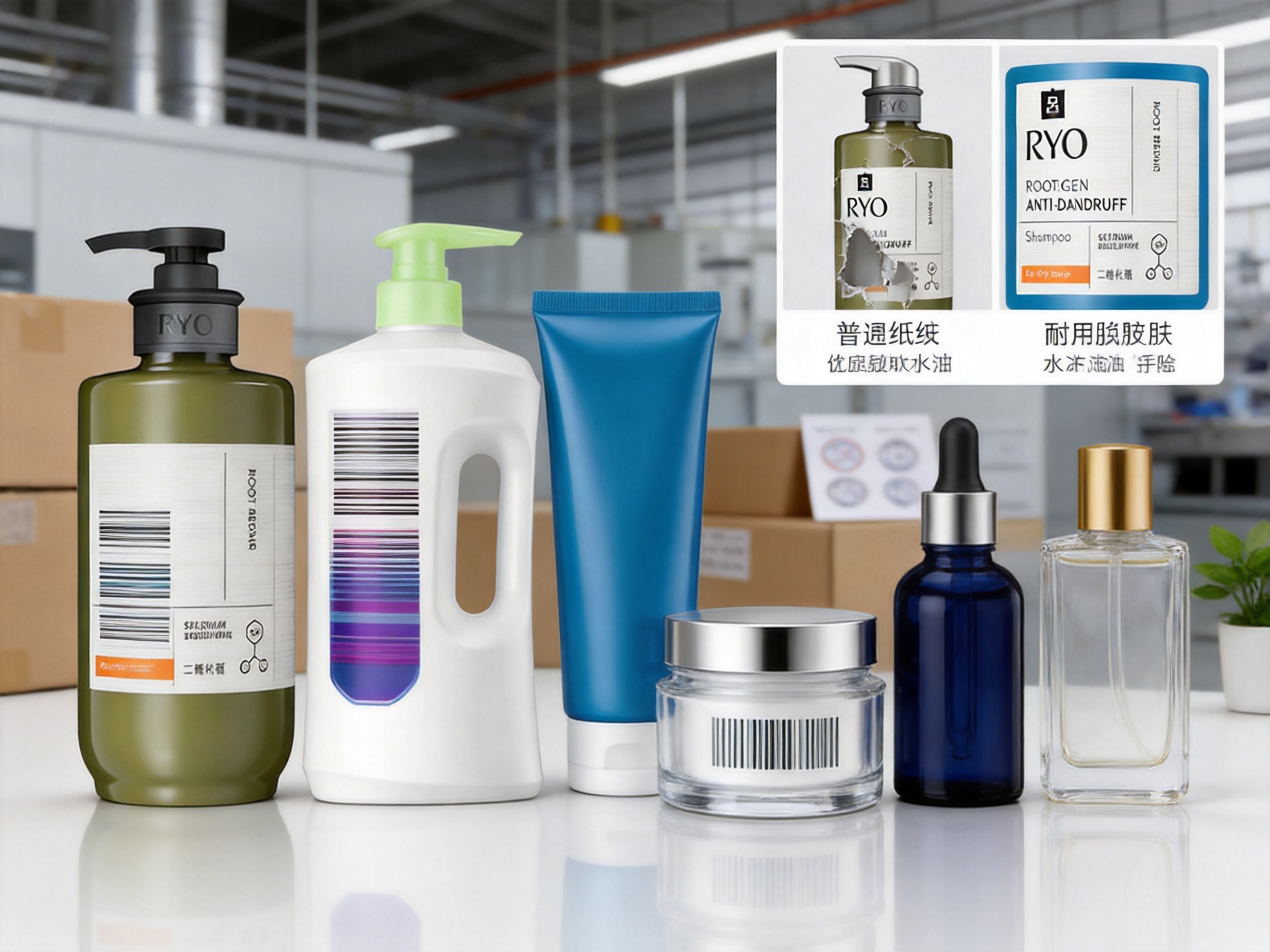
Beauty and personal care products are judged by more than their formulas. Consumers also evaluate the package, including the clarity, cleanliness, durability, and visual quality of its label. A label that wrinkles in a humid bathroom, absorbs oil from a skincare formula, loses printed information after repeated handling, or begins to peel from a curved bottle can weaken confidence in the entire product. For manufacturers of bath gels, shampoos, essential oils, fragrances, creams, and other personal care products, label performance is therefore a functional requirement as well as a branding requirement.
Water and oil resistant film labels are designed to address these packaging challenges. Produced with PE or PP synthetic film, a high-performance adhesive, and a protective surface coating, these labels are intended to remain stable in environments where ordinary paper labels may soften, stain, curl, or detach. They support reliable labeling on pump bottles, tubes, glass jars, and other containers exposed to moisture, condensation, oils, frequent handling, and cleaning.
The product combines material engineering, adhesive technology, surface protection, and precision printing. Its purpose is not simply to display a brand name or product description. It is designed to preserve the appearance and legibility of essential information throughout storage, transportation, retail display, and daily use. This makes it a practical labeling solution for beauty and personal care brands seeking a balance between visual appeal, production reliability, and long-term package performance.
Why Label Durability Matters in Beauty and Personal Care
Personal care packaging operates in demanding conditions. A shampoo bottle may be stored in a wet shower area. A body wash container may be handled with damp or soapy hands. An essential oil bottle may be exposed to concentrated oils that can migrate onto the label surface. A skincare jar may be refrigerated or stored in a cool environment before use. Fragrance packaging may be repeatedly touched, wiped, transported, and displayed under bright retail lighting.
These conditions create several risks for conventional labels. Paper-based materials can absorb moisture and lose their flatness. Adhesive layers may weaken when exposed to water, condensation, or oily substances. Ink and printed coatings may smudge during wiping or repeated contact. On curved or flexible containers, a label may lift at the edges, develop wrinkles, or detach from the package altogether.
Such failures create more than an aesthetic problem. A damaged label can obscure ingredients, instructions, batch information, warnings, usage guidance, or regulatory details. It can also make the product appear poorly manufactured. In a competitive market where consumers compare similar products on a shelf or online, packaging integrity can influence purchase decisions and repeat buying.
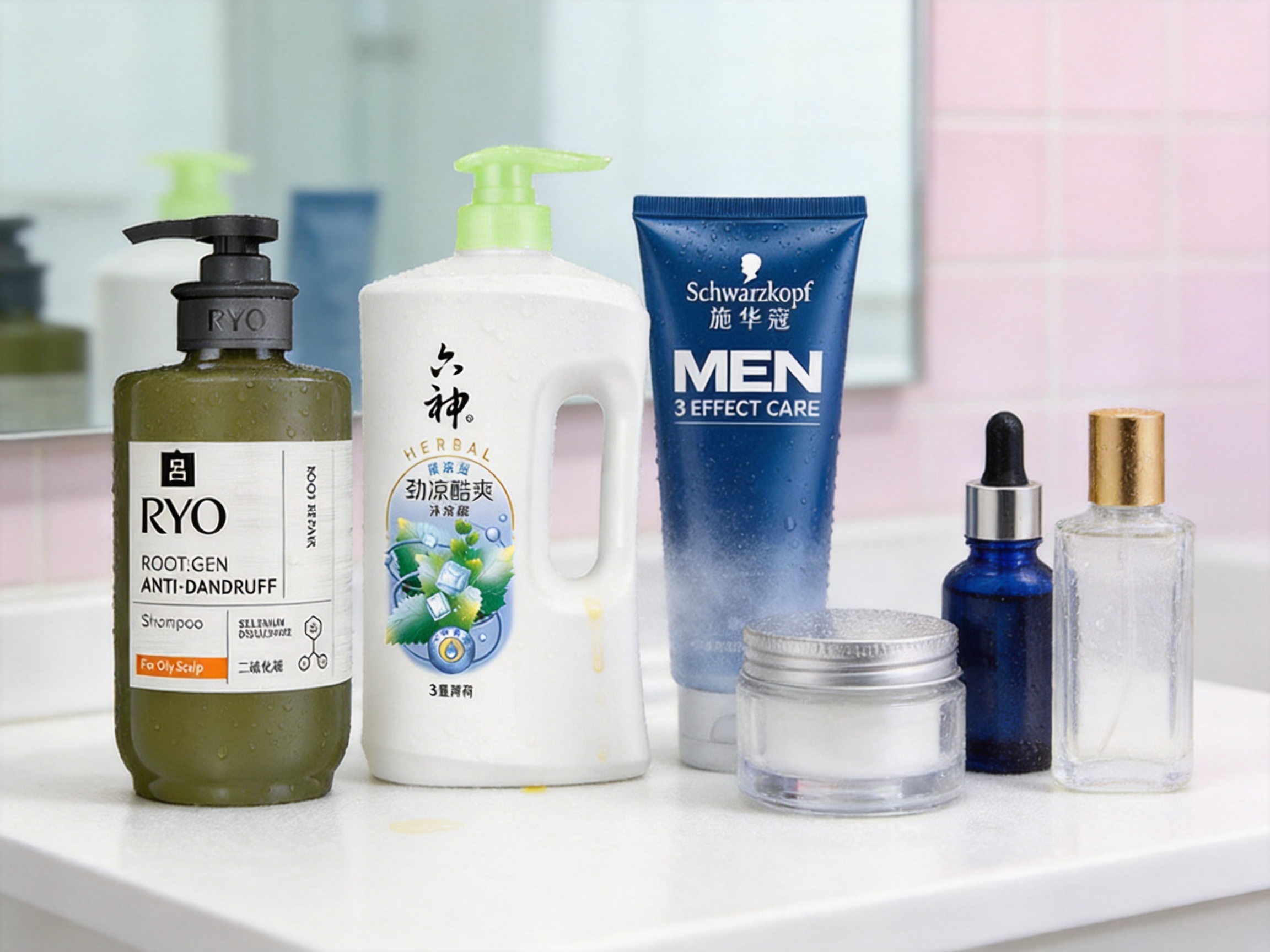
Water and oil resistant film labels are engineered around these real-world conditions. The synthetic film resists moisture absorption, while the surface coating helps protect printed content from grease and water. The adhesive is selected for strong bonding and environmental resistance. Together, these components help the label remain attached, readable, and visually consistent through common personal care usage scenarios.
Product Construction and Material Engineering
PE and PP Synthetic Film Facestock
The primary label material is a synthetic film based on polyethylene, commonly known as PE, or polypropylene, commonly known as PP. Unlike conventional paper facestock, these films do not readily absorb water. Their resistance to moisture provides a stable foundation for products used in bathrooms, wet rooms, refrigerated storage, and other humid environments.
PE film is valued for its flexibility and conformability. It can adapt well to rounded containers, squeezable tubes, and packaging with moderate surface movement. This flexibility helps reduce the risk of cracking or lifting when the container is handled repeatedly. PE can be especially suitable for labels that need to follow curved bottle surfaces or maintain a soft, flexible appearance.
PP film offers a combination of dimensional stability, surface smoothness, durability, and print performance. It is often selected for packaging where a clean, refined appearance is important. The smooth surface can support sharp graphics, fine text, strong color reproduction, and premium visual effects. PP is also suitable for many applications requiring resistance to moisture, rubbing, and routine handling.
The choice between PE and PP can be adapted to the shape, flexibility, surface energy, appearance, and usage conditions of the final package. This material flexibility gives product developers more options than a single standard label construction. It allows the label solution to be matched to pump bottles, tubes, glass jars, rigid containers, and other packaging formats.
High-Performance Adhesive Layer
The adhesive layer is a critical part of label performance. A label may have a strong film face, but it will not provide reliable protection if the adhesive cannot bond securely to the container. Water and oil resistant film labels use a high-adhesion adhesive designed to maintain contact across a range of personal care packaging surfaces.
The adhesive is intended to resist weakening caused by humidity, condensation, oily products, and routine handling. It supports firm attachment to common substrates such as plastic bottles, tubes, and glass jars. When properly applied to a clean, dry, and compatible surface, the adhesive helps prevent edge lifting, curling, slipping, and premature detachment.
Adhesive performance also depends on the geometry of the package. A narrow tube, a curved pump bottle, and a wide glass jar place different stresses on the label. Curved surfaces may create tension at the edges, while flexible containers may repeatedly change shape during use. A carefully selected adhesive and appropriate die-cut design help the label remain stable under these conditions.
For manufacturers, adhesive reliability can reduce complaints and rework. A label that remains in place through filling, packaging, shipping, retail handling, and consumer use supports a more consistent finished product. It also reduces the risk of relabeling, rejected batches, and damaged visual presentation.
Protective Surface Coating
The label surface receives a special coating treatment that forms a protective barrier above the printed layer. This barrier helps limit the penetration of moisture and grease from bath products, skincare formulas, essential oils, and other personal care substances. It also supports resistance to smearing and abrasion during normal use.
The coating is important because the face material and adhesive are only two parts of the label system. Even a water-resistant film can lose visual quality if the ink or decorative layer is not adequately protected. The surface treatment helps preserve text, graphics, color density, and overall presentation when the label is exposed to splashes, oily contact, or wiping.
For products used in bathrooms or near sinks, the coating helps maintain a clean appearance over a longer period. For oils and skincare products, it provides an additional defense against greasy fingerprints and formula residue. For products that are wiped with alcohol wipes, the coating contributes to the integrity of the printed surface and helps reduce the risk of visible damage.
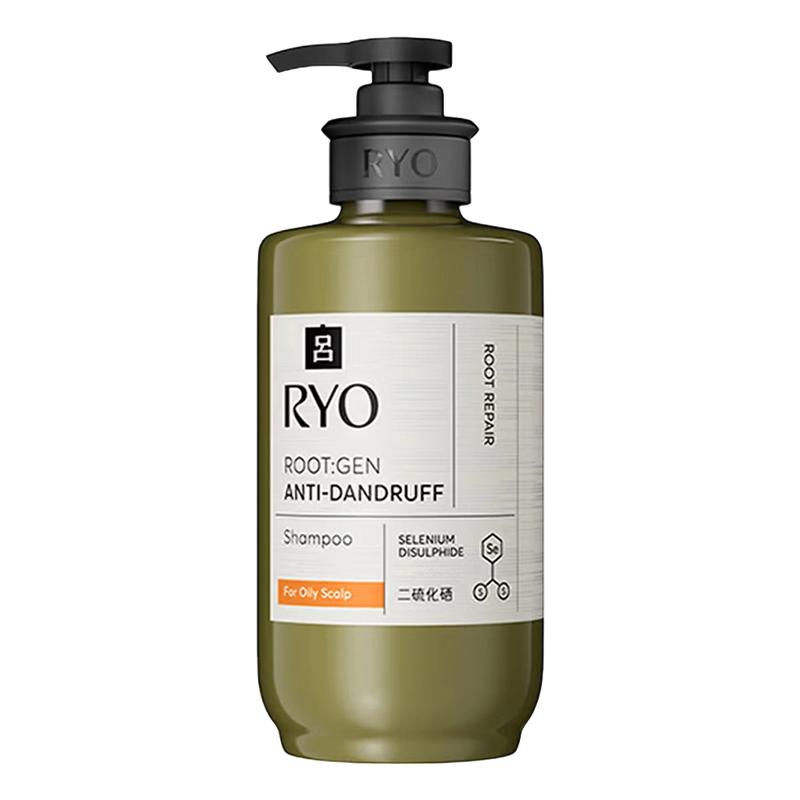
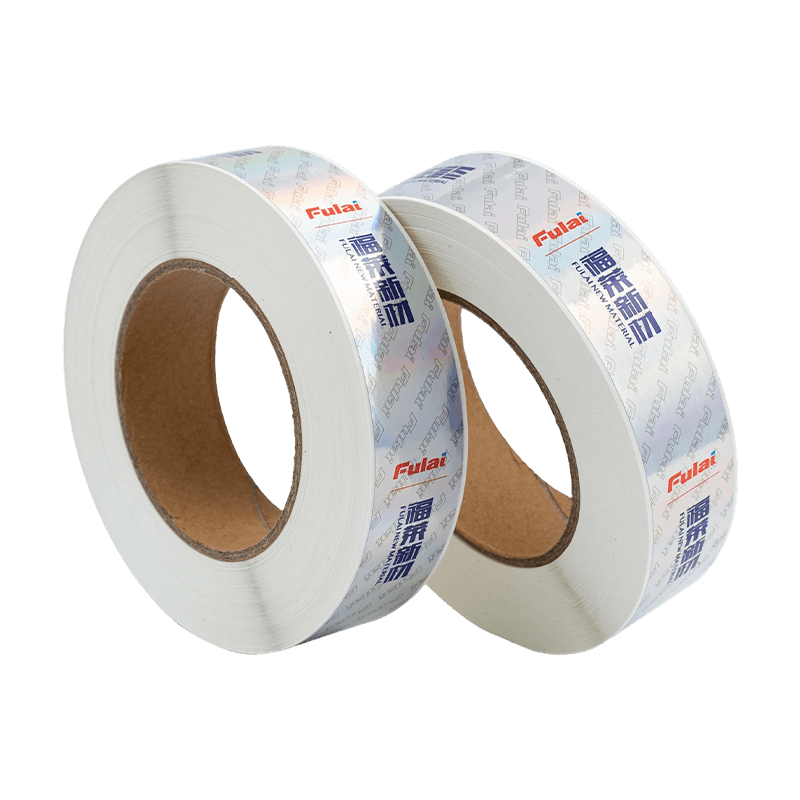
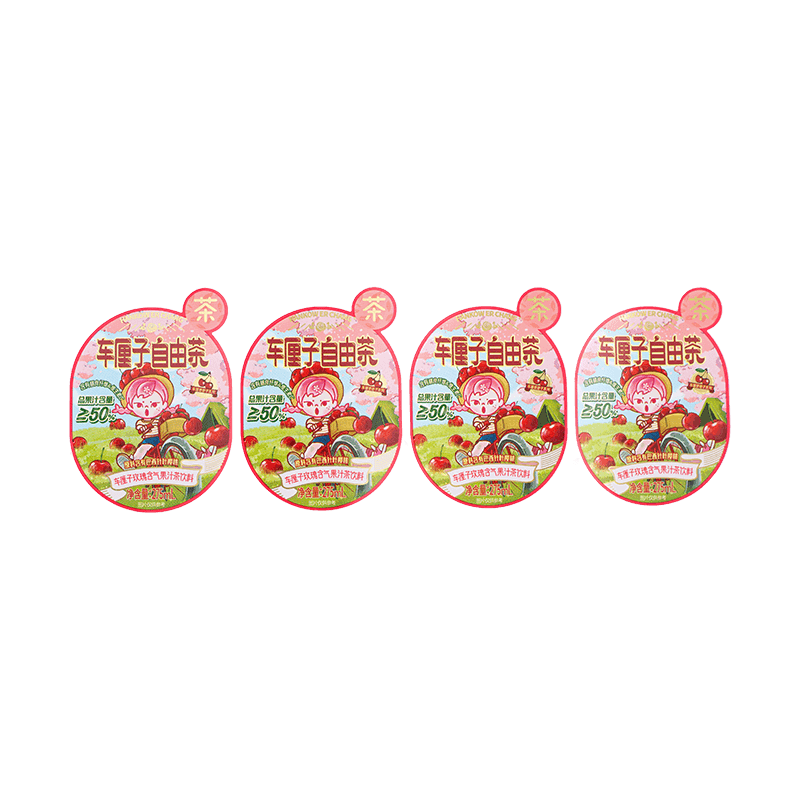
Water and oil resistant film labels
Core Advantages Over Conventional Labels
Resistance to Water and Humidity
One of the main advantages of synthetic film labels is their resistance to water absorption. In high-humidity environments, the film maintains its physical structure more effectively than ordinary paper. It is less likely to become soft, swollen, or visibly distorted after contact with moisture.
This feature is valuable for shower products, liquid soaps, facial cleansers, bath products, and other items that may be used near water. It is also useful during logistics and storage, where condensation can occur when products move between temperature zones. By limiting the effect of moisture, the label helps preserve the product’s professional appearance.
Resistance to Oils and Grease
Many beauty products contain oils, emollients, fragrances, botanical extracts, or other ingredients that can affect conventional label materials. Once absorbed, oily substances may create translucent marks, dark spots, surface softening, or illegible printing. The water and oil resistant construction is designed to reduce this type of damage.
The synthetic film and surface coating form a protective combination. The film provides a stable non-paper substrate, while the coating helps prevent grease and oil from reaching or affecting the printed layer. This is particularly useful for essential oil bottles, facial oils, cleansing oils, body oils, serums, creams, and products with rich or emollient formulas.
Strong Adhesion and Reduced Edge Lifting
A label’s appearance can deteriorate quickly when its corners begin to lift. Edge lifting allows water and dirt to enter beneath the label and may eventually lead to complete detachment. The high-performance adhesive in this product is designed to provide secure bonding and help maintain a clean edge.
Reliable adhesion is also important for products with frequent consumer contact. Pump bottles may be touched every day, tubes may be squeezed repeatedly, and jars may be opened and closed many times. Strong bonding supports the label through these handling cycles and helps maintain the relationship between the printed information and the product container.
Dimensional Stability
Dimensional stability refers to the ability of the label material to retain its size and shape under changing environmental conditions. In a bathroom, the label may encounter high humidity. During refrigerated storage, it may be exposed to low temperatures and condensation. A stable film construction helps reduce shrinkage, expansion, wrinkling, and deformation.
Good dimensional stability is important for multi-panel designs, tightly registered graphics, and labels that must align accurately with a container. It also supports a neat appearance on curved surfaces. When the label remains stable, the printed design is less likely to appear distorted or misaligned during the product’s service life.
Resistance to Alcohol Wipes and Routine Cleaning
Some personal care packages are wiped during production, retail preparation, inspection, or daily use. Alcohol wipes may be used to clean surfaces or remove fingerprints. A label that cannot tolerate such contact may show fading, smearing, or surface damage.
The protective surface treatment is designed to withstand wiping with alcohol wipes while retaining clarity and integrity. Actual performance depends on the concentration, contact time, wiping pressure, and type of alcohol used, so application testing remains important. Nevertheless, the ability to tolerate routine wiping provides an advantage over uncoated paper labels and less durable printed constructions.
Clear and Vibrant Print Quality
Beauty packaging relies heavily on visual communication. Color, typography, imagery, and finishing details help position a product as natural, luxurious, clinical, modern, or accessible. Film labels provide a smooth and consistent printing surface that can support vibrant graphics and clear text.
The surface treatment is designed to protect the printed image without compromising its visual quality. This helps brands maintain color consistency across product lines and preserve the clarity of small text such as directions, ingredients, usage information, and warnings. A durable label is therefore not only more functional; it also protects the investment made in packaging design.
Applications Across Beauty and Personal Care Packaging
Pump Bottles
Pump bottles are common for liquid hand wash, shampoo, conditioner, body wash, lotion, cleansing products, and professional salon formulas. Their surfaces may be exposed to water, product splashes, wet hands, and repeated pumping. A film label with strong adhesion helps maintain a professional appearance around the front, back, or side panels of the bottle.
For pump bottles with rounded shoulders or tapered profiles, label geometry should be designed carefully. PE may be selected when flexibility and conformability are priorities, while PP may be preferred when a smooth, premium appearance and high dimensional stability are required. The adhesive must also be matched to the bottle material and curvature.
Tubes
Tubes are used for hand cream, facial cleanser, toothpaste, sunscreen, body cream, hair products, and treatment products. Their flexible walls are squeezed repeatedly, creating movement in the package. Labels for tubes must therefore balance adhesion, flexibility, and resistance to creasing.
Film labels can support this application by resisting moisture and maintaining a stable printed surface. Proper die cutting and application pressure are important to prevent wrinkles and ensure that the label follows the tube without excessive stress at the edges. The final construction can be adapted to different tube diameters, seam positions, and dispensing designs.
Glass Jars
Glass jars are commonly used for creams, masks, scrubs, balms, candles, essential oil products, and premium skincare products. Although glass is rigid and smooth, it can be challenging for labels because condensation, dust, oils, and surface contamination may reduce adhesive contact.
When the glass is properly cleaned and prepared, a high-adhesion adhesive can provide secure attachment. The film face maintains a neat appearance and helps protect the printed design from oily formulas and handling. This is particularly useful for jars that are opened frequently or displayed as premium products.
Essential Oil and Fragrance Containers
Essential oils and fragrances may contain concentrated substances capable of affecting ordinary label materials. Spillage around the neck or shoulder of a bottle can transfer oil to the label. Fragrance packaging may also require fine graphics, strong color contrast, and a high-quality appearance.
Water and oil resistant film labels offer a protective construction for these conditions. The oil-resistant surface helps maintain visual clarity, while the film provides a stable base for premium printing. For small containers, accurate die cutting and precise registration are especially important because even small alignment errors can be visible.
Bathroom and Spa Products
Products used in hotels, spas, gyms, and bathrooms are exposed to frequent handling and moisture. They may be placed near showers, sinks, bathtubs, or treatment areas. In commercial settings, staff may clean or disinfect the containers regularly.
A durable film label supports the appearance of these products through repeated use. It helps keep product identification, instructions, and brand presentation readable and presentable. This can be valuable for both retail packaging and professional-use containers.
Manufacturing Process and Quality Control
Material Selection and Incoming Inspection
Manufacturing begins with the selection of suitable PE or PP film, adhesive components, coating materials, inks, and release liners. Each material must be compatible with the intended application and production process. Factors such as film thickness, opacity, surface energy, flexibility, coating compatibility, and adhesive strength are considered during product development.
Incoming inspection helps verify that raw materials meet defined specifications before they enter production. Inspection may include visual checks, dimensional measurements, surface evaluation, roll condition assessment, and documentation review. Controlling materials at this stage helps create consistency throughout the manufacturing process.
Prepress and Artwork Verification
Before printing, artwork is reviewed for dimensions, colors, text, barcodes, regulatory information, and die-cut requirements. Prepress verification helps prevent errors that could affect the finished label. It is particularly important for multilingual packaging, small-format labels, and designs containing fine text or variable information.
Color standards and proofing procedures help align customer expectations with production results. The manufacturer can evaluate whether the selected film and coating will reproduce the artwork correctly. Special attention may be given to fine lines, reversed text, gradients, metallic effects, and high-density color areas.
Precision Printing
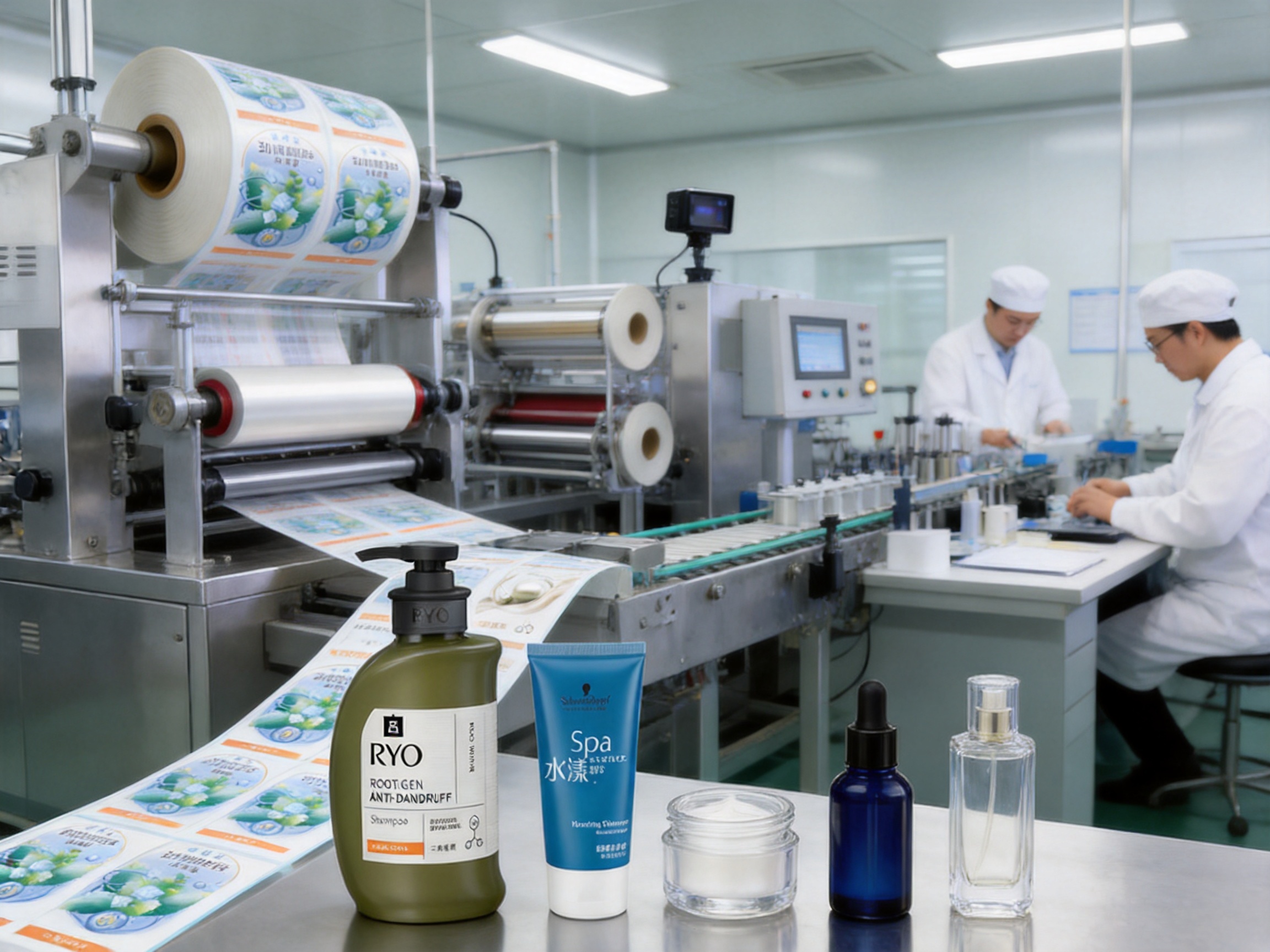
Advanced automated production lines support repeatable printing and efficient handling of customer orders. Depending on the design and required finish, the production process may use suitable printing technologies and configurations for pressure-sensitive film labels. The objective is to achieve sharp images, consistent color, accurate registration, and stable production speed.
Precise registration is especially important for labels applied to curved or small containers. If multiple colors, varnishes, coatings, or decorative layers are used, each layer must align correctly. Automated controls and inspection equipment help monitor the process and reduce variation between rolls or batches.
Surface Coating and Protective Finishing
After or during printing, the label surface receives the specified protective coating or finish. Coating parameters must be controlled to achieve the desired balance between protection, appearance, flexibility, and print clarity. Excessive coating may affect handling or die cutting, while insufficient coating may reduce resistance to water, oil, or wiping.
Depending on the application, the label may be supplied with a particular gloss level, matte appearance, or other visual effect. The finish should support the product’s market position while maintaining the required resistance properties. For beauty brands, this allows technical performance to coexist with a refined package appearance.
Slitting, Die Cutting, and Converting
Printed rolls are converted into the required label format through slitting, die cutting, stripping, rewinding, or other operations. Die-cut precision affects application speed, label alignment, corner performance, and overall package appearance. Rounded corners may help reduce the risk of corner lifting in some applications, while custom shapes may support brand differentiation.
Slitting and rewinding must be controlled carefully so that rolls remain consistent and suitable for automatic labeling equipment. Roll tension, winding direction, core size, label spacing, and roll diameter may be specified according to the customer’s application line. Correct converting reduces production interruptions and improves label application efficiency.
Inspection and Quality Assurance
A stringent quality control system evaluates the product from raw material to finished roll. Inspection may include checks for print clarity, color consistency, missing labels, contamination, coating defects, die-cut accuracy, adhesive performance, roll quality, and packaging condition.
Testing can also be designed around the customer’s intended environment. Moisture exposure, oil contact, condensation, low-temperature storage, rub resistance, and alcohol wipe resistance may be evaluated using representative samples. These tests do not replace real-world validation, but they provide useful evidence that the construction meets the intended performance requirements.
Quality assurance also includes traceability. Production records, material information, inspection results, and batch identification help the manufacturer investigate issues and maintain consistent supply. For international customers and high-volume programs, documented quality systems provide greater confidence in repeat orders.
How the Product Creates Competitive Value
More Reliable Than Standard Paper Labels in Wet Environments
Standard paper labels can be economical for dry applications, but they may not be appropriate for products used around water, steam, condensation, or oily formulas. Water and oil resistant film labels are designed for the conditions that cause many paper labels to fail. Their synthetic construction reduces moisture absorption and supports a more stable appearance over time.
This difference can be especially significant for products positioned as premium or professional. A damaged paper label can undermine an otherwise high-quality formula. By using a construction designed for wet and oily conditions, brands can reduce the gap between product performance and package performance.
Better Protection for Brand Presentation
Beauty and personal care markets are strongly influenced by visual identity. Packaging needs to communicate product positioning at a glance. Vivid colors, clean typography, and consistent label placement help a product stand out in retail and online photography.
A durable film face protects this investment. The label remains more resistant to smearing, staining, and deformation, helping the package look newer for longer. This supports brand consistency across product families, sizes, and distribution channels.
Adaptability to Multiple Container Types
A versatile label solution reduces the need to manage entirely different materials for every package format. The product can be adapted for pump bottles, tubes, glass jars, fragrance containers, and various personal care packages. PE and PP options allow the construction to be selected according to flexibility, appearance, and dimensional stability requirements.
This adaptability can simplify product development. Brands launching several products may work with a coordinated label strategy while adjusting dimensions, shapes, adhesive specifications, and finishes for individual packages. Such flexibility is valuable for both established manufacturers and emerging brands.
Support for Efficient Production
Labels must perform not only after application but also during production. Consistent roll quality, accurate die cutting, controlled winding, and suitable adhesive behavior can support automatic application lines. Well-converted labels help reduce jams, misalignment, waste, and manual intervention.
Efficient production contributes to the total value of the label. A slightly lower unit price is not necessarily beneficial if the material causes frequent application problems. A reliable label can reduce downtime, improve throughput, and support more predictable manufacturing schedules.
Reduced Risk of Premature Packaging Failure
Label failure can result in customer complaints, rework, repackaging, or product rejection. It may also require additional inspection after filling or during distribution. By selecting a construction engineered for moisture, oil, condensation, and wiping, brands can reduce several common failure risks.
Performance still depends on proper surface preparation, application conditions, storage, and compatibility testing. However, the product provides a stronger starting point than a general-purpose label for demanding beauty and personal care environments.
| Performance Requirement | Common Packaging Challenge | Water and Oil Resistant Film Label Response | Typical Benefit |
|---|---|---|---|
| Moisture resistance | Bathrooms, showers, splashes, and condensation can damage paper labels. | PE or PP synthetic film and a protective coating reduce water absorption. | Cleaner appearance and improved label integrity. |
| Oil resistance | Essential oils, skincare formulas, and greasy handling may stain or soften the label. | Oil-resistant surface treatment helps protect the printed layer. | Better legibility and reduced staining. |
| Adhesion | Curved, smooth, or frequently handled containers may cause edge lifting. | High-performance adhesive supports firm attachment. | Reduced curling, peeling, and detachment. |
| Dimensional stability | Temperature and humidity changes can create wrinkles or distortion. | Stable synthetic film maintains shape under challenging conditions. | More consistent alignment and appearance. |
| Wipe resistance | Cleaning or alcohol wiping may remove or smear printed information. | Protective coating helps withstand routine wiping. | Longer-lasting text and graphics. |
| Print quality | Rough or absorbent materials may reduce color strength and detail. | Smooth film supports vibrant and precise printing. | Stronger shelf appeal and brand consistency. |
Company Manufacturing Strengths and Integrated Capabilities
Shanghai Rongyang Industrial Development Co., Ltd. operates as an integrated provider of pressure-sensitive labels and RFID smart label solutions. Its capabilities cover research and development, manufacturing, sales, and service, allowing customer requirements to be addressed across multiple stages of the label supply chain.
The company operates automated production lines, precision inspection equipment, and a structured quality control system. These resources support repeatable manufacturing from raw material preparation to finished label delivery. For water and oil resistant film labels, this integrated approach is important because performance depends on the interaction of film, adhesive, coating, printing, and converting.
Its product portfolio includes pressure-sensitive labels for fast-moving consumer goods, food and beverage, pharmaceuticals, logistics, and retail. Experience across these sectors supports a broad understanding of different substrates, usage environments, compliance requirements, and application conditions. The company also develops labels with special functions, including anti-counterfeiting, high-temperature resistance, removable adhesion, and specialized die cutting.
Production facilities in China and Malaysia provide capacity for large-scale and international customer requirements. A geographically distributed manufacturing structure can support supply planning, regional service, and the needs of customers with multiple markets or production locations. This is particularly valuable for personal care brands that require consistent labels across different packaging lines or countries.
The company was founded in 2008 and has obtained ISO 9001 and ISO 14001 certifications. It has also passed the SMETA social responsibility audit. ISO 9001 reflects the importance of controlled quality management, while ISO 14001 represents an organized approach to environmental management. Social responsibility auditing provides additional information for customers evaluating supply-chain standards.
These certifications and audits do not replace product-specific testing, but they provide a foundation for process discipline, documentation, continuous improvement, and responsible manufacturing. Customers can combine this system-level confidence with application testing for their own bottles, tubes, formulas, filling processes, and storage conditions.
Customization Options for Brand and Production Requirements
Material Selection
Customers can discuss PE or PP film according to the flexibility, surface appearance, container shape, and performance requirements of the product. A flexible tube may require a different construction from a rigid glass jar. A premium fragrance label may prioritize surface smoothness and visual refinement, while a bathroom product may emphasize moisture resistance and strong adhesion.
Adhesive Specification
Adhesive selection can be adjusted according to the container substrate, application temperature, service environment, and desired permanence. Glass and different plastics may exhibit different surface characteristics. The label supplier should evaluate the intended substrate and recommend a suitable adhesive construction rather than treating every package as identical.
Shape and Die Cutting
Custom shapes can reinforce brand identity and improve the visual relationship between a label and its container. Die-cut options may include standard rectangles, rounded corners, oval formats, wraparound labels, narrow strips, and more specialized shapes. The design should consider application direction, corner stress, container curvature, and automatic labeling requirements.
Surface Appearance
Gloss, matte, and other coating effects can be selected to match the desired brand image. Gloss finishes may emphasize color intensity and cleanability, while matte finishes can create a softer, understated, or premium appearance. The chosen finish should still meet the required resistance to water, oil, rubbing, and wiping.
Printing and Variable Information
Labels can be prepared for brand graphics, product names, ingredients, instructions, warnings, barcodes, batch codes, expiration information, and other variable content. Clear information hierarchy is essential for consumer understanding and regulatory compliance. Small text should be reviewed carefully to ensure it remains legible at the final label size.
Roll and Delivery Specifications
For automated application, roll direction, winding direction, core dimensions, outside diameter, label spacing, and quantity per roll may be important. Providing accurate equipment and packaging information during quotation and development can reduce application problems later. Sample rolls should be tested on the customer’s actual line whenever possible.
Application and Storage Recommendations
Even a high-performance label requires suitable application conditions. The container surface should be clean, dry, and free from dust, oil, release agents, condensation, and other contaminants. Glass and plastic containers may require different cleaning or preparation procedures. If the container has recently been filled, the surface should be checked for product residue before labeling.
Application temperature should be considered. Extremely cold containers may have condensation that interferes with adhesive contact. Very hot containers may affect handling, adhesive flow, or print performance. The exact operating range should be confirmed through application testing with the selected label construction.
Pressure applied during labeling helps establish contact between the adhesive and container. For curved packages, a suitable wipe-down or pressure roller can help eliminate air pockets and improve edge contact. Labels should not be applied over heavily textured, wet, dusty, or oily areas unless the construction has been specifically designed and validated for that condition.
Finished labels should be stored in their original packaging in a clean, dry environment away from direct sunlight, extreme heat, and excessive humidity. Rolls should be protected from crushing and deformation. Before production use, the label material should be allowed to acclimate if it has been transported through significantly different temperature or humidity conditions.
For new formulas, containers, or filling processes, compatibility testing is recommended. Test samples should be exposed to representative conditions, including water, oil, condensation, low temperature, handling, and wiping. The evaluation should examine adhesion, edge lifting, print clarity, color change, surface staining, curling, and overall appearance.
Quality Evaluation for Beauty and Personal Care Labels
Visual Inspection
Visual inspection checks whether the label is clean, correctly printed, properly coated, and free from obvious defects. Reviewers may look for color variation, streaks, pinholes, coating marks, missing print, contamination, die-cut errors, and irregular edges. Finished labels should also be checked for roll telescoping, wrinkles, loose winding, or damaged cores.
Adhesion Testing
Adhesion testing evaluates how well the label bonds to the intended container. Testing should use the actual substrate whenever possible because adhesive behavior can differ between glass, PET, HDPE, PP, coated surfaces, and flexible packaging films. Evaluation may include immediate adhesion and performance after conditioning.
Water and Condensation Testing
Water exposure testing can simulate bathroom use, splashing, storage humidity, and condensation. Samples may be evaluated after exposure for edge lifting, whitening, wrinkling, ink damage, and loss of adhesion. Low-temperature testing can be added for products stored in refrigerators or transported through cold environments.
Oil and Formula Compatibility Testing
When the product contains essential oils, fragrances, surfactants, alcohol, or rich emollients, testing with the actual formula is recommended. A label may respond differently to a finished formulation than to a general laboratory oil. The test should assess both short-term contact and extended exposure where realistic.
Wipe and Rub Testing
Wipe testing evaluates the ability of the printed and coated surface to tolerate handling and cleaning. The test method should define the wipe material, liquid, pressure, number of passes, and drying time. Alcohol wipe testing is especially relevant when the package may be cleaned during manufacturing, distribution, professional use, or retail handling.
Sustainability and Responsible Label Selection
Material selection should consider the complete product life cycle, including production efficiency, durability, waste reduction, and disposal requirements. A label that remains attached and readable can reduce the need for relabeling, repackaging, and product rejection. Longer service life may also help prevent avoidable packaging waste caused by premature label failure.
PE and PP are synthetic materials, so disposal and recycling considerations should be reviewed according to local systems and the construction of the complete package. Label compatibility with the container recycling stream may depend on the bottle material, adhesive, label coverage, and regional recycling technology. Brands should evaluate these factors together rather than considering the label separately from the package.
Environmental management is also relevant to the manufacturing process. An organized environmental management system can help control resource use, waste handling, process impacts, and continuous improvement. Customers seeking responsible sourcing should request appropriate documentation and discuss the environmental expectations for the specific project.
Choosing the Right Label Construction
The most suitable label is determined by the complete application rather than by one performance claim. Buyers should provide information about the container material, dimensions, shape, flexibility, surface finish, filling process, formula composition, expected storage conditions, application equipment, and intended service environment.
For a pump bottle used in a shower, moisture resistance and firm adhesion may be the highest priorities. For an essential oil bottle, oil resistance and small-format print precision may be more important. For a premium skincare jar, visual finish, dimensional stability, and resistance to repeated handling may determine the best construction.
It is also useful to define the expected life of the package. A sample intended for short-term promotional distribution may require different performance from a professional product used for many months. Retail shipping, cold storage, direct sunlight, frequent wiping, and consumer handling should all be considered during development.
Working with an experienced label manufacturer can help identify potential risks before mass production. Technical consultation may cover material selection, adhesive compatibility, coating requirements, die-cut geometry, roll specifications, and testing plans. The goal is to achieve a construction that performs reliably in the customer’s actual supply chain.
Frequently Asked Questions
What are water and oil resistant film labels made from?
They are generally made with PE or PP synthetic film, a high-performance adhesive layer, and a protective surface coating. The film provides a moisture-resistant base, the adhesive supports secure attachment, and the coating helps protect printed content from water, oil, rubbing, and routine handling.
Are these labels suitable for shampoo and bath gel bottles?
Yes. They are designed for beauty and personal care applications such as shampoo, bath gel, body wash, liquid soap, and related products. Their resistance to humidity, splashes, and handling makes them suitable for pump bottles and other containers used in bathrooms.
Can they be used on essential oil and skincare packaging?
Yes. The oil-resistant surface treatment is intended to help protect labels used with essential oils, facial oils, serums, creams, and other products that may leave greasy residue. Formula compatibility testing is recommended because exact performance depends on the ingredients and exposure conditions.
Can the labels be applied to tubes?
Yes. Film labels can be produced for tubes, including flexible packaging for creams, cleansers, sunscreen, and hair care products. The material, adhesive, shape, and application pressure should be selected according to the tube’s flexibility, diameter, surface finish, and seam design.
Are they suitable for glass jars?
Yes. They can be used on glass jars for creams, masks, balms, scrubs, candles, and other products. The glass surface must be clean and dry so that the high-adhesion adhesive can establish reliable contact.
Can the labels withstand alcohol wipes?
The protective coating is designed to withstand wiping with alcohol wipes and help preserve print clarity. Since alcohol concentration, wiping pressure, and contact time vary, customers should conduct application-specific testing using the actual cleaning procedure.
Will the labels remain stable in refrigerated conditions?
The film construction is designed to maintain good dimensional stability in low-temperature and condensation environments. The final result depends on the container, adhesive, temperature range, moisture level, and application conditions, so refrigerated testing is recommended for products stored in cold environments.
Do the labels support vibrant colors and detailed graphics?
Yes. The smooth synthetic film surface supports clear printing, vibrant colors, and detailed graphics. Prepress review and production proofing help ensure that the final appearance matches the approved artwork.
Can the label shape and size be customized?
Yes. Custom sizes, shapes, die-cut profiles, corners, finishes, and roll specifications can be developed according to the container and labeling equipment. The design should be tested on the actual package before full production.
What information should be supplied when requesting a quotation?
Useful information includes label dimensions, artwork, material preference, container type, substrate, formula or exposure conditions, quantity, finish, application method, roll requirements, and target delivery schedule. Samples of the container and existing label can also help with technical evaluation.
How can a brand verify product performance?
The brand should apply samples to the final containers and expose them to representative conditions. Testing may include water, condensation, oils, low temperature, handling, rubbing, alcohol wiping, and storage duration. Results should be assessed for adhesion, curling, print clarity, staining, and overall appearance.
Conclusion
Water and oil resistant film labels provide a dependable solution for beauty and personal care packaging exposed to moisture, oils, condensation, repeated handling, and cleaning. Their PE or PP synthetic film base reduces water absorption and supports dimensional stability. The high-performance adhesive helps maintain secure attachment to pump bottles, tubes, glass jars, and other containers. The protective surface coating helps preserve print clarity and resist the effects of grease, moisture, rubbing, and alcohol wiping.
Compared with conventional paper labels, the product is better suited to demanding bathroom, refrigerated, oily, and high-contact environments. It helps brands protect packaging appearance, maintain readable information, reduce premature label failure, and support a more consistent customer experience. Its adaptability to multiple container formats also makes it suitable for coordinated product lines and customized packaging programs.
Manufacturing strength is an equally important part of the solution. Automated production lines, precision inspection equipment, integrated research and development, controlled converting, and documented quality systems help support consistent results. With pressure-sensitive label expertise, RFID capabilities, special-function label development, production facilities in China and Malaysia, and internationally recognized management certifications, Shanghai Rongyang Industrial Development Co., Ltd. is positioned to support both standard and technically demanding label projects.
For the best outcome, every project should be evaluated according to its actual container, formula, storage environment, application equipment, and service life. When material selection, adhesive design, coating performance, printing quality, and converting precision are considered together, water and oil resistant film labels can provide a strong foundation for clean, durable, and visually effective beauty and personal care packaging.
References
1. Pressure-Sensitive Tape Council, principles of pressure-sensitive adhesive selection and application.
2. International Organization for Standardization, ISO 9001: Quality Management Systems—Requirements.
3. International Organization for Standardization, ISO 14001: Environmental Management Systems—Requirements with Guidance for Use.
4. International Organization for Standardization, ISO 186: Paper and Board—Determination of Moisture Content.
5. FINAT Technical Handbook, guidance on self-adhesive label materials, converting, and performance testing.
6. ASTM International, standard practices for evaluating pressure-sensitive label adhesion, abrasion resistance, and environmental durability.
7. Packaging Institute, guidance on packaging compatibility, container surface preparation, and label application quality control.
Product: Water and oil resistant film labels


Messae Us Right Now!

- Quick Links
- Products
- Quality Control
- Our Story
- News
- Contact
- Our Product
-
- Beauty and Personal Care Labels
- Home cleaning and laundry care labels
- Liquor and Beverage Labels
- Food and dairy product labels
- Healthcare Labels
- Promotional and Interactive Labels
- Specialty and industrial solution
- Labels Thermal printing and logistics labels
- Anti-counterfeiting traceability and RFID Labels
- Contact us
- Tel:+86-573-86867861
- Phone:+86-18621872035
- E-mail:allen.men@rylabel.com
- Add:No. 111 Xincheng Road, Haiyan Economic Development Zone, Jiaxing City, Zhejiang Province


