
 English
 русский
 Español


Home / Author / Sofía Velasco — Customer Success and Technical Support Executive / Highly Chemically Resistant Film Labels for Demanding Cleaning and Industrial Applications
News

Highly Chemically Resistant Film Labels for Demanding Cleaning and Industrial Applications
2026-10-03
Labels used on cleaning chemicals are exposed to conditions that ordinary paper labels and general-purpose adhesive stickers are not designed to withstand. Bleach, disinfectants, drain cleaners, concentrated detergents, strong acids, alkaline formulations, organic solvents, moisture, abrasion, and repeated handling can all damage a label. When the label peels, fades, bubbles, flakes, or becomes unreadable, the result is more than a cosmetic problem. It can affect product identification, usage instructions, hazard communication, batch traceability, storage management, and user safety.
Highly chemically resistant film labels provide a specialized solution for these demanding environments. Constructed with PE or PP synthetic film and matched with a special chemical-resistant adhesive, these labels are designed to remain firmly attached and visually legible during long-term contact with aggressive cleaning products and corrosive liquids. They are particularly suitable for concentrated cleaning solutions, drain cleaners, industrial cleaning agents, disinfectants, and other products that require reliable packaging identification.
Shanghai Rongyang Industrial Development Co., Ltd. develops and manufactures pressure-sensitive labels and specialized label solutions for customers in multiple industries. Through material selection, adhesive engineering, advanced automated production lines, precision inspection equipment, and strict quality control, the company supports the production of labels that must perform reliably under difficult environmental conditions.
This article examines the construction, performance, manufacturing process, application value, and selection considerations of highly chemically resistant film labels. It also explains how a specialized label manufacturer can help brand owners improve packaging reliability, compliance, product protection, and long-term information stability.
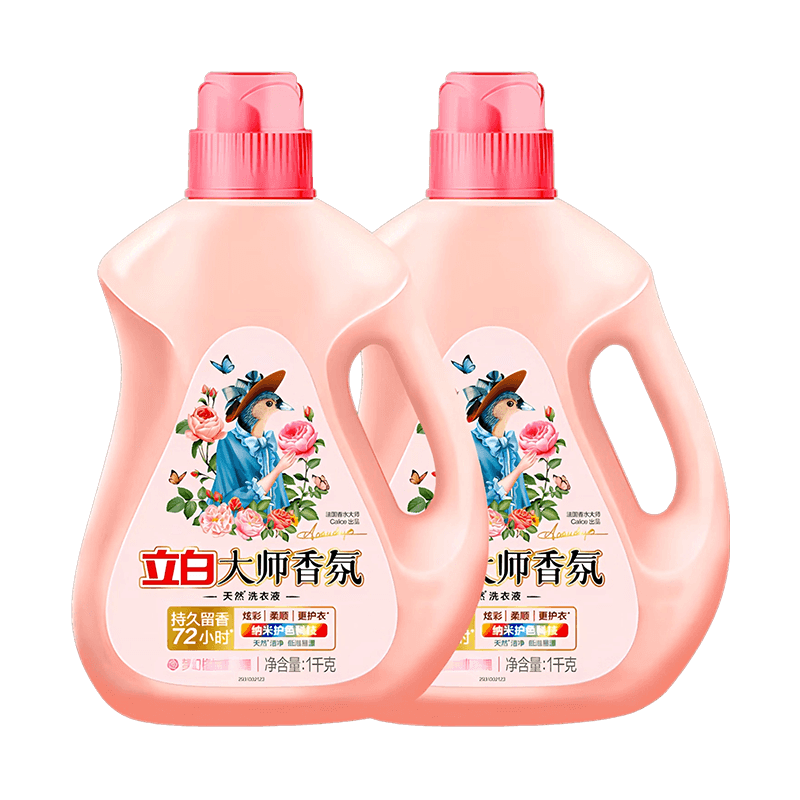
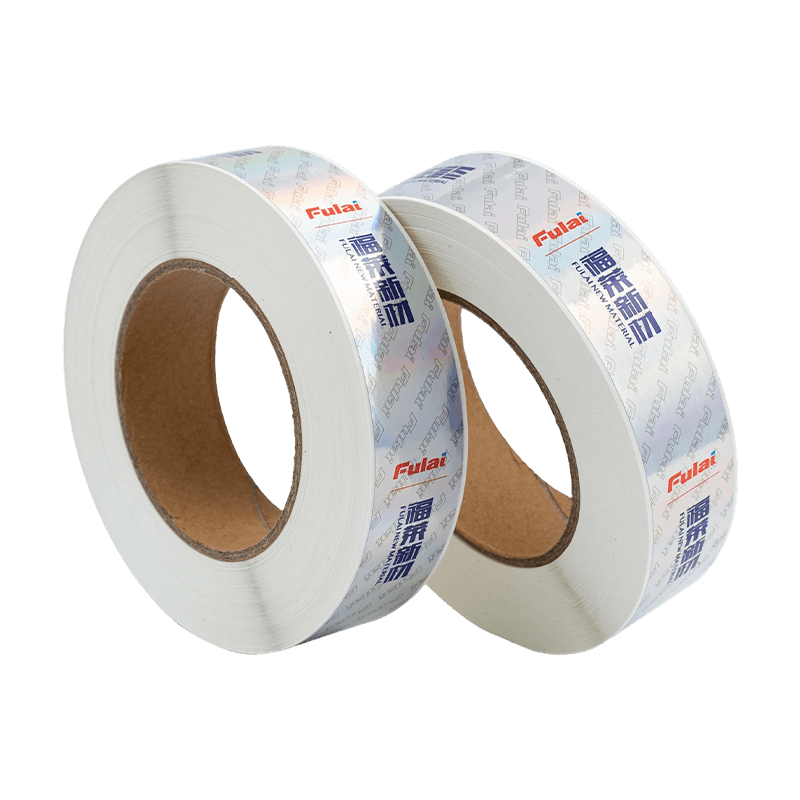
Highly chemically resistant film labels
Why Chemical Resistance Matters in Product Labeling
Packaging labels are often treated as a visual component of a product, but for chemical cleaning products they serve several critical technical functions. The label may display the product name, concentration, instructions for use, safety warnings, storage conditions, emergency information, manufacturer details, batch information, barcodes, and other essential data. Each of these elements must remain identifiable throughout the product’s service life.
Many cleaning products contain ingredients that can attack conventional label materials. Oxidizing agents may discolor printed graphics or weaken the surface. Acids and alkalis can affect adhesive bonds and cause edge lifting. Solvents may soften inks, dissolve coatings, or migrate into the label structure. Moisture and condensation can also create conditions in which paper facestock swells, wrinkles, or separates from the container.
In a household environment, a container may be stored under a sink, handled with wet hands, splashed during use, or exposed to temperature changes. In industrial facilities, containers may be moved through warehouses, production areas, loading docks, and chemical storage rooms. They can experience abrasion from cartons, pallets, conveyors, shelving, and manual handling. A label that performs well in a dry office environment may fail quickly in these conditions.
Chemical resistance is therefore not a single feature. It is the result of coordinated performance between the facestock, adhesive, ink system, surface treatment, converting process, and container substrate. A high-performance label must resist chemical attack while maintaining adhesion, print clarity, dimensional stability, and clean appearance.
The Risks of Label Failure
Label failure can create operational, commercial, and safety risks. If a product name or chemical identity becomes unreadable, workers may not be able to distinguish between similar containers. If warning information is lost, users may handle the product incorrectly. If a barcode or QR code becomes damaged, inventory systems may be unable to scan the item. If a label peels from a container, the packaging may appear defective and reduce customer confidence.
For industrial cleaning agents, the consequences can be more serious. Containers may be stored beside other chemicals with different handling requirements. Clear and durable labeling helps support correct identification, inventory control, transportation procedures, and workplace safety practices. A label that remains securely attached and readable is an important part of the overall packaging system.
Why Standard Paper Labels May Be Insufficient
Paper labels are economical and suitable for many dry or low-risk applications. However, paper is naturally sensitive to water and prolonged moisture exposure. Depending on its coating and construction, paper can absorb liquid, swell, wrinkle, tear, or lose surface integrity. Chemical exposure may accelerate these problems.
General-purpose adhesives may also lose strength when exposed to strong cleaning chemicals. The adhesive can soften, become brittle, or lose contact with the container surface. This may cause edge lifting, partial delamination, bubbles, or complete label separation. Even when the printed image remains intact, poor adhesion can make the label unsuitable for long-term use.
Highly chemically resistant film labels address these weaknesses by using synthetic film facestocks and a specially selected adhesive system designed for corrosive and solvent-containing environments.
Construction of Highly Chemically Resistant Film Labels
The performance of a chemical-resistant label depends on the interaction of several layers. The main components generally include the synthetic film facestock, the print-receptive surface or coating, the ink and protective finish, the pressure-sensitive adhesive, and the release liner used during production and application.
PE and PP Synthetic Film Facestocks
Polyethylene and polypropylene synthetic films are used as the primary facestock options for this type of label. Both materials offer advantages over conventional paper when the label must withstand moisture, handling, and exposure to demanding chemicals.
PE film is known for its flexibility and conformability. It can adapt well to curved containers, squeeze bottles, irregular surfaces, and packaging with moderate deformation during use. This flexibility can help reduce cracking or lifting when the container is squeezed or handled repeatedly.
PP film offers good dimensional stability, surface durability, and resistance to moisture. It is often selected when the label requires a firm, smooth appearance and strong resistance to handling. Depending on the packaging design and performance requirements, PP can be suitable for rigid bottles, industrial containers, tubs, and other formats.
The selection between PE and PP depends on the container material, shape, application method, expected deformation, chemical exposure, print design, and desired visual appearance. A qualified label manufacturer can evaluate the application and recommend the most appropriate film structure rather than applying one material to every product.
Special Chemical-Resistant Adhesive
The adhesive is a critical part of the label construction. A film facestock alone cannot prevent label failure if the adhesive cannot maintain its bond in the presence of corrosive liquids or solvents.
The special chemical-resistant adhesive used for these labels is designed to support firm, durable adhesion under challenging conditions. It is intended to resist the weakening effects of bleach, disinfectants, strong acid and alkali cleaners, organic solvents, and other aggressive substances. The objective is to reduce peeling, edge lifting, bubbling, and movement during long-term use.
Adhesive selection must also consider the container substrate. Plastic bottles, HDPE containers, metal cans, glass vessels, coated cartons, and other surfaces can have different surface energies and textures. A successful label solution balances initial tack, application performance, long-term adhesion, and resistance to chemical exposure.
Printing and Protective Finishing
For a label to remain useful, the printed information must stay legible as well as attached. The printing system, ink selection, curing or drying conditions, and protective finishing process all contribute to text stability and graphic durability.
Important label information may include product names, instructions, precautionary statements, hazard symbols, dosage information, barcodes, batch codes, and branding. The print must retain sufficient contrast and definition for users and automated systems to recognize it. Depending on the application, additional protective treatments may be considered to support resistance to rubbing, moisture, and chemical contact.
The label structure can be customized according to the level of exposure. A product that is occasionally splashed may require a different construction from a drain cleaner that is routinely handled with wet or chemically contaminated gloves. The manufacturing process should therefore begin with a clear understanding of the product’s actual service environment.
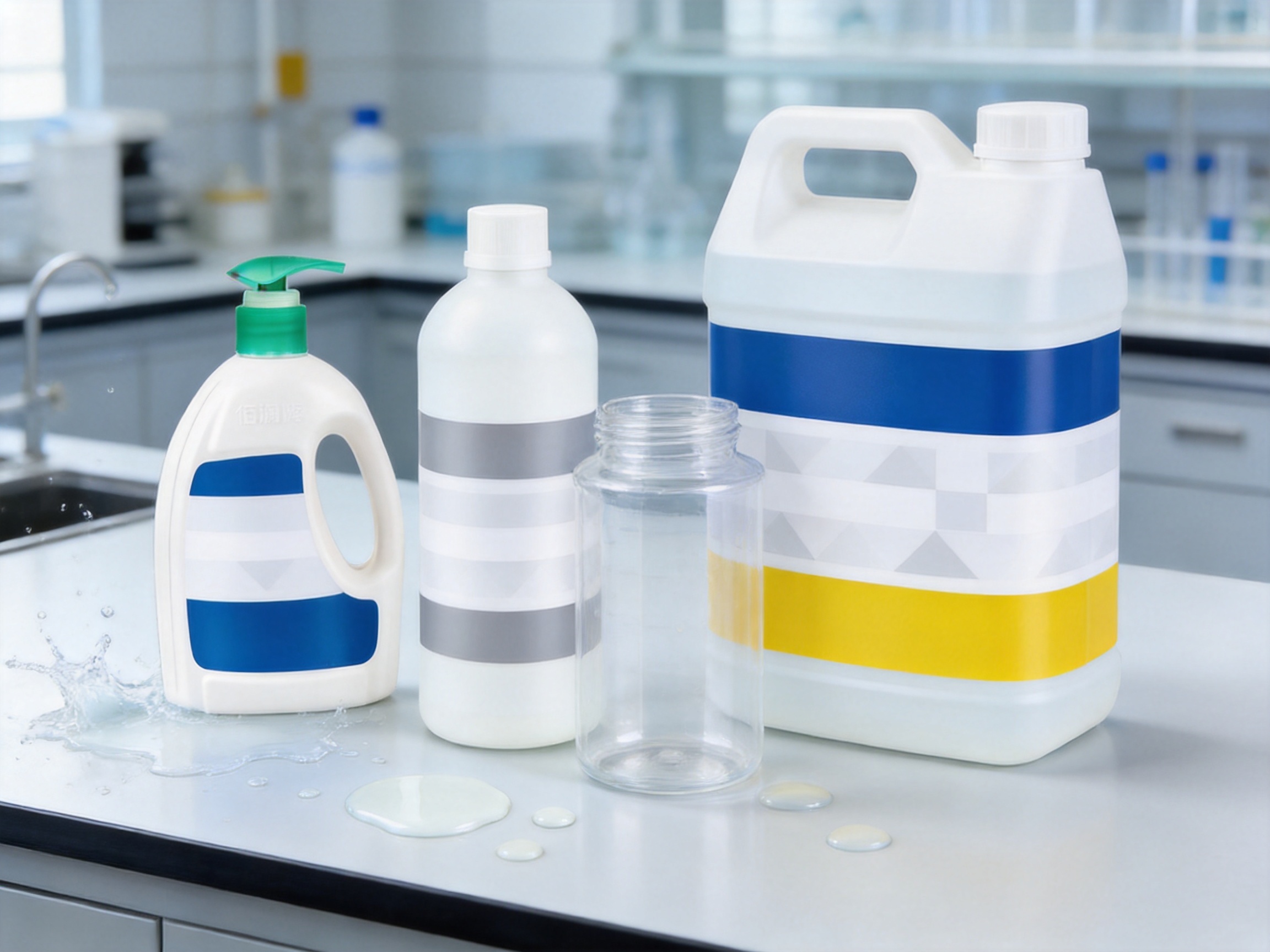
Core Performance Advantages
Resistance to Bleach and Disinfectants
Bleach and disinfectants are widely used in household, commercial, healthcare, hospitality, and industrial environments. These products may contain oxidizing or reactive ingredients that can affect conventional inks, coatings, paper surfaces, and adhesives.
Highly chemically resistant film labels are designed to maintain their appearance and attachment when exposed to these products. Their synthetic film structure helps prevent the swelling and surface breakdown commonly associated with paper. The specialized adhesive supports a stable bond, while the print system is selected to help preserve clear information during use.
Resistance to Strong Acids and Alkalis
Acidic and alkaline cleaners are often used for descaling, drain maintenance, degreasing, industrial sanitation, and heavy-duty cleaning. These formulations can be particularly demanding because even a small spill may begin to attack an unsuitable label.
The film and adhesive combination used in highly chemically resistant labels is intended to withstand contact with strong acid and alkaline cleaning products. By limiting the effects of corrosive liquids on the label structure, the solution helps retain label integrity and reduces the possibility of peeling, fading, bubbling, or flaking.
Resistance to Organic Solvents
Some industrial cleaners and specialty formulations contain organic solvents. Solvents may soften certain inks, dissolve surface treatments, or migrate into adhesive layers. Label designs for these applications must consider both direct contact and repeated incidental exposure.
The use of a synthetic film facestock and a chemical-resistant adhesive creates a stronger foundation for solvent-exposed labeling. Print and finishing specifications can be adjusted to support the required degree of resistance. This is especially relevant for industrial cleaning agents, maintenance products, and chemical containers that are handled in production environments.
Long-Term Adhesion
Long-term adhesion is essential when products remain in storage or use for extended periods. A label may be applied correctly at the factory but later encounter heat, cold, humidity, condensation, chemical splashes, vibration, or repeated handling. The adhesive must continue to hold the label to the container without excessive edge lift or separation.
Reliable adhesion helps keep the label in the intended position and protects the continuity of product information. It also improves the appearance of the package and reduces the need for manual relabeling, replacement, or disposal of damaged inventory.
Resistance to Fading and Flaking
Fading can make text, color coding, and safety symbols difficult to interpret. Flaking can create loose particles, damage the appearance of the package, and cause information loss. In environments where containers are moved frequently or stored outdoors temporarily, durability against abrasion and exposure becomes particularly important.
Film labels provide a more robust surface than untreated paper, while suitable printing and protective options help preserve the visual content. The result is a label that is intended to remain clear and professional throughout the product’s expected life cycle.
Resistance to Bubbling and Wrinkling
Bubbles and wrinkles can form when moisture, chemicals, air, or insufficient adhesion affects the interface between the label and container. They can interfere with scanning, reduce visual quality, and create areas where the label may begin to lift.
Appropriate film selection, adhesive compatibility, clean application surfaces, and controlled application pressure all help minimize these defects. In addition, the dimensional stability of synthetic film can help the label maintain a flatter and more consistent appearance under changing conditions.
Advantages Compared with Conventional Label Solutions
Highly chemically resistant film labels are not intended to replace every type of label. Their advantage is most apparent when products face chemical exposure, moisture, repeated handling, or demanding storage conditions. Compared with ordinary paper labels and general-purpose stickers, they offer a more specialized balance of durability and information stability.
| Performance Requirement | Conventional Paper Label | General-Purpose Film Label | Highly Chemically Resistant Film Label |
|---|---|---|---|
| Resistance to moisture | Often limited unless specially coated | Generally good | Designed for demanding wet and chemical environments |
| Resistance to bleach and disinfectants | May deteriorate or discolor | Depends on adhesive and print system | Specially developed for strong cleaning chemicals |
| Resistance to acids and alkalis | Usually limited | Varies by construction | Enhanced through synthetic film and chemical-resistant adhesive |
| Resistance to solvents | Often poor | Application dependent | Designed for improved resistance to organic solvents and corrosive liquids |
| Long-term adhesion | May weaken in wet conditions | Moderate to strong depending on adhesive | Focused on durable adhesion in aggressive environments |
| Print legibility | May fade, smear, or become damaged | Usually improved | Designed to retain clear printed information during long-term use |
| Suitable applications | Dry goods and low-exposure products | General moisture-resistant packaging | Concentrated cleaners, drain cleaners, disinfectants, and industrial agents |
The comparison demonstrates that material selection should be based on actual exposure rather than label price alone. A lower-cost label may become more expensive if it causes relabeling, rejected products, inventory delays, customer complaints, or loss of required information. A specialized chemical-resistant label can reduce these risks by providing performance appropriate to the application.
Improved Safety Communication
Safety information is useful only when it remains visible and readable. Chemical-resistant labels help preserve the communication channel between the product manufacturer and the user. Instructions, warnings, storage guidance, and precautionary statements remain available even when the package is exposed to demanding conditions.
This does not mean that a label alone guarantees regulatory compliance. Product owners remain responsible for determining the required information, testing their packaging, and meeting applicable regulations in each market. However, a durable label supports the practical delivery of that information throughout handling and use.
Reduced Maintenance and Replacement
When labels fail, companies may need to inspect stock, rework containers, replace labels manually, or dispose of products that cannot be identified reliably. These activities consume labor and create avoidable waste.
Using a label engineered for the chemical environment can reduce the likelihood of early failure. It may also improve production efficiency by lowering the number of rejected packages and reducing interruptions caused by poor application or adhesive performance.
Better Brand Presentation
Packaging appearance influences customer confidence. A label that remains flat, clean, and legible presents a more professional image than one that is faded, stained, wrinkled, or partially detached. This is important for both consumer products and industrial products, where packaging quality can influence perceptions of reliability and safety.
Synthetic film labels can also support high-quality graphics, strong color contrast, precise text, and clean die-cut shapes. Brands can maintain visual consistency across product families while selecting different constructions for different chemical exposure levels.
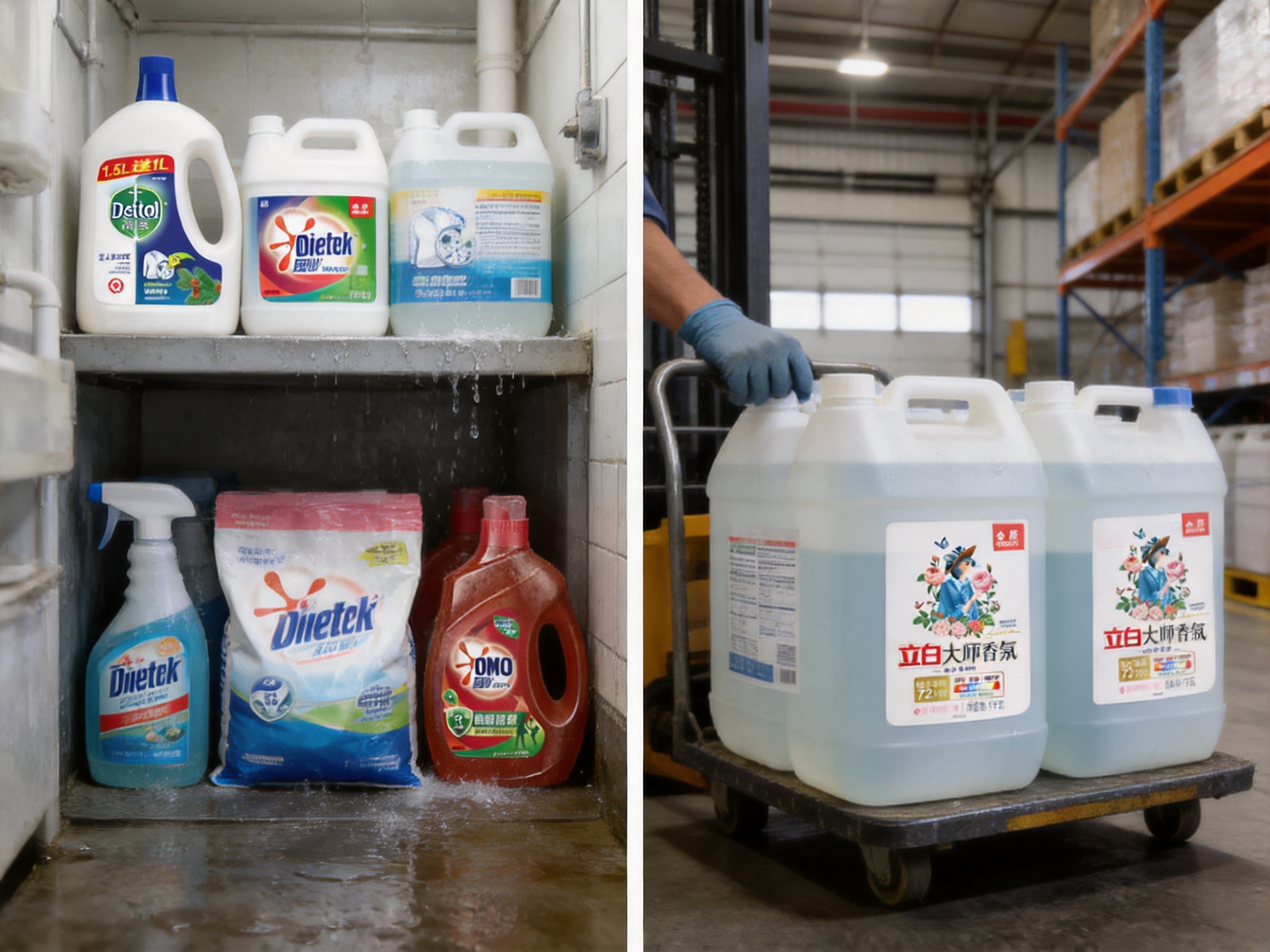
Applications Across Cleaning and Industrial Product Categories
Concentrated Cleaning Solutions
Concentrated cleaning solutions are often diluted before use, but the container may still be exposed to splashes, drips, and residue during opening and dispensing. Their chemical concentration can make label resistance particularly important.
A highly chemically resistant film label can display dilution instructions, contact information, warnings, and product identification while remaining attached to the bottle. PE may be suitable for flexible containers, while PP may be selected for rigid packaging requiring greater dimensional stability.
Drain Cleaners
Drain cleaners may contain strong acids or alkalis and are frequently packaged in containers that require clear warning information. The product may be stored in humid areas, handled with gloves, or exposed to accidental spills.
The label construction should be selected to withstand the expected contact conditions and remain firmly attached. Clear, durable printing is important because users must be able to identify the product and read instructions before opening or applying it.
Industrial Cleaning Agents
Industrial cleaning agents may be used in factories, workshops, commercial kitchens, warehouses, transportation facilities, and maintenance operations. Containers can be moved frequently and may encounter oil, water, solvents, metal surfaces, machinery, and abrasive handling.
Labels for these products need to combine chemical resistance with practical durability. They may also require barcodes, lot codes, variable data, multilingual information, or compatibility with automated warehouse systems.
Disinfectants and Sanitizing Products
Disinfectants are used in healthcare, food processing, hospitality, schools, offices, and public facilities. The containers may be exposed to repeated wiping, splashing, and contact with other cleaning agents.
Film labels provide a stable substrate for product identification and usage instructions. Chemical-resistant adhesive performance helps reduce the risk of label separation when the packaging is cleaned or handled repeatedly.
Household Laundry Care Products
Laundry detergents, stain removers, fabric treatments, and bleaching products may be stored in bathrooms, laundry rooms, or utility areas where humidity and occasional spills are common. Bottles can also be squeezed, dropped, or handled with wet hands.
Flexible PE labels can be considered for squeeze packaging, while PP labels may be appropriate for rigid containers and products where a smooth, crisp appearance is desired. The final choice should reflect the container design and chemical formulation.
Commercial and Institutional Cleaning Products
Commercial cleaning products are often supplied in larger containers and used at higher frequencies than ordinary household products. They may be transported between storage rooms, service areas, kitchens, hotels, hospitals, and offices.
Durable labeling supports identification and inventory control across multiple locations. A label that retains its information through repeated handling can help staff distinguish products and follow the correct operating procedures.
Advanced Manufacturing Process
Reliable chemical-resistant labels depend on more than a suitable raw material. The manufacturing process must control every stage from material preparation through printing, converting, inspection, and packaging. Shanghai Rongyang Industrial Development Co., Ltd. integrates research and development, manufacturing, sales, and service to provide complete pressure-sensitive label solutions.
Application Analysis and Material Planning
The process begins with understanding the product and its operating conditions. Relevant factors include the chemical composition, concentration, exposure frequency, container material, container geometry, application temperature, storage conditions, expected service life, printing requirements, and logistics environment.
This information helps determine whether PE or PP is more appropriate, which adhesive construction should be used, whether additional protection is needed, and how the label should be converted. Material planning at the beginning of the process reduces the risk of selecting a label that performs well in the laboratory but poorly on the actual package.
Raw Material Control
Consistent raw materials are essential for reliable production. Film thickness, surface quality, adhesive uniformity, liner stability, and print receptivity can all affect the final result. Incoming materials should be evaluated according to established specifications before entering production.
Rongyang’s quality control approach covers the process from raw materials to finished products. This creates a foundation for stable production and helps identify variation before it affects large quantities of labels.
Surface Preparation and Printing
Synthetic films may require surface treatment or a print-receptive layer to support ink anchorage and image quality. Controlled printing conditions help maintain accurate colors, sharp text, consistent registration, and reliable variable data.
For chemical product labels, legibility is often more important than decoration alone. Small safety text, symbols, instructions, and machine-readable codes must be printed with sufficient clarity. Production controls help maintain consistency across rolls, batches, and product versions.
Adhesive Coating and Lamination
The adhesive layer must be applied evenly and consistently. Variations in coating weight or bonding conditions can affect initial tack, final adhesion, and chemical resistance. Lamination or protective finishing, when required, must also be controlled to prevent wrinkles, trapped air, or incomplete bonding.
Specialized equipment and trained production personnel help ensure that the adhesive and film work together as a unified structure. This is especially important for labels expected to remain attached to containers in corrosive environments.
Precision Die-Cutting
Die-cutting determines the label’s final shape and dimensions. Accurate cutting supports smooth application, consistent spacing, and clean package presentation. It also helps ensure that the label does not interfere with bottle seams, closures, handles, or other packaging features.
Specialized die-cutting can support unusual shapes, narrow strips, wraparound labels, multi-panel formats, and other customized requirements. The correct shape can improve both visual impact and practical handling.
Automated Production Lines
Advanced automated production lines support repeatable processing and efficient large-volume manufacturing. Automation can improve material handling, registration control, production speed, and consistency between batches.
For international customers and large consumer product programs, production capacity is an important consideration. A manufacturer with automated lines and organized process management can help support stable supply, scheduled delivery, and consistent product specifications.
Inspection and Quality Assurance
Precision inspection equipment is used to identify defects such as missing print, color variation, poor registration, bubbles, wrinkles, die-cutting errors, adhesive contamination, and surface damage. Inspection may occur during production and again before shipment.
Quality assurance should also consider the intended application. Depending on customer requirements, testing may evaluate adhesion, appearance, dimensional accuracy, print quality, barcode readability, and resistance to relevant chemicals. Application-specific testing provides more meaningful information than relying only on general material data.
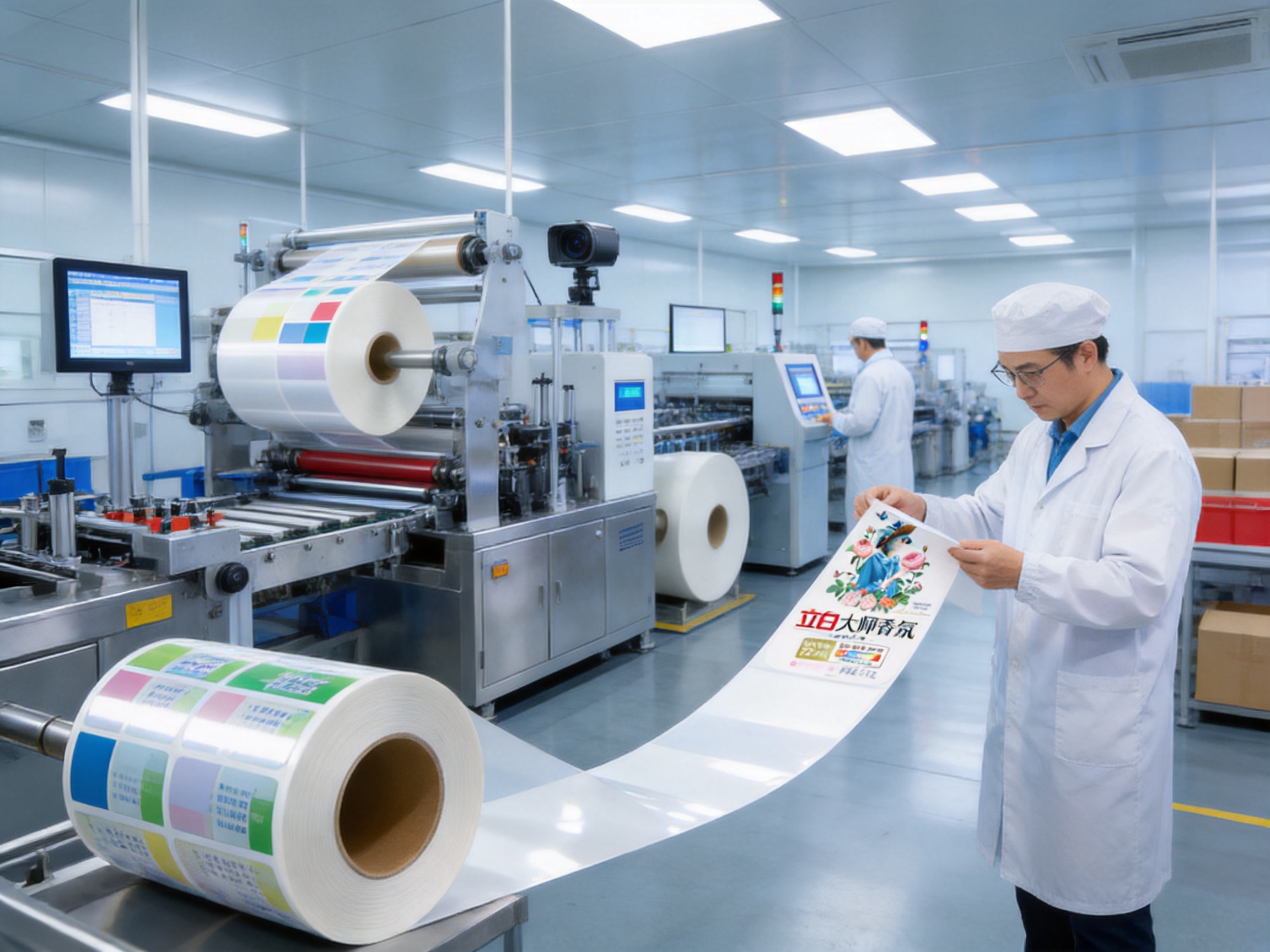
Company Capabilities and Integrated Strengths
Shanghai Rongyang Industrial Development Co., Ltd. is an integrated provider of pressure-sensitive labels and RFID smart labels. Its capabilities cover research and development, manufacturing, sales, and service, allowing customers to work with one partner across product design, production, quality management, and supply coordination.
The company supplies pressure-sensitive labels for fast-moving consumer goods, food and beverage, pharmaceuticals, logistics, and retail. This cross-industry experience is valuable because it exposes the organization to different packaging substrates, application methods, labeling speeds, information requirements, and durability expectations.
Technical Development
Research and development support is important when a label must meet special performance requirements. Chemical resistance may need to be combined with removable adhesion, high-temperature resistance, anti-counterfeiting features, RFID functionality, specialized die-cutting, or variable data printing.
Rongyang provides customized label solutions with special functions, enabling customers to develop a label structure around a real packaging challenge rather than selecting only from standard products. This approach can help align materials, adhesives, graphics, and converting methods with the intended use.
Quality Management
The company has obtained ISO 9001 and ISO 14001 certifications and has passed the SMETA social responsibility audit, according to the supplied company information. These credentials indicate an established focus on quality management, environmental management, and responsible business practices. Customers should still confirm the specific certification scope and current validity when conducting supplier qualification.
A structured quality system can support document control, process consistency, corrective action, supplier management, traceability, and continuous improvement. These elements are particularly valuable for customers that require repeat orders with stable specifications.
International Production Capability
With production facilities in China and Malaysia, Rongyang is positioned to serve large-scale and international customer requirements. Multiple production locations can support supply planning, regional coordination, capacity management, and business continuity, subject to the specific project and production arrangement.
International customers may also benefit from a manufacturer familiar with export packaging, multilingual artwork, regional product variations, and coordinated delivery requirements. Clear technical communication remains essential, especially when labels are used on products sold in multiple markets.
Broader Smart Label Expertise
In addition to conventional pressure-sensitive labels, the company offers RFID inlays, tags, and finished products in HF and UHF frequencies. These products support warehouse logistics, asset management, retail anti-theft, and smart manufacturing applications.
Although RFID functionality is different from chemical-resistant labeling, experience in smart labels demonstrates broader competence in substrate selection, converting, inspection, data requirements, and application engineering. A supplier with both conventional and intelligent label capabilities may be able to support a broader packaging and supply chain strategy.
Design Considerations for Chemical-Resistant Labels
Container Material and Shape
The label should be matched to the container. High-density polyethylene, polypropylene, glass, metal, and coated surfaces have different adhesion characteristics. Curved shoulders, recessed panels, tapered walls, handles, and squeeze areas can also affect application.
PE film may be advantageous where flexibility and conformability are important. PP may be preferred where a stable, smooth, and more rigid label appearance is required. The final decision should be verified through application trials.
Exposure Conditions
Customers should define how the label will encounter the chemical. Important questions include whether exposure is occasional or continuous, whether the label will be submerged or only splashed, whether the chemical remains on the label for seconds or days, and whether the container is wiped after exposure.
Temperature, humidity, ultraviolet exposure, abrasion, pressure washing, and storage duration may also affect performance. A label that works for indoor household storage may require a different construction for outdoor industrial use.
Graphic and Information Requirements
Artwork should provide enough contrast and text size for practical use. Safety information should not be crowded into areas that may be difficult to read. Barcodes and QR codes need sufficient quiet zones and print definition. Product versions, languages, hazard symbols, and regulatory statements should be managed carefully to prevent artwork errors.
Film labels can support detailed graphics and high-quality brand presentation, but design quality must be combined with functional clarity. The most attractive label is not effective if important instructions cannot be read quickly.
Application Method
Labels may be applied manually, semi-automatically, or by high-speed automatic labeling equipment. Application speed, pressure, temperature, and surface cleanliness can affect final adhesion.
Containers should normally be free from dust, oil, moisture, and residue before application. The label should be applied with sufficient pressure to establish contact, particularly on textured or curved surfaces. Customers should test the exact container and application process rather than relying only on a material specification sheet.
Supply Format and Logistics
Roll direction, core size, outer diameter, spacing, label count, perforations, and winding direction should be agreed before production. These details affect compatibility with labeling equipment and warehouse handling.
Packaging should protect labels from moisture, dust, compression, and deformation during transport. Proper storage conditions help preserve adhesive performance before application. First-in, first-out inventory management may also be useful for pressure-sensitive label materials.
Testing and Validation
Testing should reflect the real product and real packaging system. A general statement that a label is chemical resistant is not a substitute for application-specific validation.
Initial Adhesion Testing
Initial adhesion testing examines how well the label bonds shortly after application. This can identify problems caused by poor surface cleanliness, low application temperature, unsuitable container material, or insufficient contact pressure.
Conditioned Adhesion Testing
Conditioned testing evaluates the label after exposure to temperature, humidity, chemical contact, or aging conditions. The label can be inspected for edge lift, bubbling, peeling, wrinkling, adhesive transfer, and loss of position.
Print Durability Testing
Print testing should examine text, graphics, symbols, barcodes, and variable data after exposure to the relevant chemicals and handling conditions. The objective is to confirm that the information remains clear enough for users and scanning systems.
Container-Specific Trials
Every container presents unique conditions. A label should be tested on the actual bottle, can, drum, pouch, or other package whenever possible. The test should include the intended production application method and the expected storage and use environment.
Rongyang’s precision inspection equipment and quality control system can support structured evaluation, but the customer and manufacturer should agree on acceptance criteria before production. Clear criteria reduce uncertainty and help ensure that the finished labels meet the project’s practical requirements.
Cost, Sustainability, and Total Value
Film labels may have a higher unit cost than basic paper labels, but unit price is only one part of the total cost. The financial impact of label failure can include rework, rejected packages, manual replacement, customer returns, damaged inventory, regulatory issues, and interruptions to production.
A more durable label can create value by reducing these risks. It can also support a more consistent appearance and reduce the frequency of corrective action. The best solution is one that delivers the required performance without adding unnecessary material or features.
Environmental considerations should be included in material selection and product design. ISO 14001 certification reflects an environmental management framework, while specific sustainability outcomes depend on the film, adhesive, liner, ink, converting process, and disposal system. Customers should evaluate the complete label construction and applicable recycling infrastructure rather than judging sustainability from the facestock alone.
Material reduction, efficient die layouts, responsible production planning, and accurate forecasting can help limit waste. Where the packaging system permits it, customers may also consider liner recycling, optimized label dimensions, and designs that use only the amount of material needed for performance.
How to Select a Reliable Supplier
A capable supplier should be able to discuss the product chemistry, container substrate, application process, expected service life, artwork requirements, testing plan, production capacity, and quality documentation. The supplier should not rely only on a generic label description.
Customers should review whether the manufacturer can provide the required PE or PP options, special adhesives, printing quality, die-cutting accuracy, inspection controls, and delivery formats. It is also useful to ask how changes in raw materials, artwork, or production location will be controlled.
Shanghai Rongyang Industrial Development Co., Ltd. combines specialized pressure-sensitive label production with technical development, automated manufacturing, inspection equipment, and international production capability. Its broader product range includes labels for consumer goods, food and beverage, pharmaceuticals, logistics, retail, RFID applications, anti-counterfeiting, high-temperature conditions, removable adhesion, and specialized die-cutting.
This integrated capability can be valuable for customers that need more than a basic printed sticker. It allows the supplier to approach labeling as a packaging engineering task involving materials, adhesives, information, equipment, quality, and logistics.
Frequently Asked Questions
What are highly chemically resistant film labels?
They are pressure-sensitive labels made with PE or PP synthetic film and a special chemical-resistant adhesive. They are designed to remain attached and legible when exposed to demanding cleaning chemicals, corrosive liquids, moisture, and repeated handling.
Which chemicals can these labels resist?
The supplied product information identifies resistance to bleach, disinfectants, strong acid and alkali cleaners, organic solvents, and various corrosive substances. Exact performance depends on chemical concentration, temperature, exposure time, container material, and label construction, so application-specific testing is recommended.
Are these labels suitable for drain cleaners?
Yes. Drain cleaners are one of the intended applications. Their strong chemical formulations make a durable film facestock and chemical-resistant adhesive particularly valuable. The finished label should be validated using the actual product and container.
Should I choose PE or PP film?
PE is often considered when flexibility and conformability are important, especially on squeeze bottles or curved containers. PP can provide a smooth appearance and good dimensional stability for rigid packages. The choice depends on container shape, deformation, application equipment, chemical exposure, and design requirements.
Will the printed information remain readable?
The label construction is designed to help printed information remain clearly legible during long-term use. Print quality, ink selection, protective finishing, chemical exposure, and abrasion conditions all influence the final result. The exact print system should be tested for the intended application.
Can the labels be used for barcodes and QR codes?
They can be produced with barcodes, QR codes, batch information, and other variable data when the artwork and printing specifications are suitable. Customers should validate scan performance after chemical exposure and handling.
Can the labels be applied automatically?
They may be supplied in formats suitable for manual, semi-automatic, or automatic application. Roll specifications, label spacing, winding direction, core size, and application speed must be coordinated with the labeling equipment.
How can bubbling and peeling be reduced?
Use a container-compatible adhesive, clean and dry the application surface, apply the label with sufficient pressure, select an appropriate film for the container shape, and validate the label under actual chemical and storage conditions. Production conditions should be controlled consistently.
Does a chemical-resistant label guarantee regulatory compliance?
No. A durable label supports the retention of required information, but the product owner remains responsible for determining applicable regulations, hazard communication requirements, artwork content, testing, and market-specific compliance.
Can the label design be customized?
Yes. Customization may include film selection, adhesive construction, dimensions, shape, roll format, colors, graphics, variable data, barcodes, protective finishing, anti-counterfeiting features, and specialized die-cutting.
What information should be provided when requesting a quotation?
Useful information includes the chemical formulation or product type, concentration, container material and shape, label dimensions, artwork, application method, expected service life, storage conditions, exposure conditions, annual volume, roll requirements, and destination market.
What manufacturing strengths does the supplier offer?
Shanghai Rongyang Industrial Development Co., Ltd. integrates research and development, manufacturing, sales, and service. It operates automated production lines, precision inspection equipment, and a quality control system covering raw materials through finished products. The company also has production facilities in China and Malaysia and offers pressure-sensitive, RFID, anti-counterfeiting, high-temperature, removable, and specialized die-cutting solutions.
Conclusion
Highly chemically resistant film labels are a practical packaging solution for products that must remain identified in the presence of aggressive cleaning chemicals and corrosive liquids. Their PE or PP synthetic film facestocks provide a durable alternative to conventional paper, while the special chemical-resistant adhesive helps maintain firm attachment during long-term use.
Their key advantages include resistance to bleach, disinfectants, strong acids, alkaline cleaners, organic solvents, moisture, bubbling, peeling, fading, and flaking. By preserving printed information and maintaining package appearance, these labels support product safety, operational efficiency, traceability, customer confidence, and long-term packaging reliability.
The best results come from matching the label construction to the actual chemical, container, application process, and service environment. Material selection, adhesive engineering, printing, die-cutting, inspection, and testing must work together as one controlled system.
With integrated research and development, automated manufacturing, precision inspection, quality management, international production capability, and experience across pressure-sensitive and RFID label applications, Shanghai Rongyang Industrial Development Co., Ltd. is positioned to support customers seeking dependable custom label solutions. For concentrated cleaners, drain cleaners, industrial cleaning agents, disinfectants, and other demanding products, a purpose-built chemical-resistant film label can provide a stronger and more reliable alternative to ordinary packaging labels.
References
1. ISO 9001, Quality Management Systems — Requirements.
2. ISO 14001, Environmental Management Systems — Requirements with Guidance for Use.
3. ISO 2859, Sampling Procedures for Inspection by Attributes.
4. Pressure-Sensitive Tape Council, Test Methods for Pressure-Sensitive Adhesive Products.
5. FINAT Technical Handbook, Test Methods for Self-Adhesive Label Materials.
6. General principles of chemical-resistant polymer film selection and pressure-sensitive adhesive engineering.
7. Product and company information supplied for highly chemically resistant film labels and Shanghai Rongyang Industrial Development Co., Ltd.
Product: Highly chemically resistant film labels


Messae Us Right Now!

- Quick Links
- Products
- Quality Control
- Our Story
- News
- Contact
- Our Product
-
- Beauty and Personal Care Labels
- Home cleaning and laundry care labels
- Liquor and Beverage Labels
- Food and dairy product labels
- Healthcare Labels
- Promotional and Interactive Labels
- Specialty and industrial solution
- Labels Thermal printing and logistics labels
- Anti-counterfeiting traceability and RFID Labels
- Contact us
- Tel:+86-573-86867861
- Phone:+86-18621872035
- E-mail:allen.men@rylabel.com
- Add:No. 111 Xincheng Road, Haiyan Economic Development Zone, Jiaxing City, Zhejiang Province


