
 English
 русский
 Español


Home / Author / Sofía Velasco — Customer Success and Technical Support Executive / Medical-Grade Container Labels for Secure, Traceable Pharmaceutical and Laboratory Storage
News

Medical-Grade Container Labels for Secure, Traceable Pharmaceutical and Laboratory Storage
2026-10-13
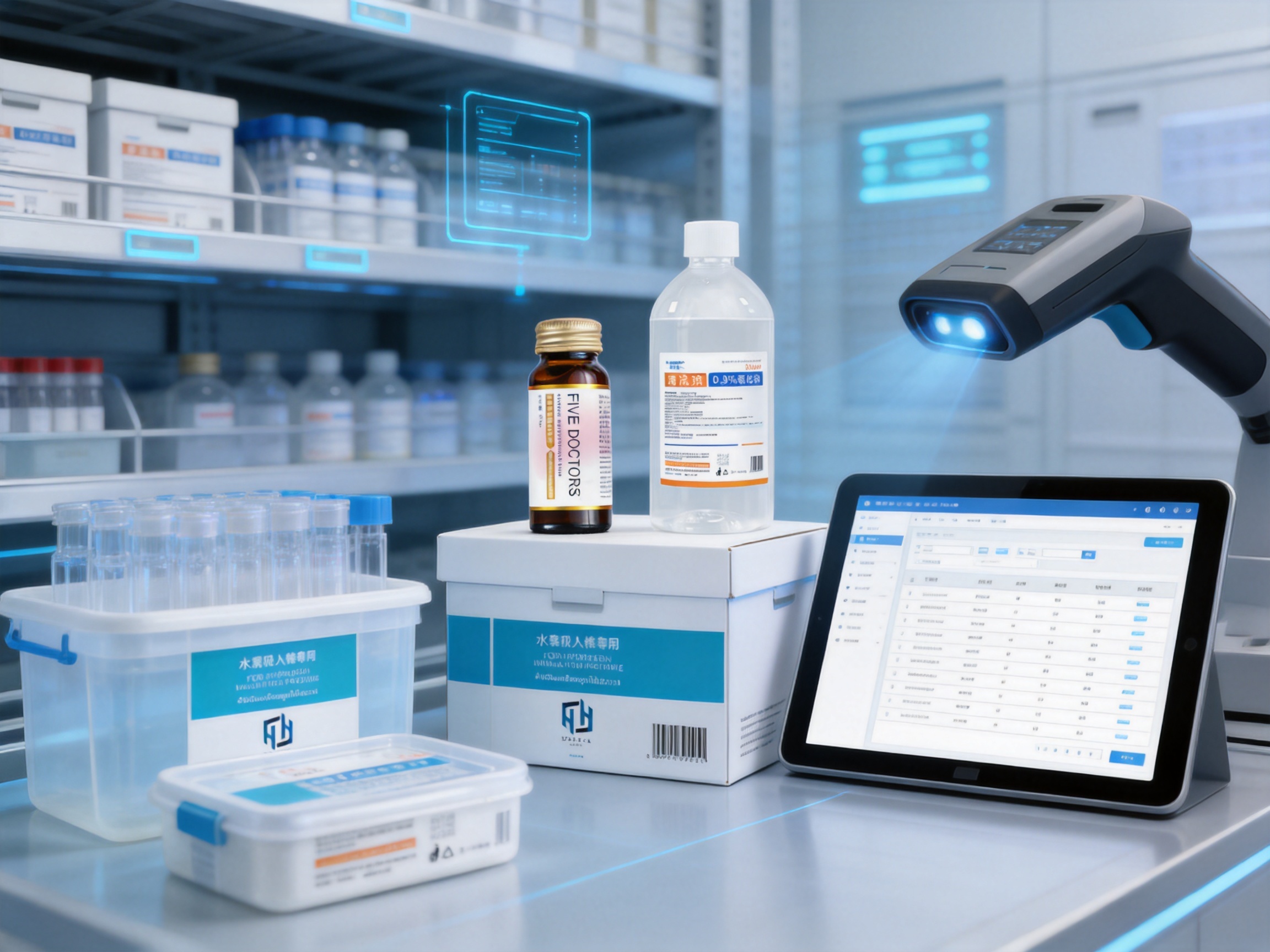
Medical-grade container labels are essential identification and traceability tools for laboratories, pharmaceutical manufacturers, biobanks, hospitals, research institutions, and biotechnology companies. Unlike ordinary pressure-sensitive labels, these labels must remain legible, firmly attached, and chemically stable while exposed to refrigeration, freezing, liquid nitrogen, repeated disinfection, moisture, handling, and demanding storage workflows.
Every container holding a pharmaceutical, reagent, biological sample, diagnostic material, or research substance requires dependable identification. A label may need to carry a sample number, product name, batch code, concentration, expiration date, hazard information, storage condition, barcode, two-dimensional code, or other data that supports quality control and traceability. If the label becomes detached, blurred, cracked, or unreadable, the consequences can include sample loss, inventory errors, compliance problems, and safety risks.
Medical-grade container labels are designed to address these challenges. They combine carefully selected face materials, specialized adhesives, durable printing systems, and controlled converting processes. The result is a labeling solution suitable for sample tubes, pharmaceutical storage bottles, bioreactor bags, cryopreservation boxes, laboratory containers, and other medical liquid storage applications.
Shanghai Rongyang Industrial Development Co., Ltd. provides customized pressure-sensitive and RFID label solutions for healthcare, pharmaceutical, laboratory, logistics, food, beverage, retail, and industrial applications. Through integrated research and development, manufacturing, quality inspection, sales, and service capabilities, the company supports customers requiring dependable labels for complex operating environments.
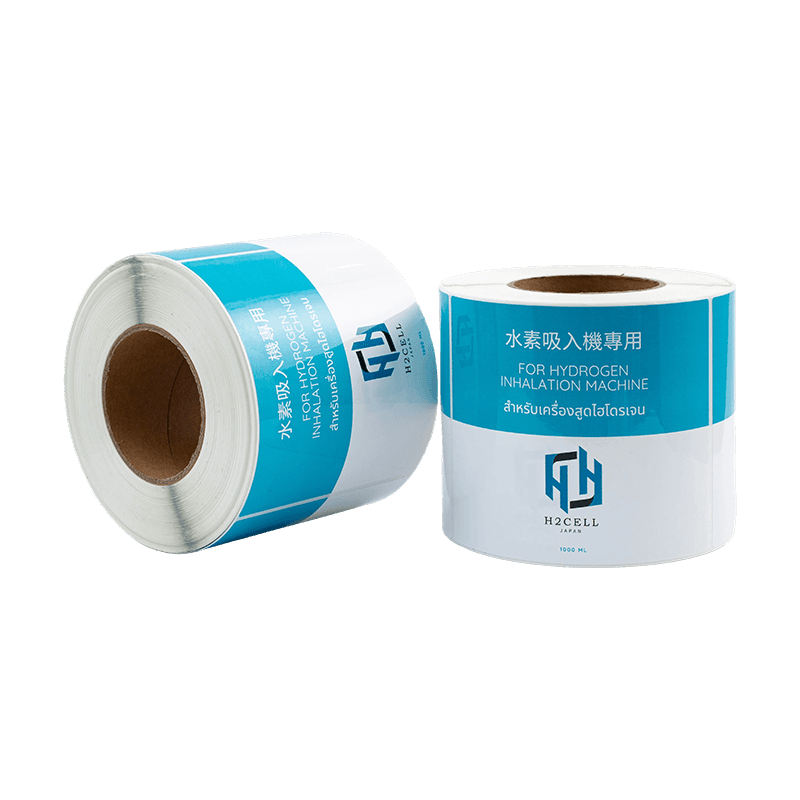
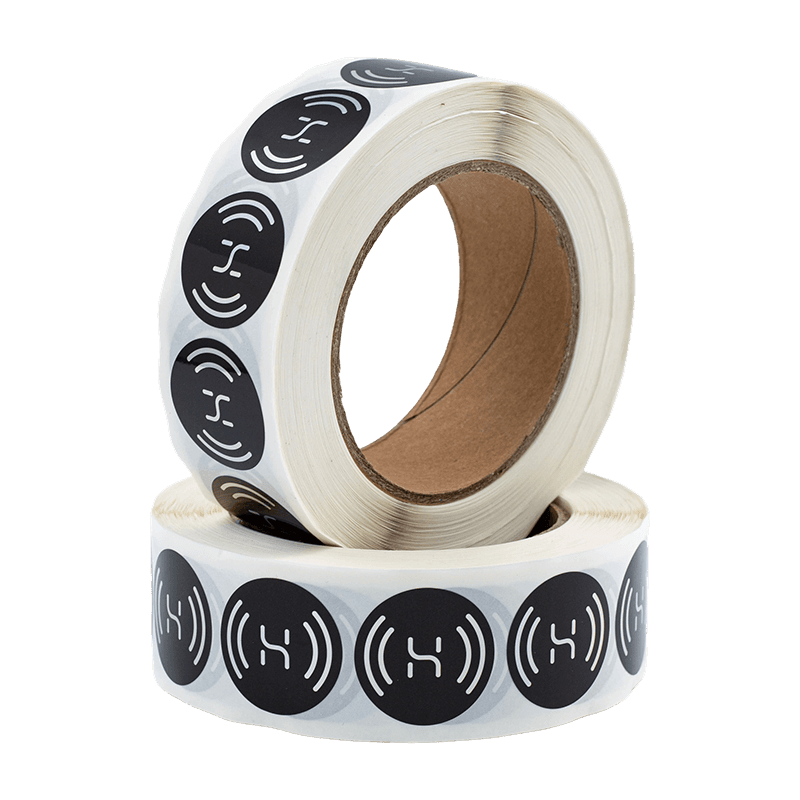
Medical-grade container labels
Why Medical-Grade Container Labels Require Specialized Engineering
Healthcare containers are often exposed to conditions that ordinary commercial labels cannot withstand. A laboratory tube can move from room temperature to a refrigerator, then to a freezer or an ultra-low-temperature storage system. A pharmaceutical bottle may be wiped repeatedly with alcohol or isopropanol. A bioreactor bag may experience condensation, flexing, and contact with liquids. A cryopreservation box may be handled with gloves in a cold and humid environment.
These conditions place simultaneous demands on the label. The face material must remain dimensionally stable. The printed information must resist abrasion and chemical attack. The adhesive must maintain sufficient tack and holding power without contaminating the container or leaving unacceptable residue. The label construction must also be compatible with the shape, surface energy, and material of the container.
Medical and laboratory labeling is therefore a complete system rather than a simple printed sticker. The performance of the finished label depends on the interaction of several elements:
• The face stock determines printability, flexibility, opacity, dimensional stability, and resistance to moisture or temperature changes.
• The adhesive determines initial tack, final adhesion, removability, resistance to solvents, and performance on difficult substrates.
• The ink and protective coating determine the durability of text, barcodes, symbols, and variable data.
• The die-cutting and converting process determines whether labels dispense cleanly and fit the container accurately.
• The inspection and quality-control process determines whether defects are identified before the labels reach the customer.
A product designed for medical-grade container labeling must consider all of these factors together. Focusing only on appearance or initial adhesion is insufficient because the label may later be frozen, disinfected, immersed, transported, or subjected to repeated handling.
Safe and Compliant Material Selection
Material safety is one of the most important considerations when labels are used on containers holding pharmaceuticals, reagents, biological specimens, or other sensitive materials. Depending on the application, the label may be located on the external surface of a container, positioned near a closure, attached to flexible packaging, or used in a setting where indirect contact with the container contents is possible.
Medical-grade container labels can be produced using medical-grade plastics, specialized composite materials, and pharmaceutical- or food-grade adhesive systems. Material selection should be based on the intended application, container construction, storage conditions, sterilization or disinfection procedures, and applicable customer specifications.
Materials selected for these applications may be evaluated against requirements associated with USP <661>, ISO 10993, and other relevant standards or customer protocols. The exact compliance requirements depend on the intended use and regulatory pathway. Customers should define whether the label is for external identification, direct contact, indirect contact, transport, storage, or a validated medical device application.
Using appropriate materials can provide several practical benefits:
• Reduced risk of label degradation during storage and handling.
• Better compatibility with plastic, glass, film, and composite containers.
• Improved resistance to moisture, condensation, and temperature cycling.
• More stable printing for critical identification information.
• Better support for customer validation, documentation, and quality-management procedures.
Material selection also influences the appearance of the label. White films can provide strong contrast for barcodes and small text. Transparent films can preserve container visibility or create a clean, low-profile appearance. Synthetic papers and composite structures can provide a balance between print quality, flexibility, and cost. For highly specialized applications, a multilayer construction may be selected to improve resistance to solvents, abrasion, or temperature changes.
Considerations for Plastic and Glass Containers
Plastic containers can have low-surface-energy characteristics that make adhesion more difficult. Certain plastics may also flex, release additives, or change dimensions at low temperatures. Glass generally offers a smooth surface, but condensation, frost, and surface contamination can reduce adhesion. A label construction that performs well on glass may not perform equally well on polypropylene, polyethylene, fluoropolymer, or flexible film surfaces.
For this reason, a professional label manufacturer should evaluate the container material before recommending a face stock and adhesive. Container diameter, curvature, surface texture, sterilization process, filling method, and expected storage temperature should also be considered.
Performance in Refrigerated, Frozen, and Cryogenic Environments
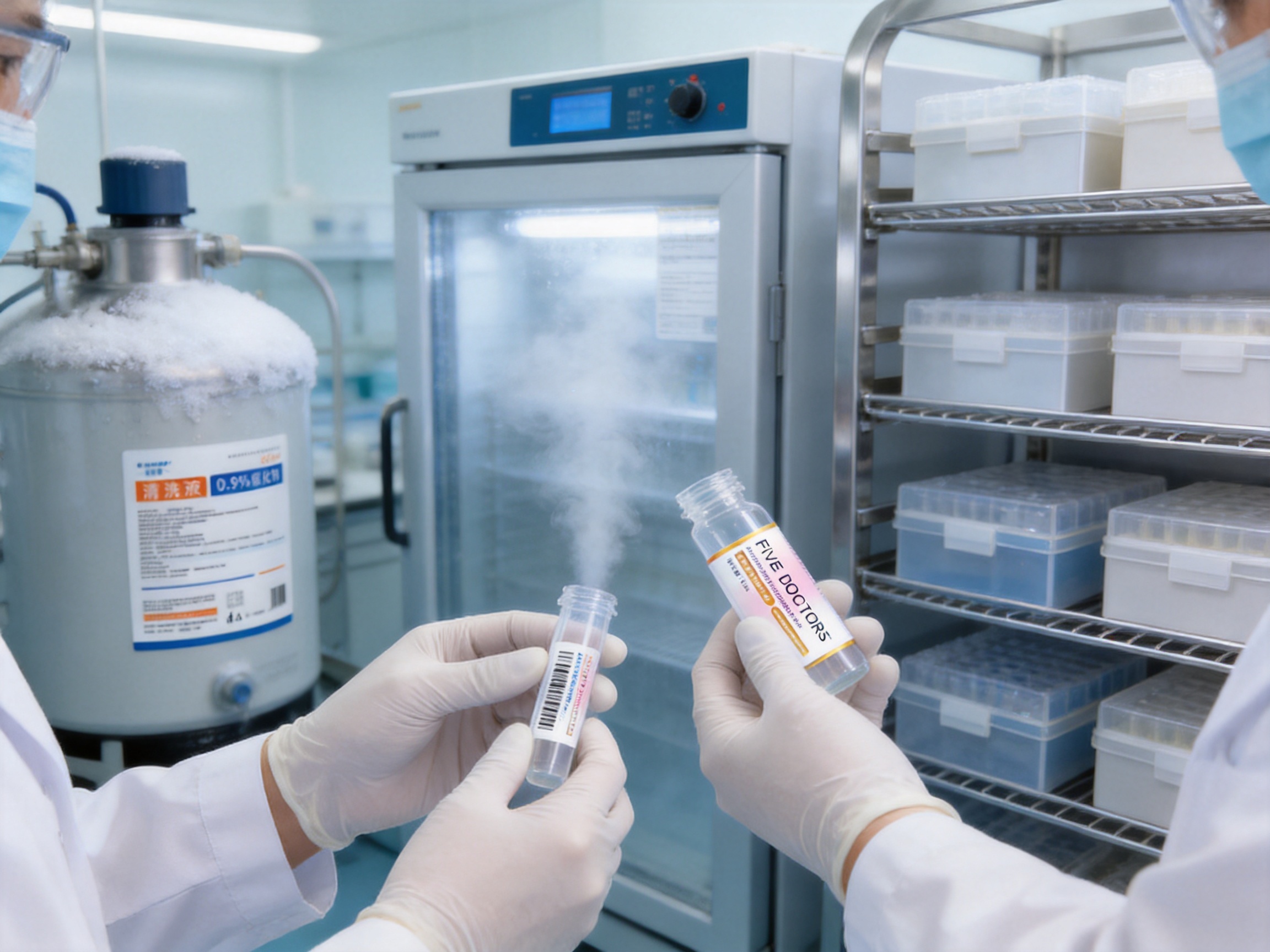
One of the defining advantages of medical-grade container labels is their ability to remain functional across demanding temperature ranges. Laboratory samples and pharmaceutical materials may be stored in refrigerators, conventional freezers, ultra-low-temperature freezers, or liquid nitrogen systems. During movement between storage zones, labels may experience repeated temperature cycling, condensation, frost, and rapid changes in surface condition.
At low temperatures, ordinary adhesive systems can become brittle or lose tack. Some labels may curl, crack, shrink, or separate from the container. Paper may absorb moisture and become weak. Ink may smear or fade when exposed to condensation, ice, or repeated contact with gloves.
Medical-grade labels for cold storage are designed with materials and adhesive technologies selected for low-temperature performance. Depending on the final specification, the construction can be engineered to support:
• Refrigerated storage.
• Freezer storage.
• Ultra-low-temperature storage.
• Liquid nitrogen cryopreservation workflows.
• Repeated temperature changes during sample movement.
• Handling with gloves or laboratory tools.
• Exposure to condensation and frost.
Labels for cryogenic applications must be evaluated as a complete construction. The face material, adhesive layer, liner, printing method, and application procedure all affect performance. The container surface should be clean and dry where possible, and application instructions should be followed to ensure adequate contact and bond development.
For samples stored in liquid nitrogen or vapor-phase nitrogen environments, customers should specify the precise storage method and container type. Cryogenic performance can vary according to whether the label is applied to a vial, tube, rack, box, bag, or other surface. It is also important to define whether the label must survive direct immersion, vapor exposure, rapid cooling, or repeated retrieval from storage.
Resistance to Alcohol, Isopropanol, and Common Disinfectants
Healthcare and laboratory containers are frequently wiped with alcohol, isopropanol, or other common disinfectants. This practice supports hygiene and contamination control, but it can damage ordinary labels. Repeated wiping may soften paper, remove ink, weaken the adhesive, or cause the label edges to lift.
Medical-grade container labels use suitable synthetic face materials, durable inks, protective coatings, and resistant adhesive systems to help maintain legibility during repeated disinfection. The goal is to preserve essential identification data, including barcodes, batch information, sample numbers, and expiration dates.
Resistance to disinfectants depends on the concentration, contact time, wiping force, temperature, and frequency of exposure. Customers should define their cleaning and disinfection process so that the label construction can be selected and tested appropriately. A label intended for occasional wiping may require a different specification from one exposed to repeated daily cleaning.
Durable printing is particularly important for small laboratory labels. When a barcode or sample number is printed in a small format, even minor smearing or fading may interfere with scanning. High-resolution printing, suitable ink selection, controlled curing, and protective coatings can help preserve data quality.
The label should also maintain its adhesive bond after exposure to disinfectants. Edge lifting can allow moisture and cleaning agents to penetrate beneath the label. In some situations, a lifted edge can catch on gloves or laboratory equipment, increasing the likelihood of label removal. Appropriate adhesive selection and accurate die-cutting help reduce these risks.
Clear Printing for Identification and Traceability
Healthcare labeling depends on clear and durable information. A label may contain human-readable text, barcodes, QR codes, Data Matrix codes, serial numbers, warning symbols, color indicators, and variable data. The information must remain readable throughout the product or sample life cycle.
High-quality printing supports several operational objectives:
• Faster manual identification.
• Reliable barcode scanning.
• Reduced transcription errors.
• Improved inventory control.
• Better batch and sample traceability.
• More efficient laboratory information management.
• Easier stock rotation and expiration control.
Printing quality is influenced by the label surface, ink or toner system, resolution, curing conditions, color management, and inspection process. A professional manufacturer should maintain consistent print registration and density across production batches. Variable-data labels should be checked for missing characters, duplicated numbers, unreadable codes, and incorrect sequencing.
For barcode applications, customers should identify the symbology, nominal size, required grade, scanning distance, and equipment to be used. Small tubes may require compact codes, while pharmaceutical cartons or cryogenic boxes may allow larger symbols. The label design should provide sufficient quiet zones and contrast to support reliable scanning.
Color can also contribute to workflow control. Different colors may identify storage temperatures, sample types, hazard categories, departments, or process stages. However, color should supplement rather than replace machine-readable and human-readable information, especially in environments where lighting conditions or color perception may vary.
Strong Adhesion Without Compromising Application
A medical-grade container label must remain attached during the intended storage and handling period. At the same time, some laboratory processes may require removable or repositionable labels. The correct adhesive must therefore be selected according to the application rather than based on a general assumption that stronger adhesion is always better.
Permanent adhesive systems are commonly selected when labels must remain in place for the full life of a pharmaceutical product, sample, or storage container. Removable systems may be appropriate for temporary identification, reusable equipment, secondary containers, or workflow labels that must be removed without excessive residue.
Important adhesive performance characteristics include:
• Initial tack during application.
• Final bond strength after dwell time.
• Low-temperature adhesion.
• Resistance to moisture and condensation.
• Resistance to alcohol and cleaning agents.
• Compatibility with curved surfaces.
• Resistance to edge lifting.
• Clean removability when required.
• Low risk of residue or adhesive transfer.
Application conditions matter as much as adhesive chemistry. The container should be clean and free of oil, dust, condensation, and incompatible release agents. A label may not bond effectively if applied to a wet or frosted surface. The label should be pressed firmly and evenly to promote contact, particularly around curves and narrow containers.
For small-diameter tubes and vials, label dimensions and corner radius can significantly affect performance. Excessively long labels may overlap or wrinkle, while overly rigid materials may resist conforming to the container. A carefully designed label format improves both appearance and functional reliability.
Applications Across Healthcare and Life Sciences
Laboratory Sample Tubes
Sample tubes often have limited labeling space and may be stored in racks, freezers, or automated systems. Labels must accommodate small dimensions while preserving sufficient room for sample identification and barcode scanning. They should remain attached during temperature changes, handling, and disinfection.
Applications may include blood collection tubes, specimen tubes, centrifuge tubes, reagent tubes, microtubes, and research sample containers. Depending on the workflow, the label may include a unique sample number, collection date, patient or study identifier, storage condition, and two-dimensional code.
Pharmaceutical Storage Bottles
Pharmaceutical bottles require labels that support product identification, batch control, dosage information, expiration management, and regulatory documentation. Labels may be applied to glass or plastic bottles and may need to remain attractive and readable throughout distribution and storage.
Special constructions can support resistance to refrigeration, moisture, handling, and routine cleaning. The label design can also include tamper-evident elements, serialized information, variable printing, or anti-counterfeiting features where required by the product owner.
Bioreactor Bags and Flexible Containers
Bioreactor bags and other flexible containers present special challenges because the surface may flex, wrinkle, or change shape during filling and use. Labels must balance flexibility with dimensional stability and maintain adhesion without creating excessive stress on the bag film.
Large-format labels may be used for process identification, batch information, equipment status, or material tracking. The label construction should be selected in consideration of the bag film, cleanroom environment, liquid contact risk, handling method, and required removal or retention period.
Cryopreservation Boxes and Racks
Cryopreservation boxes and racks are used to organize specimens in cold storage. Their labels must remain readable and attached despite repeated exposure to low temperatures, frost, condensation, and handling with gloves. Clear numbering and barcode printing can improve retrieval speed and reduce the possibility of storage-location errors.
Labels can be produced in formats that fit box lids, sides, rack positions, or compartment systems. Custom die-cutting allows the label to align with available surfaces and avoid hinges, edges, closures, or viewing windows.
Diagnostic and Research Reagents
Reagent containers may be stored in refrigerators or freezers and handled frequently during testing. Their labels often need to show lot numbers, preparation dates, expiration dates, concentration, hazard symbols, and storage instructions.
Durable labels support laboratory quality systems by ensuring that reagent identity and status remain visible throughout repeated use. Variable-data printing and serialized codes can further support stock control and digital recordkeeping.
Comparison with Ordinary Commercial Labels
Ordinary commercial labels are generally designed for moderate indoor conditions, short-term display, or conventional retail packaging. They may provide attractive graphics and economical production, but they are not necessarily engineered for pharmaceutical, laboratory, or cryogenic storage.
Medical-grade container labels offer several advantages over general-purpose alternatives:
| Performance Requirement | Ordinary Commercial Label | Medical-Grade Container Label |
|---|---|---|
| Low-temperature storage | May lose adhesion, crack, or curl | Designed with materials and adhesives selected for refrigerated, frozen, or cryogenic conditions |
| Alcohol and disinfectant exposure | Printing or face material may degrade | Can be specified with resistant films, inks, coatings, and adhesives |
| Small-format barcode printing | May not provide consistent scan quality | Produced with controlled printing and inspection for critical variable data |
| Plastic container adhesion | May lift from low-energy or flexible surfaces | Adhesive selection can be matched to the substrate and application conditions |
| Traceability requirements | Usually focused on general product identification | Supports batch, sample, serial, inventory, and healthcare workflow information |
| Custom performance requirements | Limited options | Can be customized for temperature, chemical resistance, removability, die-cutting, and variable data |
The primary competitive advantage is not simply a stronger label. It is a more complete and application-specific engineering approach. A well-designed medical-grade label considers the entire use environment before production begins.
Advanced Manufacturing Processes
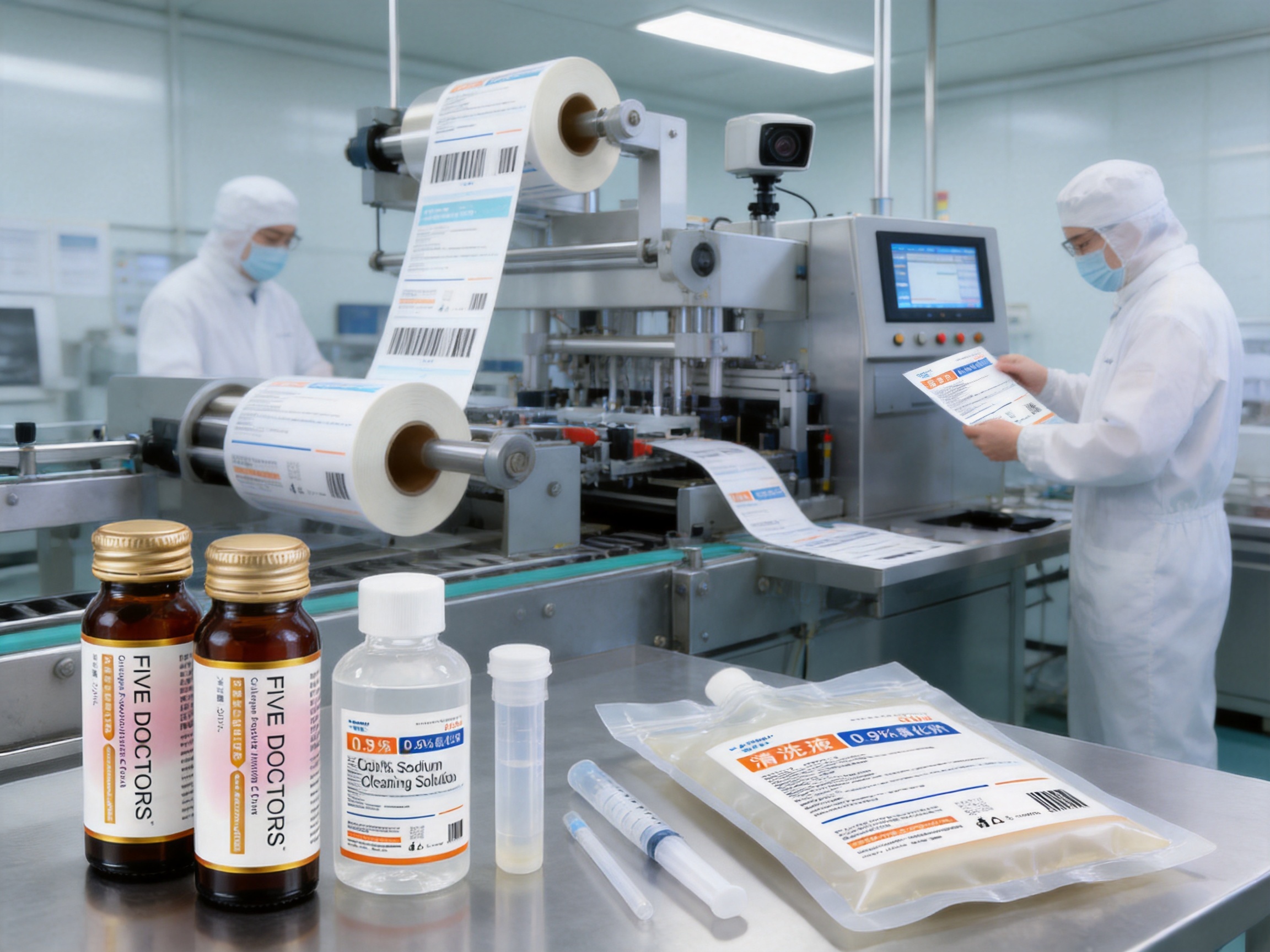
Reliable medical-grade container labels require disciplined production from raw-material inspection through final packing. Shanghai Rongyang Industrial Development Co., Ltd. operates automated production lines, precision inspection equipment, and quality-control systems designed to support consistent label manufacturing.
Technical Consultation and Specification Review
Production begins with an understanding of the customer’s application. Key information can include the container material, dimensions, surface condition, temperature range, disinfectant exposure, intended service life, printing content, barcode type, adhesive preference, and required packaging format.
This review helps determine whether the label should use a paper, film, synthetic, transparent, or composite face stock. It also supports selection of permanent or removable adhesive, protective coating, printing process, die-cut shape, and roll or sheet format.
Raw-Material Control
Raw materials influence finished-label performance. The manufacturer should control incoming face stock, adhesive-coated materials, liners, inks, coatings, and packaging components. Material identity, thickness, surface appearance, roll condition, and relevant technical data should be checked according to internal procedures and customer requirements.
Controlled material storage is also important. Temperature, humidity, dust, and handling conditions can affect label stock before production. Proper storage helps reduce curling, blocking, contamination, and changes in adhesive behavior.
Automated Printing and Converting
Automated equipment supports stable production speed, consistent registration, repeatable color, and efficient large-volume manufacturing. Depending on the product specification, processes may include flexographic printing, digital printing, thermal-transfer compatibility, coating, laminating, slitting, die-cutting, rewinding, and roll inspection.
Digital printing can be advantageous for variable data, serialized labels, short runs, multiple versions, and rapid customization. Conventional automated printing can provide efficiency and consistency for larger quantities. The most appropriate process depends on artwork, volume, variable information, color requirements, and performance specifications.
Precision Die-Cutting
Die-cutting determines the final label shape and supports accurate application. Medical containers often have narrow diameters, curved surfaces, small panels, or specialized closures. Precision tooling can produce labels with controlled dimensions, rounded corners, special tabs, positioning features, or custom shapes.
Clean die-cutting is important because rough edges, incomplete cuts, or excessive liner cuts can affect dispensing and application. Accurate waste removal also supports efficient high-speed labeling operations.
Inspection and Quality Assurance
Inspection may include visual checks, dimensional measurement, print verification, barcode grading, adhesive evaluation, roll inspection, and sampling under simulated environmental conditions. The exact tests should be based on the intended application and agreed specifications.
Inspection systems can help identify missing print, color variation, registration errors, surface contamination, wrinkles, pinholes, die-cut defects, and incorrect variable data. For serialized products, data integrity is especially important because a single duplicated or omitted code can disrupt traceability.
Quality control should extend beyond the finished label. Process records, material identification, production settings, inspection results, and packaging information help support consistent repeat orders and customer documentation.
Customization Options for Medical-Grade Labels
Healthcare customers often require labels that are adapted to a specific container or workflow. Customization can involve material, adhesive, size, shape, printing, surface finish, packaging, and information structure.
Available customization options may include:
• White, transparent, colored, synthetic, or composite face materials.
• Permanent, removable, repositionable, or specialized low-temperature adhesives.
• Matte, gloss, protective, chemical-resistant, or abrasion-resistant finishes.
• Barcodes, QR codes, Data Matrix codes, serial numbers, and variable text.
• Multi-color branding, warning symbols, and process indicators.
• Small-format labels for tubes and vials.
• Large-format labels for bags, boxes, and equipment.
• Fan-fold, sheet, roll, or custom packaging formats.
• Special die-cutting for curved, narrow, irregular, or recessed surfaces.
• Tamper-evident, anti-counterfeiting, removable, and RFID-enabled features.
Customization should be guided by the actual use case. For example, a transparent label may be appropriate when container visibility is important, while an opaque white film may provide better contrast for a two-dimensional barcode. A removable adhesive may be suitable for reusable boxes, while a permanent adhesive may be preferred for a pharmaceutical product label.
Integration with RFID and Digital Traceability
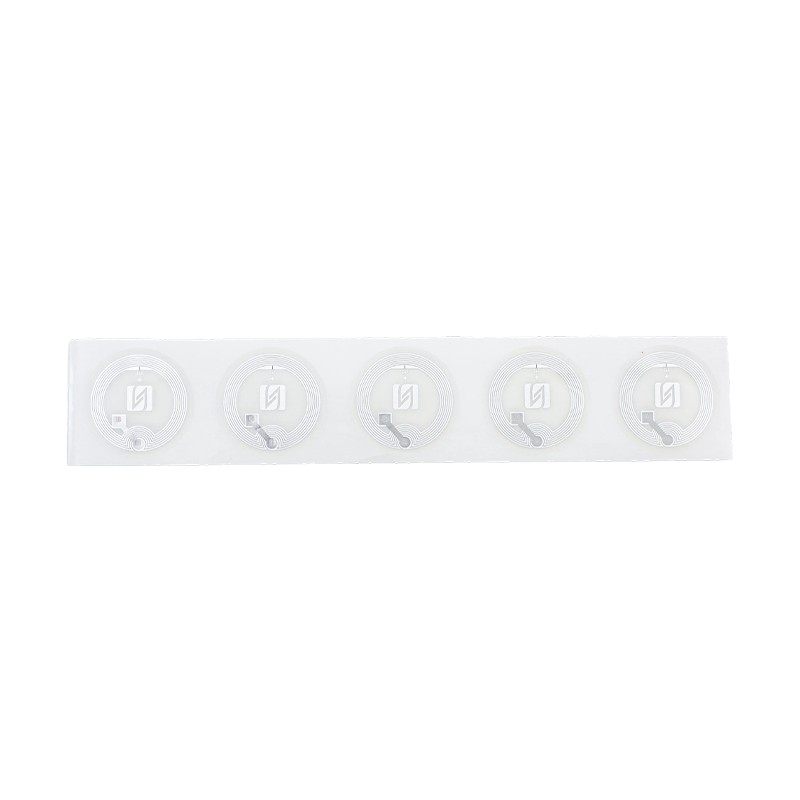
Some healthcare and laboratory operations require more than printed identification. RFID labels can support automated inventory management, asset tracking, storage-location control, and process visibility. Depending on the operating environment, HF or UHF RFID technologies may be selected.
RFID-enabled labels can be integrated with human-readable text and printed barcodes. This combination provides flexibility: personnel can read the label visually, scanners can use barcodes, and RFID systems can support non-line-of-sight identification or bulk reading.
RFID performance depends on the container material, liquid content, operating frequency, reader configuration, antenna design, and required read distance. Liquids and certain metals can affect radio-frequency performance. Therefore, RFID label design should be evaluated on the actual container and in the intended environment.
Shanghai Rongyang Industrial Development Co., Ltd. provides RFID inlays, tags, and finished products for HF and UHF applications, including warehouse logistics, asset management, retail security, and smart manufacturing. This capability can support customers seeking to connect medical labeling with broader digital inventory and traceability systems.
Anti-Counterfeiting and Security Features
Pharmaceutical and healthcare supply chains may require additional protection against unauthorized duplication, diversion, substitution, or tampering. Labels can incorporate security features according to the customer’s risk profile and verification process.
Possible features include serialized numbering, tamper-evident constructions, destructible materials, variable-data printing, hidden marks, security patterns, holographic elements, and RFID-based authentication. The selected feature should be practical for the users who will verify the product and should integrate with the company’s information system where appropriate.
Security labeling is most effective when combined with controlled data management, documented production procedures, and supply-chain monitoring. A visually complex label alone does not guarantee authentication. The label should form part of a broader product-security strategy.
Environmental and Sustainability Considerations
Healthcare labels must meet demanding performance requirements, but environmental considerations are also increasingly important. Customers may request materials with reduced environmental impact, optimized liner usage, responsible sourcing, or improved recyclability.
Material selection should consider the complete life cycle of the label and container. A label that performs well but interferes with container recycling may require further evaluation. In other cases, a durable label may reduce product waste by preventing sample misidentification, pharmaceutical disposal, or packaging replacement.
Shanghai Rongyang Industrial Development Co., Ltd. holds ISO 14001 certification and incorporates environmental management into its operational framework. Customers can discuss material reduction, efficient nesting, optimized roll dimensions, and packaging choices as part of a broader sustainability program.
It is important to balance sustainability goals with medical performance. Removing a protective layer or changing the adhesive without validation may reduce chemical or temperature resistance. Any environmental improvement should be assessed against the label’s required service conditions.
Quality Management and Manufacturing Strength
A dependable healthcare label supplier should provide more than production capacity. Customers also need technical communication, repeatability, documentation, responsive service, and the ability to scale from trial quantities to larger programs.
Shanghai Rongyang Industrial Development Co., Ltd. was founded in 2008 and has developed integrated capabilities covering research and development, manufacturing, sales, and service. The company operates production facilities in China and Malaysia, supporting international customer requirements and larger-scale supply programs.
The company has obtained ISO 9001 and ISO 14001 certifications and has passed the SMETA social responsibility audit. These certifications and assessments do not replace application-specific testing, but they demonstrate a structured approach to quality management, environmental management, and responsible business practices.
Its product portfolio includes pressure-sensitive labels for fast-moving consumer goods, food and beverage, pharmaceuticals, logistics, and retail. It also includes RFID inlays, tags, and finished products, as well as specialized solutions for anti-counterfeiting, high-temperature applications, removable adhesion, and precision die-cutting.
For medical-grade container labels, this broader manufacturing foundation offers several advantages:
• Technical resources for matching materials and adhesives to the application.
• Automated production lines for repeatable output.
• Precision inspection equipment for print and dimensional control.
• Experience with pressure-sensitive label construction.
• Capability to support variable data and RFID integration.
• Production resources in multiple locations.
• Support for customized formats and specialized performance requirements.
• A quality system suitable for managing repeat orders and customer specifications.
Testing and Validation Recommendations
Before approving a medical-grade container label for routine use, customers should conduct testing that reflects actual conditions. Laboratory testing should not be limited to room-temperature visual inspection because many failures occur during storage, disinfection, transport, or repeated handling.
A practical validation program may include the following evaluations:
• Initial adhesion on the actual container material.
• Adhesion after refrigerated storage.
• Adhesion after freezing or ultra-low-temperature exposure.
• Resistance to temperature cycling.
• Resistance to condensation, frost, and moisture.
• Resistance to alcohol and isopropanol wiping.
• Abrasion resistance during normal handling.
• Barcode readability before and after environmental exposure.
• Print durability after repeated cleaning.
• Label removal behavior if removability is required.
• Compatibility with sterilization or disinfection procedures where applicable.
• Packaging and dispensing performance on the customer’s labeling equipment.
Testing should use production-representative materials and printing. A laboratory sample made with a different adhesive coating, ink, or finishing process may not accurately represent final production behavior.
Acceptance criteria should be defined in advance. These may include minimum barcode grade, allowable edge lifting, maximum residue, minimum holding power, permitted color change, or required legibility after a specified number of wipe cycles. Documented criteria make supplier qualification and change control more effective.
How to Select the Right Product Specification
Choosing a medical-grade container label begins with a clear description of the operating environment. The following questions can help customers and manufacturers define the correct construction.
What is the container made of? Glass, polypropylene, polyethylene, fluoropolymer, multilayer film, and other materials can have very different adhesion characteristics.
What is the container diameter and surface shape? Narrow tubes and curved bottles may require flexible materials, shorter label lengths, rounded corners, or special application methods.
What temperatures will the label experience? The specification should identify normal storage, minimum temperature, maximum temperature, cooling rate, warming rate, and the number of temperature cycles.
Will the label contact alcohol, isopropanol, detergents, disinfectants, oils, or other chemicals? The concentration and exposure frequency should be identified whenever possible.
How long must the label remain attached? A temporary laboratory workflow label may require a different adhesive from a permanent pharmaceutical product label.
What information must be printed? Text size, barcode symbology, code density, color, variable data, and scanning equipment all influence the design.
Will the label be applied manually or automatically? Roll direction, liner type, spacing, core size, and winding direction may be important for automated equipment.
Does the customer require RFID, anti-counterfeiting, tamper evidence, or special traceability? These features should be incorporated during the design stage rather than added later.
Clear answers to these questions allow the manufacturer to propose a more reliable and economical solution.
Packaging, Storage, and Handling of Finished Labels
Even a well-designed label can perform poorly if it is stored or handled incorrectly. Finished rolls and sheets should be protected from excessive heat, humidity, dust, direct sunlight, and compression. Packaging should prevent telescoping, edge damage, contamination, and deformation during transportation.
Customers should follow the supplier’s recommended storage conditions and use stock within the advised period. Before application, labels should be allowed to reach the operating environment when required. Applying a label to a cold, wet, frosted, or contaminated surface can reduce adhesion, even when the label construction has been designed for low-temperature service.
Inventory rotation can also help maintain consistent performance. Older material should be used according to the manufacturer’s recommendations, while opened packaging should be resealed when labels are not in use.
Operational Benefits for Healthcare Organizations
High-performance medical-grade container labels can create benefits beyond basic identification. They can help laboratories and pharmaceutical operations reduce avoidable errors, improve process consistency, and increase confidence in stored materials.
Reliable labels support:
• Faster sample retrieval.
• More accurate inventory counts.
• Reduced relabeling and rework.
• Better control of expiration dates and batch information.
• Improved barcode scanning and digital recordkeeping.
• Lower risk of labels detaching during storage.
• Better visibility during audits and inspections.
• More efficient coordination between laboratory, warehouse, and quality teams.
In many settings, the cost of a label is small compared with the cost of a lost sample, misidentified reagent, delayed production batch, or rejected shipment. Selecting a durable and application-appropriate label can therefore be a practical risk-control measure.
Why Choose an Integrated Label Manufacturing Partner
Healthcare customers often work with complex product portfolios and changing requirements. One product may need a small cryogenic tube label, another may require a pharmaceutical bottle label, and a third may need RFID-enabled logistics identification. Working with an integrated supplier can simplify technical coordination and support consistent quality across projects.
An integrated partner can help coordinate:
• Material selection.
• Adhesive development or specification.
• Artwork and variable-data preparation.
• Printing and finishing.
• Barcode and RFID requirements.
• Performance testing.
• Packaging and delivery.
• Repeat-order management.
Shanghai Rongyang Industrial Development Co., Ltd. combines pressure-sensitive label manufacturing with RFID product capabilities and specialized label solutions. This allows customers to explore printed, smart, security, and logistics labeling within one broader technical relationship.
Its facilities and service structure are intended to support domestic and international customers, while its manufacturing experience provides a foundation for customized label production. The company’s focus on research, innovation, quality control, and continuous improvement is relevant to customers seeking long-term supply stability rather than one-time printing only.
Frequently Asked Questions
What are medical-grade container labels used for?
They are used to identify and trace containers holding pharmaceuticals, reagents, biological specimens, diagnostic materials, and research liquids. Typical applications include laboratory sample tubes, pharmaceutical bottles, bioreactor bags, cryopreservation boxes, and other medical storage containers.
Can these labels be used in freezers?
They can be specified for refrigerated, frozen, ultra-low-temperature, and certain cryogenic storage conditions. The exact performance depends on the face material, adhesive, container substrate, application method, and storage procedure. Testing on the actual container is recommended before approval.
Can the labels withstand alcohol or isopropanol?
Medical-grade constructions can be selected to resist repeated wiping with common disinfectants such as alcohol and isopropanol. Resistance depends on concentration, contact time, wiping force, and frequency, so the customer’s actual cleaning procedure should be included in validation testing.
Are the labels suitable for plastic containers?
Yes. They can be customized for many plastic substrates, but plastic type and surface condition must be considered. Low-surface-energy plastics may require a specialized adhesive. The container should be clean, dry, and free from incompatible surface treatments during application.
Can small barcodes and two-dimensional codes be printed?
Yes. Small-format labels can be produced with human-readable text, linear barcodes, QR codes, Data Matrix codes, and serialized information. The final design should consider code size, quiet zones, contrast, printer resolution, and scanner requirements.
Are removable medical labels available?
Removable or repositionable adhesive systems may be available for temporary identification, reusable storage boxes, equipment, or laboratory workflows. Removability should be tested on the actual container after the intended storage and cleaning conditions.
Can labels be supplied with RFID?
RFID inlays, tags, and finished products can be integrated into suitable label constructions. HF or UHF technology may be selected according to the application. The presence of liquids, metals, and other materials can affect RFID performance, so testing should be conducted on the final container and in the intended reading environment.
What standards may be relevant to the materials?
Depending on the application, customers may reference USP <661>, ISO 10993, pharmaceutical packaging requirements, internal validation protocols, and other applicable standards. The appropriate requirements depend on the label’s location, intended use, contact conditions, and regulatory classification.
Can the labels include anti-counterfeiting features?
Yes. Possible options include serialization, tamper-evident constructions, destructible materials, variable-data marks, security patterns, holographic features, and RFID-based identification. The best solution depends on the customer’s authentication process and supply-chain risks.
How should customers begin a project?
Customers should provide the container material and dimensions, temperature range, cleaning or disinfectant exposure, required service life, label size, artwork, barcode details, application method, annual quantity, and any compliance or testing requirements. This information allows the manufacturer to recommend a suitable construction and validation plan.
Conclusion
Medical-grade container labels are critical components of safe pharmaceutical, laboratory, biotechnology, and healthcare operations. They must do more than display information. They must preserve identity, support traceability, resist challenging environments, and remain compatible with the container and workflow throughout the intended service life.
The advantages of a specialized medical-grade construction include resistance to refrigeration, freezing, ultra-low-temperature storage, moisture, repeated handling, alcohol, isopropanol, and other common laboratory conditions. High-quality printing and strong adhesion help keep barcodes, sample numbers, batch information, and storage instructions readable and securely attached.
Shanghai Rongyang Industrial Development Co., Ltd. supports these requirements through integrated research and development, automated manufacturing, precision inspection, pressure-sensitive label expertise, RFID capabilities, and customized technical services. Its ISO 9001 and ISO 14001 certifications, SMETA social responsibility audit, production resources in China and Malaysia, and experience across healthcare, pharmaceutical, logistics, retail, food, beverage, and industrial markets provide a foundation for dependable supply.
For the best result, each label should be engineered around the actual container and operating environment. By defining temperature exposure, disinfectant contact, substrate, label life, printing requirements, application method, and traceability objectives, customers can obtain a label solution that improves safety, workflow efficiency, and long-term information reliability.
References
United States Pharmacopeia. General Chapter <661>, Plastic Packaging Systems and Their Materials of Construction.
International Organization for Standardization. ISO 10993, Biological Evaluation of Medical Devices.
International Organization for Standardization. ISO 9001, Quality Management Systems — Requirements.
International Organization for Standardization. ISO 14001, Environmental Management Systems — Requirements with Guidance for Use.
International Organization for Standardization. ISO/IEC 15415 and ISO/IEC 15416, Barcode Print Quality and Data Matrix Evaluation Principles.
International Organization for Standardization. ISO/IEC 18000 Series, Information Technology — Radio Frequency Identification for Item Management.
International Air Transport Association. Guidance Materials for the Transport and Identification of Biological Substances and Pharmaceutical Products.
International Society for Pharmaceutical Engineering. Good Practice Guidance for Labeling, Packaging, and Traceability in Pharmaceutical Manufacturing.
United States Food and Drug Administration. Guidance Materials Relating to Container Closure Systems and Pharmaceutical Product Identification.
Shanghai Rongyang Industrial Development Co., Ltd. Technical information concerning pressure-sensitive labels, RFID labels, specialized adhesive solutions, and healthcare container-label applications.
Product: Medical-grade container labels


Messae Us Right Now!

- Quick Links
- Products
- Quality Control
- Our Story
- News
- Contact
- Our Product
-
- Beauty and Personal Care Labels
- Home cleaning and laundry care labels
- Liquor and Beverage Labels
- Food and dairy product labels
- Healthcare Labels
- Promotional and Interactive Labels
- Specialty and industrial solution
- Labels Thermal printing and logistics labels
- Anti-counterfeiting traceability and RFID Labels
- Contact us
- Tel:+86-573-86867861
- Phone:+86-18621872035
- E-mail:allen.men@rylabel.com
- Add:No. 111 Xincheng Road, Haiyan Economic Development Zone, Jiaxing City, Zhejiang Province


