
 English
 русский
 Español


Home / Author / Sofía Velasco — Customer Success and Technical Support Executive / Special Effects Craft Labels for Premium, Interactive, and Commemorative Products
News

Special Effects Craft Labels for Premium, Interactive, and Commemorative Products
2026-10-21
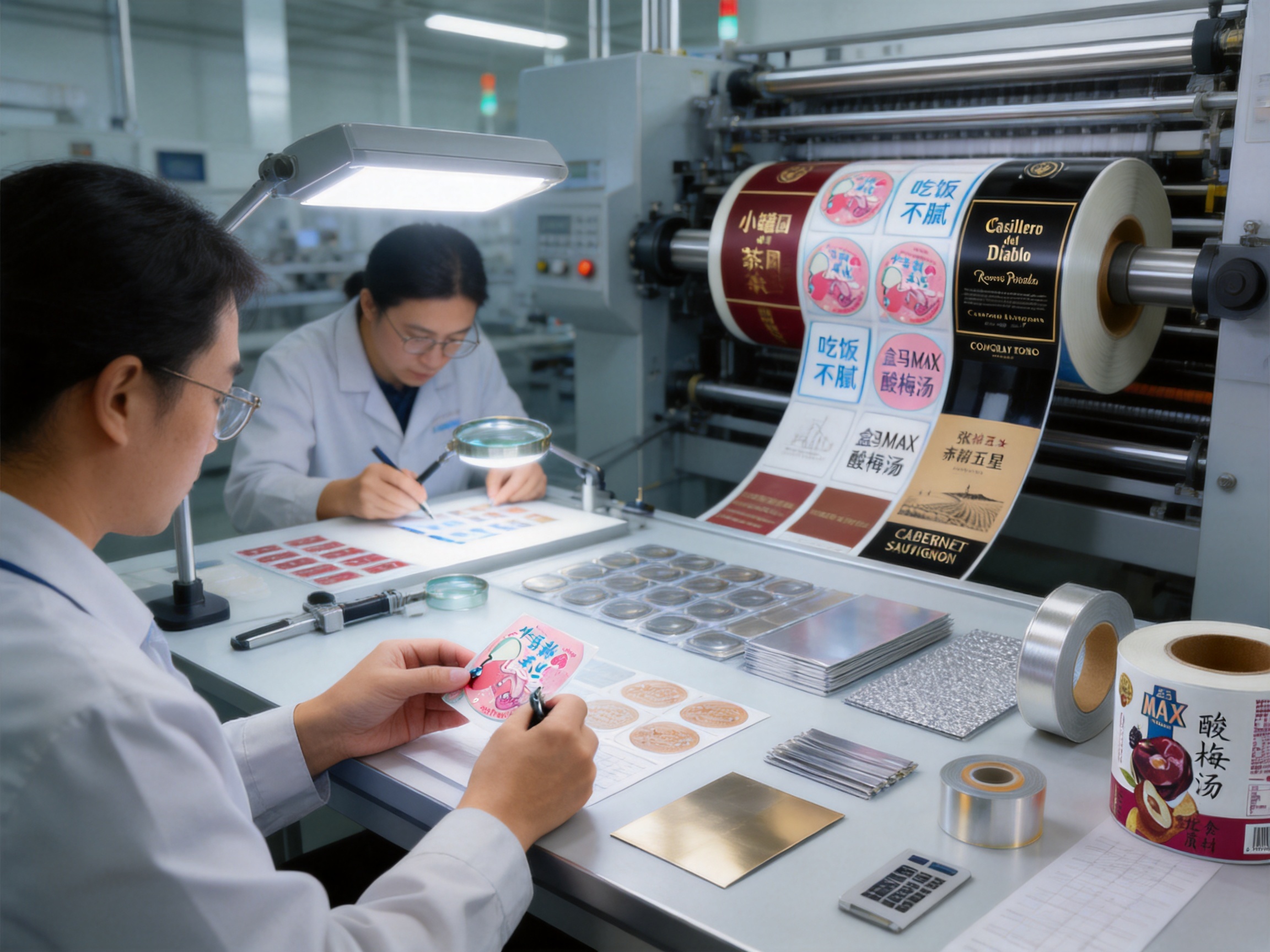
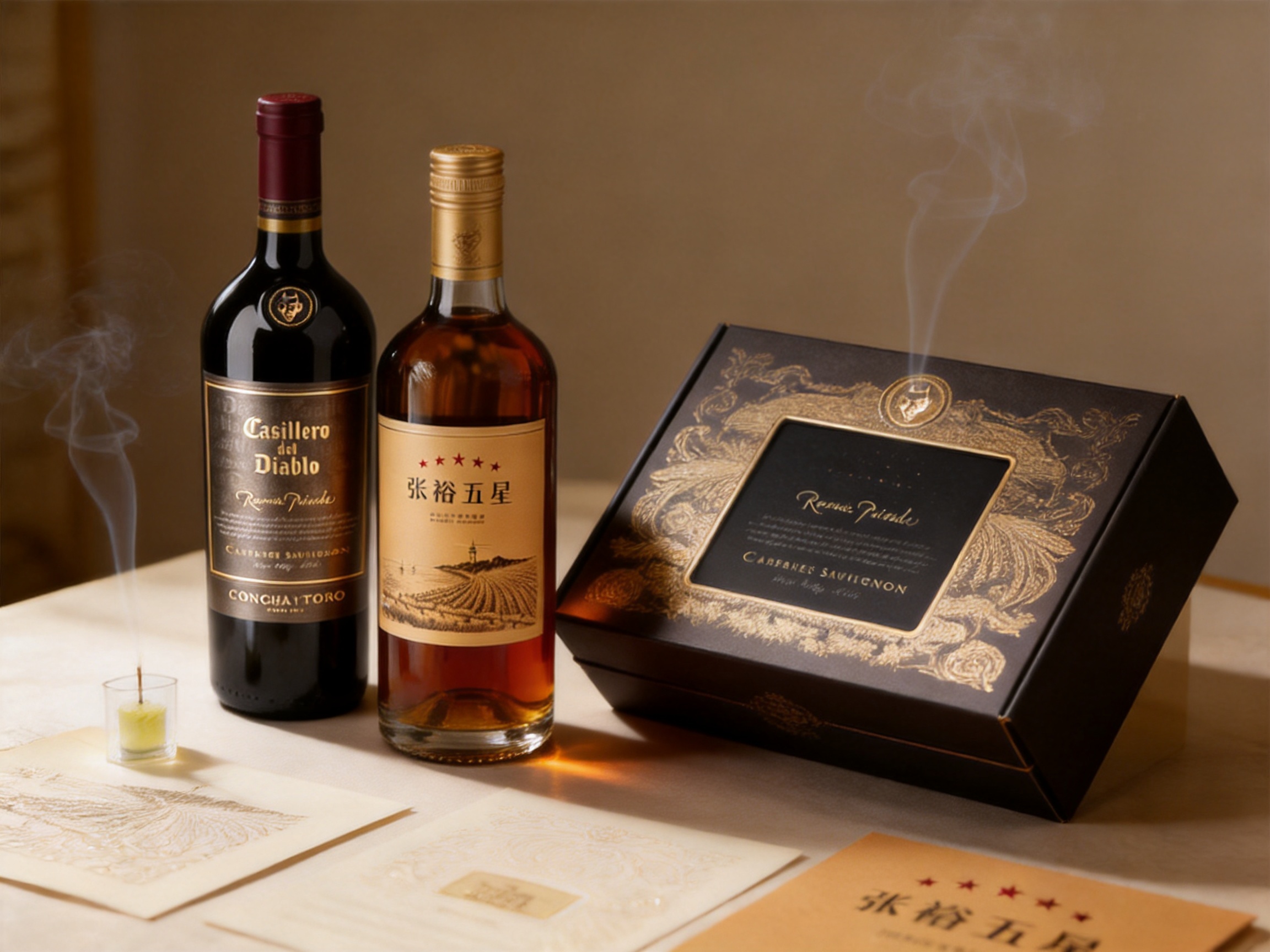
In highly competitive beverage and premium-goods markets, a product label is no longer limited to displaying a brand name, product description, barcode, or regulatory information. It has become a critical part of product positioning, shelf communication, packaging design, and consumer experience. Special effects craft labels respond to this development by combining sophisticated printing, tactile finishing, visual enhancement, interactive functions, and sensory elements in one customized label solution.
Designed for limited-edition wines, premium beverages, gift sets, commemorative products, and other high-value merchandise, these labels create a stronger physical and emotional connection between packaging and consumer. Their purpose is not simply to decorate a bottle or container. They help a product communicate exclusivity, craftsmanship, authenticity, and occasion before the package is even opened.
Special effects craft labels integrate processes such as spot ultraviolet coating, embossing, gold and silver hot stamping, screen printing, scratch-off features, and scented microcapsules. These technologies can be used individually or combined into a coordinated label design. The result may include raised lettering, reflective metallic details, contrasting gloss levels, textured surfaces, hidden information, or fragrance release activated by touch.
For manufacturers and product owners, this combination offers a practical way to create differentiation without redesigning the entire package structure. A standard bottle, jar, box, or gift package can gain a more distinctive market identity through a carefully engineered label. At the same time, professional process integration ensures that the visual and tactile effects remain stable during production, handling, transportation, and retail display.
What Are Special Effects Craft Labels?
Special effects craft labels are customized pressure-sensitive or specialty labels produced with advanced decorative and functional finishing techniques. They are developed to deliver visual depth, tactile interest, interactive communication, or sensory engagement beyond what conventional four-color printing can provide.
The term “craft” refers to the combination of processes used to achieve a particular appearance or user experience. A label may include a smooth glossy background with a matte printed area, a raised embossed logo, metallic foil lettering, fine screen-printed texture, and a scratch-off panel. In another application, the label may combine a transparent substrate, a high-contrast metallic layer, and fragrance microcapsules that release a woody or fruity aroma when rubbed.
These effects are not added randomly. Each process must be matched to the label material, adhesive system, ink structure, application method, storage conditions, and intended consumer interaction. Professional production therefore involves both creative design and technical planning.
Special effects labels are particularly valuable when the product needs to express premium quality or limited availability. A commemorative wine bottle, for example, may use gold hot stamping and embossed lettering to suggest heritage and ceremony. A seasonal gift set may use a scented panel and a tactile pattern to make the unboxing process more memorable. A promotional beverage may add a scratch-off area to reveal a prize, message, or limited-edition code.
Core Decorative and Functional Processes
Spot UV Coating
Spot ultraviolet coating applies a localized glossy or dimensional finish to selected portions of a label. Instead of covering the entire surface with the same coating, the process highlights specific graphics, text, patterns, or symbols.
The contrast between coated and uncoated areas creates visual layering. A matte label background combined with glossy spot UV can make a logo appear sharper and more prominent. Fine patterns can be enhanced without using additional colors, allowing the design to remain elegant and controlled.
Spot UV is useful for premium beverage labels because it creates a polished appearance while preserving the character of the underlying paper, film, or specialty substrate. It can also support anti-counterfeiting strategies when used to create difficult-to-reproduce micro-patterns or localized optical details.
From a production perspective, spot UV requires accurate registration. The coating must align with the printed image and other finishing processes. Professional inspection is important because misalignment, uneven coverage, pinholes, or excessive coating thickness can reduce the perceived quality of the finished label.
Embossing and Debossing
Embossing creates raised areas on the label surface, while debossing presses selected areas inward. These techniques add a three-dimensional tactile effect that can be felt when the package is handled.
Raised lettering, emblems, borders, seals, and decorative textures are common applications. When a consumer runs a finger across the label, the change in surface height provides a physical confirmation of quality. This is especially effective for products positioned around craftsmanship, tradition, luxury, or collectability.
Embossing can be combined with hot stamping to produce metallic raised graphics. It can also be used beneath printed colors or in combination with matte and gloss finishes. The success of the process depends on material thickness, paper strength, adhesive behavior, die design, and the depth of the embossing.
Excessive depth may cause cracking, distortion, or weak areas around the embossed feature. For this reason, structural testing and process adjustment are needed before large-scale production. A well-engineered embossed label maintains its shape while remaining suitable for automatic or manual application.
Gold and Silver Hot Stamping
Hot stamping transfers metallic foil onto selected areas of the label using controlled heat and pressure. Gold and silver are the most familiar options, but other metallic and specialty foil effects may also be considered according to the design requirements.
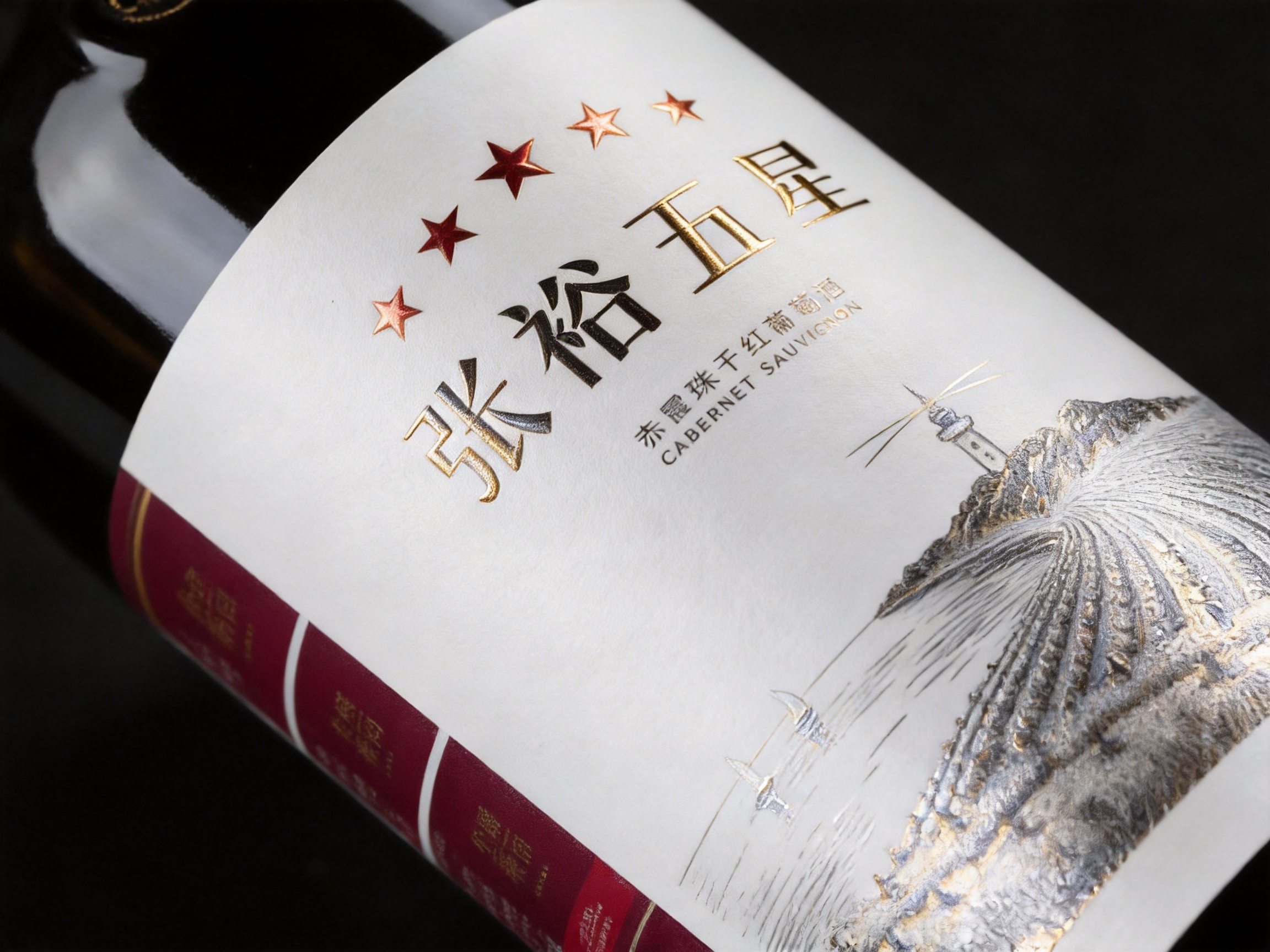
Metallic foil provides immediate shelf visibility. Light reflects from the stamped area, helping the product attract attention under retail lighting. Gold can communicate celebration, heritage, rarity, and premium positioning. Silver may create a modern, technological, clean, or refined appearance.
Hot stamping is particularly effective for small but important design elements, including logos, product names, anniversary dates, signatures, limited-edition numbers, borders, crests, and certification-style symbols. Using foil selectively often creates a more sophisticated result than covering large areas indiscriminately.
Hot stamping can also support tactile design when combined with embossing. A raised metallic logo offers both visual brilliance and a distinctive physical surface. The process must be carefully controlled to prevent incomplete transfer, excessive pressure marks, uneven edges, or foil migration.
Screen Printing
Screen printing deposits a relatively dense layer of ink or coating onto the label surface. It is useful when the design requires strong opacity, bold color, raised ink, textured ink, or a specific tactile finish.
Compared with conventional high-speed printing, screen printing can provide a more substantial visual and physical presence. It is often used for highlights, white underprints, textured backgrounds, special color areas, and decorative elements that must remain visible on dark, transparent, metallic, or irregular substrates.
Screen printing can enhance the perceived value of beverage labels by adding a handcrafted or artisanal character. It is also suitable for combining soft-touch, sand-texture, glitter, or other specialty effects where the application requires a controlled deposit of material.
Because screen printing involves a thicker ink layer, drying, curing, adhesion, and surface compatibility must be managed carefully. The finished label should be tested for scuff resistance, blocking, rubbing, moisture exposure, and compatibility with the application equipment.
Scratch-Off Features
Scratch-off technology adds an interactive layer to the label. A concealed message, code, image, promotion, or verification element is covered by a removable coating. The consumer can reveal the hidden content by rubbing the surface with a coin or fingernail.
This feature transforms the label from a passive information carrier into an active communication tool. It can be used for promotional campaigns, prize draws, loyalty activities, event invitations, limited-release announcements, or controlled product authentication.
For beverage products, scratch-off panels may be placed on the front label, back label, neck label, gift box, or accompanying promotional sticker. The design must make the interaction clear while maintaining a clean appearance before activation. The coating should be sufficiently durable during distribution but removable with reasonable consumer effort.
Scratch-off functionality can also support sequential marketing campaigns. Different packages may contain different messages or rewards, encouraging consumers to purchase, share, collect, or revisit the product. When managed with appropriate coding and data controls, the feature can contribute to campaign tracking and consumer engagement.
Fragrance Microcapsules
Fragrance microcapsule technology introduces an olfactory dimension to the label. Tiny capsules containing fragrance are incorporated into a coating or printed layer. When the consumer rubs or presses the designated area, some capsules break and release the selected aroma.
Woody, fruity, floral, citrus, vanilla, roasted, and other fragrance directions may be considered according to the product concept. A wine gift set could use a woody or oak-inspired note. A fruit beverage might use a berry or citrus aroma. A seasonal package could use a warm, sweet, or festive fragrance.
Scented labels are especially effective when the fragrance reinforces the product story rather than functioning as an unrelated novelty. The olfactory effect should be subtle enough to remain pleasant while distinctive enough to be noticed during handling or unboxing.
Fragrance performance depends on capsule formulation, coating structure, storage conditions, package protection, and consumer activation. Product owners should consider the expected shelf life, transportation environment, and fragrance compatibility with the substrate and printing inks. Sensory testing is recommended to confirm that the aroma remains appropriate throughout the intended sales period.
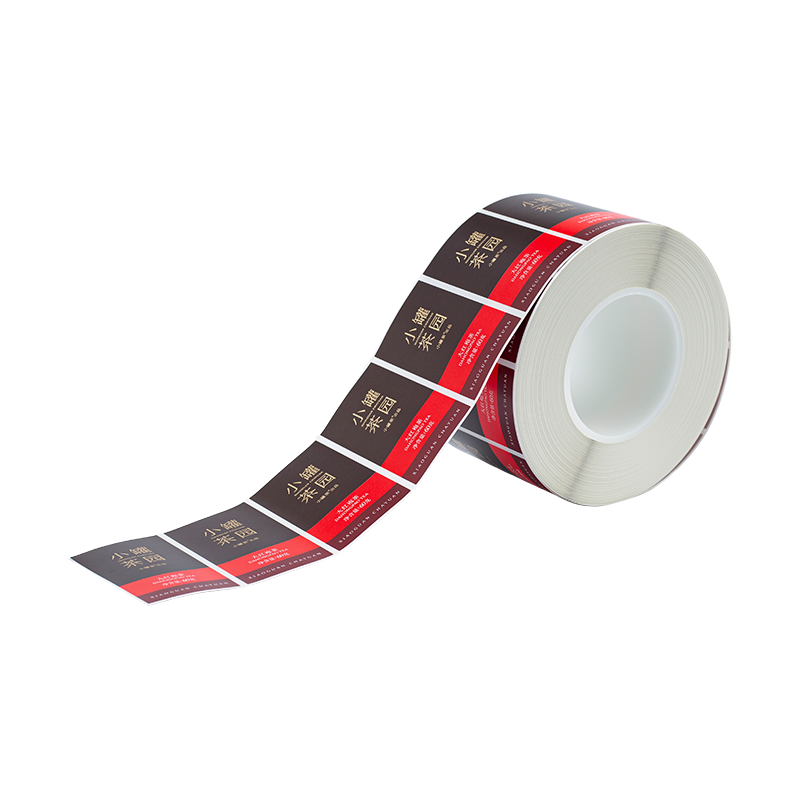
Special effects craft labels
Why Special Effects Labels Outperform Conventional Labels
Stronger Shelf Differentiation
Conventional printed labels can communicate information effectively, but they may struggle to distinguish similar products when competing packages use comparable colors, formats, and graphics. Special effects create additional visual signals that can be recognized from different angles and distances.
A metallic title catches light as shoppers move through an aisle. A glossy emblem stands out against a matte background. An embossed mark creates a shadow and highlights the package contour. Together, these details can help a product interrupt visual repetition and earn a closer look.
The advantage is not based on decoration alone. Well-planned effects establish a hierarchy. The most important message receives the strongest treatment, while supporting information remains easy to read. This balance allows a label to be attractive without becoming visually confused.
More Memorable Consumer Experiences
Touch, sight, and smell engage consumers in different ways. A conventional label is primarily viewed, whereas a special effects label may invite the consumer to feel an embossed surface, rub a scratch-off panel, observe a changing gloss contrast, or activate a fragrance area.
These actions create a sequence of interaction. The consumer notices the package, examines the special detail, touches the label, and may share the experience with others. This sequence can increase product memorability and strengthen associations with quality, celebration, exclusivity, or innovation.
For gift sets and commemorative products, the unboxing process is often part of the product value. A tactile and interactive label adds another moment of discovery before the product is consumed or displayed.
Greater Perceived Product Value
Consumers often use packaging cues to estimate product quality. Metallic finishes, raised graphics, precise textures, and carefully controlled gloss levels can suggest that the product has received additional attention and investment.
Special effects do not replace product quality, but they can communicate the intended positioning more effectively. A premium label provides a visual and tactile introduction to the product inside. When the label design, bottle, closure, carton, and overall presentation are coordinated, the entire package can appear more valuable.
This is particularly relevant for limited-edition releases. The production volume may be smaller, the price may be higher, and the product may be purchased for gifting or collection. A standard label may not adequately reflect that distinction. A customized craft label can make scarcity and occasion visible.
Flexible Marketing Interaction
Scratch-off features and sensory areas allow the label to carry an experience rather than only static information. Promotions can be designed around hidden messages, reward codes, event access, tasting invitations, and collection programs.
The label can become a communication point between the product and the consumer. It may encourage a second interaction after purchase, which is valuable for products sold through crowded retail channels. A campaign can also use different effects for different markets, seasons, or product editions.
This flexibility gives product owners more options than a fixed printed image. The label can support the marketing strategy while remaining physically integrated with the package.
Support for Premium and Limited-Edition Positioning
Special effects are naturally suited to products that require a sense of rarity. Anniversary wines, festival releases, corporate gift sets, collector packages, and commemorative beverages often need a label that looks distinct from the regular product line.
Embossed edition numbers, metallic dates, textured seals, and unique color treatments can communicate that the item belongs to a special release. The design may also be adapted to a particular event, destination, cultural theme, or partnership without changing the basic container.
For businesses managing multiple product tiers, craft labels can help establish a clear visual difference between standard, premium, and flagship products. The combination of processes can be adjusted to meet different price and positioning levels.
Applications in Liquor and Beverage Packaging
Wine Labels
Wine packaging often relies on storytelling. Consumers may look for signs of origin, vintage, craftsmanship, aging, and occasion. Embossing, foil stamping, textured papers, and refined gloss contrast can support these messages.
A wine label may use an embossed vineyard illustration, gold-stamped vintage year, and spot UV treatment on a crest. Alternatively, a modern wine brand may use silver foil, a dark substrate, and a subtle tactile geometric pattern. The choice of effect depends on the desired personality and target market.
For limited-edition wines, a scratch-off area can reveal a bottle number, tasting note, invitation, or special message. A fragrance microcapsule may provide an aromatic introduction that connects to wood aging, fruit character, or the atmosphere of a vineyard.
Spirits and Liquor
Spirits packaging frequently emphasizes heritage, rarity, craftsmanship, and gifting. Special effects can make a bottle appear more ceremonial and can help distinguish different expressions within a product family.
Hot-stamped lettering can highlight the distillation year or aging period. Embossed seals can suggest authenticity and tradition. Screen-printed textures can add a handcrafted appearance, while selective gloss can focus attention on a crest, medallion, or signature.
Because spirits are often purchased for celebrations and business gifts, the label may be viewed at close range. Tactile quality and finishing precision therefore become especially important. Consumers may hold the bottle, inspect the label, and compare it with other premium options before making a purchase.
Craft Beer and Specialty Beverages
Craft beer, specialty coffee beverages, fruit drinks, sparkling beverages, and functional drinks can also benefit from special effects. These markets often compete through distinctive visual identity and limited seasonal releases.
A beer label may use a textured screen-printed ink to reflect a handcrafted character. A fruit beverage may apply a scented feature that supports its flavor concept. A seasonal drink may use metallic foil and scratch-off interaction to create a campaign around festivals or events.
Special effects can be selected to match both the beverage category and the expected usage environment. Labels for chilled products should be evaluated for condensation, friction, ice exposure, and adhesion performance. The decorative finish must remain attractive after transportation and refrigerated display.
Gift Sets and Commemorative Packaging
Gift sets provide an ideal environment for multi-sensory labeling. The consumer often has more time to examine the package, and the purchase decision may be influenced by presentation as much as by the product itself.
A gift set label can combine foil, embossing, a tactile pattern, and a scratch-off greeting or message. Fragrance microcapsules can add a sensory moment when the package is opened. The label may also carry a date, event name, recipient message, or limited-edition identifier.
For commemorative packaging, permanence and visual dignity are important. Materials and finishing processes should be selected to withstand display or long-term storage. A carefully made label can help the package remain attractive even after the product has been consumed.
Manufacturing Strengths and Process Integration
The quality of a special effects label depends on more than the individual techniques used. It depends on how effectively the processes are planned, sequenced, monitored, and inspected. A manufacturer with integrated research, production, sales, and service capabilities can coordinate these stages more efficiently.
Shanghai Rongyang Industrial Development Co., Ltd. provides customized pressure-sensitive labels and RFID smart label solutions for multiple industries, including food and beverage, consumer goods, healthcare, logistics, and retail. Its production approach combines product development, automated manufacturing, precision inspection, and quality management.
For special effects craft labels, this integrated capability is important because several operations may be required for one finished product. Printing, coating, foil application, embossing, die-cutting, adhesive lamination, curing, slitting, and inspection must work together. A weakness in one stage can affect the overall result.
Automated Production Lines
Automated production lines support consistency across repeated orders and larger production volumes. They help control web movement, registration, material tension, drying, coating thickness, die-cutting accuracy, and roll or sheet handling.
Automation is particularly valuable when a label includes multiple finishing processes. The more layers and operations involved, the more important it becomes to maintain precise alignment. Automated systems reduce variation and help the manufacturer reproduce an approved sample more reliably.
Automation does not eliminate the need for skilled technicians. Instead, it allows technical personnel to focus on process settings, quality analysis, material selection, and continuous improvement. The combination of equipment and expertise is essential for complex craft labels.
Precision Inspection and Quality Control
Quality control should begin with incoming materials and continue through every production stage. Substrate surface, adhesive behavior, ink adhesion, foil transfer, embossing depth, coating coverage, die-cutting, and final appearance all require attention.
Inspection may include visual comparison, dimensional checks, registration verification, rub testing, adhesion testing, surface examination, and functional testing of scratch-off or scented components. The specific evaluation method depends on the label structure and the customer’s application conditions.
A stringent quality system reduces the risk of defects such as color variation, incomplete foil transfer, coating streaks, misregistered embossing, die-cutting burrs, adhesive contamination, or inconsistent fragrance activation.
The company’s ISO 9001 quality management certification reflects a structured approach to quality processes. ISO 14001 certification also indicates attention to environmental management practices. In addition, social responsibility auditing supports transparent and responsible manufacturing operations.
Material and Adhesive Selection
Special effects must be compatible with the label material and the package surface. Paper, coated paper, synthetic film, transparent film, metallic stock, textured stock, and specialty materials each have different performance characteristics.
The adhesive must match the container shape, surface energy, temperature range, moisture exposure, and expected service life. A label intended for a dry gift box may require a different adhesive solution from a beverage label applied to a curved glass bottle and exposed to condensation.
Material selection also affects the appearance of embossing, hot stamping, spot UV, and screen printing. A highly absorbent paper may create a different visual result from a coated film. A smooth film may support sharp foil edges but require special surface treatment for ink adhesion.
Technical consultation before production helps identify these relationships. It also allows the customer to select the right balance between appearance, durability, application performance, and cost.
Special Process Coordination
Some label projects require multiple processes in a specific order. For example, a project may involve base printing, screen printing, hot stamping, embossing, spot UV, fragrance application, protective coating, and die-cutting.
The sequence must be planned to prevent one process from damaging another. Foil may require a controlled surface condition. Fragrance microcapsules may need protection from excessive heat or abrasion. Embossing may be positioned to avoid weakening the die-cut edge. Scratch-off coatings must be placed accurately over the intended hidden content.
Process coordination is one of the main distinctions between a basic decorative label and a professionally engineered craft label. The finished product should look attractive while also remaining stable, functional, and suitable for application.
Manufacturing and Performance Comparison
| Evaluation Area | Conventional Printed Label | Special Effects Craft Label | Market Benefit |
|---|---|---|---|
| Visual impact | Primarily based on color, graphics, and text | Combines color with gloss contrast, metallic foil, layering, and texture | Improved shelf visibility and stronger product recognition |
| Tactile experience | Usually flat and uniform | Can include embossing, debossing, raised ink, and textured finishes | Creates a stronger impression of craftsmanship and value |
| Consumer interaction | Mostly limited to viewing and reading | May include scratch-off areas and touch-activated effects | Encourages participation, sharing, and repeat engagement |
| Sensory communication | Usually visual only | Can include fragrance microcapsules with selected aroma directions | Builds a more memorable unboxing and product experience |
| Premium positioning | Depends mainly on artwork and substrate | Supports limited-edition, gift, luxury, and commemorative presentation | Helps justify differentiated product tiers and special releases |
| Process capability | Generally requires fewer operations | Integrates printing, coating, foil, embossing, screen printing, and functional layers | Provides greater customization for complex product concepts |
| Brand protection potential | May offer limited visual security features | Can incorporate distinctive textures, hidden information, and special effects | Supports authenticity communication and more difficult reproduction |
Designing a Successful Special Effects Label
Start with the Product Story
The strongest label concepts begin with a clear product story. Designers should identify whether the product is intended to feel traditional, modern, luxurious, natural, celebratory, playful, mysterious, technical, or artisanal.
Every effect should support that story. Gold foil may be appropriate for an anniversary release, but a restrained silver or blind emboss may better suit a modern premium beverage. A woody fragrance may support an aged spirit, while a citrus note may be more suitable for a refreshing fruit beverage.
When effects are selected only because they are available, the label may appear crowded or disconnected. When they are chosen for a reason, the label becomes more coherent and persuasive.
Build a Clear Visual Hierarchy
Labels contain several levels of information, including product name, category, flavor, origin, volume, alcohol content, regulatory text, barcode, and promotional information. Special effects should not interfere with legibility.
The most important element may receive embossing and foil, while secondary information uses conventional printing. Spot UV can guide the eye without overwhelming the design. A scratch-off panel should be clearly identified but should not compete with the main product name before activation.
Designers should also consider viewing distance. A label must attract attention from a shelf distance and reward inspection up close. Large forms and strong contrast perform at a distance, while fine texture and tactile details create value during close handling.
Balance Complexity and Production Reliability
More processes do not automatically produce a better label. Each additional operation introduces technical requirements and potential variation. The most successful designs usually combine a small number of well-coordinated effects rather than applying every available technique.
A focused design may use textured paper, one metallic foil, selective embossing, and a controlled gloss contrast. Another may use a transparent label with white screen printing, silver foil, and a scratch-off feature. The correct combination depends on the package, budget, sales environment, and desired consumer response.
Early consultation with the manufacturer can help identify which effects are practical for the selected materials and production volume. It can also prevent unnecessary revisions after artwork approval.
Consider Bottle Shape and Application Conditions
Curved bottles, tapered containers, narrow necks, textured glass, and irregular surfaces can affect label application. A design that appears correct on a flat proof may behave differently when wrapped around a container.
Embossed areas should not create excessive stiffness in regions that must conform to a curve. Foil and coating should remain aligned when the label is applied. Adhesive selection should account for surface contamination, moisture, temperature, and storage time.
Application testing is therefore an important part of product development. Labels should be evaluated on the actual container or a representative sample whenever possible.
Customization and Product Development Workflow
A structured development workflow helps translate a creative concept into a stable finished label. The process generally begins with requirement collection. The customer provides product type, container details, label dimensions, artwork, expected volume, application method, target market, and desired effects.
The technical team can then review the design for material compatibility, process feasibility, finishing sequence, and functional requirements. If necessary, the design may be adjusted to protect small text, improve foil coverage, strengthen an embossed feature, or separate a scratch-off area from other coatings.
Sampling allows the customer to evaluate actual material, color, texture, gloss, foil, embossing, and interaction. For scented labels, sample testing is particularly important because fragrance perception is subjective and can vary by storage environment and activation pressure.
After approval, production parameters are established and the job enters manufacturing. Quality records and inspection criteria help maintain consistency from the first roll to the final shipment. Finished labels are then packed according to the application and transportation requirements.
This workflow is valuable for limited-edition projects because the label may have a fixed launch date or event deadline. Early technical planning reduces the risk of late-stage changes and helps coordinate the label with bottle filling, gift-set assembly, and promotional distribution.
Advantages of an Integrated Global Manufacturing Partner
Product owners increasingly require suppliers that can support more than a single printing operation. They may need pressure-sensitive labels, RFID products, anti-counterfeiting features, removable adhesives, high-temperature solutions, specialized die-cutting, and logistics support from the same organization.
An integrated supplier can provide broader technical coordination. Experience with food and beverage labels can inform adhesive selection and moisture testing. Experience with healthcare or logistics labels can contribute to traceability, inspection, and functional design. Experience with RFID and smart labels can support future product development where identification or inventory visibility is required.
Shanghai Rongyang Industrial Development Co., Ltd. operates production facilities in China and Malaysia, supporting international customer requirements and larger-scale supply programs. Its product scope includes pressure-sensitive labels, RFID inlays, RFID tags, finished RFID products, and customized specialty labels.
This manufacturing structure can be advantageous for customers that need consistent specifications across regions or product lines. International production capability may also support supply planning, capacity allocation, and market expansion.
The company was founded in 2008 and combines research and development, manufacturing, sales, and service. Its stated focus on continuous improvement and innovation is relevant to special effects labels because decorative technology, materials, application requirements, and market expectations continue to develop.
Quality, Durability, and Responsible Production
Premium appearance must be supported by practical performance. A label may look attractive at the factory but lose its effect if it scuffs, lifts, fades, blocks, or becomes damaged during shipping. Quality evaluation should therefore reflect the actual product journey.
For beverage labels, relevant conditions may include humidity, condensation, refrigeration, bottle friction, handling, case packing, and contact with packaging materials. For gift sets, the label may be exposed to repeated handling and extended display. For commemorative packages, long-term color and adhesion stability may be important.
Special process quality can be evaluated through visual inspection, adhesion checks, rub resistance, coating examination, foil transfer testing, die-cut accuracy, and functional tests. Scratch-off panels should be tested for both concealment and removal. Scented features should be evaluated for activation behavior, aroma consistency, and expected durability.
Responsible production also involves the selection of suitable materials, efficient process management, waste reduction, and controlled use of coatings and inks. ISO 14001 environmental management certification provides a framework for managing environmental responsibilities within manufacturing operations.
Social responsibility audits, such as SMETA, can provide additional assurance regarding ethical business practices, labor standards, health and safety, and responsible supply-chain management. These factors are increasingly important for international brands and buyers with formal procurement requirements.
Anti-Counterfeiting and Product Authentication Potential
Special effects labels are not automatically security labels, but their complexity can make unauthorized reproduction more difficult. A combination of customized texture, precise embossing, fine spot UV, metallic elements, hidden information, and controlled artwork creates a distinctive package signature.
Scratch-off areas may be used to conceal verification codes or campaign information. The hidden content can provide a consumer-facing authentication step when connected to an appropriate verification system. Variable data, unique numbering, and serialized information can further strengthen traceability.
For high-value liquor and commemorative products, authentication is an important consideration because consumers and distributors may need additional confidence in product origin. Special effects can be combined with RFID, serialized labels, or other traceability solutions to create a broader product protection system.
The security strategy should be designed according to the risk level and distribution model. Decorative effects alone should not be presented as complete anti-counterfeiting protection. Instead, they can form one layer in a coordinated approach that includes data management, packaging controls, supply-chain monitoring, and consumer verification.
Commercial Benefits for Product Owners
Special effects craft labels can create value at several points in the commercial process. At the shelf, they attract attention and distinguish the product. At the point of purchase, they communicate premium positioning. During gifting, they improve presentation. After purchase, interactive and sensory elements extend consumer engagement.
They also provide a practical way to launch limited editions without changing the main container. A standard bottle may be transformed through a different label, allowing the product owner to respond to an anniversary, holiday, collaboration, destination, or seasonal campaign.
Because the label can combine marketing and packaging functions, it may reduce the need for separate promotional materials in some applications. A scratch-off feature can carry a campaign message directly on the package. A scented element can communicate the product theme without requiring additional inserts.
Another benefit is design scalability. A product family can use a consistent basic structure while changing foil color, tactile pattern, fragrance direction, or interactive content for different variants. This creates brand coherence while preserving product-level differentiation.
Practical Selection Guide
For a Traditional Premium Appearance
Consider textured paper, restrained gold hot stamping, blind embossing, and a matte protective finish. This combination can communicate heritage, craftsmanship, and elegance without excessive visual complexity.
For a Modern Luxury Appearance
Consider a dark or transparent substrate, silver foil, selective gloss, precise geometric embossing, and high-contrast screen printing. This direction is suitable for contemporary spirits, premium beverages, and design-led releases.
For a Promotional Campaign
Consider a clearly defined scratch-off panel, variable messages, strong shelf colors, and a durable protective structure. The interaction should be easy to understand, while the label should retain an attractive appearance before activation.
For a Sensory Gift Set
Consider embossed imagery, tactile screen printing, a selected fragrance microcapsule, and metallic details that support the gift theme. The fragrance should be tested carefully so that it complements rather than overwhelms the product experience.
For a Commemorative Edition
Consider edition numbering, date information, foil stamping, raised seals, and durable materials. A commemorative label should remain visually meaningful after the initial unboxing and should be suitable for display or collection.
Frequently Asked Questions
What products are suitable for special effects craft labels?
They are especially suitable for wine, liquor, craft beer, premium beverages, gift sets, seasonal releases, commemorative products, and other items that require visual differentiation or a more memorable package experience.
Can several special processes be combined on one label?
Yes. Spot UV, embossing, hot stamping, screen printing, scratch-off coatings, and fragrance microcapsules can be combined when the materials, artwork, process sequence, and application conditions are compatible. Technical review is recommended before final approval.
Are scented labels available with different fragrance directions?
Fragrance microcapsules can be developed with selected scent directions, including woody and fruity notes. The final choice should reflect the product concept and should be evaluated through sample testing for intensity, activation, and shelf-life expectations.
How does a scratch-off label work?
A removable coating conceals printed information such as a message, promotional code, prize, or verification content. The consumer rubs the coating to reveal the hidden area. The coating must be designed to balance transport durability with convenient consumer removal.
Can special effects labels be used on curved bottles?
Yes, but the label construction must be designed for the bottle shape, curvature, material, and application method. Embossing depth, substrate stiffness, adhesive selection, and die-cut design should be reviewed to ensure smooth application.
Are these labels suitable for refrigerated beverages?
They may be suitable when the substrate, adhesive, ink, coating, and finishing processes are selected for condensation and temperature exposure. Testing on the actual or representative container is recommended before mass production.
Do special effects labels provide anti-counterfeiting protection?
They can contribute to product differentiation and make unauthorized reproduction more difficult, particularly when they include customized textures, hidden information, serial data, or interactive elements. For higher-risk products, they should be combined with dedicated authentication and traceability systems.
How can a customer begin a customized project?
The customer should provide the product type, container dimensions, label size, artwork, application method, expected quantity, target market, and desired effects. The manufacturer can then recommend materials, adhesives, process combinations, sampling procedures, and quality requirements.
What quality certifications support manufacturing reliability?
Shanghai Rongyang Industrial Development Co., Ltd. has obtained ISO 9001 and ISO 14001 certifications and has passed a SMETA social responsibility audit. These systems support structured quality management, environmental management, and responsible operating practices.
Can the same supplier provide RFID or smart label solutions?
Yes. In addition to pressure-sensitive and specialty labels, the company provides HF and UHF RFID inlays, tags, and finished products for applications such as warehouse logistics, asset management, retail, anti-theft programs, and smart manufacturing.
Conclusion
Special effects craft labels provide a powerful method for differentiating premium beverages, limited-edition wines, gift sets, commemorative items, and other high-value products. By combining visual refinement with tactile, interactive, and olfactory functions, they turn the label into an active part of the product experience.
Spot UV creates controlled gloss contrast. Embossing adds depth and physical character
Product: Special effects craft labels


Messae Us Right Now!

- Quick Links
- Products
- Quality Control
- Our Story
- News
- Contact
- Our Product
-
- Beauty and Personal Care Labels
- Home cleaning and laundry care labels
- Liquor and Beverage Labels
- Food and dairy product labels
- Healthcare Labels
- Promotional and Interactive Labels
- Specialty and industrial solution
- Labels Thermal printing and logistics labels
- Anti-counterfeiting traceability and RFID Labels
- Contact us
- Tel:+86-573-86867861
- Phone:+86-18621872035
- E-mail:allen.men@rylabel.com
- Add:No. 111 Xincheng Road, Haiyan Economic Development Zone, Jiaxing City, Zhejiang Province


