
 English
 русский
 Español


Home / Author / Sofía Velasco — Customer Success and Technical Support Executive / Transparent High-Gloss Dairy Product Labels for Premium Refrigerated Packaging
News

Transparent High-Gloss Dairy Product Labels for Premium Refrigerated Packaging
2026-11-06
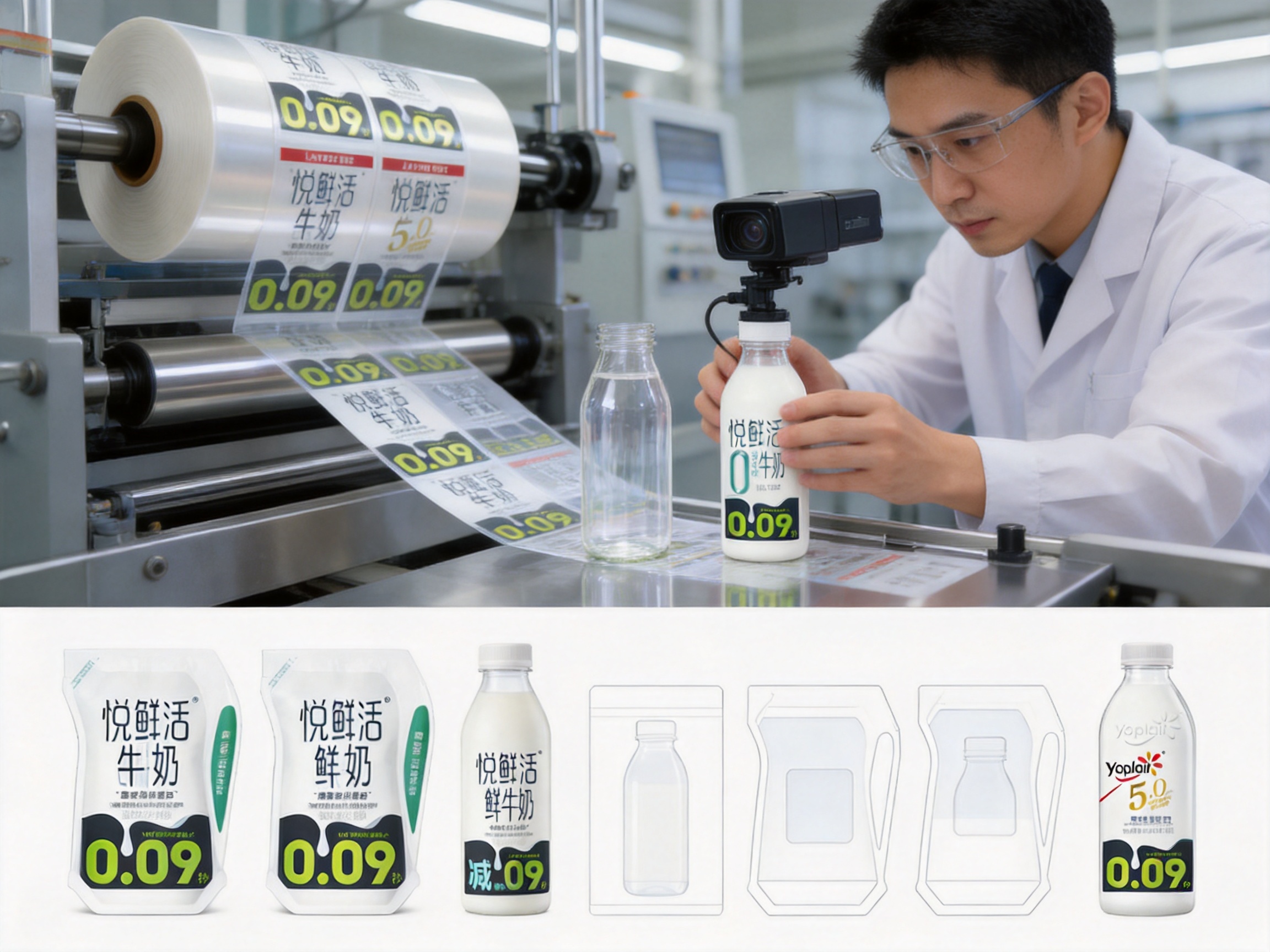
In dairy and beverage packaging, the label is more than a space for product information. It is a visible part of the package design, a communication tool, and an important influence on how consumers judge freshness, quality, and brand value. Transparent high-gloss dairy product labels are designed to make the label blend naturally with the bottle or container while allowing the product itself to remain the visual focus.
Made with high-transparency, high-gloss BOPP or PET film and paired with a high-brightness adhesive, these labels create a clean “label-free” appearance on glass and plastic packaging. The result is a package that allows the milky whiteness of fresh milk, the smooth texture of yogurt, and the vivid color of flavored beverages to remain visible. Instead of covering the container with an opaque printed panel, the label supports a more refined and contemporary presentation.
This product is especially suitable for premium fresh milk, yogurt, cultured dairy products, milk drinks, fruit beverages, functional drinks, and other refrigerated products that benefit from a clear, natural, and high-quality appearance. Its optical performance, condensation resistance, material flexibility, and compatibility with modern printing processes make it a strong alternative to conventional white paper labels and standard opaque film labels.
The Role of Label Appearance in Dairy Product Marketing
Dairy products are strongly associated with purity, freshness, nutrition, and natural quality. Consumers often form an impression within seconds of seeing a product on a refrigerated shelf. The shape and material of the container, the color of the contents, the clarity of the package, and the quality of the label all work together to influence that first impression.
An opaque label can provide a broad printing area, but it may also conceal a significant part of the product. For milk, the hidden content may be the very quality the brand wants to communicate. The creamy white appearance of milk, the layered appearance of yogurt, or the bright color of a fruit-based beverage can become less visible when the container is covered by a solid label.
Transparent high-gloss dairy product labels take a different approach. Rather than competing with the product, they allow the product to contribute to the package design. The contents become part of the visual identity. A clear label can display essential branding and regulatory information while preserving a substantial view of the product inside the container.
This design approach is particularly effective for brands that want to communicate simplicity, freshness, premium quality, and product authenticity. It also supports minimalist packaging trends, where fewer visual elements are used to create a more distinctive and confident appearance.
Core Product Construction
High-Transparency BOPP and PET Films
The label uses high-transparency film materials, primarily biaxially oriented polypropylene, commonly known as BOPP, or polyethylene terephthalate, commonly known as PET. Both materials are suitable for applications where clarity, dimensional stability, and resistance to refrigerated conditions are important.
High-transparency BOPP provides a lightweight and flexible structure with strong visual clarity. It can conform well to many bottle shapes and supports efficient roll-label production. BOPP also offers good resistance to moisture, making it suitable for products stored in chilled environments where condensation may occur.
PET film provides excellent dimensional stability, surface strength, and optical performance. It is often selected for applications requiring a more rigid or durable label structure. PET can support high-quality printing and precise die-cutting while maintaining a clean appearance throughout handling, transportation, and display.
The selection between BOPP and PET can be based on bottle shape, label size, application equipment, required stiffness, printing requirements, and the intended visual effect. Both materials can be engineered for high clarity and glossy appearance, helping the finished package maintain a premium presentation.
High-Brightness Adhesive
The adhesive is a critical part of transparent label construction. A clear film cannot create a visually seamless result if the adhesive becomes cloudy, develops visible bubbles, or loses contact with the container surface. For this reason, the product uses a high-brightness adhesive selected to support optical clarity and reliable adhesion.
When applied correctly to glass or plastic bottles, the adhesive helps the label sit closely against the container wall. This close contact reduces visible interference between the label and the packaging surface. The label appears to become part of the bottle rather than a separate layer placed on top of it.
Adhesive selection may vary according to the substrate, bottle curvature, storage temperature, application speed, and moisture conditions. A suitable adhesive must provide strong initial tack, stable long-term adhesion, and compatibility with refrigerated displays. It should also support clean label application without excessive wrinkling, lifting, or edge failure.
Glossy Surface Treatment
The high-gloss surface enhances the visual intensity of printed colors and creates a polished reflection under retail lighting. Gloss can make packaging appear cleaner, brighter, and more premium. It also helps transparent areas maintain a glass-like appearance when combined with a clear film and suitable adhesive.
For dairy and beverage applications, gloss can reinforce associations with freshness and cleanliness. However, the surface must be engineered carefully. Excessive glare, poor ink compatibility, or an unsuitable coating may affect readability or create an inconsistent appearance. A professionally controlled surface treatment balances visual brilliance with print quality and practical performance.
Creating a “Label-Free” Visual Effect
The defining feature of transparent high-gloss dairy product labels is their ability to create a label-free visual effect. This does not mean that the label is invisible in every lighting condition. Instead, the clear film, bright adhesive, precise printing, and close conformity to the container work together to reduce the visual separation between the label and the bottle.
On a clear glass bottle, the label can appear integrated with the container surface. On a transparent plastic bottle, it can preserve visibility of the product while displaying the brand identity and required information. The effect is especially attractive when the design uses transparent windows, selective white ink, restrained graphics, or carefully positioned color elements.
Designers can use this effect in several ways. A brand may print only the logo and essential product information, allowing most of the bottle to remain visually open. Alternatively, it may combine transparent sections with opaque white areas to create contrast and hierarchy. Selective opacity can emphasize the product name while preserving the visibility of the contents around the design.
Compared with conventional paper labels, the transparent structure provides a more modern appearance and greater resistance to the visual deterioration that can occur when paper is exposed to moisture. Compared with some ordinary clear labels, the high-gloss construction offers stronger optical impact and a more refined surface appearance.
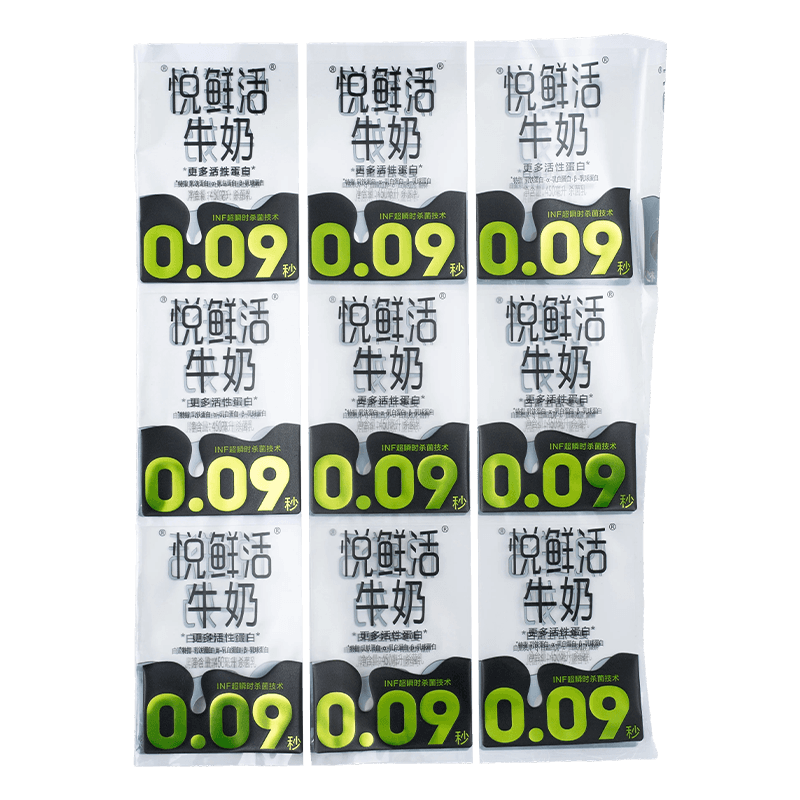
Transparent high-gloss dairy product labels
Visual Benefits for Different Dairy Products
Fresh Milk
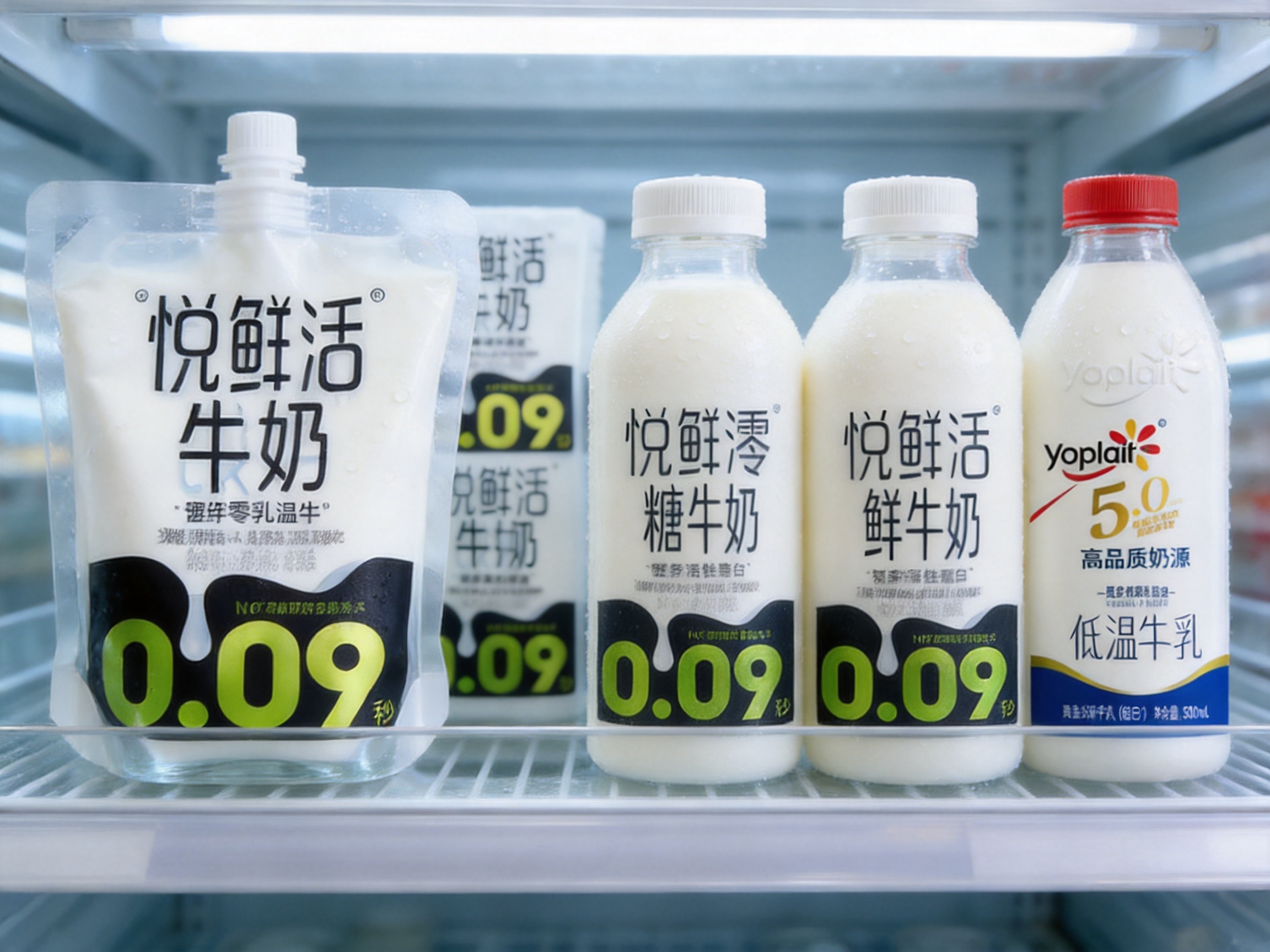
Fresh milk is often associated with a clean, creamy, and natural appearance. A transparent label allows the milky white color to remain visible across a larger portion of the package. This can create a direct visual connection between the product shown on the shelf and the product inside the bottle.
For premium milk, the design may use a simple logo, a restrained color palette, and a transparent background. The result can communicate purity and quality without relying on a large opaque label. Product information, nutritional details, and branding remain available while the natural appearance of the milk provides much of the package’s visual character.
Yogurt
Yogurt products can have distinctive textures, colors, and layers. Fruit yogurt may contain visible fruit tones, while plain yogurt may present a smooth and delicate white appearance. A clear label helps preserve these visual characteristics and allows consumers to see more of the product before purchase.
For yogurt cups, bottles, or plastic containers, the label can be designed around the shape of the package. Transparent areas may be used to frame the product, while printed areas carry flavor information, nutritional claims, and brand graphics. High-gloss film can further enhance the clean and appetizing appearance of the package.
Flavored Milk and Dairy Beverages
Flavored milk, drinking yogurt, probiotic beverages, and other dairy drinks often rely on color to distinguish varieties. Chocolate, strawberry, blueberry, mango, and other flavors may have recognizable shades that help consumers select a product quickly.
Transparent labels allow these colors to remain part of the shelf presentation. A coordinated design can use the actual color of the beverage as a foundation, reducing the need for extensive opaque printing. This can help create a consistent product family while maintaining clear differentiation between flavors.
Juice and Mixed Beverages
Although the product is categorized for food and dairy labeling, the same transparent high-gloss solution is suitable for many juice and beverage containers. Fruit juice, tea drinks, flavored water, and dairy-fruit blends may benefit from a design that reveals their natural or formulated color.
When the contents are visually attractive, a clear label can function as a frame rather than a cover. This approach is useful for brands that want to emphasize color, clarity, or a fresh product image.
Performance in Refrigerated Display Environments
Refrigerated shelves create demanding conditions for labels. Temperature changes can lead to condensation on the bottle surface. Moisture may form during transportation, storage, or repeated movement in and out of chilled areas. A label that performs well in a dry room may become cloudy, develop water marks, or lose visual quality under these conditions.
Transparent high-gloss dairy product labels include professional condensation-resistant surface treatment to help retain a crystal-clear appearance in refrigerated environments. This treatment supports the label’s ability to resist visible blurring and water-mark effects caused by surface moisture.
Condensation resistance is important for both appearance and communication. If the label becomes hazy, consumers may have difficulty reading the brand name, flavor, barcode, or product information. A cloudy label can also make a premium package look poorly finished. Maintaining optical clarity helps preserve the intended appearance from production through retail display.
The label structure is designed to work with suitable adhesive performance under chilled conditions. When the film, adhesive, printing, and application process are properly matched, the label can remain closely attached to the bottle and maintain a neat appearance during storage and distribution.
Actual performance depends on factors such as bottle material, bottle cleanliness, condensation level, application temperature, storage duration, and handling conditions. For this reason, product testing and application trials are recommended before full-scale production, especially for packaging exposed to severe moisture or frequent temperature changes.
Advantages Compared with Conventional Label Solutions
Compared with Paper Labels
Paper labels are widely used because they are economical and easy to print. However, they may be less suitable for chilled dairy packaging where moisture and condensation are common. Paper can absorb water, wrinkle, soften, stain, or lose its original appearance if the construction is not carefully protected.
Transparent film labels offer a moisture-resistant alternative. BOPP and PET films maintain their structure more effectively in refrigerated environments and can provide a cleaner appearance during shelf display. Their glossy surface also supports a more contemporary premium design.
Transparent labels may require more careful artwork preparation and application control than basic paper labels. However, the improved visual effect and refrigerated performance can provide greater value for brands positioning products at the premium end of the market.
Compared with Opaque Film Labels
Opaque film labels provide strong coverage and a consistent printing background. They are useful when a brand needs to hide the container, cover an existing package color, or create a fully controlled visual panel. However, they prevent consumers from seeing much of the product inside.
Transparent labels preserve product visibility and support a more open package design. They are particularly advantageous when the color or texture of the contents is a selling point. Rather than using the label to replace the product’s appearance, the brand can use the product itself as part of the visual communication.
Compared with Basic Clear Labels
Not every clear label produces the same visual result. Differences in film clarity, adhesive brightness, surface finish, ink control, die-cutting accuracy, and application quality can be visible on a transparent package.
The high-transparency, high-gloss construction is designed to deliver stronger optical performance than a basic clear label. The combination of film and adhesive reduces visual distraction and supports a more seamless appearance. Condensation-resistant treatment further improves the performance of the label in refrigerated displays.
Compared with Direct Printing
Direct printing on bottles can create a clean appearance, but it may involve specialized equipment, longer production preparation, or limitations when packaging formats change. Printed bottles may also be less flexible for product variations and short or medium production runs.
Pressure-sensitive transparent labels provide a flexible alternative. The same bottle format may support multiple labels for different flavors, sizes, or markets. Artwork can be changed without modifying the entire bottle production process. Labels can also be produced in roll form for automated application.
| Performance Area | Transparent High-Gloss Film Label | Conventional Paper Label | Opaque Film Label |
|---|---|---|---|
| Product visibility | Excellent visibility of color and texture | Limited by opaque paper structure | Limited by opaque film structure |
| Resistance to refrigerated moisture | Designed for strong performance with suitable construction | May require additional protection | Generally strong, depending on material and adhesive |
| Premium visual effect | High-gloss, seamless, modern appearance | Natural or matte appearance, depending on finish | Strong printed appearance, but product remains concealed |
| Design flexibility | Supports transparent windows and selective opacity | Supports broad print coverage | Supports broad print coverage and strong color contrast |
| Application suitability | Suitable for glass and plastic containers | Suitable when moisture exposure is controlled | Suitable for many container types |
| Best visual message | Freshness, purity, natural product visibility | Traditional, tactile, or economical presentation | Strong branding and complete package coverage |
Printing and Design Considerations
Transparent Artwork Planning
Transparent labels require more advanced artwork planning than conventional white labels. Designers must understand which parts of the design will remain clear, which areas require white ink, and how the color of the product will influence the printed image.
White ink can be used as a foundation beneath selected colors to make text and graphics more opaque. Without a white backing layer, printed colors may appear more transparent and may change visually according to the color of the product inside the bottle. This effect can be used creatively, but it must be controlled during prepress development.
Designers should also consider the bottle’s curvature, the position of seams, the direction of application, and the relationship between front and back labels. Transparent areas should be positioned intentionally rather than treated as empty space. Clear windows can frame the product, highlight a logo, or create a distinctive visual pattern.
Color Management
Color management is essential for achieving consistent results on transparent film. The substrate does not behave like white paper, and the final color may depend on the presence or absence of white ink, the product color, the adhesive layer, and the lighting environment.
Color proofs and production samples should be reviewed on the actual bottle whenever possible. A color that looks correct on a white proof may appear different when printed on a clear film and applied over milk, yogurt, or a colored beverage. Testing helps establish realistic expectations and reduces the risk of unwanted variation during mass production.
Readability and Regulatory Information
A premium transparent appearance must not compromise communication. Product names, net contents, nutrition information, barcodes, expiration information, storage instructions, and legally required statements must remain readable throughout the product’s shelf life.
Important text is often placed over a white ink panel or another controlled background. High-contrast typography, suitable font sizes, and carefully selected print colors help ensure that the label remains functional as well as attractive. Barcode performance should also be checked after printing and application.
Advanced Manufacturing Process
The performance of a transparent high-gloss label depends on more than the selected film. It is the result of coordinated material selection, prepress control, printing, coating, adhesive management, die-cutting, inspection, and packing. An integrated manufacturing process helps ensure that the finished product meets both visual and functional requirements.
Material Selection and Incoming Inspection
Production begins with the selection of suitable BOPP or PET film, adhesive materials, inks, coatings, and release liners. Each material must be compatible with the intended application and production method.
Incoming inspection may include checks of film clarity, thickness, surface condition, roll quality, adhesive characteristics, and liner integrity. Material consistency is especially important for transparent labels because small defects can become highly visible when the label is applied to a clear bottle.
Prepress and Artwork Verification
Transparent label artwork is reviewed for layer structure, overprint settings, white ink requirements, trapping, barcode placement, text readability, and die-line accuracy. The production team can evaluate how the design will appear on the selected film and against the actual product color.
This stage helps prevent common problems such as missing white layers, reversed graphics, incorrect transparent areas, insufficient contrast, and misaligned front or back elements. Careful prepress work improves production efficiency and reduces material waste.
Precision Printing
Advanced printing equipment is used to reproduce brand graphics, product information, color systems, and variable design elements. Transparent film requires careful control of ink coverage, registration, drying or curing, and surface interaction.
Registration accuracy is important because transparent labels often include multiple layers. If the white underprint, color graphics, varnish, or other design elements are misaligned, the defect may be clearly visible. Automated controls and experienced operators help maintain stable quality throughout the production run.
Surface Finishing and Functional Treatment
Surface finishing can include high-gloss varnish, protective coating, selective gloss, or condensation-resistant treatment. The selected finish must maintain optical clarity and remain compatible with the ink system and intended application environment.
Functional treatment is applied with controlled process parameters to support uniform coverage. Uneven treatment can produce visible differences in gloss or clarity, so process control is important for premium transparent products.
Adhesive and Lamination Control
When the label construction includes adhesive coating or lamination, the process must be managed carefully to avoid bubbles, cloudiness, coating streaks, and uneven bonding. The adhesive layer should remain optically compatible with the clear film and container surface.
Adhesive performance can be evaluated through initial tack, peel strength, shear resistance, temperature exposure, moisture exposure, and application trials. The goal is to create a label that bonds reliably while preserving the clean appearance expected from a transparent package.
Precision Die-Cutting
Die-cutting determines the final shape and dimensions of the label. High-quality die-cutting supports smooth edges, consistent corners, accurate positioning, and efficient dispensing on automated labeling equipment.
For bottles with curved surfaces or narrow application zones, dimensional accuracy is particularly important. An incorrectly sized label may create wrinkles, overlap, edge lifting, or unwanted visual imbalance. Precision tooling and production inspection help maintain consistent results.
Automated Inspection and Quality Control
Rongyang operates automated production lines, precision inspection equipment, and a stringent quality control system covering raw materials and finished products. For transparent labels, inspection may focus on film clarity, print registration, color consistency, missing print, foreign particles, coating uniformity, die-cutting, winding direction, and roll integrity.
Automated inspection can identify defects that may be difficult to see during fast production. Manual sampling and visual review remain valuable for assessing the overall appearance on the actual packaging format. Combining automated and human inspection supports a more reliable quality system.
Manufacturing Strengths of Shanghai Rongyang Industrial Development Co., Ltd.
Shanghai Rongyang Industrial Development Co., Ltd. is an integrated provider of pressure-sensitive labels and RFID smart label solutions. Its capabilities cover research and development, manufacturing, sales, and service, allowing customers to coordinate product development and production through one experienced supplier.
The company supplies labels for fast-moving consumer goods, food and beverages, pharmaceuticals, logistics, retail, and other industries. This broad application experience is valuable for dairy packaging because refrigerated labels must satisfy multiple requirements at the same time: visual quality, adhesion, moisture resistance, print accuracy, production efficiency, and regulatory communication.
Rongyang’s advanced automated production lines support stable output and repeatable processing. Automation can improve production consistency, reduce dependence on manual operations, and help maintain accurate registration and finishing across large orders. Precision inspection equipment provides additional control over product quality.
The company has established a stringent quality control system from raw materials to finished products. This approach is important for transparent labels because the final appearance is influenced by every production stage. A clear film with excellent optical properties can still produce a poor result if printing, adhesive coating, die-cutting, or winding is not properly controlled.
Founded in 2008, the company has obtained ISO 9001 and ISO 14001 certifications and has passed a SMETA social responsibility audit. These certifications and audits reflect the company’s commitment to quality management, environmental management, and responsible business practices. The company also operates production facilities in China and Malaysia, supporting large-scale and international customer requirements.
In addition to standard pressure-sensitive labels, Rongyang provides customized solutions with features such as anti-counterfeiting, high-temperature resistance, removable adhesion, and specialized die-cutting. This broader technical capability enables the company to adapt label structures to different packaging conditions instead of offering only one standard material combination.
The company’s experience with RFID inlays, tags, and finished products in HF and UHF frequencies also demonstrates expertise in smart labeling and supply-chain identification. Although transparent high-gloss dairy labels are primarily visual and functional pressure-sensitive labels, the company’s wider technical background can support customers seeking future integration of traceability, logistics, and retail technologies.
Customization Options for Dairy and Beverage Brands
Material Selection
Customers can select BOPP or PET according to their container type, desired stiffness, label size, production speed, and visual requirements. The material can be matched to glass bottles, rigid plastic bottles, flexible plastic containers, cups, and other suitable packaging formats.
Shape and Size
Labels can be produced in custom shapes and dimensions. A standard rectangle may be appropriate for high-speed bottle application, while a special contour can help create a distinctive brand identity. Die-cutting should be coordinated with the bottle geometry to minimize wrinkling and ensure reliable application.
Gloss and Selective Finishes
A full high-gloss finish creates a bright and polished appearance. Brands may also explore combinations of gloss and selective effects to create visual contrast. For example, a glossy logo can be combined with a controlled transparent area, or a printed panel can be given a different finish from the surrounding film.
Adhesive Selection
Adhesive choice can be adjusted for glass or plastic substrates, application temperature, refrigerated storage, bottle curvature, and expected handling conditions. Clear adhesive systems are generally preferred when optical performance is a priority.
Printing and Variable Information
Custom printing supports brand logos, flavor identification, nutritional information, promotional graphics, barcodes, batch information, and market-specific content. Variable data printing or sequential coding may be considered for production control, promotions, traceability, or consumer engagement.
Special Functions
For customers requiring additional protection or identification, transparent labels may be combined with anti-counterfeiting features, serialized information, QR-related applications, or other customized solutions. The suitability of these functions depends on the packaging design, printing method, product value, and supply-chain objectives.
Application and Quality Recommendations
To achieve the best result, bottles should be clean, dry, and free from oil, dust, release agents, and other contaminants before labeling. Surface contamination can reduce adhesion and may create visible marks under a transparent label.
Application temperature should be considered carefully. Labels applied in extremely cold or heavily condensed conditions may not achieve the same initial bond as labels applied under controlled conditions. If the bottles are chilled before labeling, the application process should be tested to confirm that the adhesive performs as expected.
Application equipment should be adjusted for label dimensions, roll direction, dispensing speed, bottle shape, and web tension. Excessive tension or inaccurate positioning can cause stretching, wrinkles, or misalignment. A controlled application process helps preserve the label-free appearance.
After application, samples should be evaluated under refrigerated storage and realistic retail lighting. Examination should include clarity, edge adhesion, print readability, surface gloss, barcode scanning, and resistance to condensation. Testing over an appropriate period provides a more reliable assessment than immediate visual inspection alone.
Sustainability and Resource Considerations
Packaging sustainability involves the complete package system, including the bottle, cap, label, adhesive, ink, logistics, and end-of-life pathway. Transparent film labels can contribute to lightweight packaging designs, but their environmental performance should be evaluated as part of the entire package rather than in isolation.
Material selection may be influenced by the recycling system available in the target market, the compatibility between label and container, and the requirements of collection and sorting facilities. Brands should review local recycling guidance and packaging regulations when selecting film, adhesive, ink, and label area.
Efficient production can also reduce material waste. Automated lines, accurate die-cutting, optimized roll layouts, and effective quality control help minimize defective labels and unnecessary production loss. Selecting the correct label dimensions and avoiding excessive coverage may further reduce material consumption.
ISO 14001 certification reflects an organized approach to environmental management within the manufacturing operation. Customers with specific sustainability targets can discuss material options, production controls, and documentation requirements during product development.
Quality Assurance and Supply Reliability
For dairy and beverage producers, label supply reliability is closely connected to production continuity. A label that arrives late, varies between batches, or fails on the labeling line can interrupt filling and distribution schedules. An experienced manufacturer should therefore support not only label design but also planning, quality consistency, and delivery coordination.
Rongyang’s integrated structure combines technical development, manufacturing, sales, and service. This can simplify communication when a customer needs to adjust artwork, change bottle formats, develop a new flavor, or investigate an application issue.
Production facilities in China and Malaysia provide additional capacity for large-scale and international requirements. Depending on the project, customers may benefit from coordinated manufacturing resources, regional supply planning, and support for different market specifications.
Quality documentation can be developed according to customer requirements. Typical controls may include material specifications, approved artwork, production samples, inspection records, color standards, roll identification, and shipment information. Clear documentation supports repeat orders and helps maintain consistency across product launches.
Why Transparent High-Gloss Labels Support Premium Positioning
Premium positioning is not determined by price alone. It is communicated through every visible and physical aspect of the package. A clear, glossy, well-applied label can make a dairy product look more carefully designed and more closely connected to its contents.
The visual simplicity of a transparent label can also create differentiation in a crowded refrigerated shelf. Many packages use large blocks of color and dense graphics. A clear label can stand apart through restraint, allowing the product color and bottle shape to create a more open and confident presentation.
Consumers may interpret a visible product as more authentic or less concealed, particularly when the contents have an attractive natural appearance. While packaging cannot replace product quality, it can help make the product’s qualities easier to see and understand.
The high-gloss finish adds another layer of visual impact. Under store lighting, a clean reflective surface can attract attention and reinforce perceptions of freshness. When the label remains clear despite condensation, the package continues to communicate quality throughout the retail experience.
Suitable Market Applications
Transparent high-gloss dairy product labels are suitable for fresh milk bottles, premium yogurt, drinking yogurt, probiotic drinks, cultured milk products, flavored milk, cream-based beverages, dairy desserts, fruit-and-dairy blends, and refrigerated juice products.
They may also be appropriate for limited-edition products, seasonal flavors, health-focused beverages, organic product lines, premium convenience products, and private-label supermarket ranges. The material and design can be adapted according to whether the package needs a minimalist appearance, strong flavor differentiation, or a high-impact promotional treatment.
For export products, label content can be adjusted for different languages, regulatory requirements, barcode systems, and market-specific information. The manufacturer’s experience with international customers can support the preparation of customized label specifications.
Development Process for a New Label Project
Step One: Define the Packaging Objective
The first step is to determine the desired visual effect, container material, product color, storage temperature, label dimensions, application method, and expected production volume. These details guide the selection of film, adhesive, finish, and printing method.
Step Two: Review Artwork and Bottle Samples
Artwork should be reviewed together with the actual bottle or container whenever possible. This allows the production team to evaluate transparency, curvature, color interaction, label placement, and readability.
Step Three: Select the Material Structure
BOPP or PET film can be selected according to the project’s optical, mechanical, and application requirements. Adhesive and liner options should also be considered at this stage.
Step Four: Produce a Prototype or Trial Run
Prototype labels or trial production samples help verify the design and performance before mass production. Testing should include refrigerated exposure, condensation, adhesion, application speed, print quality, and barcode readability.
Step Five: Approve Production Standards
Once the prototype meets expectations, the customer and manufacturer can confirm artwork, color standards, material specifications, roll direction, packing requirements, and inspection criteria. These standards support consistent repeat orders.
Step Six: Manufacture and Inspect
The approved label is produced through controlled printing, finishing, die-cutting, inspection, and packing processes. Finished rolls are checked against the agreed specifications before shipment.
Q&A
What are transparent high-gloss dairy product labels?
They are pressure-sensitive labels made from high-transparency BOPP or PET film, high-brightness adhesive, and a glossy surface treatment. They are designed to preserve visibility of the product inside glass or plastic containers while displaying branding and required product information.
What does the “label-free” effect mean?
The “label-free” effect describes the visual impression created when a clear label blends closely with the container. The label remains functional and visible, but it does not dominate the package or conceal the product as an opaque label would.
Are these labels suitable for refrigerated products?
Yes. They are designed for dairy and beverage applications in refrigerated display environments. Condensation-resistant surface treatment helps maintain clarity, while the adhesive can be selected and tested for suitable chilled conditions.
Can the labels be used on glass and plastic bottles?
Yes. The label structure can be matched to glass or plastic substrates. The adhesive selection, bottle surface, curvature, and application conditions should be reviewed to ensure reliable adhesion and optical performance.
Should I choose BOPP or PET film?
BOPP is lightweight and flexible and can be suitable for many bottle-labeling applications. PET offers strong dimensional stability and surface strength. The best choice depends on bottle geometry, label size, stiffness requirements, application equipment, and design objectives.
Can the product color be seen through the label?
Yes. Transparent areas allow the color and, in some cases, the texture of the product to remain visible. White ink or other opaque layers can be added selectively where stronger text and graphic contrast is required.
Will condensation make the label cloudy?
The label includes condensation-resistant surface treatment intended to help retain a clear appearance. Actual results depend on the film, adhesive, bottle surface, application process, temperature, and severity of moisture exposure. Refrigerated application testing is recommended.
Can transparent labels include white printing?
Yes. White ink can be used as an underprint or as a separate design element. It helps improve opacity and readability in selected areas while allowing other areas of the label to remain transparent.
Are custom shapes and sizes available?
Yes. Custom dimensions and die-cut shapes can be developed according to the bottle design, application equipment, artwork, and branding requirements.
Can these labels support barcodes and regulatory information?
Yes. Barcodes, nutrition facts, storage instructions, batch information, expiration details, and other required content can be printed. Readability should be checked on the actual container, particularly when information is printed over transparent film.
How can I prevent application problems?
Use clean and suitable bottle surfaces, control application temperature, reduce excessive condensation, and adjust the labeling machine for the label dimensions and roll direction. Application trials should be completed before full-scale production.
What manufacturing capabilities does Rongyang provide?
Rongyang provides research and development, manufacturing, sales, and service for pressure-sensitive labels and RFID smart labels. Its capabilities include automated production lines, precision inspection equipment, customized material structures, specialized die-cutting, and functional label solutions.
Does the company support international orders?
Yes. The company operates production facilities in China and Malaysia and is positioned to support large-scale and international customer requirements. Project details such as specifications, quality standards, delivery planning, and market regulations can be discussed during development.
Can the label be customized for a private-label dairy brand?
Yes. The label can be developed for private-label products with customized artwork, dimensions, film selection, adhesive, finish, print colors, variable information, and packing specifications.
Conclusion
Transparent high-gloss dairy product labels provide a refined way to present refrigerated milk, yogurt, flavored dairy drinks, and related beverages. Their high-transparency BOPP or PET film allows the product’s natural color and texture to remain visible, while the high-brightness adhesive helps create a seamless visual relationship with glass and plastic containers.
The condensation-resistant surface treatment is especially valuable in refrigerated retail environments, where moisture can quickly affect the appearance and readability of conventional labels. By maintaining a crystal-clear, glossy appearance, the label helps protect the premium image of the product from production through shelf display.
Compared with paper labels, the film construction offers stronger resistance to refrigerated moisture. Compared with opaque film labels, it provides greater product visibility. Compared with basic clear labels, the carefully matched film, adhesive, surface treatment, printing, and inspection process supports a more polished and consistent result.
Shanghai Rongyang Industrial Development Co., Ltd. combines label development, automated manufacturing, precision inspection, quality management, and international production resources. Its experience across food, beverage, pharmaceutical, logistics, retail, and RFID applications supports the development of customized label solutions for demanding packaging projects.
For brands seeking to communicate purity, freshness, natural product visibility, and premium quality, transparent high-gloss dairy product labels offer a practical and visually distinctive packaging solution.
References
1. International Organization for Standardization. ISO 9001: Quality Management Systems—Requirements.
2. International Organization for Standardization. ISO 14001: Environmental Management Systems—Requirements with Guidance for Use.
3. Pressure-Sensitive Tape Council. Guidelines for Pressure-Sensitive Adhesive Label Materials and Application Practices.
4. FINAT. Technical Guidance for Self-Adhesive Label Materials, Printing, Converting, and Testing.
5. Flexible Packaging Association. General Principles of Film Packaging Performance and Material Selection.
6. Sustainable Packaging Coalition. Packaging Design, Material Selection, and End-of-Life Considerations.
7. International Association of the Packaging and Processing Technologies. Principles of Automated Label Application and Packaging Line Integration.
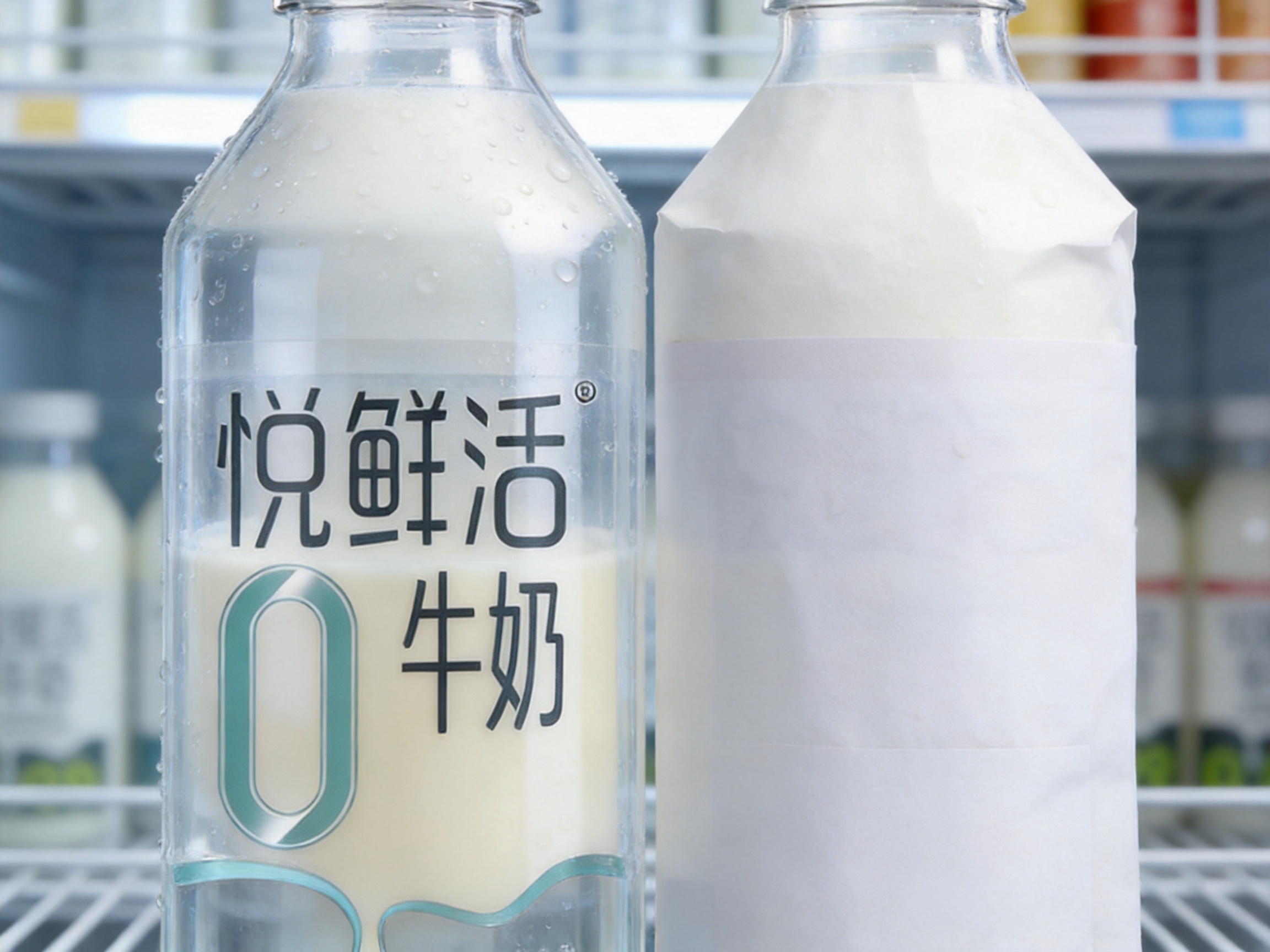
Product: Transparent high-gloss dairy product labels


Messae Us Right Now!

- Quick Links
- Products
- Quality Control
- Our Story
- News
- Contact
- Our Product
-
- Beauty and Personal Care Labels
- Home cleaning and laundry care labels
- Liquor and Beverage Labels
- Food and dairy product labels
- Healthcare Labels
- Promotional and Interactive Labels
- Specialty and industrial solution
- Labels Thermal printing and logistics labels
- Anti-counterfeiting traceability and RFID Labels
- Contact us
- Tel:+86-573-86867861
- Phone:+86-18621872035
- E-mail:allen.men@rylabel.com
- Add:No. 111 Xincheng Road, Haiyan Economic Development Zone, Jiaxing City, Zhejiang Province


